




Antique Dog Desk Ornament
An antique dog desk ornament brings character and purpose to a writing surface, combining practical utility with fine sculptural detail.

Antique Dog Desk Ornament
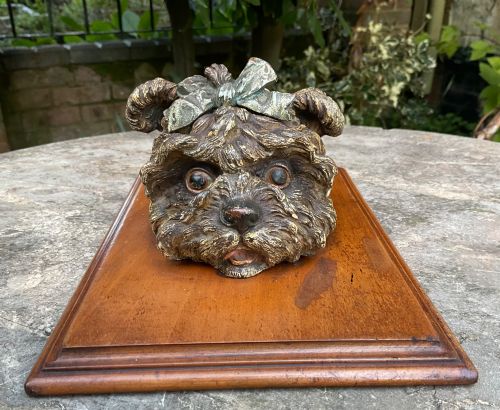
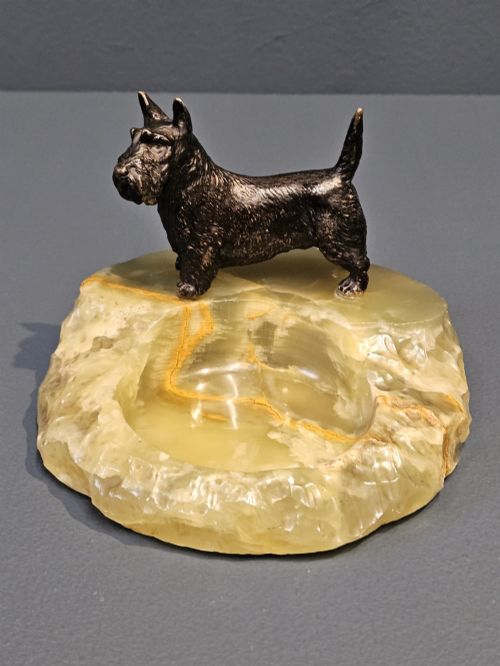
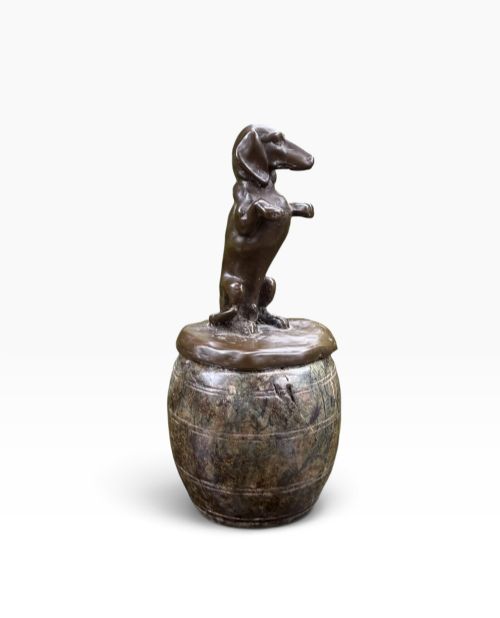
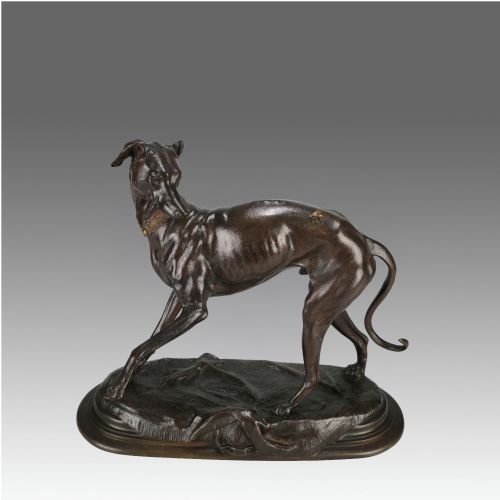
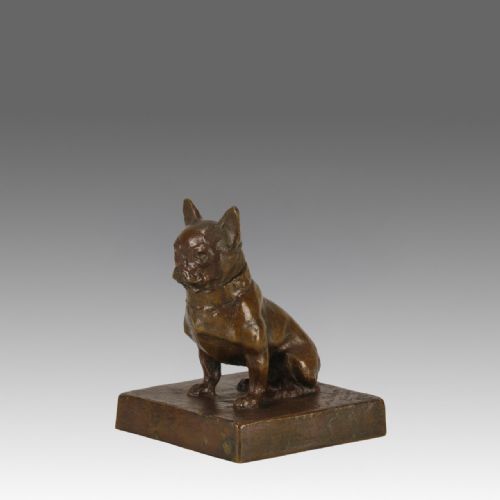
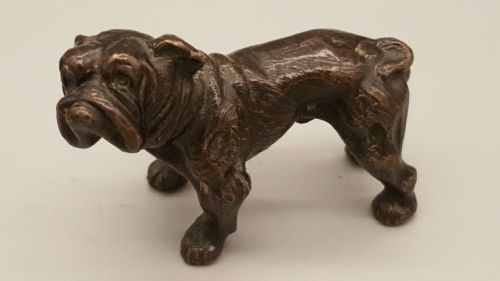
An antique dog desk ornament serves a functional role or stands as a pure study, taking the form of inkwells, quill holders, paperweights, and table lighters. You encounter pieces shaped as poodles, greyhounds, pugs, and bulldogs across this selection.
The objects span the nineteenth century through the art deco era, encompassing Victorian Staffordshire pottery, carved wooden Black Forest pieces, and cold-painted bronze sculptures from European workshops.
Materials and methods of construction
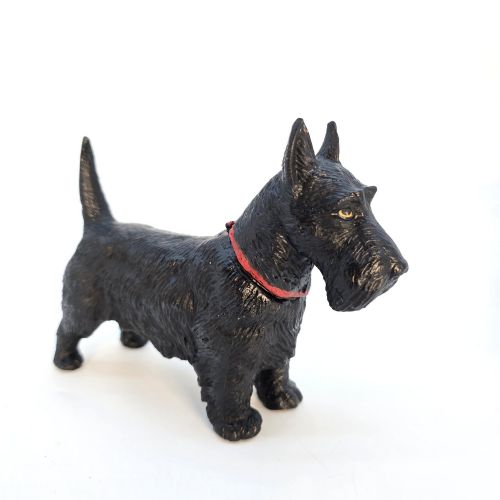
Bronze forms the backbone of these sculptures, often finished with cold-painted polychrome colours or mounted on marble bases. Potters utilised earthenware, porcelain, and parian body to shape functional inkwells and quill holders featuring hand-painted details.
Wood carvers in the Black Forest shaped timber into heavy inkwells featuring glass eyes, while metalworkers cast spelter and bronze using traditional foundry techniques.
Antique Dog Desk Ornament Retail Price Guide 2026
Typical asking prices for dog desk ornament among the pieces listed under this phrase on Sellingantiques today, from the lower quarter to the upper quarter. They describe what is for sale here now, not the wider market.
Animalier sculptures and Staffordshire ceramics form the majority of the canine desk accessories here.
Distinctions in quality and execution
The refinement of the casting and the fidelity of the canine anatomy determine the merit of metal pieces, where skilled chiselling follows the initial pour. Painted surfaces display varying degrees of preservation, with original cold-paint retaining subtle gradations that lesser touch-ups obscure.
Ceramic models depend on the crispness of the mould and the control of the glaze, separating standard production runs from finely articulated pairs.
Alfred Barye·Dora Heber·Edith Parsons·Arthur Waagen·P.de Soete·Joseph Francois Victor Chemin·Franze Bergman·Louis Lejeune
The Antique Dog Desk Ornament Glossary
- Animalier
- A nineteenth-century artistic movement focused on the realistic depiction of animals, particularly predators and domestic beasts. Sculptors in this tradition captured dogs in active poses and naturalistic stances.
- Cold-painted bronze
- A method where bronze sculptures are painted with oil-based paints without the application of heat. This technique leaves the pigments somewhat delicate, requiring careful handling.
- Parian
- A fine-grained bisque porcelain resembling white marble, developed in the nineteenth century. It suited smooth figural groups and animal studies.
- Spelter
- An alloy of zinc and lead used as a cheaper alternative to bronze for sculptural castings. It takes patination well but possesses a lower melting point and greater brittleness.
Antique Dog Desk Ornament: Frequently Asked Questions
What is an antique dog desk ornament?
An antique dog desk ornament is a small sculptural piece or functional accessory shaped like a canine, designed for placement on a writing table.
These items range from heavy bronze paperweights and inkwells to porcelain figurines and carved wooden holders.
How were these dog ornaments used?
Many examples served practical functions alongside their decorative appeal, holding ink, pens, or acting as paperweights on nineteenth-century desks.
Others functioned as table lighters or simply added sculptural interest to a study or library.
How do I care for cold-painted bronze?
Cold-painted bronze requires gentle dusting with a soft, dry cloth and protection from direct sunlight and moisture.
Because the paint sits on the metal without high-heat firing, moisture and harsh cleaning agents cause the pigment to flake.
How can I tell the period of a piece?
Dating relies on material composition, casting style, and the characteristic aesthetics of periods like Victorian, Edwardian, and Art Deco.
Signatures from known animalier sculptors or registry marks on pottery also provide clear chronological markers.