




Antique Ceramic Inkstand
An antique ceramic inkstand gathers the inkwells, pounce pots, and quill holders that kept a desk orderly before the fountain pen.

Antique Ceramic Inkstand
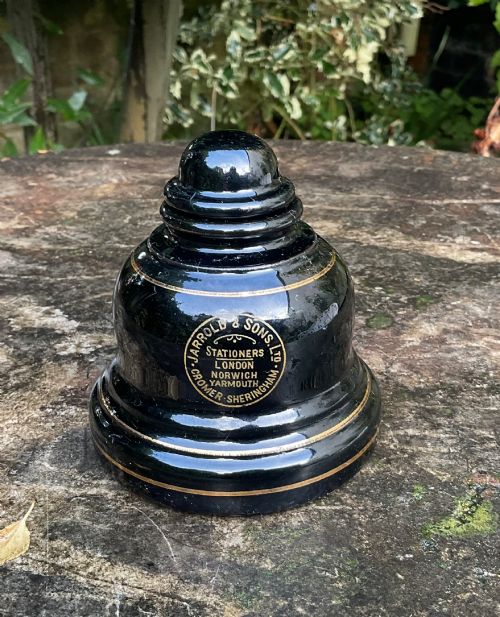
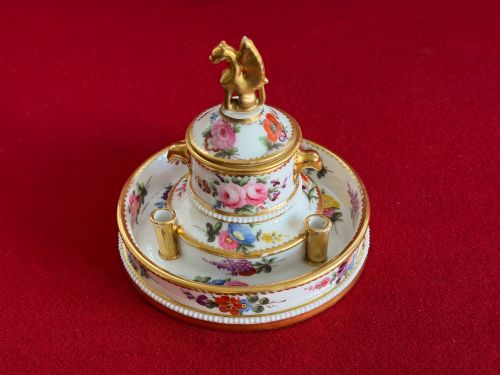
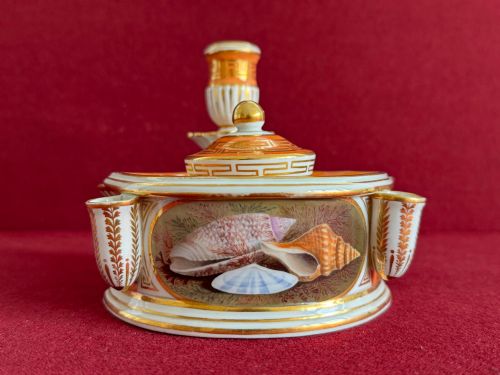
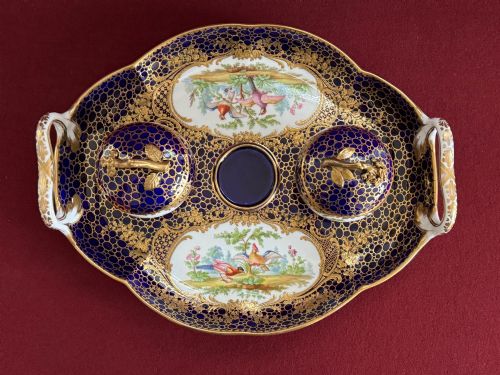
An antique ceramic inkstand brings together receptacles for liquid ink, sand for drying, and slots for feathers upon a shared tray or base. You meet them most often as nineteenth-century Staffordshire figures of dogs or figures alongside porcelain trays from Regency and Victorian factories.
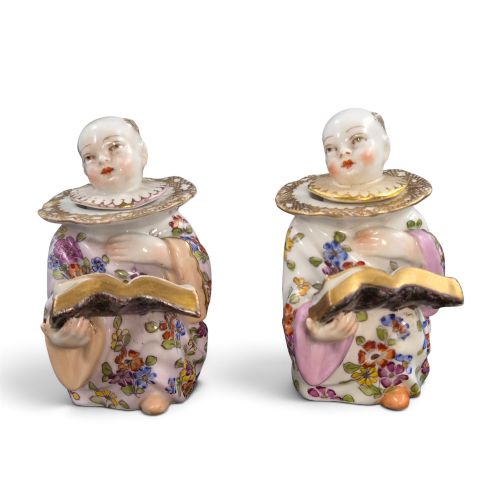
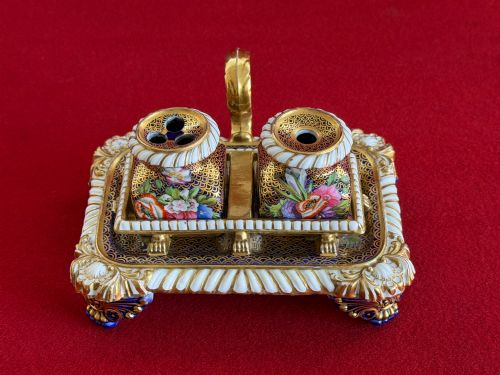
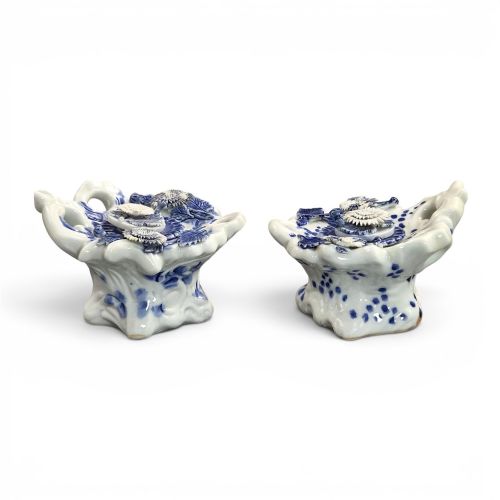
The form stretches from simple blue and white Delft desktop wells to elaborate Meissen, Spode, and Minton porcelain sets fitted with brass mounts or matching covers. Makers varied the layout from single lidded vessels to multi-piece deskside assemblages with matched pounce pots.
Moulded earthenware and hard-paste porcelain dominate the selection, crossing English, continental, and Japanese workshops from the Georgian period into the early twentieth century. These pieces served domestic writing desks, counting houses, and diplomatic tables alike.

Judgements of quality
Quality rests upon the crispness of the moulding and the control shown in the enamel painting, particularly where fine brushwork defines faces, feathers, or floral motifs. Superior examples maintain the original matching covers, pounce pots, and liners without replacement parts.
The distinction between standard commercial wares and exceptional factory productions appears in the weight of the porcelain, the precision of the gilding, and the artistic ambition of the modelled figures.
Antique Ceramic Inkstand Retail Price Guide 2026
Typical asking prices for ceramic inkstand among the pieces listed under this phrase on Sellingantiques today, from the lower quarter to the upper quarter. They describe what is for sale here now, not the wider market.
Several stubborn greyhounds and whippets hold watch over your paperclips, having retired from racing to guard the ink.
Edmé Samson·Spode·Flight Barr And Barr·Minton·Meissen
The Antique Ceramic Inkstand Glossary
- Pounce pot
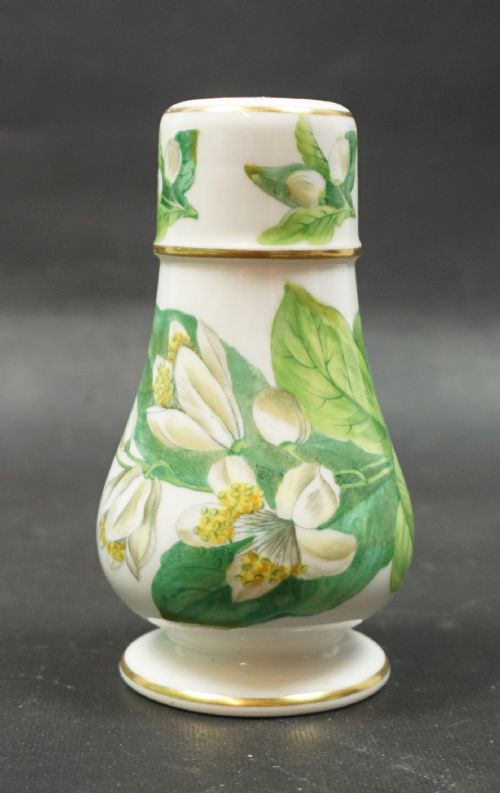
- A small shaker used to sprinkle gum sandarac powder over newly written paper to stop ink from bleeding. It forms a standard matching partner on a desk stand.
- Encrier
- The French term for an inkstand or inkwell. You encounter this designation on continental faience pieces.
- Faience
- Tin-glazed earthenware produced across Europe, notably in France and the Netherlands. It provides an opaque white ground for painted scenes.
- Schneeballen
- German porcelain decoration formed of applied tiny individual rosettes or blossoms covering the entire surface. This technique creates a textured snowball effect on specialty covers.
- Quill holder
- A desk accessory designed with channels or slots to rest bird feathers between writing sessions. They often take the shape of seated greyhounds, whippets, or dogs with baskets.
Antique Ceramic Inkstand: Frequently Asked Questions
What is a pounce pot?
A pounce pot is a small shaker perforated on top, designed to dust fine powder over handwritten letters to seal the paper fibres before ink application.
They appear as matching companions on desk stands alongside the main inkwell.
How do I date a ceramic inkstand?
Dating relies upon the paste type, the manufacturing marks beneath the glaze, and the stylistic traits of the period, ranging from Regency porcelain to Victorian Staffordshire earthenware.
Factory patterns and decorative styles like Chinoiserie or Rococo Revival offer further chronological markers.
Were these used with fountain pens?
These inkstands date from eras when writers used dipped goose or metal quill nibs that required constant replenishment from an open well.
The accompanying pounce pot and sand container dried the wet ink once the sentence was written.
Why do some inkstands feature animals?
Staffordshire potters modelled dogs such as greyhounds, whippets, and spaniels as decorative supports that doubled as functional quill holders and desk ornaments.
The animals were cast in earthenware and hand-painted with spot markings or gilt collars.