

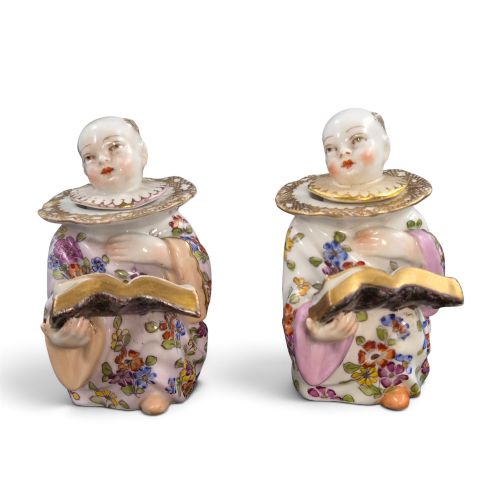


19th Century Ceramic Inkwell
A 19th century ceramic inkwell brings tactile desktop character to a study through period craftsmanship and varied regional pottery traditions.

19th Century Ceramic Inkwell
A 19th century ceramic inkwell comprises desk accessories and inkstands produced across the nineteenth century, encompassing periods from the Regency era through to late Victorian times. Buyers searching this phrase encounter practical desk pieces formed from materials such as porcelain, earthenware, and tin-glazed faience.
The objects take diverse forms, ranging from utilitarian desktop containers to figural groupings and novelty pieces. Surviving examples reflect both English pottery traditions, including Staffordshire figures and Worcester porcelain, and continental European styles like Dutch Delftware and Chinoiserie.
The most common versions met on this page span early Victorian porcelain stands and mid-century Staffordshire animal inkwells. These desktop accessories served a functional role in correspondence before the widespread adoption of the fountain pen.
Materials and methods of manufacture
The manufacture of these pieces relies primarily on ceramic bodies shaped into inkwells, inkstands, and figural desk accessories. Potters utilised porcelain, earthenware, and stoneware, often finishing the surfaces with coloured glazes or tin-glazing.
Decoration required skilled hand-painting, evident in blue and white Delft designs, Watteau scenes, and Chinoiserie motifs. Artisans also applied gold leaf accents to finer porcelain bodies, particularly during the Regency and early Victorian periods.
19th Century Ceramic Inkwell Retail Price Guide 2026
Typical asking prices for 19th century ceramic inkwell among the pieces listed under this phrase on Sellingantiques today, from the lower quarter to the upper quarter. They describe what is for sale here now, not the wider market.
Listings feature porcelain, earthenware, and stoneware bodies decorated with tin-glaze, gold leaf, and hand-painted enamel.
Distinctions in quality and execution
Quality in a 19th century ceramic inkwell is determined by the refinement of the ceramic body and the precision of the hand-painted decoration. Finer porcelain pieces exhibit delicate potting and intricate painted scenes, whereas robust earthenware examples rely on sculptural form and glaze depth.
The execution of specialised details, such as figural modelling in Staffordshire animals or complex Chinoiserie compartments, separates standard utility items from high-status desk furniture. The integration of maker-specific patterns and distinctive regional styles further elevates an individual piece.
Edmé Samson·Flight Barr & Barr·Spode·Minton
The 19th Century Ceramic Inkwell Glossary
- Inkstand
- A complete desk stand holding an inkwell alongside associated writing equipment like sanders and pen holders. These larger desk accessories formed centrepieces for nineteenth-century writing tables.
- Tin-Glazed Earthenware
- Pottery coated with a tin oxide glaze that fires to a white, opaque surface suitable for painting. This technique underpins traditional Delftware and faience production.
- Chinoiserie
- European artistic style reflecting Chinese aesthetic motifs and decorative patterns. It frequently appears on porcelain inkwells and desk stands from the Regency period.
- Faience
- European tin-glazed earthenware produced across various continental centres. The style aligns closely with traditional Dutch Delft production seen on nineteenth-century desk pieces.
- Regency
- British design period spanning the early nineteenth century, noted for classical elegance and refined porcelain manufacture. Pieces from this era often feature detailed hand-painted patterns.
19th Century Ceramic Inkwell: Frequently Asked Questions
What is a 19th century ceramic inkwell used for?
These pieces served as desktop containers for liquid ink used with dip pens during the nineteenth century. Writers dipped their quibs or metal nibs into the central well while corresponding.
Today, they function primarily as decorative desk accessories or collectable examples of period ceramics. They add historical character to a study or library table.
How do I identify a Regency inkwell?
Regency pieces typically date from the early nineteenth century and showcase refined porcelain bodies. They often feature classical motifs, intricate painted patterns, or early Chinoiserie designs.
Maker attributions from this period include established factories like Spode and Flight Barr & Barr. Their weight and potting style reflect the aesthetic standards of the era.
What is the difference between earthenware and porcelain inkwells?
Earthenware inkwells use a coarser clay body that is fired at lower temperatures and usually rendered opaque by glazes. Staffordshire animal figures and stoneware pieces fall into this robust category.
Porcelain inkwells utilise a finer, vitrified clay body fired at higher temperatures to achieve a more delicate finish. These often display intricate painted scenes and gilded details.
How do I live with antique inkwells safely?
Display these ceramic pieces on stable surfaces away from high-traffic areas where they might be knocked. Gentle dusting with a soft cloth preserves the glaze and painted decoration.
Avoid using historical inkwells for actual wet ink unless the interior liner remains intact and sound. Modern inks can stain or damage porous historic ceramic bodies.