



White Ceramic Inkwell
These white ceramic inkwell pieces bring desk organisation and period charm to a room, offering tactile appeal for daily writers and collectors.

White Ceramic Inkwell
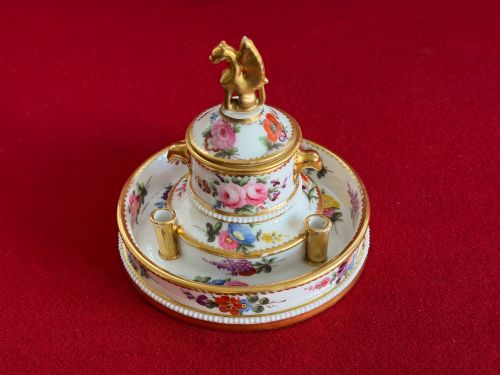
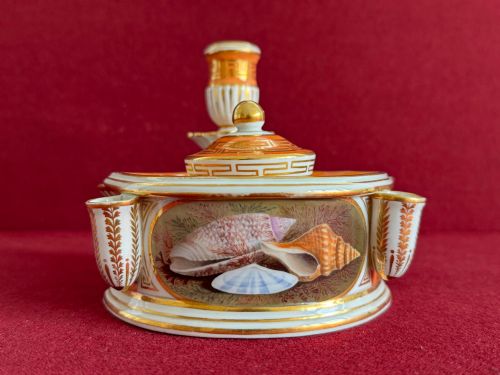
A white ceramic inkwell is a desk accessory designed to hold writing fluid safely while complementing the study or writing desk. Buyers seeking a white ceramic inkwell find functional vessels that double as decorative desk ornaments, ranging from simple lidded pots to elaborate figural stands.
The pieces appearing in this category span several periods, notably the nineteenth century and the Georgian era, alongside later twentieth-century examples. Forms vary from single desktop vessels to multi-piece inkstands complete with pen holders and matching covers.
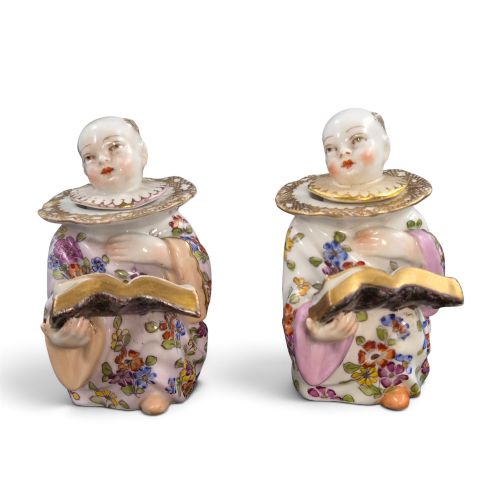
Origins stretch across European and Asian workshops, encompassing English Staffordshire factories, French faience traditions, Dutch delftware, German porcelain works, and Japanese porcelain. This geographical breadth brings diverse decorative vocabularies to the category, from chinoiserie motifs to classical revival styles.
How they were made
Makers shaped these items using porcelain, earthenware, and tin-glazed earthenware, applying opaque white or cream glazes to create smooth surfaces for painting and gilding. Techniques include hand-forming delicate figural elements, such as the sculptural foliage on German Schneeballen covers or the detailed contours of Staffordshire animals.
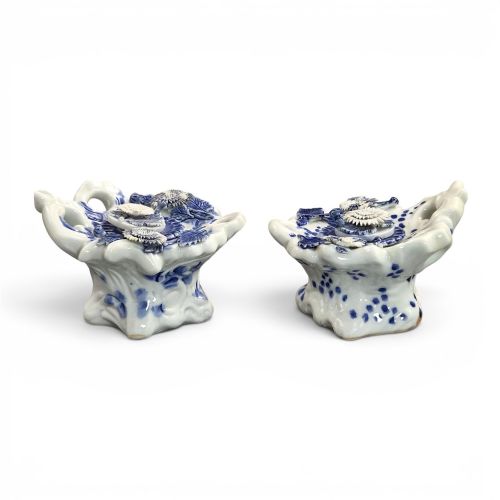
Decoration often involves cobalt blue painting under the glaze, polychrome enamel detailing, and occasional accents of gold leaf. Potters utilised traditional throwing and moulding methods before firing the ceramic bodies in kilns, followed by subsequent firings to fix surface enamels and gilding.
White Ceramic Inkwell Retail Price Guide 2026
Typical asking prices for white ceramic inkwell among the pieces listed under this phrase on Sellingantiques today, from the lower quarter to the upper quarter. They describe what is for sale here now, not the wider market.
Stylistic influences span Dutch Delft, Chinoiserie, Rococo Revival, and the Japanese Meiji period.
What varies in quality
The standard of a piece rests upon the crispness of the modelling and the finesse of the painted decoration. Hand-painted scenes executed with fine brushwork distinguish superior examples from simpler mass-produced wares.
Material refinement and glaze consistency also dictate value, with smooth, evenly fired white surfaces and well-preserved gilding representing higher craftsmanship. The complexity of the form, such as paired figural subjects or intricate pierced stands, elevates the overall standing of the object.
Edmé Samson·Hirado Mikawachi·Flight and Barr·Meissen
The White Ceramic Inkwell Glossary
- Faience
- Tin-glazed earthenware produced in Europe, particularly France and the Netherlands, featuring an opaque white glaze that accepts painted decoration.
- Staffordshire
- Pottery manufactured in the Staffordshire region of England, known for utilitarian and decorative earthenware figures including animal desk accessories.
- Schneeballen
- A German porcelain technique featuring dense clusters of applied small flowers and petals, translating literally to snowball.
- Encrier
- A French term for an inkstand or inkwell, frequently applied to ceramic and porcelain desk furniture.
- Delftware
- Tin-glazed earthenware made in the Netherlands, traditionally decorated in blue and white or polychrome palettes.
White Ceramic Inkwell: Frequently Asked Questions
What is a white ceramic inkwell?
A white ceramic inkwell is a small container designed to hold writing ink on a desk, fashioned from clay or porcelain and finished with a white glaze. These objects served as essential desktop equipment before the invention of the fountain pen.
Today, they survive as decorative antiques that display the ceramic styles and manufacturing techniques of their respective periods.
How were antique inkwells used?
Users placed inkwells on writing desks to provide a ready reservoir of ink for dip pens and quill pens. Many designs included attached sanders for drying ink or matching stands to hold pens.
They functioned as both practical writing tools and status items reflecting the owner's taste and the room's interior decor.
How do I care for a ceramic inkwell?
Keep the piece clean by dusting it gently with a dry, soft cloth to protect the glaze and any surface enamel or gilding. Avoid using harsh chemical cleaners or submerging antique ceramics in water.
If used for display, place the inkwell on a stable surface away from direct sunlight and heavy foot traffic to prevent accidental damage.
How do I date an antique inkwell?
Dating relies on examining the ceramic body, glaze characteristics, style of decoration, and any maker marks or stamps on the base. Comparing the manufacturing technique against known period styles helps narrow the timeframe of production.
Georgian and nineteenth-century pieces often display distinct potting methods and aesthetic influences that differentiate them from later twentieth-century items.