




Blue Ceramic Inkwell
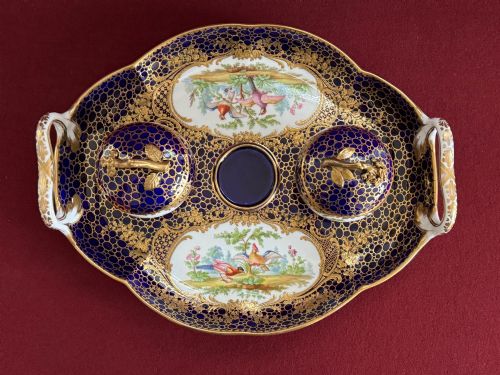
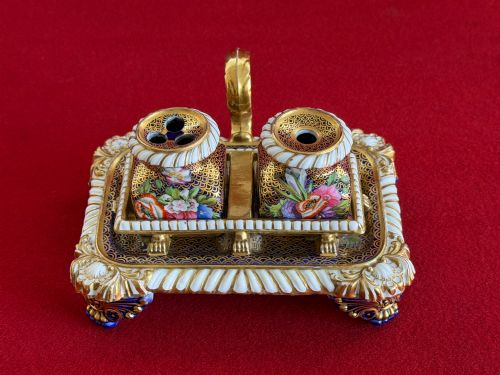
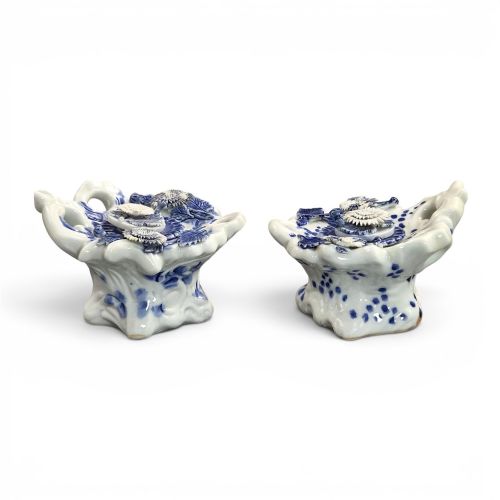
These blue ceramic inkwell pieces bring desk accessories into the room with blue and white glazes and porcelain forms.

Blue Ceramic Inkwell
A blue ceramic inkwell combines utility with decorative pottery forms across periods from the Regency era through to the 1930s. Buyers searching for a blue ceramic inkwell encounter items ranging from Dutch Delft and Faience to Staffordshire animal figures and Spode porcelain.
The most common examples on this page span the 19th century, featuring blue and white glazes, tin-glazed earthenware, and porcelain bodies. Desk accessories include single inkwells, pairs with animal subjects like greyhounds and dalmatians, and larger multi-piece inkstands.
Makers and regional styles represented include English factories such as Spode and Minton, continental French and Dutch faience, and Japanese Meiji period porcelain. Forms draw on decorative traditions including Chinoiserie, Rococo Revival, and the Aesthetic Movement.
Materials and methods
Potters shaped these desk pieces from ceramic bodies including porcelain, earthenware, and tin-glazed faience. Pigments supplied the characteristic blue coloration, often applied under the glaze or painted onto white surfaces.
Surface ornamentation incorporates gold leaf, gilt highlights, and enamel details over the ceramic base. Certain examples combine the ceramic inkwell vessel with fitted brass stands or metal mounts.
Blue Ceramic Inkwell Retail Price Guide 2026
Typical asking prices for blue ceramic inkwell among the pieces listed under this phrase on Sellingantiques today, from the lower quarter to the upper quarter. They describe what is for sale here now, not the wider market.
Materials span porcelain, earthenware, tin-glazed faience, gold leaf, and brass stands across nineteenth and twentieth century listings.
Judging quality in ceramic inkwells
Quality rests upon the crispness of the moulded form and the precision of the hand-painted blue decoration. Superior examples display detailed brushwork, clean glaze application, and well-preserved gilt or enamel highlights.
Spode·Hirado Mikawachi·Minton
The Blue Ceramic Inkwell Glossary
- Tin-Glazed Earthenware
- Pottery fired with an opaque white glaze containing tin oxide, which accepts blue painted decoration. This technique underpins traditional Delftware and faience production.
- Faience
- European tin-glazed earthenware produced in France, the Netherlands, and other regions. The term covers various styles of blue and white desk wares.
- Inkstand
- A complete desk accessory set that typically includes the inkwell alongside pen holders and sanders. These multi-piece items formed part of 19th-century writing desks.
- Chinoiserie
- European decorative style reflecting Chinese artistic motifs and landscapes. This influence appears in the blue and white patterns of ceramic desk pieces.
- Meiji Period
- Japanese historical era spanning from 1868 to 1912. Pieces from this time demonstrate distinct eastern porcelain traditions alongside export manufacturing.
Blue Ceramic Inkwell: Frequently Asked Questions
What periods do these inkwells date from?
The pieces span the nineteenth and early twentieth centuries, covering Regency, Victorian, and Edwardian eras. Dates range from the early 1800s through to the 1930s.
Specific production years depend on the factory and style, with items reflecting shifts in ceramic design from neoclassical Spode porcelain to later Staffordshire figures and French faience.
How were these inkwells used originally?
Writers dipped quill pens or steel nibs into the central well to absorb ink for correspondence and record keeping. Many included sanders to dry wet ink on paper.
Desk accessories sat on writing tables as both practical tools and decorative items suited to nineteenth-century studies and drawing rooms.
How do I care for antique ceramic inkwells?
Keep the ceramic surfaces clean by dusting gently with a soft dry cloth. Avoid harsh chemical cleaners that might damage painted blue glazes or gilt details.
Protect delicate porcelain and earthenware from knocks, and avoid filling antique inkwells with modern liquid ink to prevent staining the porous interior ceramic body.