




Antique Writing Slope Accessory
An antique writing slope accessory brings order to a historic desk, offering fitted elegance and practical charm for the modern study.

Antique Writing Slope Accessory
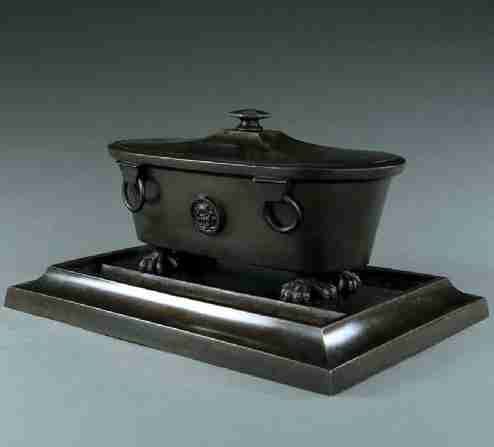
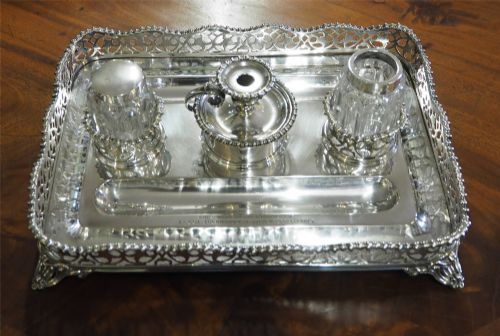
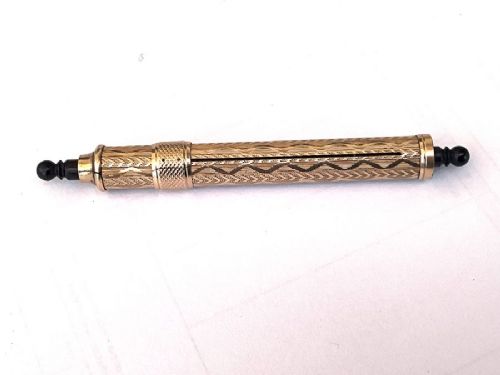
When you search for an antique writing slope accessory, you encounter the smaller portable and desktop items that accompanied nineteenth-century correspondence. These pieces include inkstands, inkwells, sealing wax holders, pen wipes, and stationery boxes designed to organise a desk.
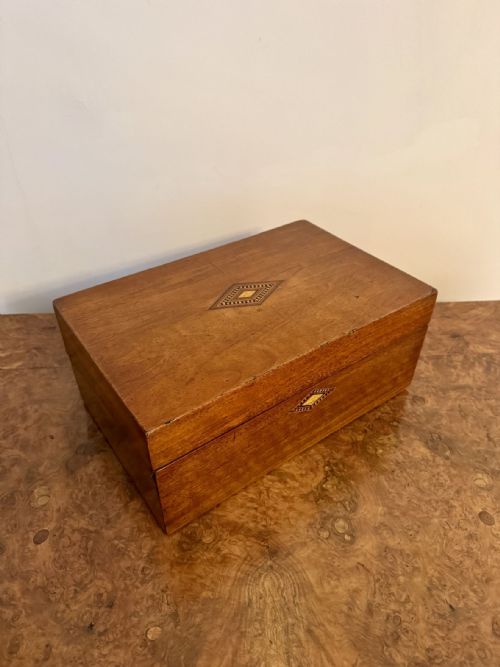
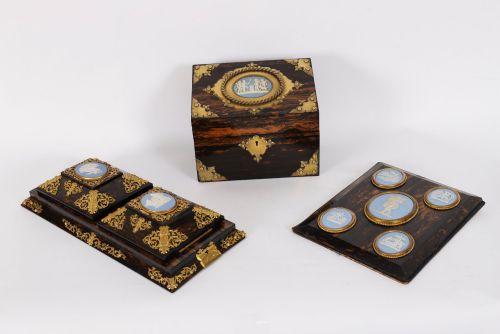
The selections span Victorian, Edwardian, and nineteenth-century periods, often appearing in forms such as bureau boxes, slope cases, and standalone ink stands. Walnut, mahogany, and oak dominate the wooden constructions, alongside marble and ormolu desk sets.
Buyers frequently find travelling inkwells, campaign writing slopes with brass inlay, and fitted stationery cabinets among these offerings. Each object reflects the elaborate writing habits of the past, tailored for both stationary desktop use and travel.
What varies in quality
The standard of an antique writing slope accessory depends on the precision of its joinery, the choice of timber figurations like burr walnut or figured walnut, and the integrity of any brass inlay. Superior examples display crisp casting in ormolu mounts and retain original fitted interiors.
Makers who incorporated specialised materials, such as Tunbridge ware decoration, hand-painted porcelain panels, or crocodile leather, produced pieces of higher distinction. Complete sets containing original components like intaglio glass seals or matching sealing wax elevate the character of the item.
Antique Writing Slope Accessory Retail Price Guide 2026
Typical asking prices for writing slope accessory among the pieces listed under this phrase on Sellingantiques today, from the lower quarter to the upper quarter. They describe what is for sale here now, not the wider market.
Wilkinson and Co·Edward Todd and Co·Lefebvre of Belgium·Houghton and Gunn
The Antique Writing Slope Accessory Glossary
- Writing slope
- A portable slant-topped desk box designed for correspondence and storage. It typically opens to reveal a velvet or leather writing surface and compartments for pens and ink.
- Inkstand
- A desktop stand holding one or more inkwells, often accompanied by pen trays and sanders. These pieces anchored the writing desk during the nineteenth century.
- Ormolu
- Gilded bronze used widely for decorative mounts on nineteenth-century French and English desk sets. It provided a rich golden highlight against marble and dark woods.
- Tunbridge ware
- Woodware decorated with tiny mosaic tiles forming geometric or pictorial patterns. This technique appeared frequently on Victorian boxes and stationery cabinets.
- Stationery box
- A desktop cabinet designed to hold writing paper and envelopes upright. They often featured sloping lid fronts and internal pigeonholes.
Antique Writing Slope Accessory: Frequently Asked Questions
What is an antique writing slope accessory?
These items are the functional desk additions used for writing letters before the twentieth century. They include inkwells, desk sets, and stationery boxes.
Buyers select them to recreate historical desk arrangements or to store modern correspondence supplies in classic containers.
How were nineteenth century inkstands used?
An inkstand sat centrally on a desk to provide a secure place for liquid ink and dipping pens. The attached wells held the ink safely while open for daily writing tasks.
Travel versions featured secure lids to prevent spills while moving between rooms or during journeys.
Are these desk accessories suitable for daily use?
Many stationery boxes and pen holders accommodate modern pens and notepaper without difficulty. Glass inkwells require careful handling if filled with modern ink.
Placing felt pads beneath heavy marble or bronze stands protects modern desk surfaces from scratching.
How do I identify a Victorian writing box?
Victorian examples frequently utilise walnut, mahogany, or coromandel with brass corner mounts and escutcheons. Tunbridge ware mosaics and Bramah locks often indicate mid-nineteenth century production.
Maker stamps or stamps on silver components help narrow down the exact decade of manufacture.