


Grand Tour Marble Souvenir
These grand tour marble souvenir pieces bring the sculptural triumphs of ancient Rome and Greece straight into your home.
Grand Tour Marble Souvenir
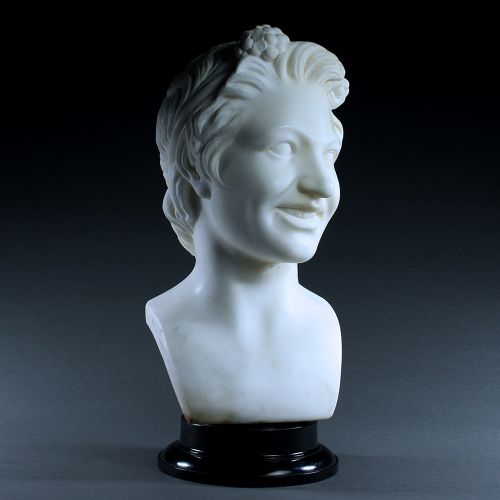
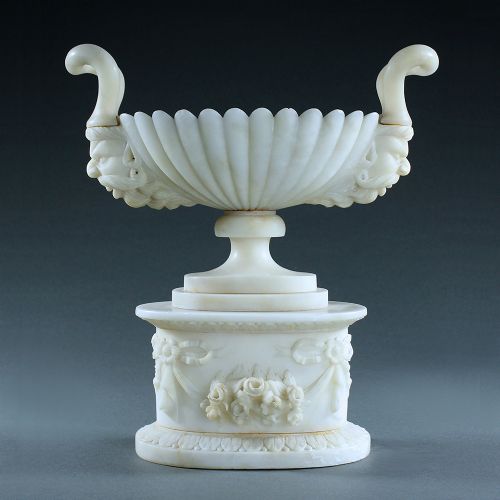
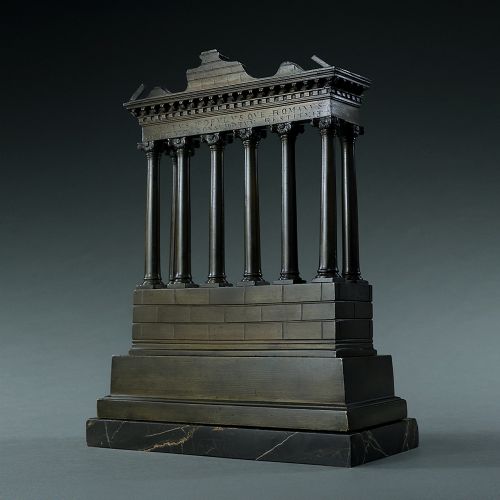
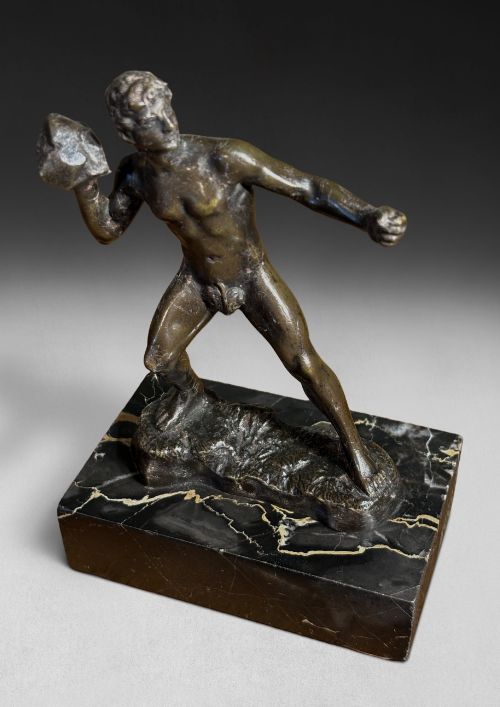
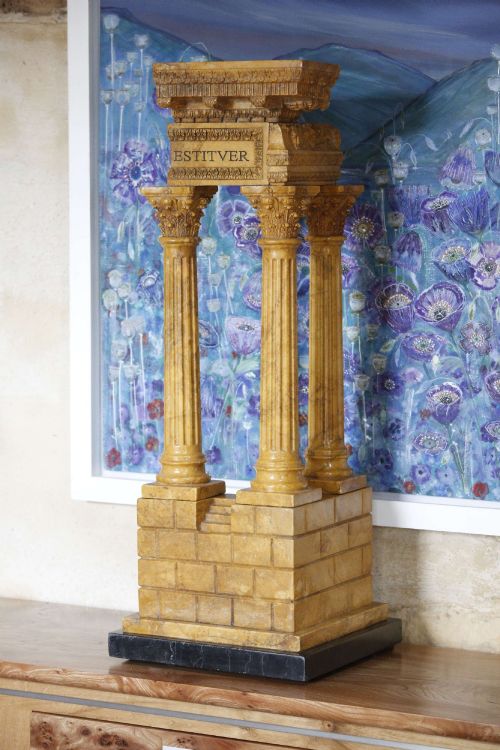
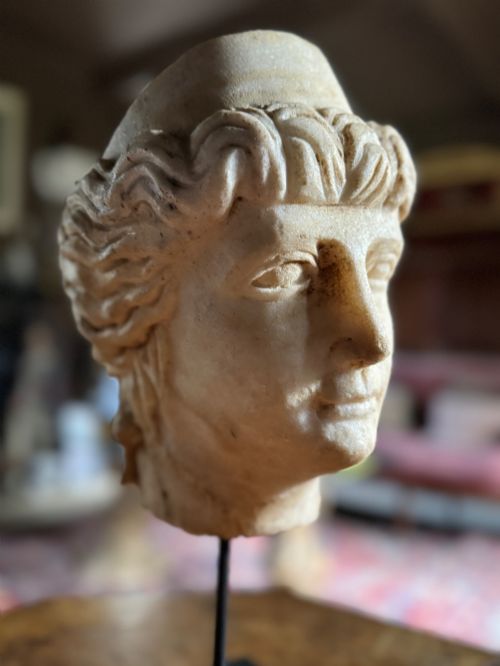
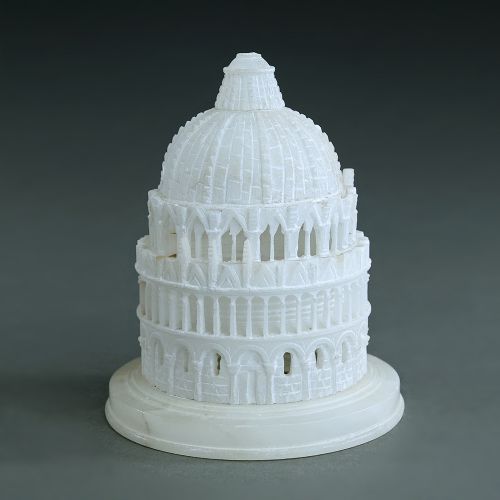
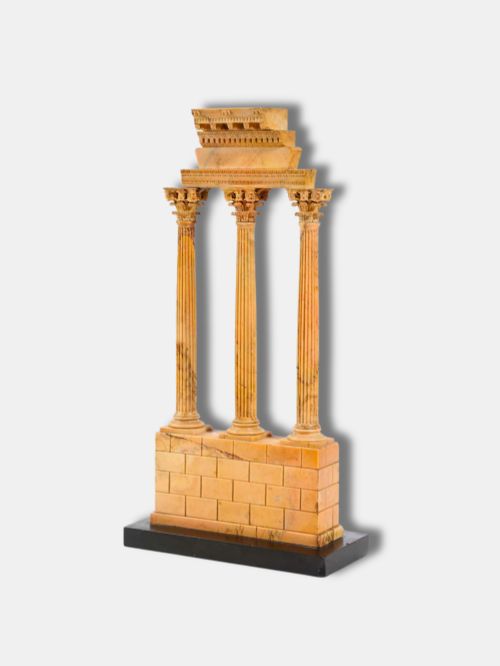
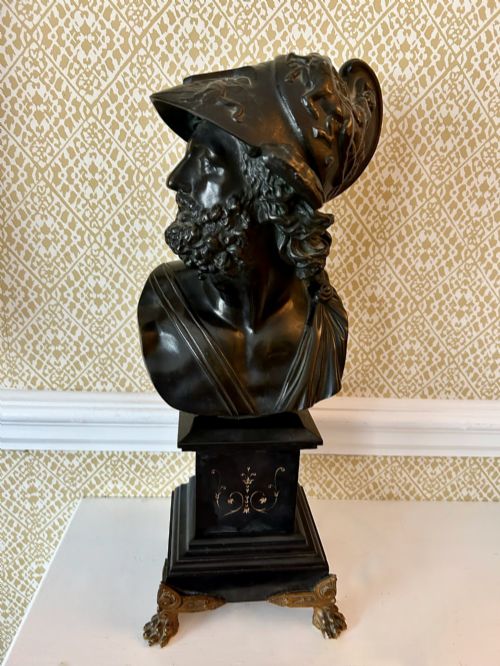
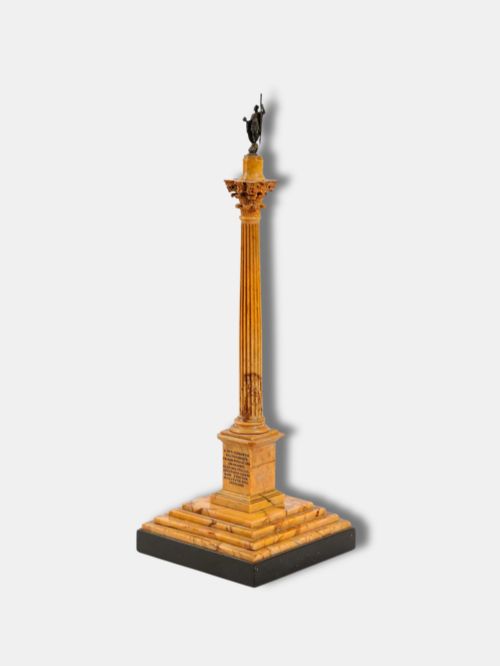
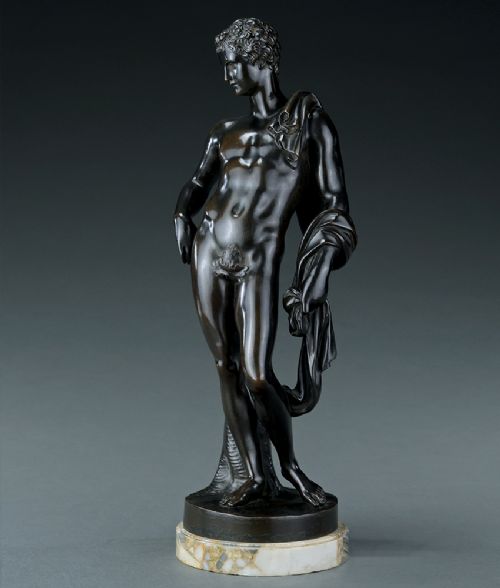
A grand tour marble souvenir is a miniature model, architectural ruin, tazza, or carved figure collected by travellers journeying through Italy during the nineteenth century. These objects represent classical sculptures, famous vases, and Roman monuments scaled down to fit in a trunk or display on a desk.
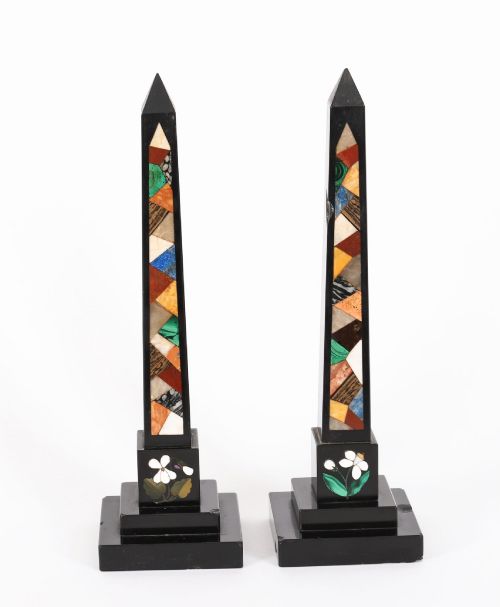
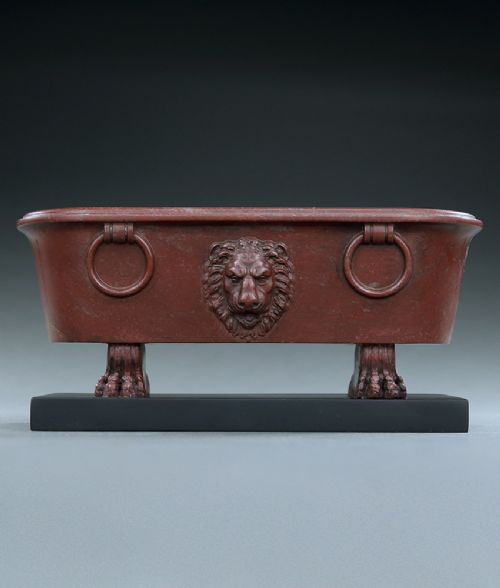
The selections on this page include carved serpentine lions, marble obelisks, architectural temple models, and specimen paperweights inlaid with micro-mosaics. Most date from the nineteenth century, reflecting the neoclassical taste for antique sculpture and ancient architecture.
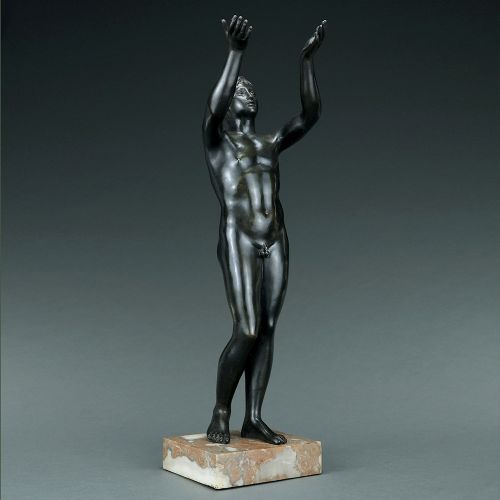
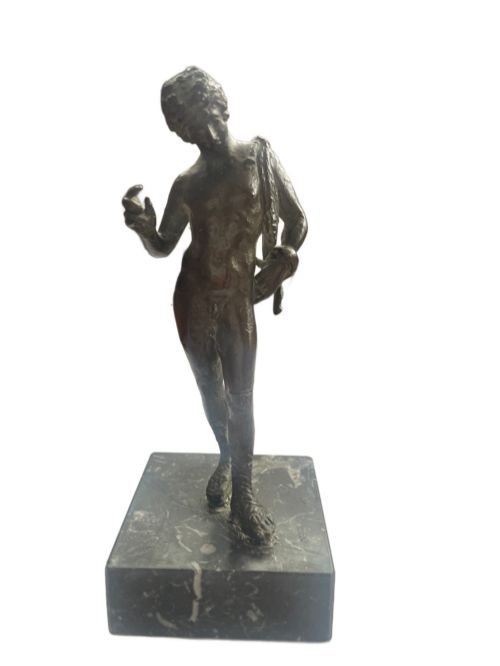
Buyers will encounter both pure stone carvings and mixed-media pieces that pair patinated or gilt bronze figures with rich coloured marble plinths. These items serve as decorative objects, inkwells, and desk accessories derived from renowned antiquities.
How they were made
Craftsmen shaped these items from various stones including white statuary marble, black marble, Siena marble, alabaster, and green serpentine. Many pieces combine carved mineral elements with cast bronze, ormolu, and cast iron mounts.
Makers utilised specialised techniques such as pietra dura inlay and micro-mosaic assembly to decorate flat surfaces like paperweights and table tops. Sculptural reductions were carved by hand from blocks of stone to replicate famous ancient statues with careful attention to detail.
Grand Tour Marble Souvenir Retail Price Guide 2026
Typical asking prices for grand tour marble souvenir among the pieces listed under this phrase on Sellingantiques today, from the lower quarter to the upper quarter. They describe what is for sale here now, not the wider market.
Listings feature materials such as bronze, serpentine, alabaster, and Siena marble alongside forms like obelisks, tazzas, and architectural models.
What varies in quality
The choice of materials also dictates the grade of the piece, with richly figured specimen marbles, intricate micro-mosaic panels, and finely cast patinated bronze mounts elevating the status of an object.
Antonio Canova·Domenico Moglia·Darmanin·Michelangelo Buonarroti Simoni
The Grand Tour Marble Souvenir Glossary
- Grand Tour
- A traditional journey through continental Europe, chiefly Italy, undertaken by upper-class young men and collectors to absorb classical art and culture. Souvenirs purchased along the route formed the core of many domestic display cabinets.
- Serpentine
- A group of green silicate minerals often used for carving miniature figures and architectural models due to its smooth texture and mottled appearance. It frequently forms the base material for carved lions and animal studies.
- Pietra dura
- An artistic technique of using cut and fitted small pieces of coloured stones to create pictorial designs or geometric patterns. These are commonly found mounted onto marble paperweights and specimen boxes.
- Micro-mosaic
- A method of creating intricate pictures using tiny glass tesserae fused together to form detailed scenes of ancient ruins. These panels are often inset into marble paperweights and desk items.
- Tazza
- A small, shallow ornamental cup or vase raised on a stem and foot, frequently rendered in bronze and Siena marble. They were modelled after ancient vessels discovered during archaeological excavations.
Grand Tour Marble Souvenir: Frequently Asked Questions
What is a grand tour marble souvenir?
These items are nineteenth-century carved stone models, sculptures, and desk accessories collected by travellers visiting classical antiquities in Italy. They replicate famous statues, vases, and architectural ruins from ancient Rome and Greece.
Craftsmen produced them in various sizes to serve as portable mementos of a classic European education and travel itinerary. Today they function as decorative objects that bring neoclassical design into private interiors.
Which marbles were commonly used?
Carvers utilised a wide range of stones including white statuary marble, black marble, Siena marble, and green serpentine. Many pieces also incorporate specialised materials like alabaster and rouge griotte.
Coloured specimen marbles were selected to mimic the polychrome surfaces of ancient Roman buildings and sculpture bases. The natural veining of the stone often dictates the visual character of each individual piece.
How were micro-mosaics incorporated?
Artisans fused microscopic glass tesserae to form detailed pictorial panels depicting famous sights such as Roman ruins or doves. These colourful panels were then set directly into the surfaces of marble paperweights and inkstands.
This technique required immense patience and skill, resulting in miniature artworks that survived as durable functional items for the desk. They represent some of the most intricate decorative work found on nineteenth-century souvenirs.
Where were these pieces displayed?
Travellers placed these decorative objects on library desks, tabletops, and mantelpieces upon returning to their homes. Items like obelisks, tazzas, and architectural models added an air of classical learning to domestic spaces.
Desk accessories such as inkwells and paperweights combined practicality with aesthetic displays of ancient architectural forms. Their compact scale allowed them to fit easily into studies and drawing rooms.