

Antique Dog Art
When looking for antique dog art, collectors seek framed oil paintings, etchings, and drawings that capture the character of canine subjects through various historical periods.
Antique Dog Art
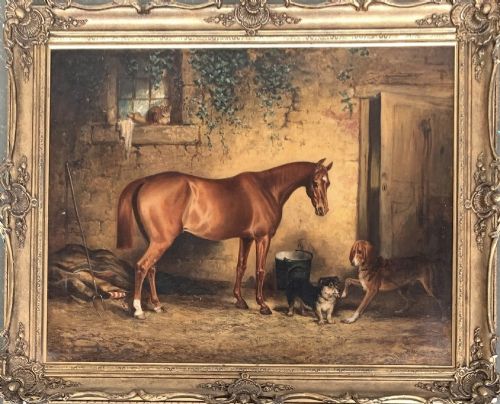
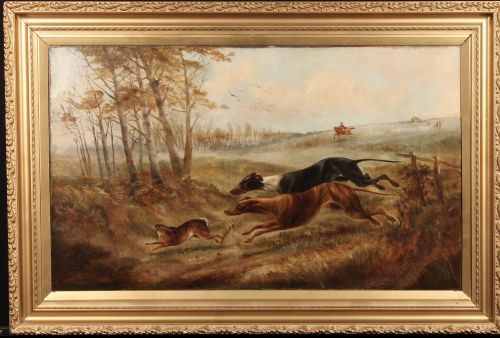
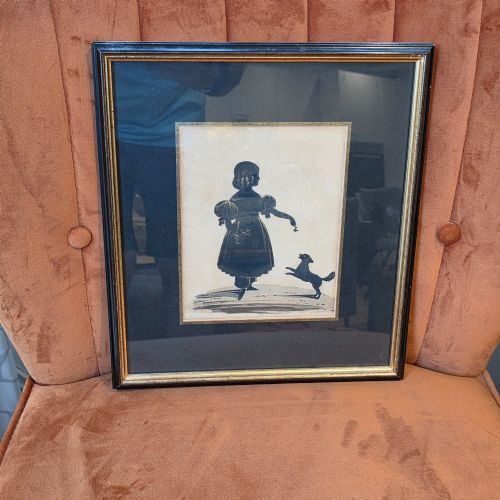
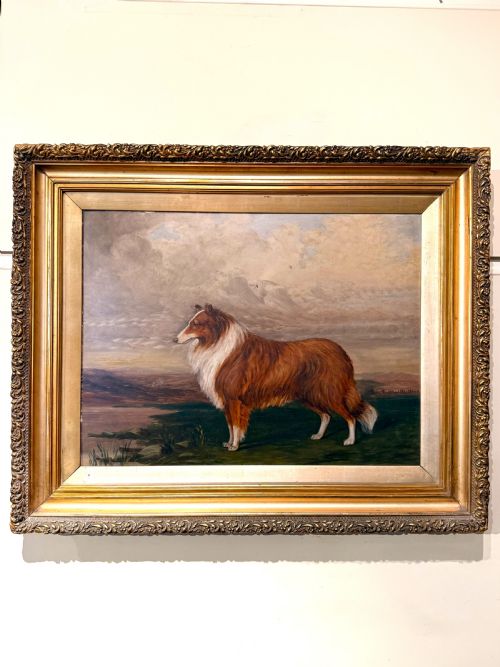
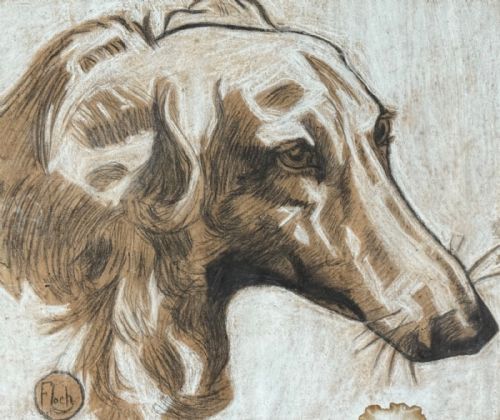
The search for antique dog art leads buyers to a diverse assortment of creative works, predominantly oil paintings, original etchings, drawings on paper, and framed prints. These pieces range from formal sporting art and realistic animal portraits to folk art and whimsical depictions from the nineteenth and early twentieth centuries.
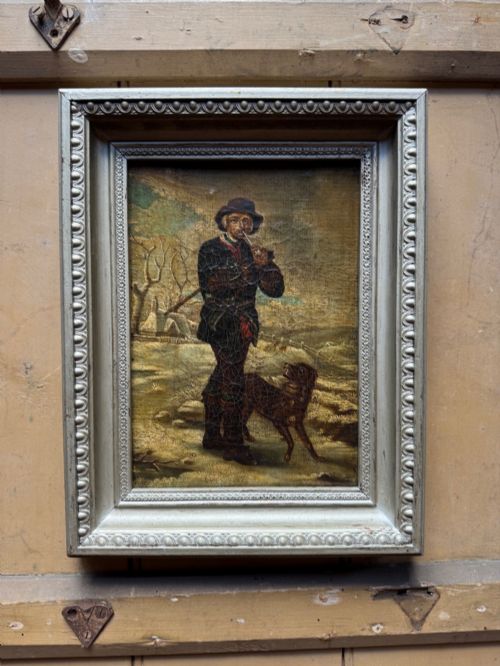
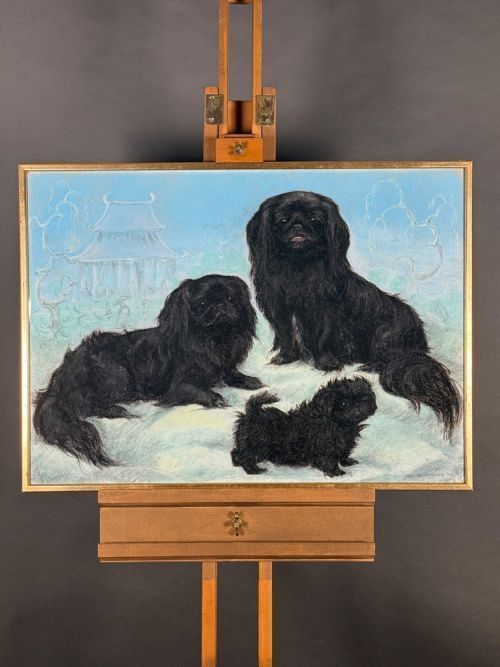
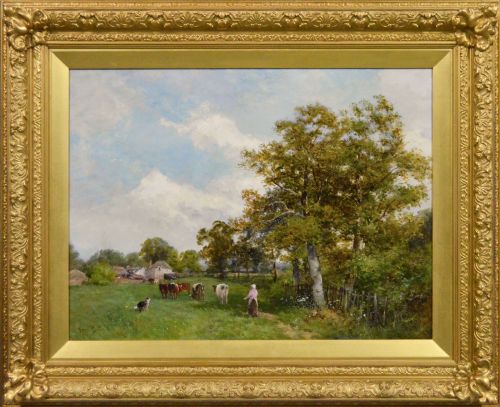
Buyers will most frequently encounter nineteenth-century oil paintings and early twentieth-century prints on this page, reflecting the widespread popularity of canine subjects during the Victorian, Edwardian, and Art Deco eras. Subjects span from working gun dogs and terriers to domestic pets rendered in oil, gouache, and pastel.
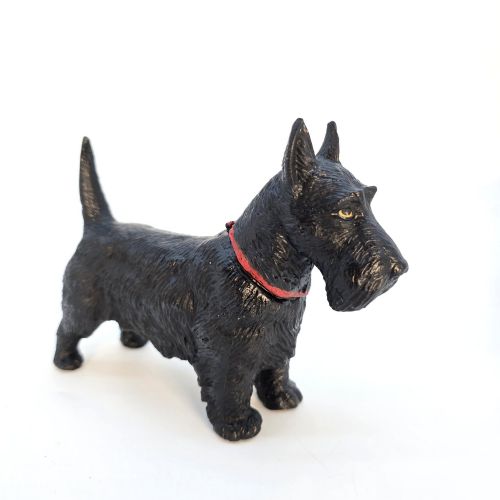
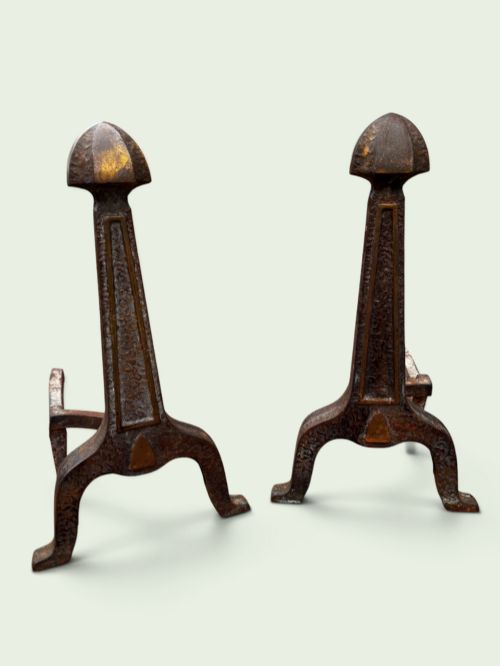
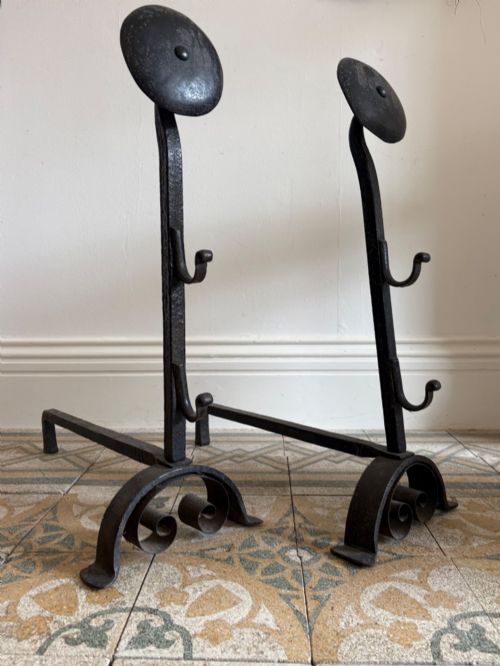
Beyond wall art, the selection encompasses decorative objects and fireplace accessories, including cast metal table lighters, cigarette boxes, and wrought iron andirons known historically as fire dogs. These functional household items integrate canine forms into everyday interior design from the Regency period through the nineteen-thirties.
Materials and methods
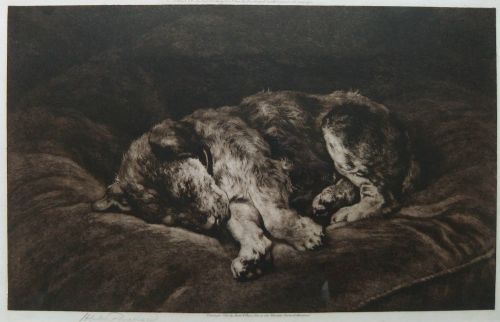
Makers utilised traditional painting supports such as canvas, wood boards, and buff paper, applying oil paint, watercolor, gouache, ink, or pastel to render detailed portraits. Etchings and lithographs relied on inked plates and lithographic stones to produce multiple impressions on paper.
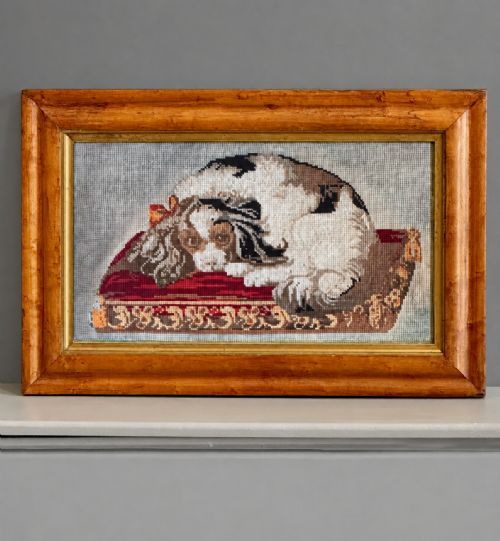
Metalwork pieces such as andirons and table lighters employed casting techniques in brass, cast iron, bronze, and wrought iron, frequently finished with hand-painted details or patination. Needlework pictures utilised Berlin wool work embroidery framed in burr maple to create textured textile portraits.
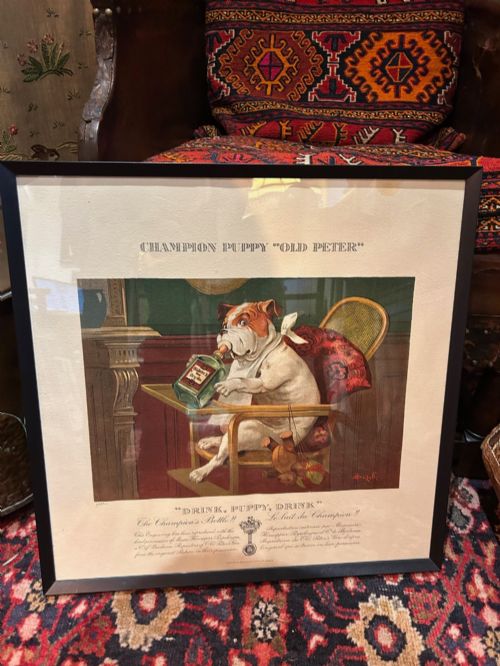
Several pieces depict dogs performing human tasks, such as riding in carts or operating machinery, showing Victorian and Edwardian wit.
Judging quality in canine works
Quality rests upon the artist's anatomical accuracy, expressiveness in the animal's eyes and posture, and the handling of light and texture within the fur. Superior paintings and etchings display confident brushwork or precise line work that conveys the distinct breed characteristics and individuality of the subject.
In manufactured items and decorative accessories, quality shows in the crispness of the casting, the durability of the metal or wooden structure, and the preservation of original finishes and frames. Pieces retaining their original mounts, frames, or authentic patination command greater appreciation among collectors.
William James Hubard·Herbert Dicksee·Valentine T Garland·David Bates·Martin Theodore Ward·John Sargent Noble·Horatio Henry Couldrey·Claude Cardon·Arthur Wardle·George Cartlidge
The Antique Dog Art Glossary
- Etching
- A printmaking technique where lines are bitten into a metal plate with acid before being inked and pressed onto paper. Herbert Dicksee utilised this method to create detailed monochrome canine prints.
- Andirons
- Horizontal metal bars supported by legs, also known as fire dogs, used in pairs to elevate firewood in a hearth. They often incorporated decorative cast brass or iron dog motifs.
- Berlin Work
- A style of counted-thread embroidery popular in the nineteenth century using wool on canvas. King Charles Spaniels were a frequent subject for these needlework pictures.
- Lithograph
- A planographic printing method based on the chemical repulsion of oil and water. Nineteenth-century publishers used this process to produce sporting prints and animal scenes.
Antique Dog Art: Frequently Asked Questions
What is antique dog art?
Antique dog art encompasses paintings, prints, drawings, and decorative objects depicting canines, created primarily during the nineteenth and early twentieth centuries. These works reflect the cultural importance of dogs as working companions, hunting partners, and household pets.
Collectors find everything from formal oil portraits of specific breeds to whimsical illustrations and folk art. The category also includes functional items shaped like dogs, such as bronze figurines, fireplace andirons, and desk accessories.
How do I identify the period?
Dating antique dog art requires examining the materials, framing techniques, and stylistic conventions of the era in which it was produced. Nineteenth-century works often feature heavy giltwood frames and romantic or realistic painting styles, while early twentieth-century pieces may reflect Arts and Crafts or Art Deco design elements.
Signatures, artist attribution labels, and paper types provide further clues for accurate dating. Archival records and past auction sales offer comparative benchmarks for similar subjects and mediums.
Where should I hang these pieces?
These works suit traditional studies, living rooms, and hallways, particularly near fireplaces where antique andirons or hearth accessories create a thematic link. Framing choices should complement the original period of the artwork, using burr maple, simple wood mouldings, or period-appropriate gilt frames.
Protecting works on paper from direct sunlight prevents fading of watercolors, pastels, and hand-colored prints. Oil paintings benefit from stable ambient temperatures away from excessive moisture.
Were these pieces created as portraits?
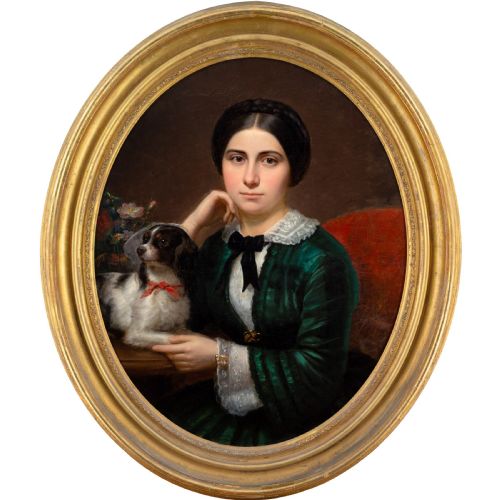
Many nineteenth-century paintings were commissioned as formal portraits of named pets, capturing the specific likeness and personality of an owner's companion. Sporting art similarly recorded prized gun dogs, terriers, and hounds associated with field sports and country estates.
Other examples served as general breed studies, illustrations for sporting magazines, or decorative motifs on household items. Commercial prints and advertising pieces from the twentieth century brought mass-produced canine imagery into broader domestic use.