

Framed Country House Artwork
Framed country house artwork brings together centuries of estate life, sporting scenes, and domestic interiors preserved within period mounts.
Framed Country House Artwork
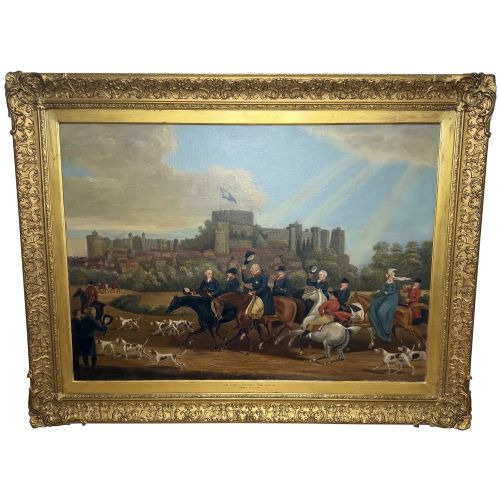
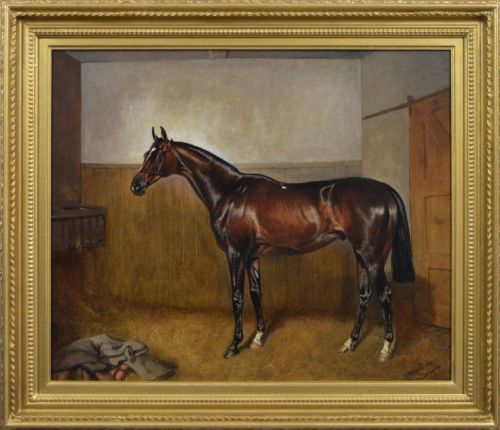
When you search for framed country house artwork, you encounter oil paintings, watercolours, prints, and lithographs depicting rural estates, sporting animals, and domestic interiors. These pieces capture the visual history of landed properties from the Georgian, Victorian, and Edwardian eras.
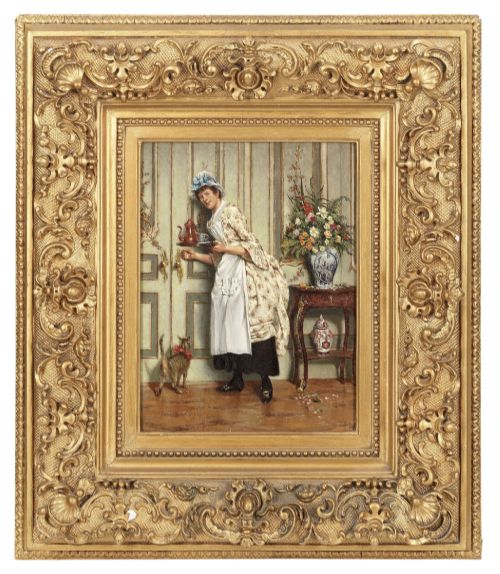
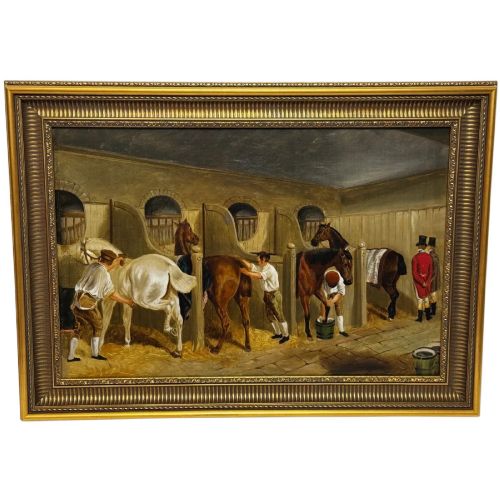
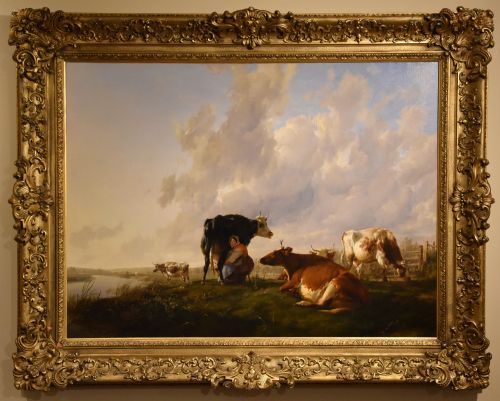
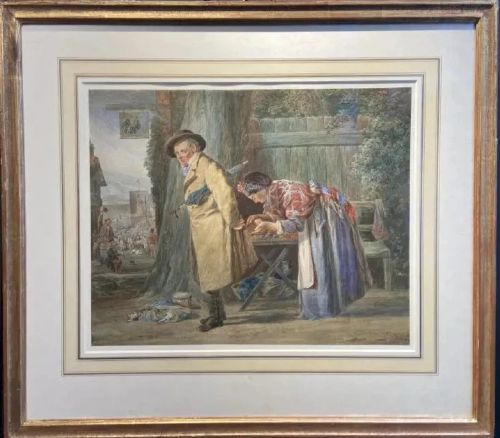
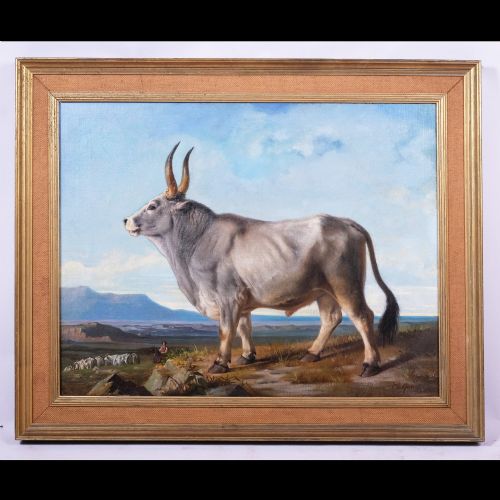
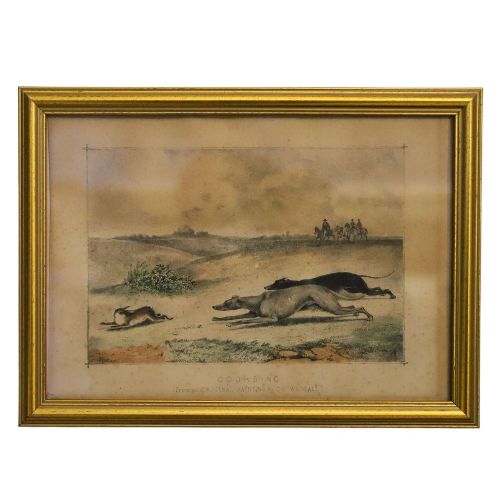
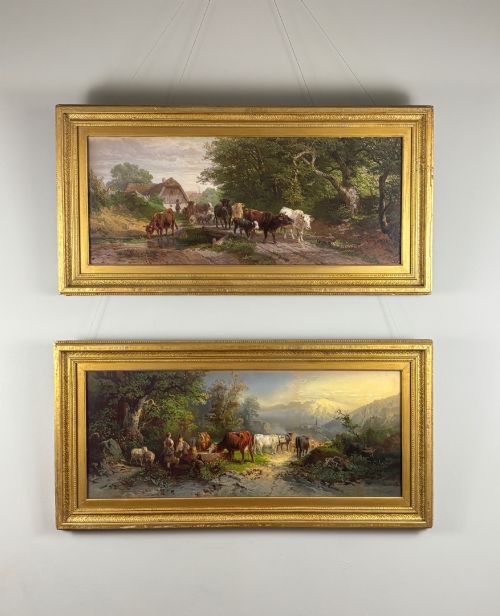
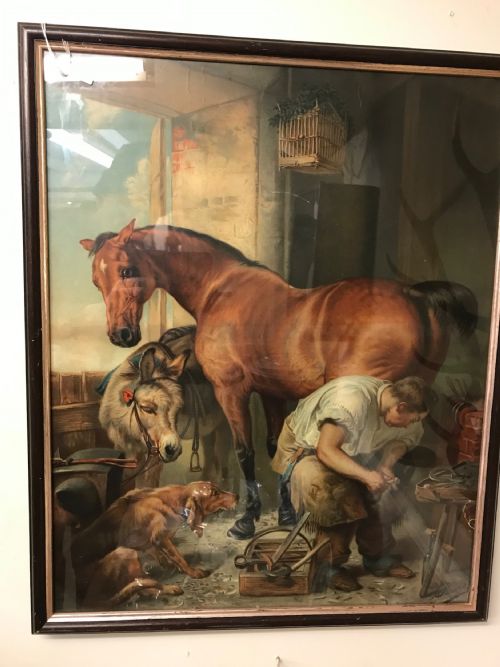
The most common version met on this page is the nineteenth century oil on canvas, often portraying horses, hounds, livestock, or quiet interior moments. Alongside these are framed prints and pastels recording the everyday pursuits and landscapes of the British countryside.
Materials and technique
The primary surfaces utilised across these works are canvas and paper, supporting oil paint, watercolour, gouache, or ink. Canvases are stretched over wooden frames, while works on paper employ glass fronts and period mounts to protect the delicate media.
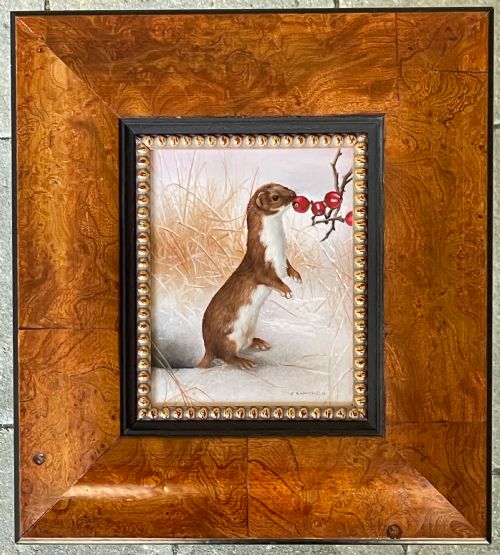
Framing relies predominantly on wood and giltwood, enclosing the artwork in decorative mouldings that reflect the aesthetic tastes of the Victorian and Edwardian periods. Techniques range from fluid brushwork in oil paintings to precise hand-coloured engravings and lithographs.
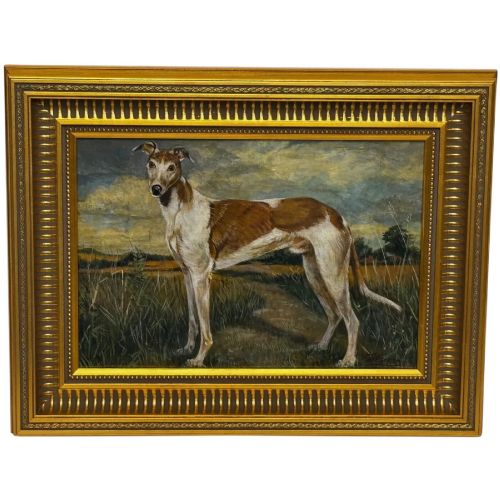
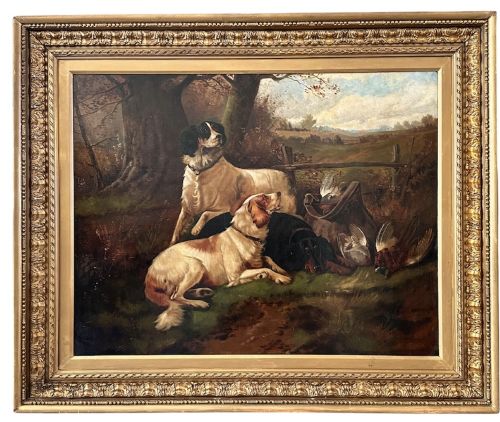
Several pieces feature watchful spaniels, lurchers, and hounds that appear ready to leap straight off the canvas.
Variations in quality
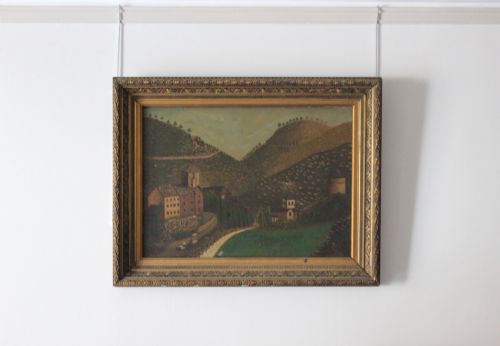
Quality in these works rests upon the precision of the draughtsmanship and the handling of light and texture by the artist. Masterful proportions in animal and human portraits separate accomplished pieces from simpler, more primitive vernacular efforts.
The preservation of the original canvas, paper, and giltwood frame dictates the integrity of the piece. Works that retain their untouched surface texture and period surrounds offer a truer representation of their original creation.
Stephen Samuel Lewin·Thomas Sidney Cooper·Joseph H Barnes·John Sargent Noble·Carl Whitfield·Johann Friedrich Voltz·John Alfred Wheeler·Edwin Henry Landseer·John Frederick Herring Snr·Claude Cardon·Joseph Knight·Robert Sayer·A M Gauci·Benjamin Blake·Edgar Woollatt·John Arthur Lomax·Charles Haigh Wood·John Frederick Herring Jnr·Samuel Raven·Jean-baptiste Joseph Pater·Eugene Verboeckhoven
The Framed Country House Artwork Glossary
- Giltwood
- Wood carved and coated with a thin layer of gold leaf or metallic gilt. This finish is commonly found on ornate period frames enclosing nineteenth century canvases.
- Lithograph
- A print made from a flat stone or metal plate on which an image is drawn with a greasy substance. This technique allowed for the mass production of detailed sporting and landscape scenes.
- Mezzotint
- A printmaking process where the copper plate is roughened to achieve rich tonal gradations and deep dark areas. It was frequently utilised for reproducing portraits and domestic subjects.
- Provincial
- A style or origin associated with the regions rather than metropolitan centres. These pieces often display charmingly direct interpretations of local subjects.
- Genre painting
- Artwork depicting scenes from everyday life, typically involving people in domestic or rural settings. These compositions provide insight into the social habits of past centuries.
Framed Country House Artwork: Frequently Asked Questions
What is country house artwork?
Country house artwork encompasses paintings, prints, and drawings that historically hung within British estates, depicting portraits, sporting scenes, and rural landscapes.
These pieces reflect the tastes and pastimes of the families who commissioned or collected them over generations.
How were these artworks framed?
Period artworks are typically housed in wooden frames finished with gilt leaf, plaster mouldings, or simple painted surfaces.
Original frames provide context and complement the aesthetic style of the era in which the artwork was created.
How do I date a painting?
Dating relies on stylistic clues within the subject matter, costume, framing techniques, and signatures or inscriptions left by the artist.
Comparing the materials of the canvas and stretcher bars to known period standards also assists in establishing an approximate age.
How do I care for oil paintings?
Oil paintings on canvas require stable indoor environments away from direct sunlight and extreme temperature fluctuations to prevent cracking.
Dusting should be performed gently with a soft, dry brush, avoiding liquid cleaners or harsh chemicals on the paint surface.