



Antique Display Plinth
An antique display plinth elevates a bust, vase or sculpture, bringing proportion and focus to any interior.
Antique Display Plinth
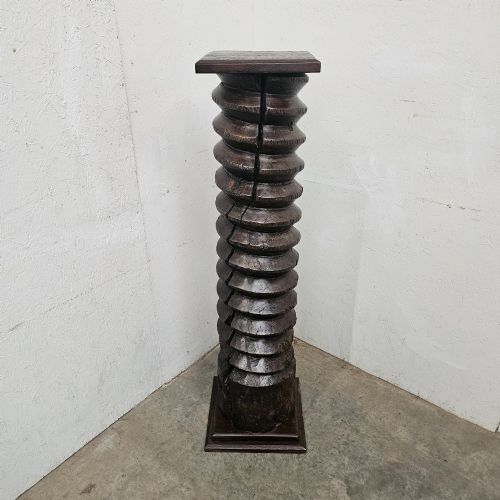
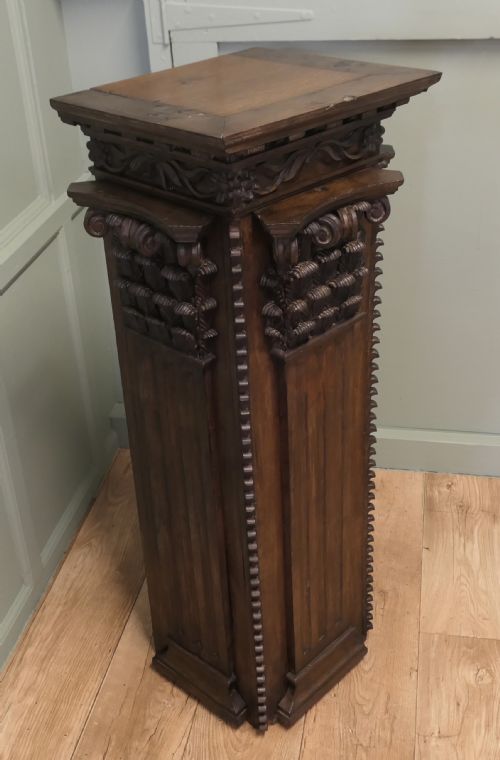
An antique display plinth takes the form of a column, pedestal or stand designed to elevate decorative objects within a room. The selection here spans the eighteenth, nineteenth and twentieth centuries, originating from British, French, Italian and Swedish workshops.
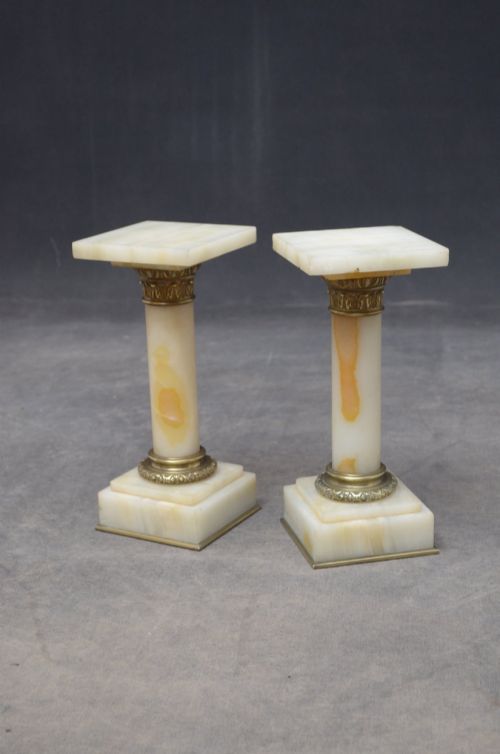
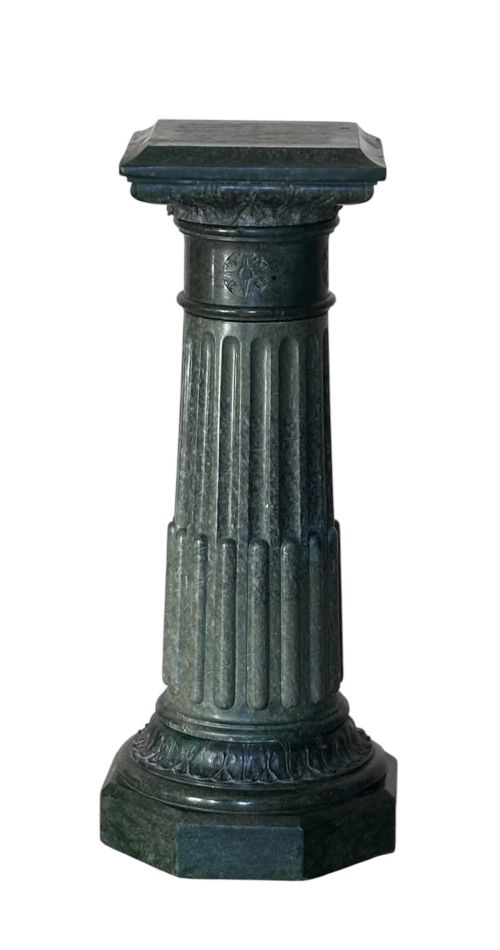
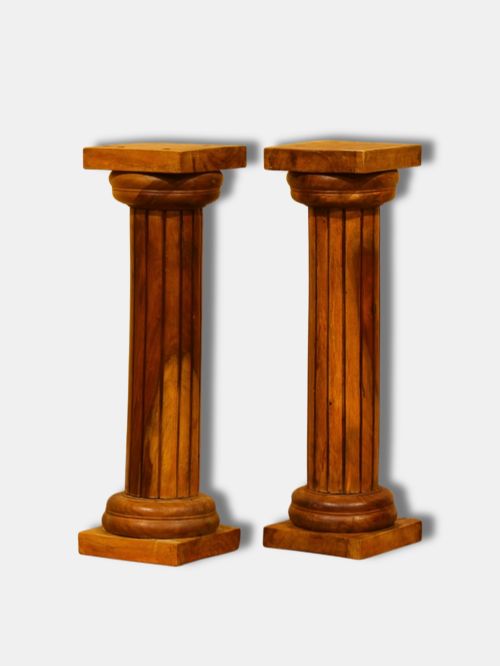
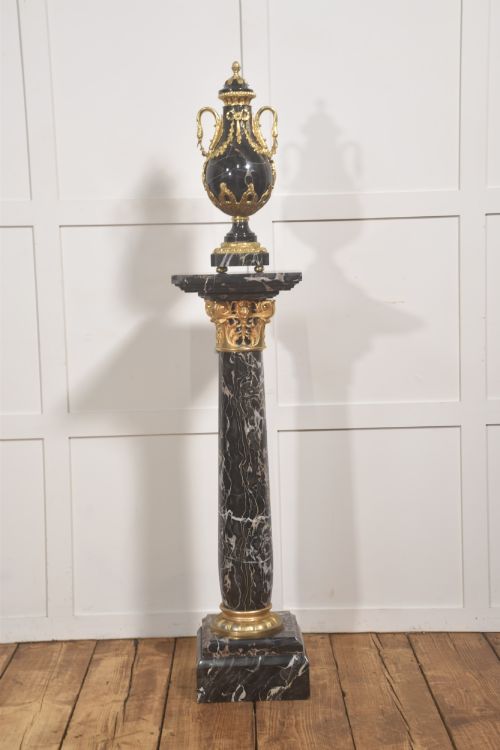
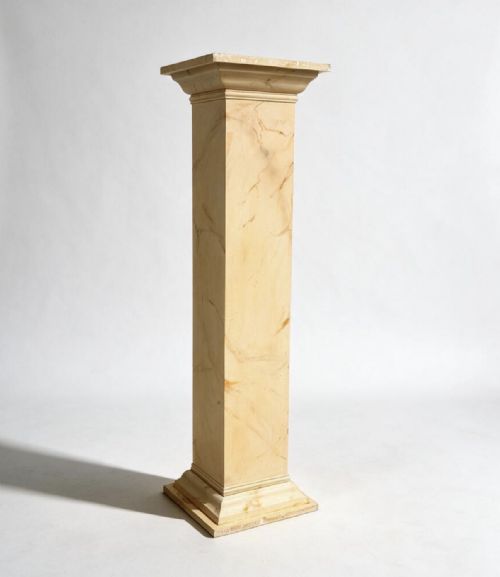
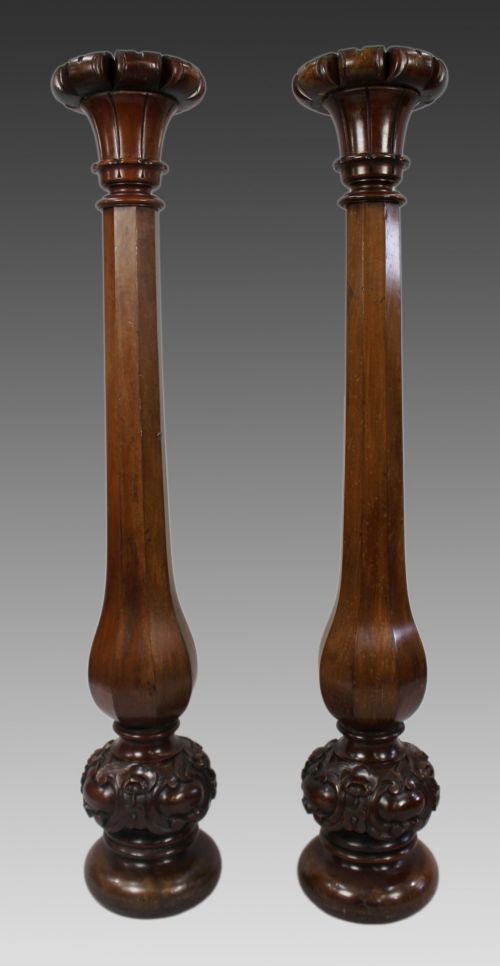
The most common examples met on this page are nineteenth-century marble and wooden columns, alongside Victorian garden pedestals and carved stands. Forms vary from simple turned wooden shafts to elaborate Neoclassical columns fitted with ormolu collars.
How they were made
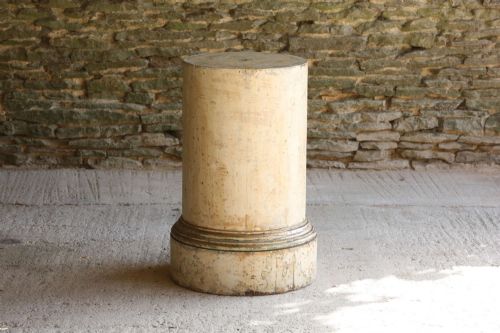
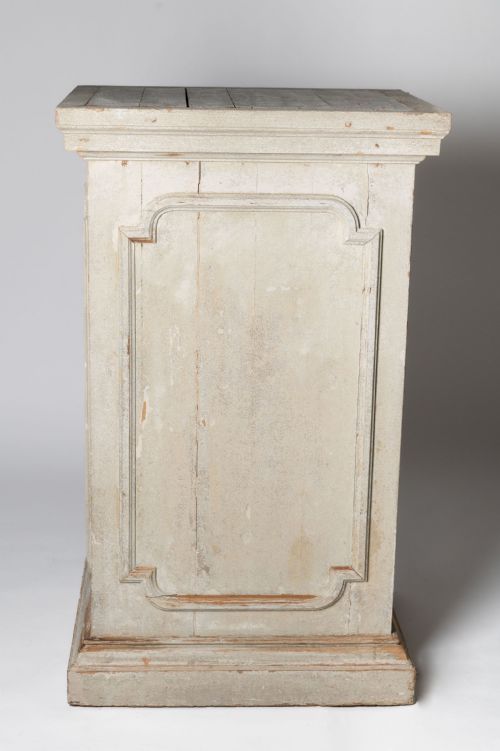
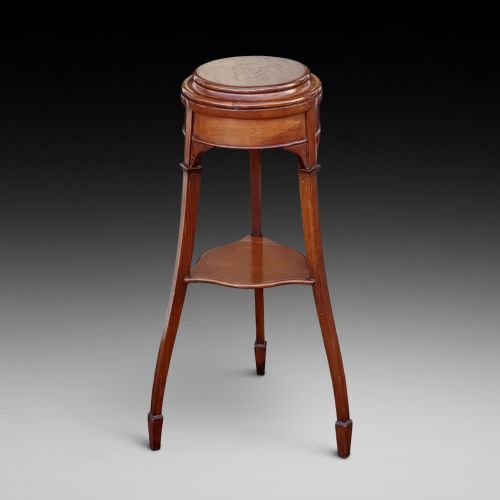
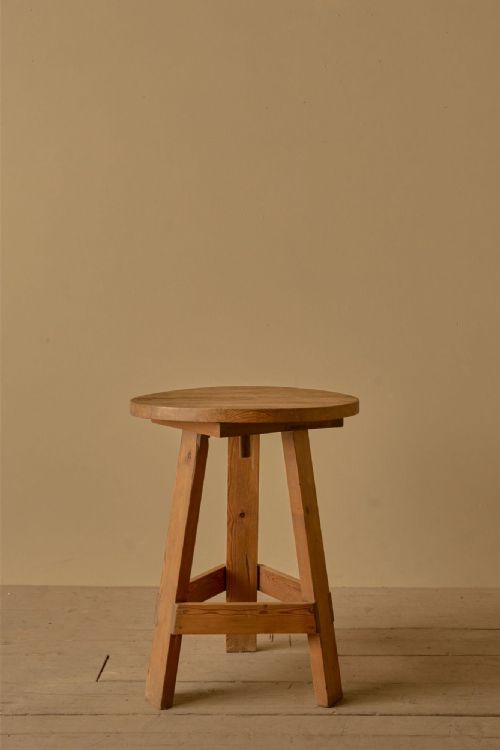
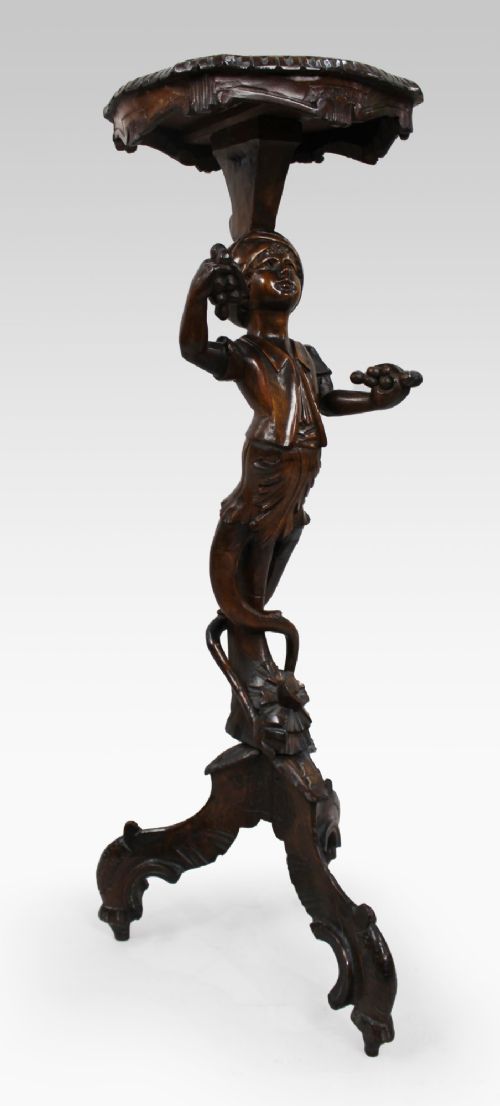
Cabinet makers utilised dense timbers such as mahogany, walnut, oak and satinwood, turning them on lathes or carving them by hand into spiral Solomonic or triform shapes. Paint and faux finishes were frequently applied to pine and other softwoods to imitate richer materials.
Stonemasons and artisans worked with solid marbles including onyx, bardiglio, carrara and verde antico, sometimes combining them with cast metals like brass and ormolu. Scagliola and composite stone also appear, allowing makers to create durable classical columns and garden plinths.
Antique Display Plinth Retail Price Guide 2026
Typical asking prices for display plinth among the pieces listed under this phrase on Sellingantiques today, from the lower quarter to the upper quarter. They describe what is for sale here now, not the wider market.
Listings feature marble, mahogany, onyx and pine across Victorian, Edwardian and eighteenth-century periods.
What varies in quality
The distinction between standard utility stands and superior examples lies in the selection of materials and the depth of manual carving. Finely figured marbles, crisp ormolu mounts and intricate figural or botanical carvings denote a higher tier of craftsmanship.
Structural integrity and the precision of the turning set finer pieces apart from mass-produced items. A well-balanced column with harmonious proportions and unblemished surfaces represents the upper echelon of period display furniture.
Dunfermline Clay Company·Gillow & Co.
The Antique Display Plinth Glossary
- Ormolu
- Gilded bronze mounts applied to furniture and decorative columns, originating in French workshops during the eighteenth and nineteenth centuries. These metal collars and bases add structural accent and decorative contrast.
- Solomonic
- A column shaft characterised by a helical twist, resembling a corkscrew. This ancient form gained popularity in seventeenth-century furniture and reappeared in later revival periods.
- Scagliola
- A composite material made from selenite, glue and pigments, mixed to imitate true marble and other fine stones. Artisans applied and polished this technique to create columns and decorative surfaces.
- Triform
- A base or pedestal supported by three sides or feet, providing a stable triangular footprint. This configuration frequently appears in classical revival designs.
- Neoclassical
- A style drawing inspiration from the classical art and architecture of ancient Greece and Rome. Pieces from this movement often feature strict symmetry, fluted columns and classical motifs.
Antique Display Plinth: Frequently Asked Questions
What is an antique display plinth used for?
These pieces function primarily to raise sculptures, busts, vases and urns to eye level within a room. By lifting an object off the floor, they create a distinct focal point and enhance the display of decorative arts.
Historically, they served in grand halls, drawing rooms and galleries to showcase prized collections. Today, they perform the same architectural role in domestic interiors.
How do I choose the right height?
Selecting the correct height depends entirely on the object placed upon it and the surrounding furniture. Taller columns suit smaller sculptures or urns, while lower stands accommodate heavier or larger busts.
Consider the sightlines of the room where the plinth will stand to ensure the final height feels balanced and natural.
How do I care for marble surfaces?
Marble requires gentle cleaning with a soft, damp cloth and mild, pH-neutral soap. Avoid acidic cleaners, abrasive pads and harsh chemicals that can etch or dull the polished stone finish.
Applying a specialised wax can help protect the surface of nineteenth-century marble columns from moisture and minor marks.
Can these columns support heavy weight?
Solid stone columns and dense hardwood pedestals possess substantial weight-bearing capacity due to their sturdy construction. Materials like solid mahogany, oak and genuine marble easily support heavy bronze figures or large stone urns.
Lighter painted pine or composite stands are better suited to medium or lightweight decorative objects.