


Antique Display Plate
When you search for an antique display plate, you are looking at ceramic and porcelain pieces made for ornament rather than service.
Antique Display Plate
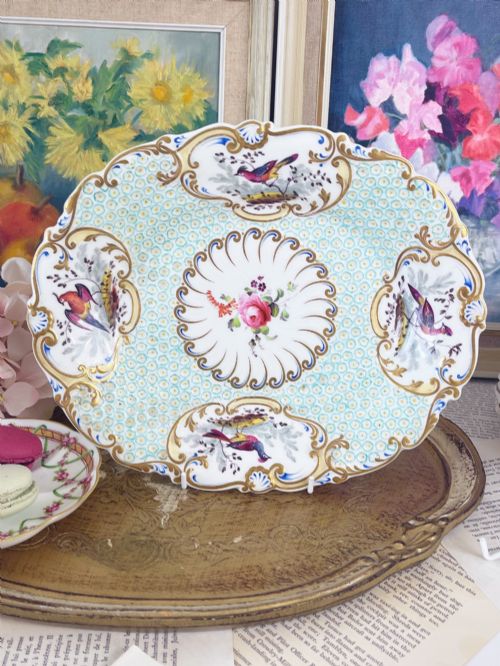
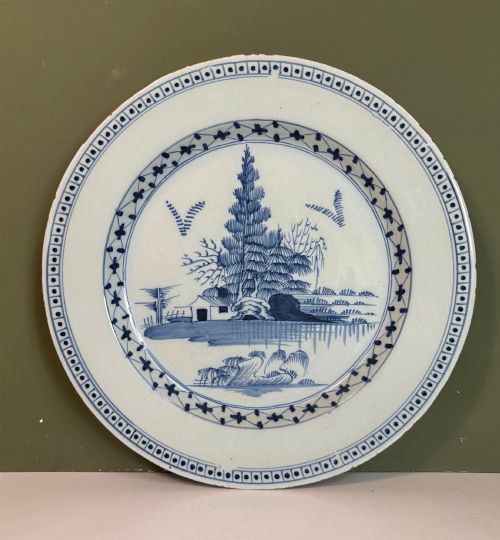
An antique display plate encompasses cabinet plates, decorative chargers, and large presentation platters intended for visual appreciation on walls, dressers, or plate racks. The pieces found here span from eighteenth-century delftware and porcelain to nineteenth-century bone china and earthenware.
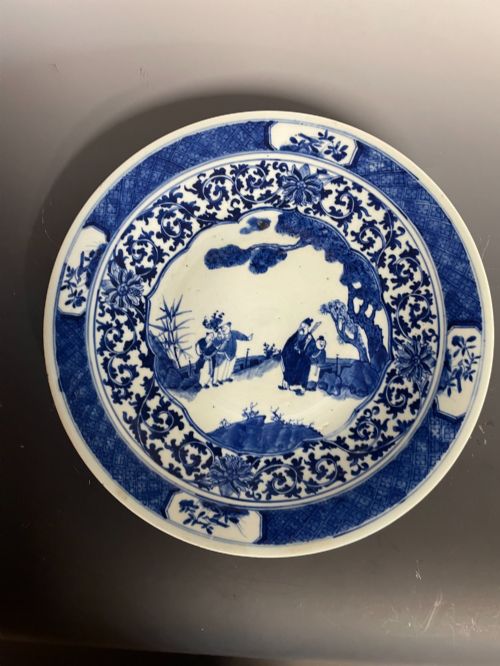
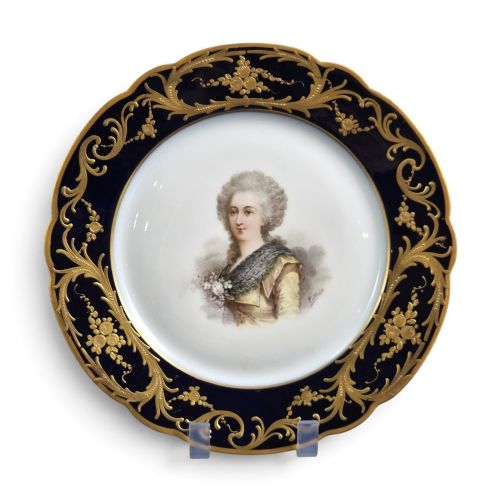
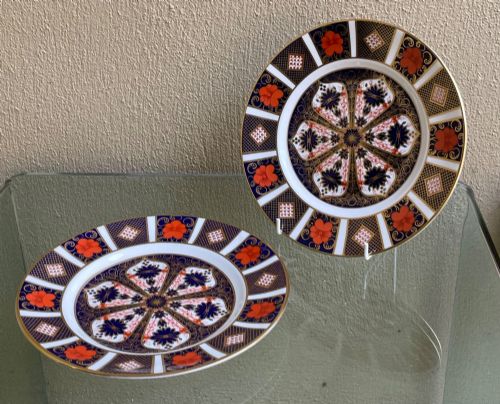
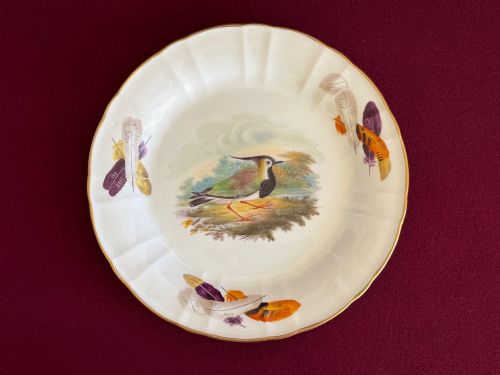
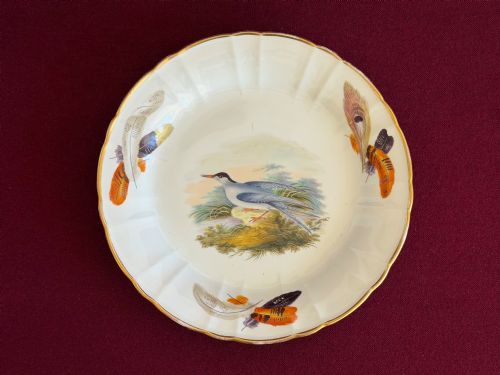
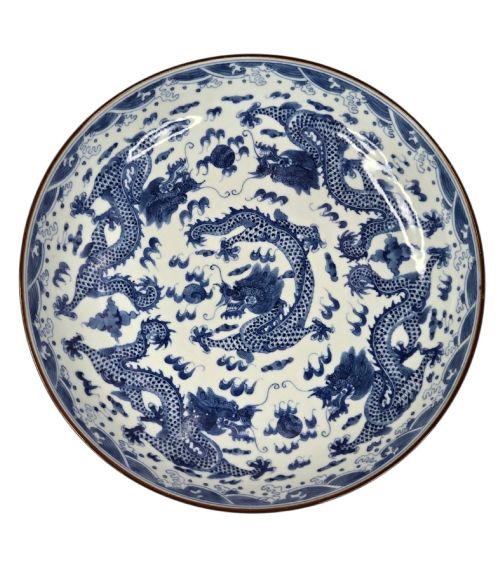
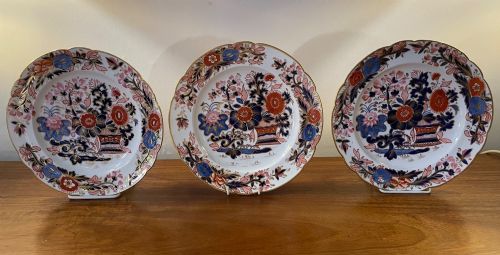
The selection frequently includes hand-painted porcelain from factories such as Royal Worcester and Royal Crown Derby, alongside larger Imari and blue and white chargers from Japanese and Chinese origins. These items often feature botanical studies, ornithological illustrations, or elaborate landscape scenes suited for formal display.
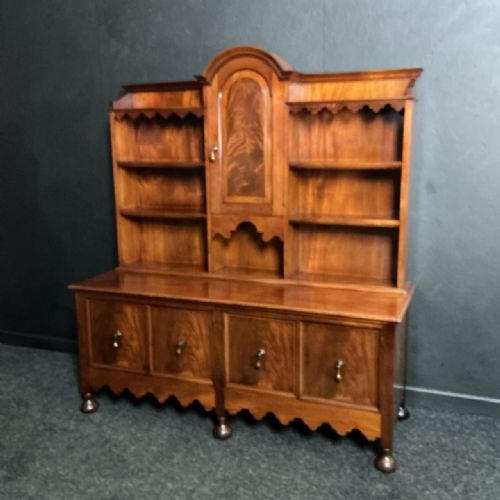
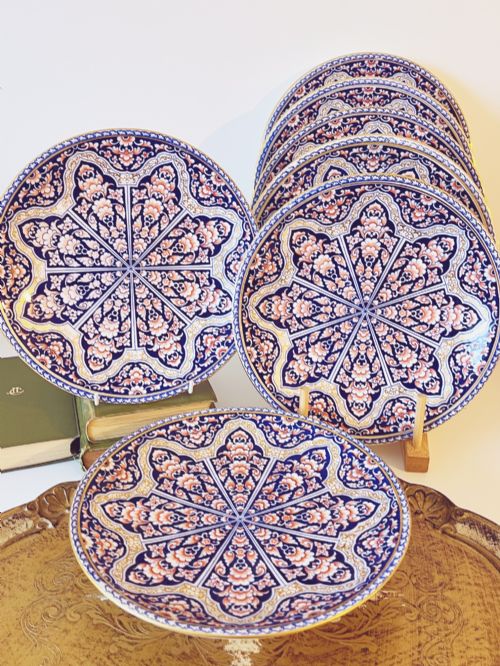
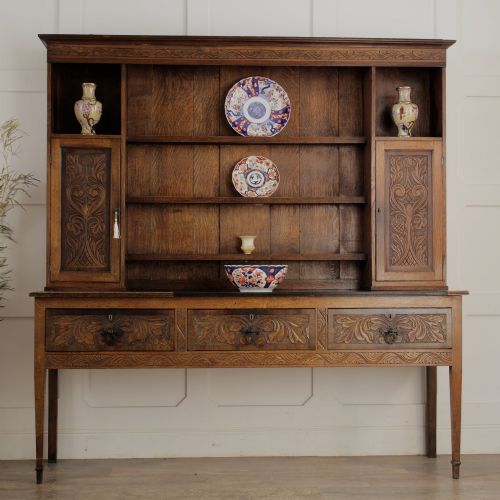
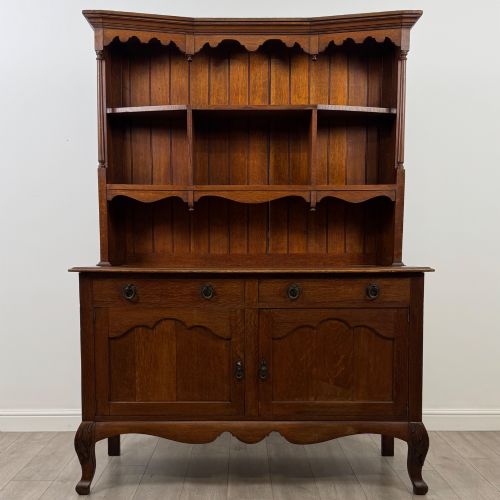
Alongside porcelain, the category embraces oak dressers and plate racks designed specifically to exhibit these ceramics in domestic interiors. Buyers encounter both individual cabinet plates and matched dessert services intended to fill display shelving.
How They Were Made
The construction relies heavily on hard-paste and soft-paste porcelain, bone china, and tin-glazed earthenware bodies shaped on wheels or pressed into moulds. Artisans applied hand-painted overglazes and underglaze cobalt blues, often incorporating gold leaf highlights to enhance the visual depth of the design.
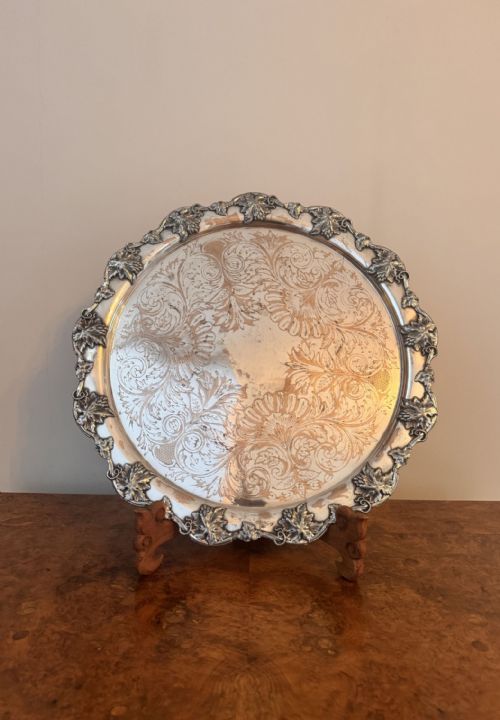
Metalwork alternatives utilise brass, silver plating, and repoussé techniques on copper or base metals to hammer out relief portraits and decorative motifs. Wooden display furniture associated with these plates employs traditional oak and mahogany joinery, featuring hand-carved details and inlaid woodwork.
Antique Display Plate Retail Price Guide 2026
Typical asking prices for display plate among the pieces listed under this phrase on Sellingantiques today, from the lower quarter to the upper quarter. They describe what is for sale here now, not the wider market.
Several eighteenth-century plates quietly depict two quail hiding among foliage, ensuring domestic fowl have watched over dining rooms for nearly three hundred years.
What Varies in Quality
The standard of painting determines much of the distinction between ordinary production and superior craftsmanship, visible in the precision of brushwork on botanical subjects, ornithological studies, and portrait miniatures. Factory provenance and documented artist signatures elevate certain cabinet plates significantly above unmarked domestic wares.
The preservation of the glaze and the crispness of moulded or repoussé detail indicate the level of care a piece has received over the centuries. Consistency within a matched dessert service or a pair of chargers also dictates the desirability for collectors seeking unified sets.
Royal Crown Derby·Royal Worcester·Wedgwood·Spode·Meissen·H and R Daniel
The Antique Display Plate Glossary
- Cabinet plate
- A decorative ceramic plate intended for display in a cabinet or on a wall rather than for dining use. These often feature elaborate hand-painted scenes and gilt borders.
- Charger
- A large ornamental plate used traditionally as a base for other courses or displayed upright on a sideboard. In antique contexts, these are frequently delftware or large Japanese Imari pieces.
- Imari
- A style of Japanese export porcelain decorated in underglaze blue, iron red, and gold. European factories frequently imitated these distinct palette designs during the eighteenth and nineteenth centuries.
- Repoussé
- A metalworking technique where the artisan hammers the design from the reverse side to form a raised relief on the front. This method appears frequently on Victorian metal chargers and trays.
- Delft
- Tin-glazed earthenware originating from the Netherlands and later produced in England, typically recognised by a white surface painted with blue designs.
Antique Display Plate: Frequently Asked Questions
How were display plates used historically?
Display plates were traditionally set upon sideboards, dressers, or hung on walls to demonstrate the wealth and refined taste of the household. Unlike everyday tableware, these pieces remained purely ornamental.
Wealthy interiors utilised specialised plate racks and velvet-lined cabinets to protect the delicate enamels and gold leaf from dust and handling.
Can I hang antique plates on the wall?
Hanging antique plates is common, but it requires proper hardware that distributes weight evenly without pinching or scratching the ceramic rim. Spring-loaded brass hangers should be adjusted carefully to avoid chipping the glaze.
For valuable cabinet plates with delicate hand-painted surfaces, enclosed wall cabinets or dedicated plate rails offer a safer alternative to direct wall mounting.
What is the difference between a plate and a charger?
Chargers are significantly larger than standard dining or cabinet plates, often measuring twelve inches or more in diameter. They were designed to command attention as central decorative elements on large pieces of furniture.
While standard plates fit easily into cabinet shelving, chargers typically require deeper plate stands, specialised wall brackets, or upright slots in Welsh dressers.
How do I identify porcelain periods?
Identifying the period involves examining the paste, glaze characteristics, and factory backstamps where present. Early pieces often show subtle potting imperfections and hand-mixed pigments unique to their era of production.
Stylistic cues, such as the palette choices in Imari wares or the subject matter of painted fruit, help narrow down whether a piece belongs to the Georgian, Victorian, or Edwardian eras.