
Antique Dish Cover
An antique dish cover protects food at the table while bringing refined metal, glass, or ceramic craftsmanship to the dining room.
Antique Dish Cover
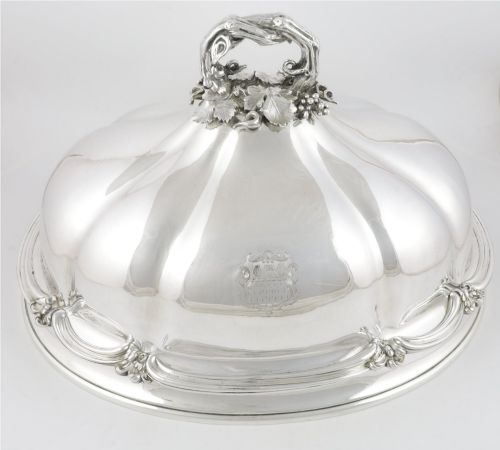
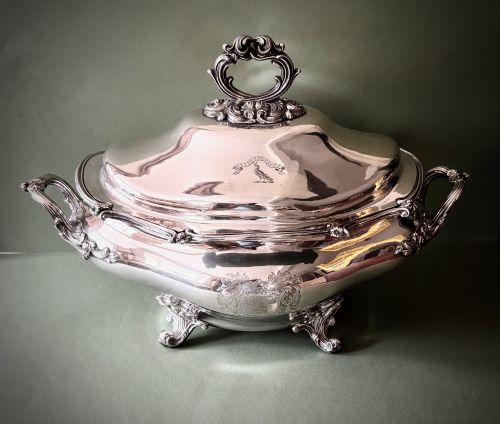
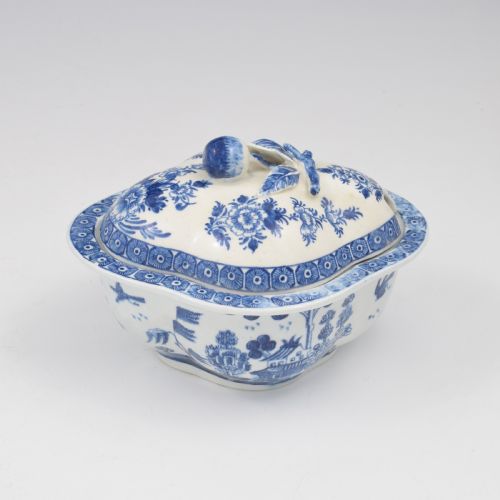
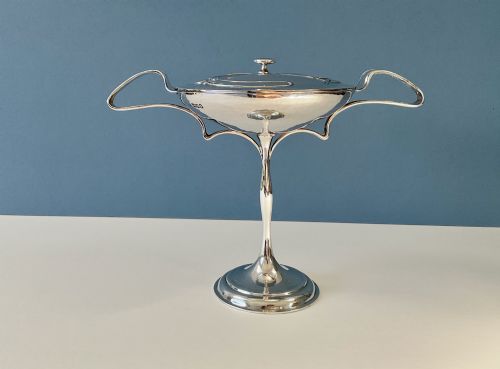
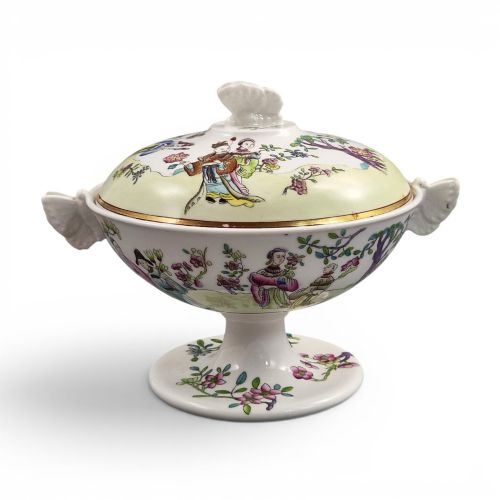
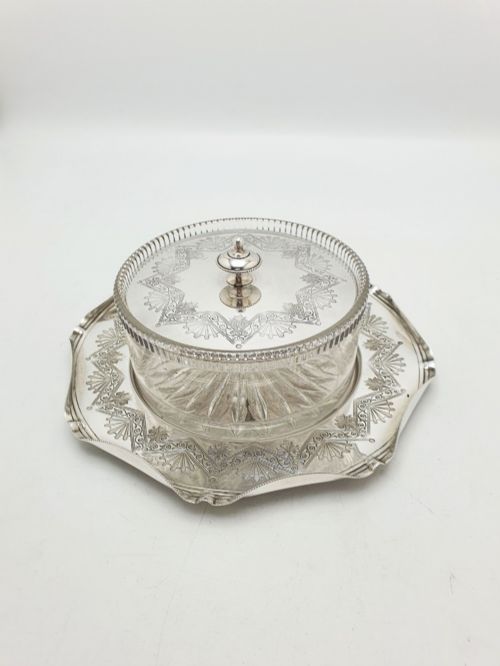
When searching for an antique dish cover, buyers encounter a diverse selection of domestic vessels spanning the Georgian, Victorian, and Edwardian eras. The most frequent forms include large meat domes in silver plate or Old Sheffield Plate, along with ceramic cheese domes, butter dishes, and vegetable tureens.
Originating primarily from English potteries, silversmiths, and glassworks, these pieces served practical dining functions in formal households. Stoneware ironstone, majolica, bone china, and sterling silver represent the core materials discovered in these historical listings.
Materials and Techniques
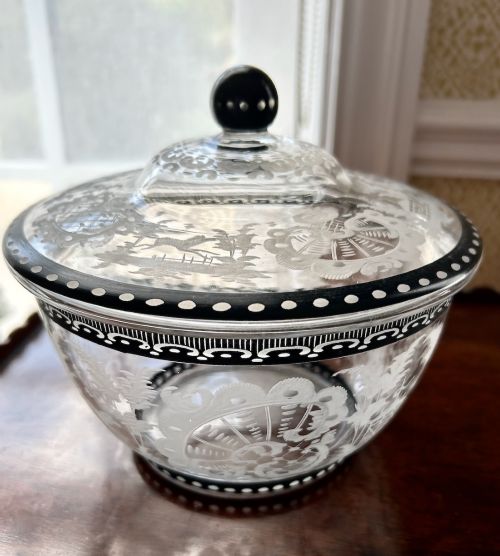
Metal covers rely on traditional silversmithing methods, fusing silver sheet to copper in Old Sheffield Plate or casting sterling silver into substantial forms. Glass covers utilise mould-blown and cut techniques, sometimes paired with engraved detailing.
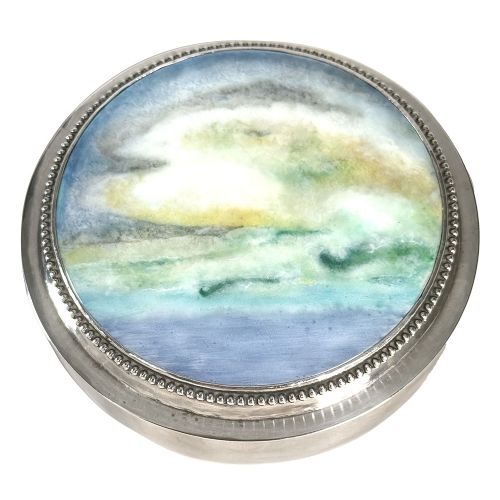
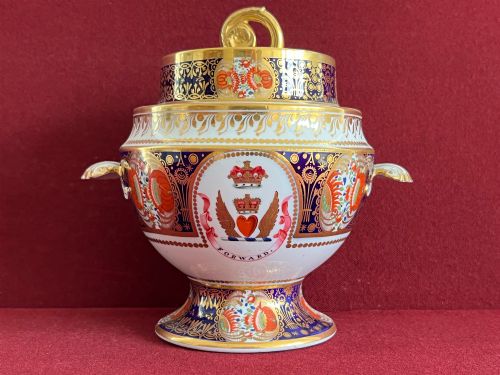
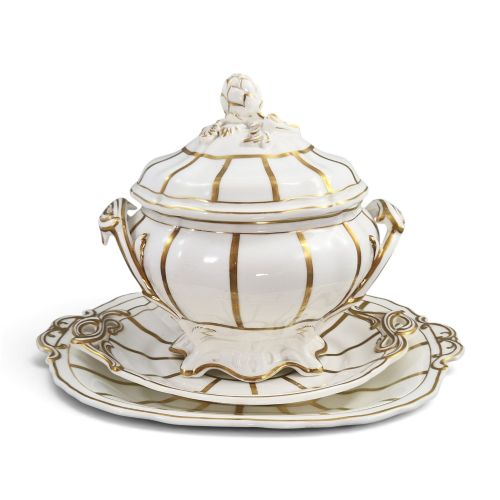
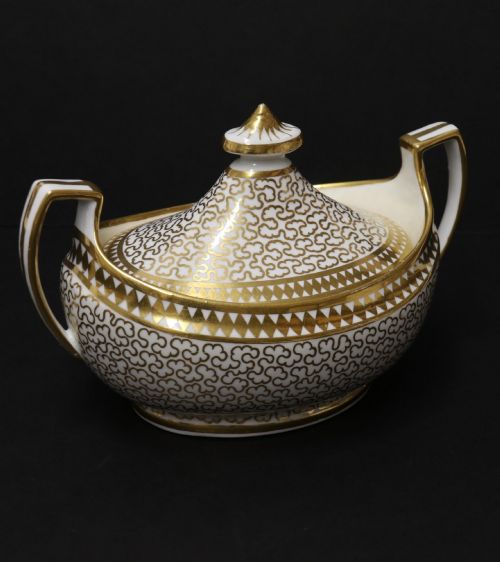
Ceramic pieces combine moulded earthenware, ironstone, or porcelain bodies with hand-applied transfer printing, majolica glaze, and polychrome enamel painting. Gold leaf and gilding frequently highlight handles, rims, and finials on finer porcelain iterations.
Listings feature 19th Century, Victorian, 1900, 1800, 1880, Georgian, 1890, and 18th Century periods across diverse serving vessels.
Evaluating Craftsmanship
Quality rests upon the crispness of moulded detail and the weight of the material, whether inspecting the substantial gauge of a silver meat dome or the delicate translucence of porcelain bodies. Superior pieces exhibit precise transfer printing, even glaze application, and well-balanced handles.
Artistic execution distinguishes exceptional examples from standard wares, particularly in hand-painted enamel decoration, elaborate majolica relief modelling, and fine hand-engraving on metal or glass surfaces.
Roberts Cadman·Davenport·Wedgwood·Derby·Spode·Limoges·Chamberlains Worcester·George Jones·James Wallace and Co·Desvres·Rouen·Coalport·Mason·Mintons·Dresden·Royal Crown Derby·William Bennett·Finley and Taylor·Atkin Brothers
The Antique Dish Cover Glossary
- Old Sheffield Plate
- A fused composite material made by melting a thin sheet of silver onto a thicker copper base before shaping. This technique was widely utilised for meat domes and tureens prior to electroplating.
- Ironstone
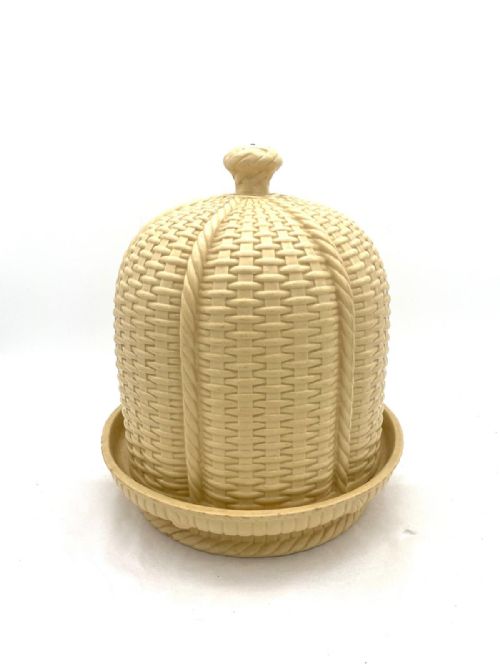
- A heavy, durable type of earthenware patented in the nineteenth century to withstand robust daily use. It forms the sturdy body of many large cheese domes and vegetable tureens.
- Majolica
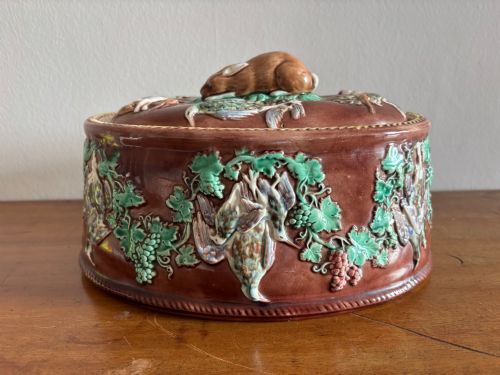
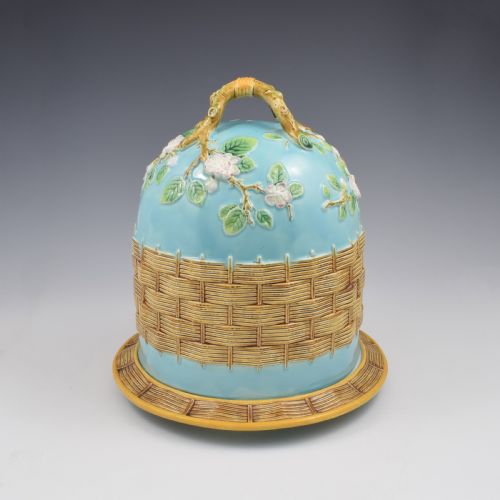
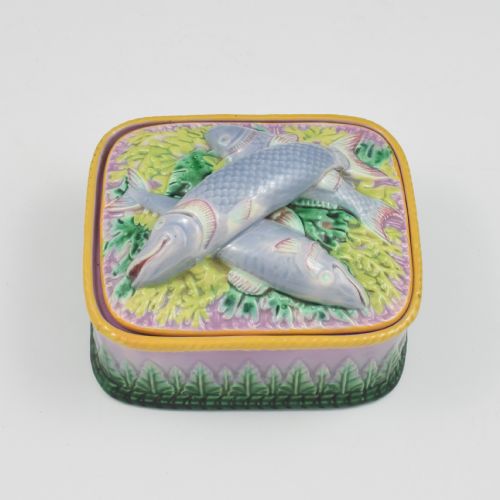
- A colourful, lead-glazed earthenware featuring rich relief decoration, popular during the Victorian period. It often imitates natural forms such as fruit, leaves, and animals.
- Sucrier
- A small covered vessel designed to hold granulated or lump sugar for tea service. These often match larger ceramic tea sets in porcelain or bone china.
- Pearlware
- A refined earthenware developed by Josiah Wedgwood featuring a faint bluish-white glaze that pooled in crevices. It served as a popular canvas for botanical and landscape transfer prints.
Antique Dish Cover: Frequently Asked Questions
How were ceramic cheese domes used?
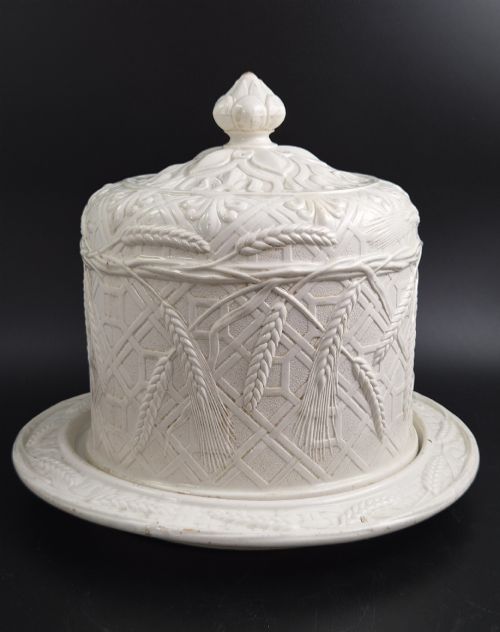
Ceramic cheese domes served to store and present hard cheeses on the Victorian dining table, protecting the dairy from drying out between meals. The fitted cover rested directly on a matching flat ceramic plate or stand.
Wealthy households kept these domes on sideboards or dining tables, often featuring decorative motifs like wheat, lattice, or majolica foliage. The heavy earthenware body helped regulate temperature and keep the cheese cool.
How do I identify Old Sheffield Plate?
Old Sheffield Plate reveals a subtle copper bleed along exposed edges or seams where the thin layer of silver has worn through from polishing over the centuries. This tactile characteristic stems from the fusion process used before electroplating was invented.
Pieces manufactured this way usually display substantial weight and crisp hand-engraved armorials or floral decoration. They lack the uniform bright silver appearance common on later electroplated wares.
Are these covers dishwasher safe?
Antique dish covers require hand washing in lukewarm water with mild soap to preserve their delicate glazes, enamel work, and metallic finishes. Dishwasher heat and harsh detergents can strip gilding and crack aged earthenware.
Silver and silver plate specimens benefit from specialised non-abrasive polishes applied sparingly. Ceramic examples should be dried immediately with a soft cloth to protect crazed or porous surfaces.