



Antique Dessert Plate Set
An antique dessert plate set brings together matching porcelain, earthenware, or silver-plated serveware for the final course of a formal meal.
Antique Dessert Plate Set
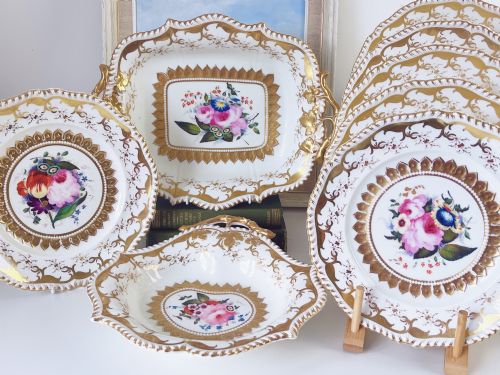
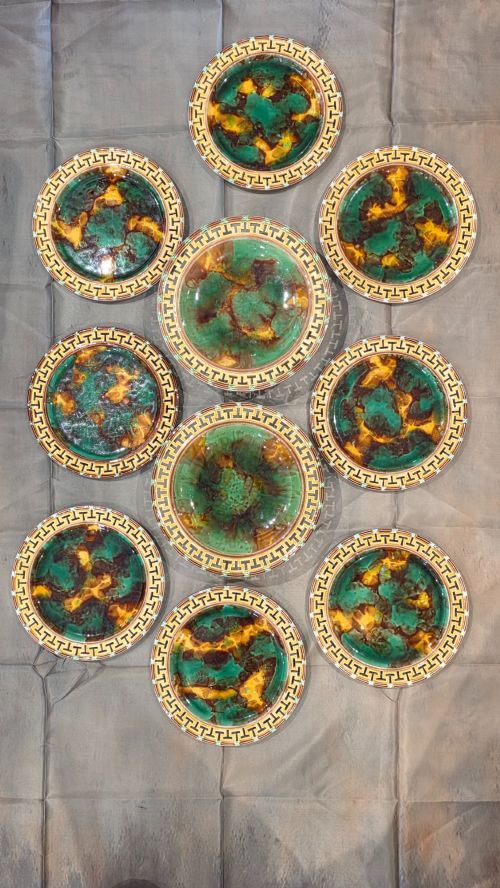
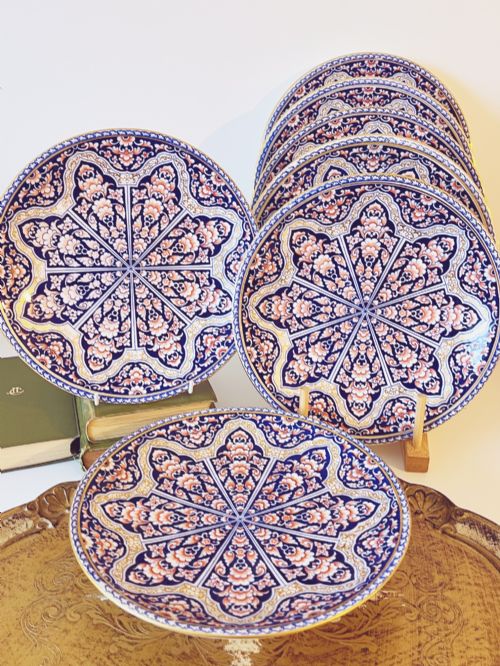
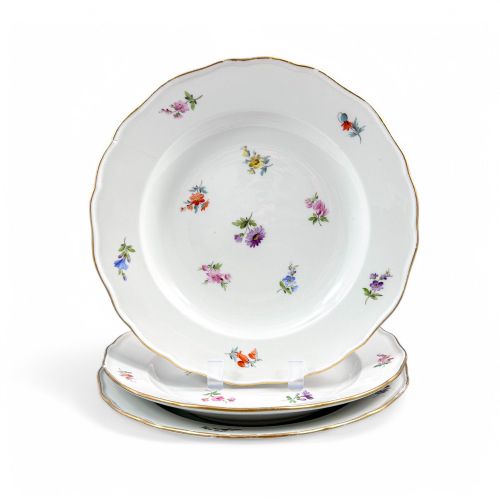
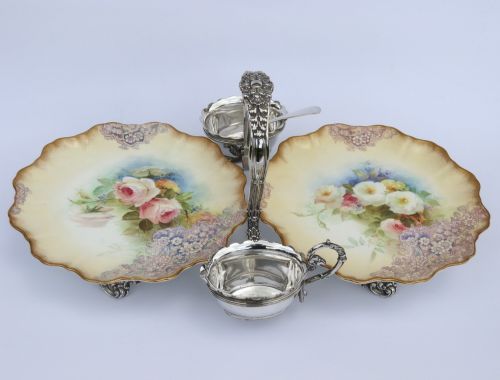
An antique dessert plate set comprises matched ceramic plates accompanied by specialised cutlery, comports, or serving dishes designed for the end of a meal. You will frequently encounter nineteenth-century porcelain and earthenware services spanning the Regency, Victorian, and Edwardian periods.
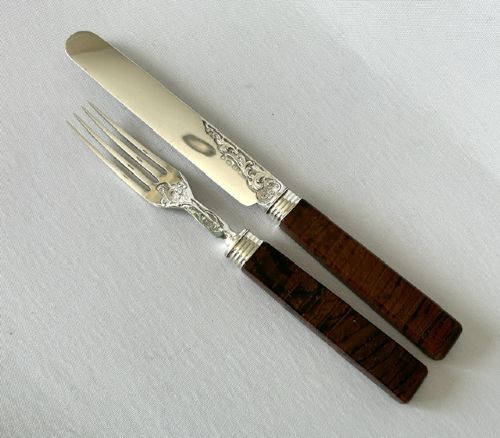
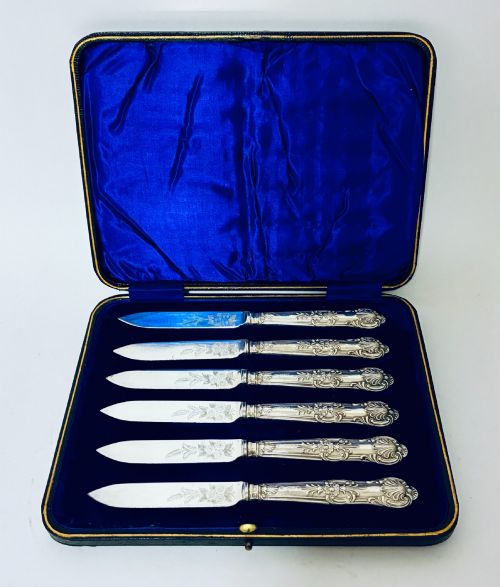
The groupings range from small plate trios and porcelain dishes to comprehensive sets complete with knives, forks, and fruit servers housed in fitted boxes.
How they were made
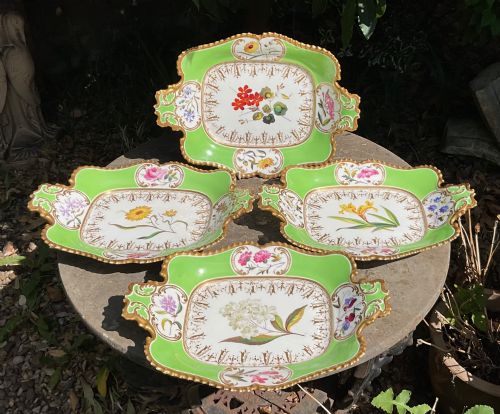
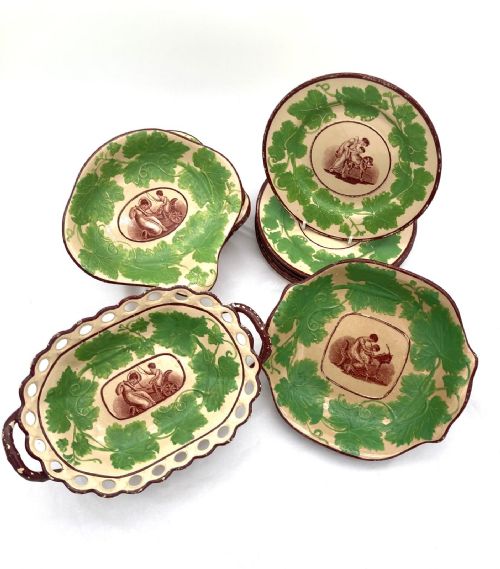
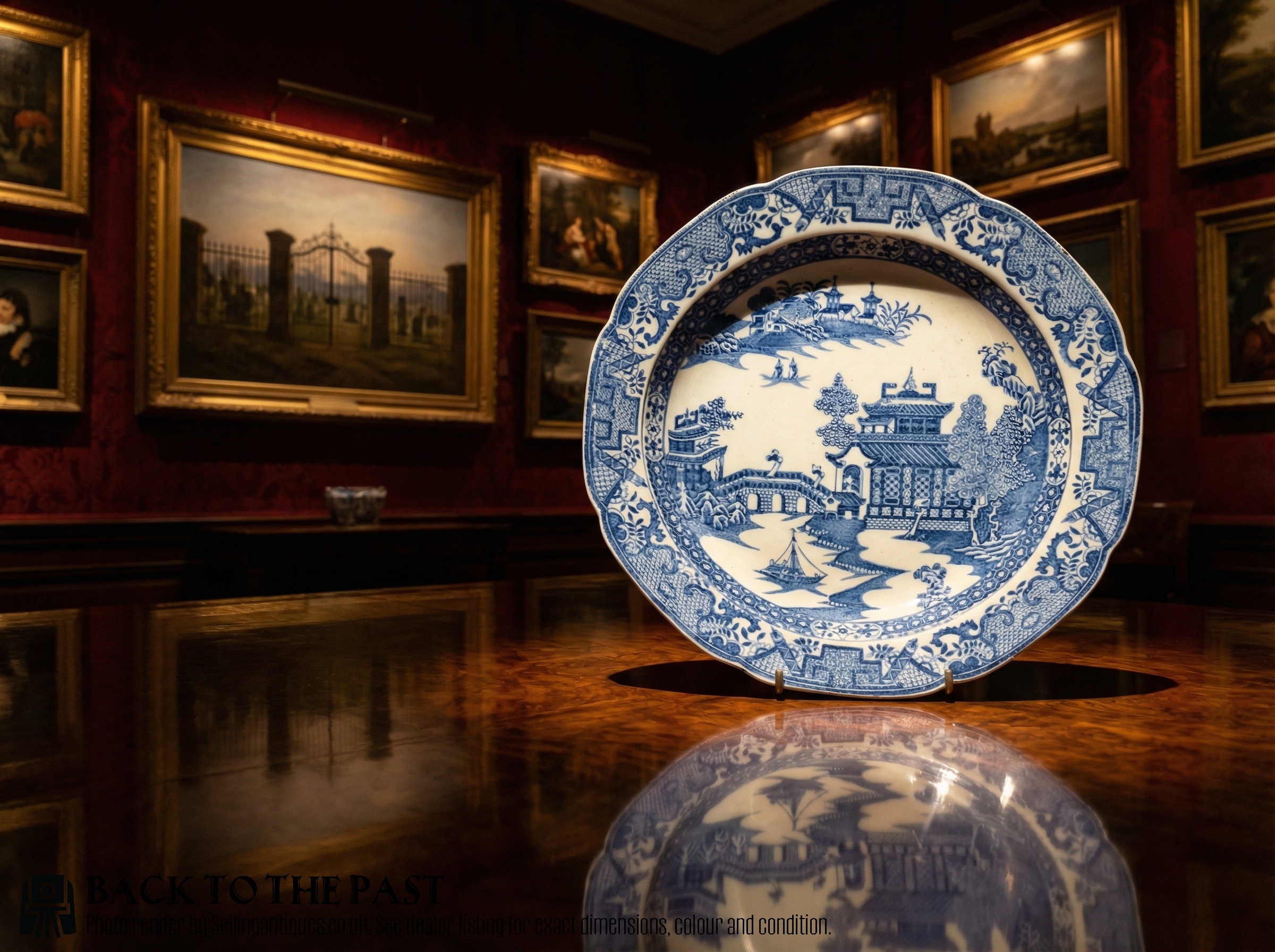
Potters shaped these services from porcelain, earthenware, soft paste porcelain, and stone china, applying glazes, enamel colours, and gold leaf by hand. Many examples feature handpainted floral decorations, transfer printing, or moulded borders.
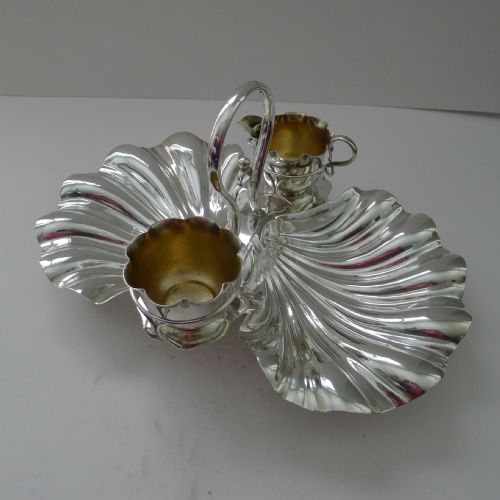
Metal components utilise silver, silver plate, and mother-of-pearl handles, often paired with crystal glass, velvet linings, and oak storage canteens.
Several sets include dedicated velvet-lined oak boxes to keep your nineteenth-century grape scissors safely tucked away.
What varies in quality
The standard of an antique dessert plate set rests on the fineness of the ceramic body and the execution of the handpainted or gilded decoration. Sets that retain their original fitted boxes, matched serving pieces, and complete plate counts display greater cohesion and provenance.
Grainger Lee And Co·Wedgwood·Royal Crown Derby·Chamberlains Worcester·Daniel Arter·Walker And Hall·Doulton Burslem·John Ridgway·Spode·Chantilly·Carrington·Sevres·Kerr And Binns·Roberts And Belk·Jean Pierre Feuillet
The Antique Dessert Plate Set Glossary
- Comport
- A raised dish or pedestal bowl used for presenting fruit or sweetmeats as part of a table service. It usually stands at the centre of the arrangement.
- Drabware
- A stoneware body produced in muted greyish-brown or olive tones, popular during the nineteenth century. Wedgwood manufactured notable examples of this utilitarian yet refined ware.
- Ozier
- A moulded basketweave pattern applied to the borders of ceramic plates, mimicking wickerwork. Potters utilised this technique extensively on eighteenth and nineteenth-century porcelain.
- Soft paste porcelain
- An artificial porcelain paste fired at lower temperatures than hard paste, resulting in a warm glaze and slightly softer body. Early European factories favoured this material for decorative dessert wares.
- Streublumen
- A scattered floral motif painted across the surface of porcelain plates, originating in eighteenth-century European manufactories. Individual flower sprigs are arranged informally across the white ground.
Antique Dessert Plate Set: Frequently Asked Questions
What is included in an antique dessert service?
These sets typically combine multiple plates with matching comports, porcelain dishes, or specialised cutlery such as fruit knives and forks.
Larger services incorporate serving spoons, nutcrackers, and grape scissors housed within fitted wooden canteens.
How were dessert sets used historically?
Hosts brought out these services at the conclusion of the main meal for the final course of fruit, sweetmeats, and confections.
The plates and serving implements were arranged across the dining table to present the food before guests partook.
How do I care for antique ceramic plates?
Wash porcelain and earthenware pieces gently by hand using lukewarm water and mild soap, avoiding abrasive sponges that harm enamel and gold leaf.
Store stacked plates with felt dividers between them to protect the glazed surfaces from scratching.
How can I tell different periods apart?
Regency and early nineteenth-century services often display handpainted botanical motifs and rich gilding on earthenware or soft paste bodies.
Later Victorian and Edwardian examples frequently introduce silver-plated cutlery with mother-of-pearl handles and structured storage boxes.