


Underglaze Blue Transferware
Underglaze blue transferware brings together crisp pictorial designs and durable ceramic bodies for everyday service and display.
Underglaze Blue Transferware
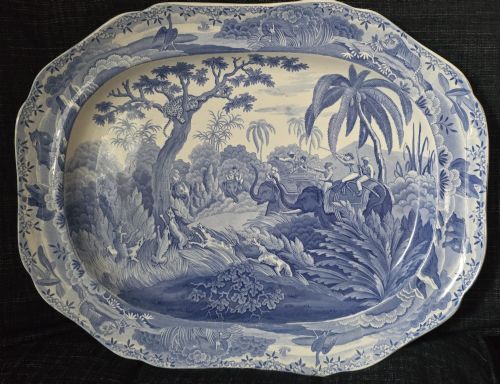
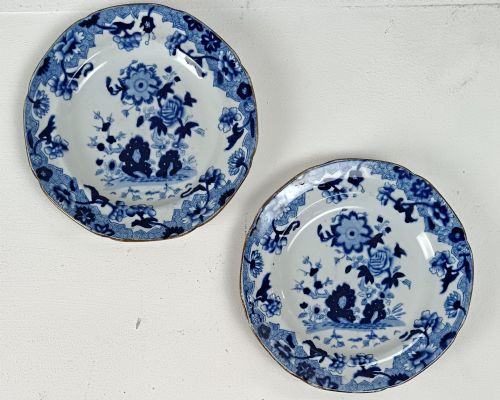
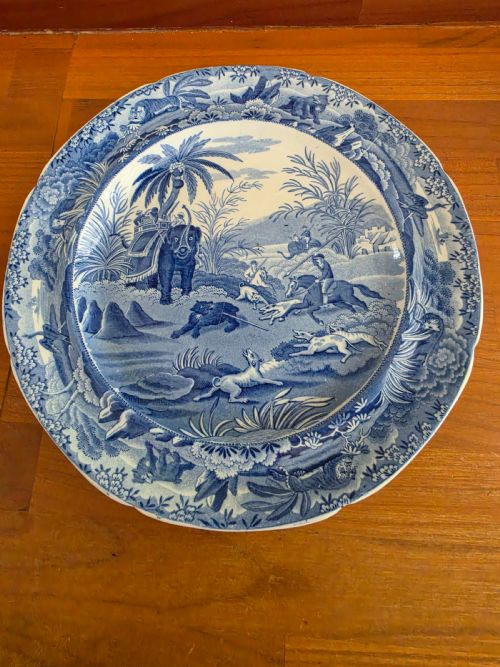
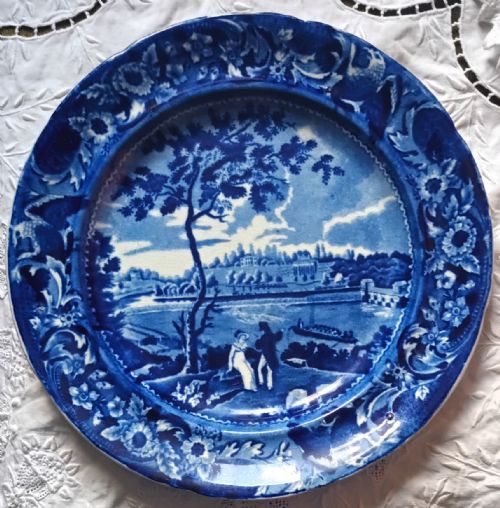
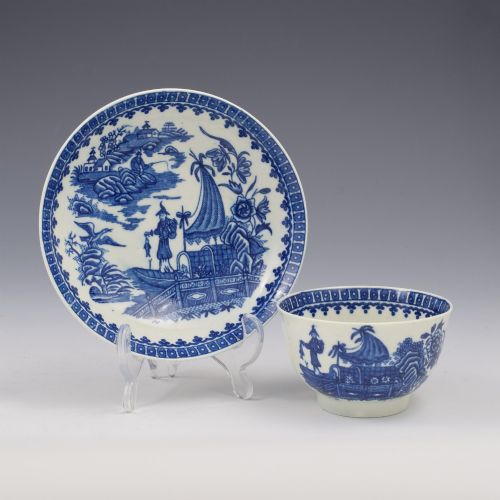
Underglaze blue transferware encompasses domestic ceramics decorated by applying printed designs beneath a clear protective finish. Collectors seek these items for their intricate blue motifs and historical narratives recorded across plates, platters, dishes, and tea wares.
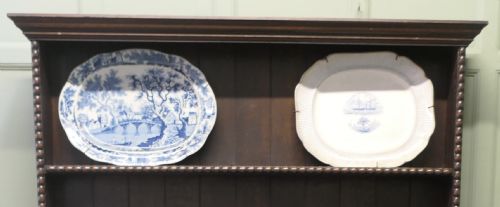
The selection here spans the eighteenth and nineteenth centuries, including Georgian and Victorian examples. Common forms comprise serving platters, decorative plates, meat dishes, and tea plates produced by prominent English potteries.
How they were made
Potters produced these objects using earthenware, pearlware, ceramic, and porcelain bodies shaped into platters, plates, and tea wares. Artisans then transferred engraved copperplate designs onto tissue paper before applying the pigment directly to the unglazed ceramic body.
A transparent glaze was applied over the dried blue transfer print prior to high-temperature firing. This process locked the cobalt pigment beneath the glossy surface, protecting the intricate pictorial scenes from wear during daily use.
Listings feature earthenware, pearlware, and porcelain bodies decorated with underglaze blue transfer printing across Georgian and Victorian periods.
What varies in quality
Quality rests upon the clarity of the transferred impression and the crispness of the cobalt blue pigment against the ceramic or pearlware body. Finer examples display sharp lines without blurring or smudging from the copperplate transfer.
The refinement of the clay body and the evenness of the glaze further distinguish standard production items from exceptional archival pieces. Superior forms also exhibit well-balanced proportions and harmonious execution of complex pictorial scenes.
Spode·Stubbs·Caughley·Copeland and Garrett·John Davenport·John Rogers and Son·Elkin Knight and Bridgwood
The Underglaze Blue Transferware Glossary
- Underglaze
- A decoration technique where pigment is applied to the ceramic body before the application of a clear glaze and final firing. This protects the design from surface wear.
- Transferware
- Pottery decorated by pulling an engraved copperplate print onto tissue paper and pressing it onto the ceramic body. It allowed complex pictorial scenes to be produced efficiently.
- Pearlware
- A refined earthenware developed in the late eighteenth century featuring a subtle bluish glaze that pooled in recesses to mimic Chinese porcelain. It forms the base of many early blue transfer items.
- Comport
- A raised serving dish or pedestal bowl used for fruit or sweetmeats during formal dining. These pieces frequently appear in nineteenth-century ceramic services.
- Tureen
- A deep covered serving vessel designed for soups or sauces at the dining table. They are often found matched with large platters or stands.
Underglaze Blue Transferware: Frequently Asked Questions
What is underglaze blue transferware?
Underglaze blue transferware is pottery decorated with cobalt blue designs printed from engraved copperplates onto the ceramic body before glazing. The protective glaze is fired over the pigment to create a permanent, glossy finish.
This technique allowed potteries to reproduce intricate topographical scenes, pastoral views, and oriental patterns with remarkable consistency across plates, platters, and tea wares.
How do I care for antique transferware?
Antique transferware should be washed gently by hand in lukewarm water using mild detergent and soft cloths. Avoid dishwashers, abrasive sponges, and harsh cleaning solutions that can dull the historic glaze.
Store or display plates securely on padded hangers or stable plate stands to protect the edges of these eighteenth and nineteenth-century ceramic bodies from chipping.
How do I date these ceramic pieces?
Dating relies on identifying the ceramic body, such as early pearlware versus later nineteenth-century earthenware, alongside maker marks and backstamps. Stylistic clues like Georgian chinoiserie or Victorian floral borders also help narrow the production window.
Examining the depth of the cobalt blue colour and the characteristics of the glaze provides further evidence regarding the manufacturing period.
Were these pieces used for dining?
Many of these items served practical functions at the table, including large meat platters with gravy wells, soup tureens, and everyday dining plates. Others, such as spoon trays and tea plates, were made for tea service and domestic hospitality.
Larger chargers and decorative plates were frequently used for both presentation and dining depending on the formality of the household.