

Antique Desk with Mirror
An antique desk with mirror combines writing space and reflective glass, drawing from Victorian, Edwardian and 18th-century cabinetmaking traditions.
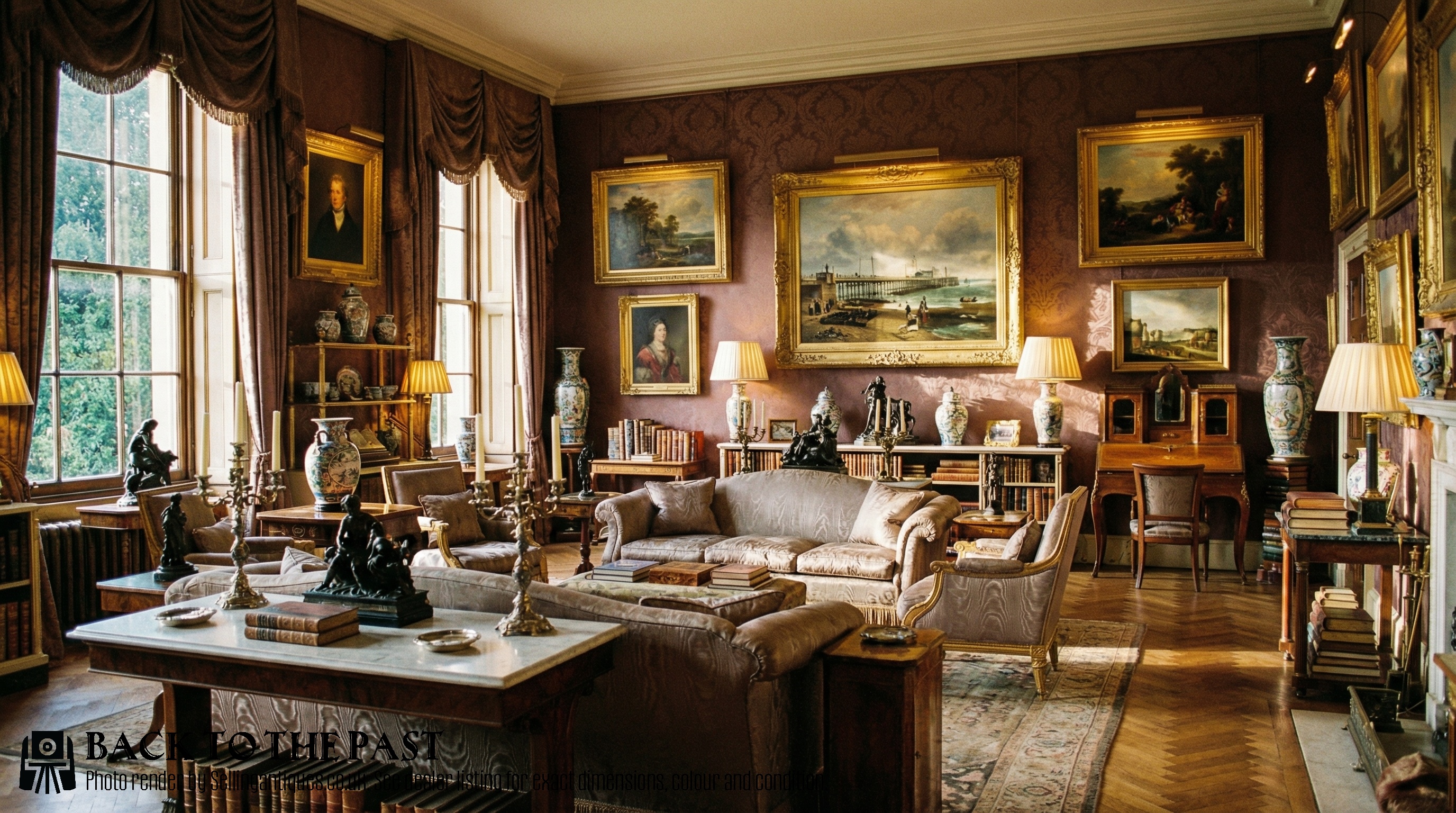
Antique Desk with Mirror
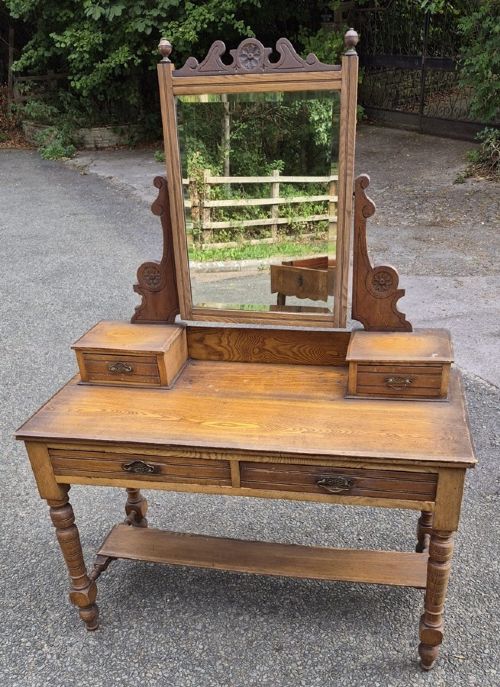
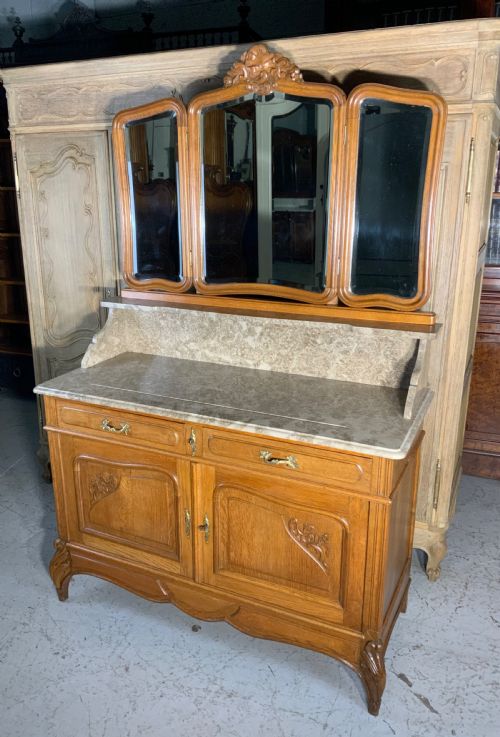
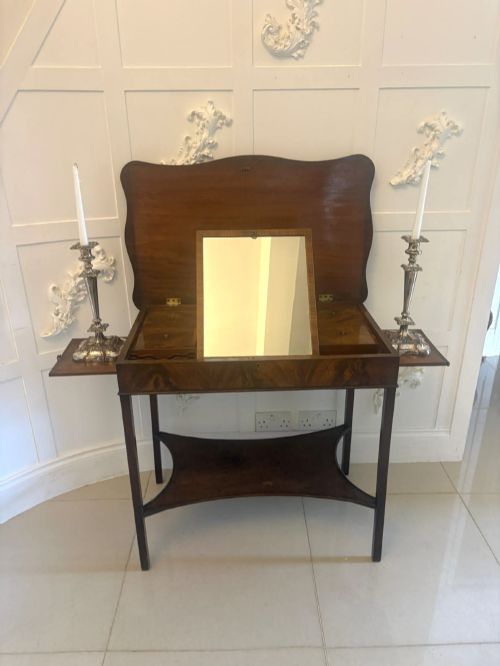
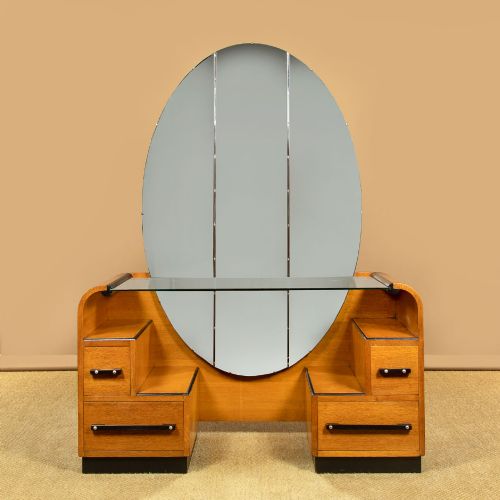
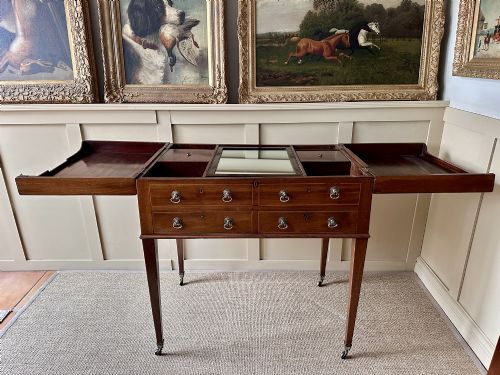
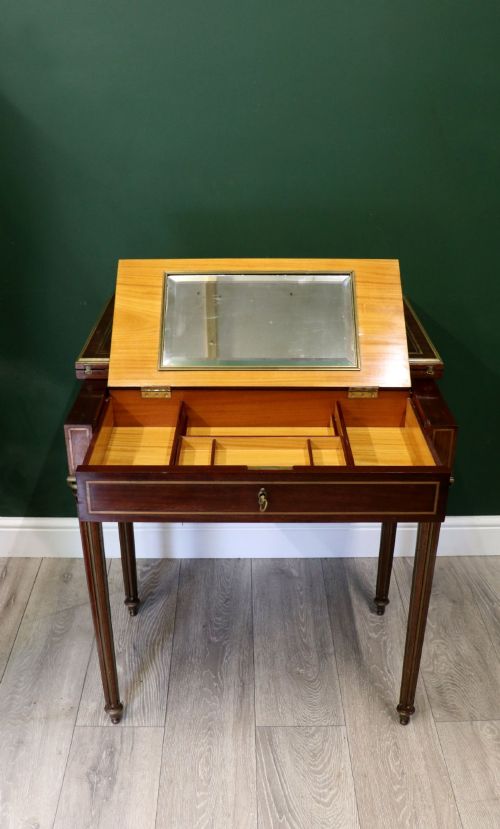
An antique desk with mirror encompasses dressing tables, bureau bookcases, and writing tables fitted with glass plates. These pieces emerge across the 18th century, Victorian, Edwardian, and Art Deco periods, shifting in form from monumental bureau bookcases to compact satinwood writing desks.
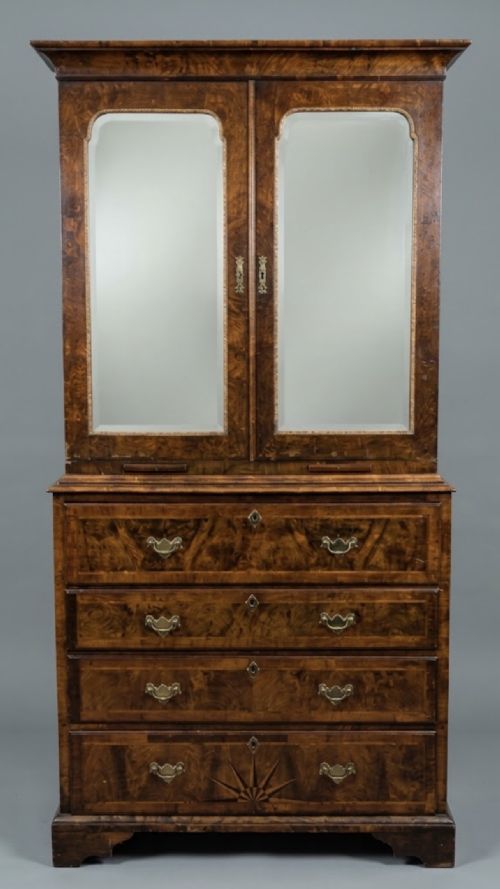
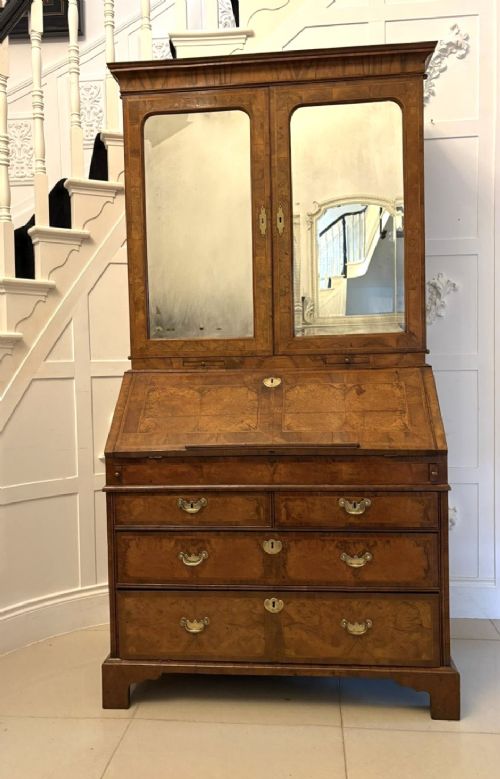
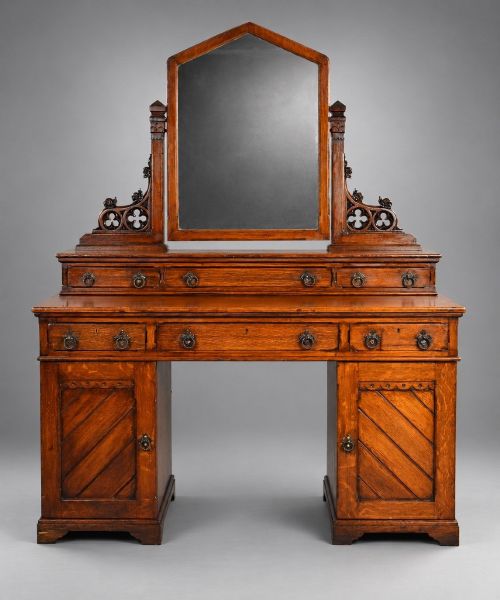
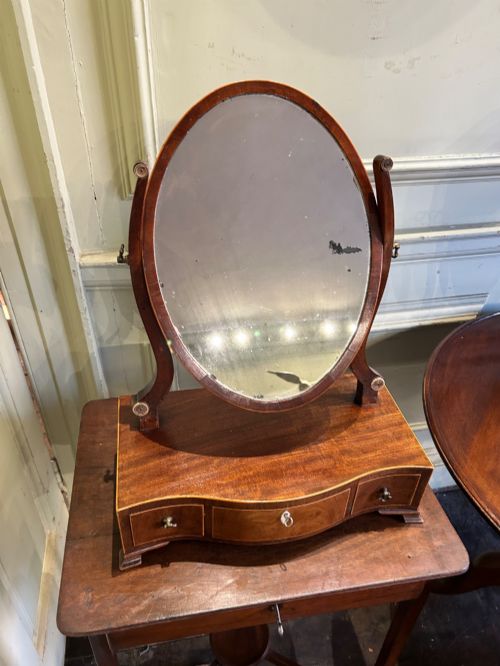
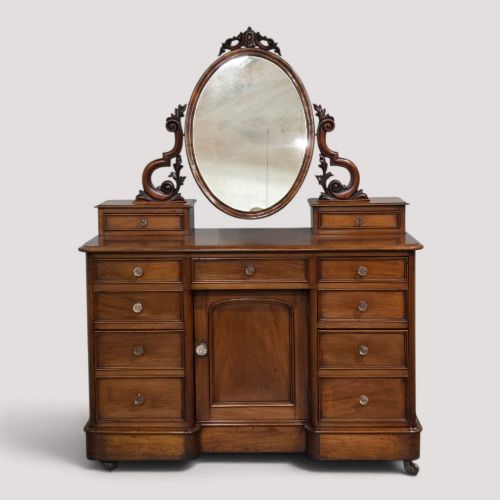
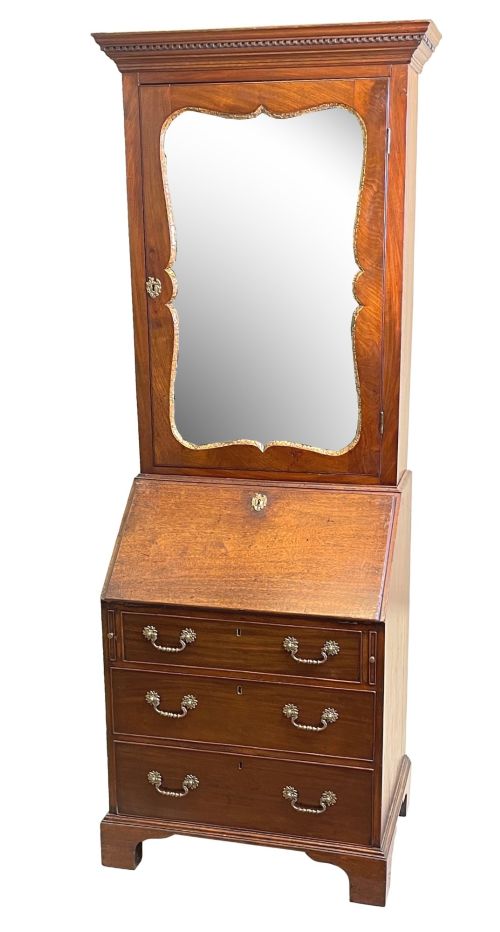
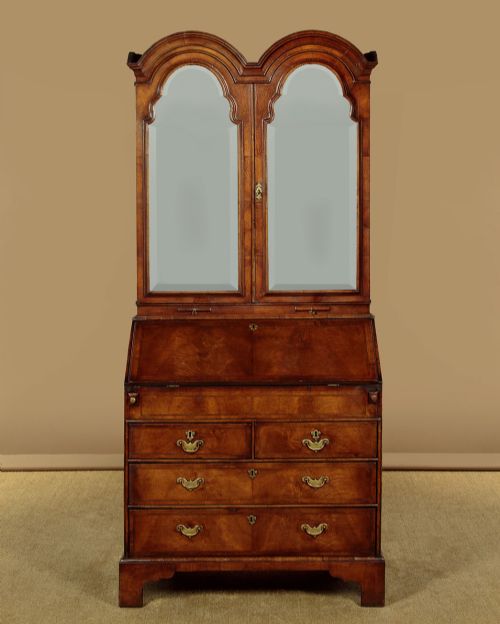
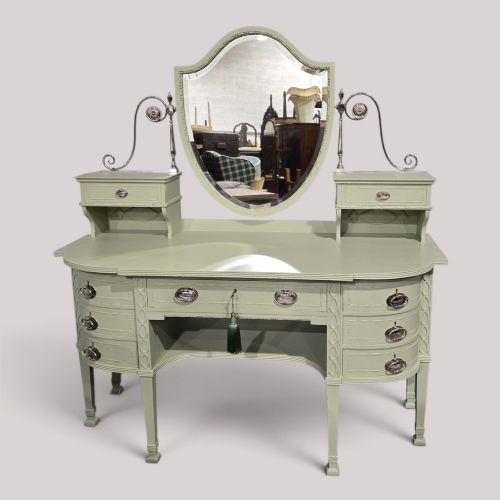
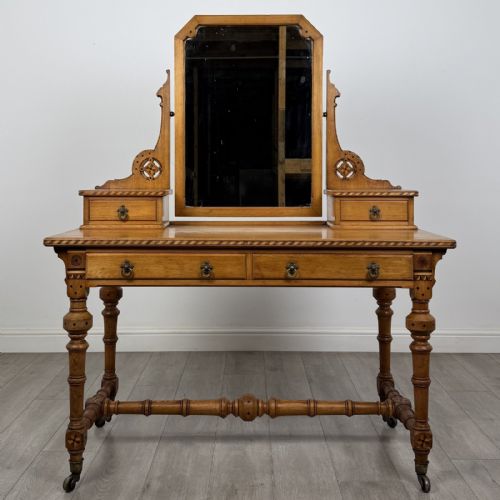
Victorian and Edwardian iterations dominate the selection, featuring burr walnut and mahogany dressing tables equipped with swing, triple, or shield mirrors. Earlier 18th-century examples showcase burr walnut and mahogany bureau bookcases with integrated mirror panels on their doors.
Materials and Construction
Cabinetmakers utilised dense timbers like mahogany, oak, and walnut, frequently applying figured and burr walnut veneers to display intricate grain patterns. Ormolu mounts, brass hardware, and hand-painted satinwood details finish the surfaces of fine tables.
Glass plates are set into adjustable frames, cheval mounts, or mirrored superstructures fixed above drawers and writing flaps. Dovetailed drawer construction and carved wooden supports typify the structural framework across these centuries.
Antique Desk with Mirror Retail Price Guide 2026
Typical asking prices for desk with mirror among the pieces listed under this phrase on Sellingantiques today, from the lower quarter to the upper quarter. They describe what is for sale here now, not the wider market.
Some Edwardian ladies' desks hide tiny velvet-lined compartments beneath folding satinwood flaps for secret correspondence.
Craftsmanship and Materials
The choice of timber veneer dictates visual hierarchy, with heavily figured burr walnut and selected satinwood sitting above plain domestic hardwoods. Subtle hand-carved ornamentation and original stencilled decoration separate standard workshop output from exceptional commissions.
Heals·Wright & Hunter of Belfast
The Antique Desk with Mirror Glossary
- Bureau bookcase
- A writing cabinet featuring a sloping fall-front desk combined with an upper shelving section enclosed by doors. These tall storage pieces often incorporate mirror panels within the upper door framing.
- Duchess dressing table
- A large Victorian form with a central mirror flanked by small drawers or trinket boxes above a lower table. This style frequently includes a low stool and elaborate walnut or mahogany scrolling supports.
- Ormolu
- Gilded bronze ornamentation cast and chased by hand, applied to the corners and mounts of French furniture. This decorative metalwork contrasts against dark mahogany surfaces.
- Superstructure
- A set of small drawers, shelves, and mirrors mounted upon the top surface of a writing table or desk. This addition provides organised storage for correspondence materials.
- Shield mirror
- A looking glass shaped like a heraldic shield, pivoted between upright support arms on a dressing chest. This adjustable plate is characteristic of Edwardian pieces.
Antique Desk with Mirror: Frequently Asked Questions
How do I date an antique desk with mirror?
Examine the timber species, handle hardware, and construction methods used within the drawers. Earlier 18th-century examples display dense walnut and hand-cut dovetails, while Victorian and Edwardian pieces utilise mass-produced brass fittings and lighter mahogany.
Mirror glass manufacturing methods also provide clues, as older plates may exhibit subtle distortions or bevels indicative of period silvering techniques. Cross-referencing these physical traits with known stylistic periods establishes the approximate decade of manufacture.
What is the difference between a dressing table and a bureau bookcase?
A dressing table centres on personal grooming, providing a surface and mirror designed for morning routines and correspondence. These pieces typically feature low kneeholes and tiered trinket drawers.
Conversely, a bureau bookcase functions primarily for storage and writing, stacking bookshelves above a sloping fold-down desk flap. Bureau bookcases prioritise enclosed shelving rather than seated vanity use.
Where should I place an antique mirror desk?
Position the piece perpendicular to a window to maximise natural light falling across the writing surface without creating harsh glare in the mirror glass. This placement highlights the figured walnut or mahogany grain patterns.
Ensure adequate clearance behind or above the desk if the mirror plate adjusts or tilts on pivoting side screws. Keeping the wood away from direct heat sources protects delicate veneers from drying.
Are the mirror plates original on these desks?
Many surviving pieces retain their original glass plates, though replacement mirrors are common due to the fragile nature of old silvering. Original glass frequently displays minute surface foxing or slight imperfections.
Inspect the rebate holding the glass to see if the securing beads and backing boards match the age of the surrounding woodwork.