




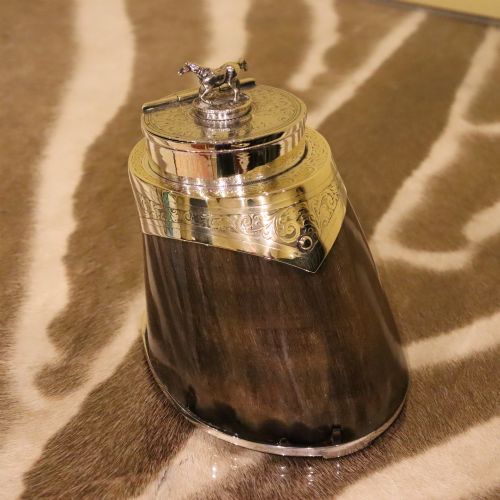
Antique Desk Tidy Box
An antique desk tidy box brings order to correspondence and keeps pens, inkwells and letters contained on a writing table.
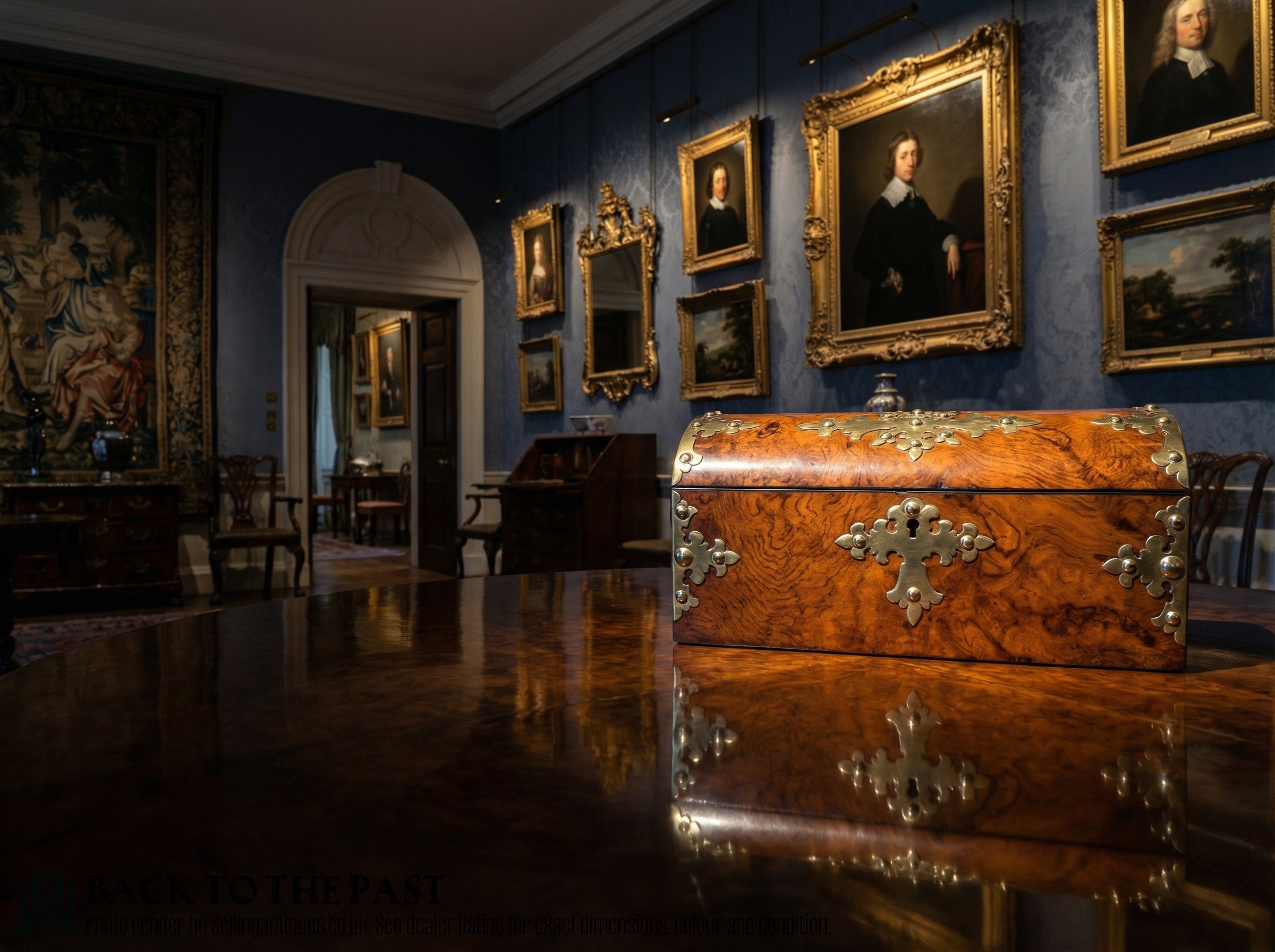
Antique Desk Tidy Box
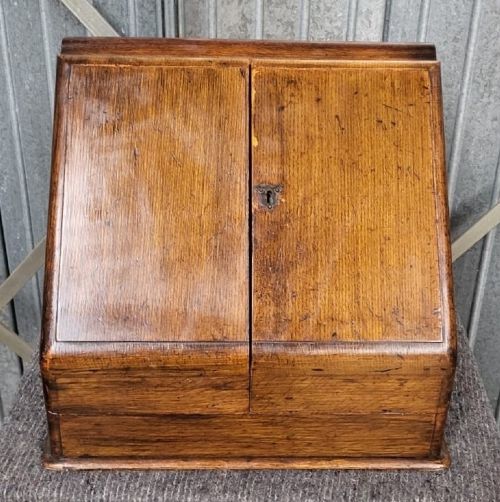
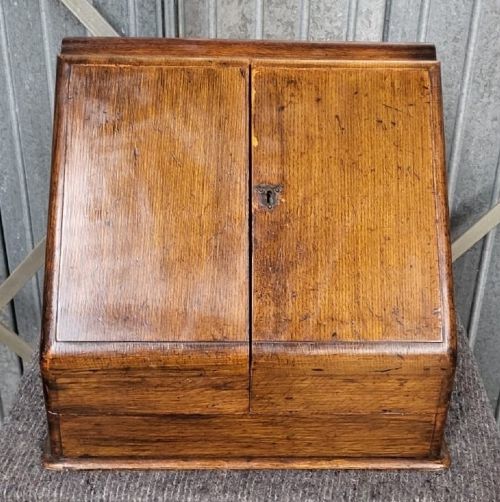
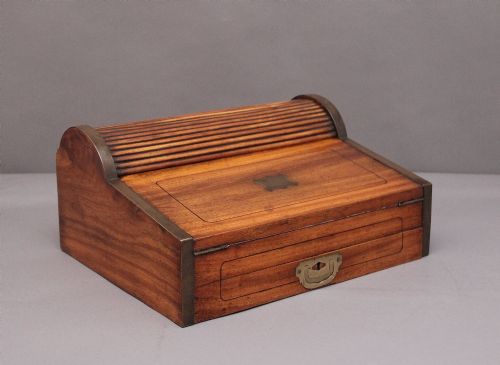
An antique desk tidy box gathers stationery, letters and writing implements into a single desktop container, appearing in forms such as correspondence boxes, stationery cabinets, writing boxes and inkstands. These pieces belong predominantly to the Victorian and Edwardian periods, alongside Georgian examples.
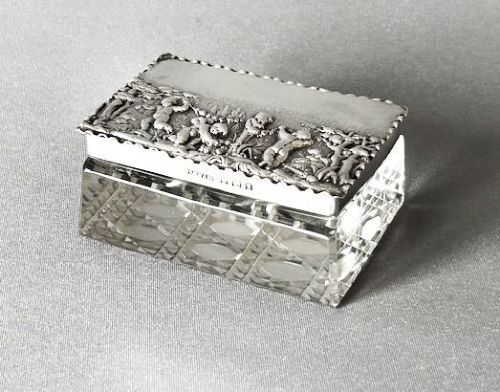
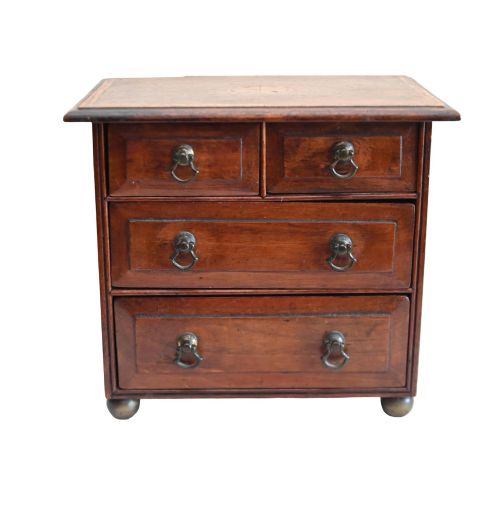
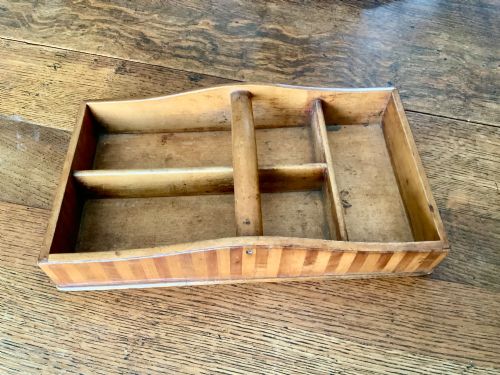
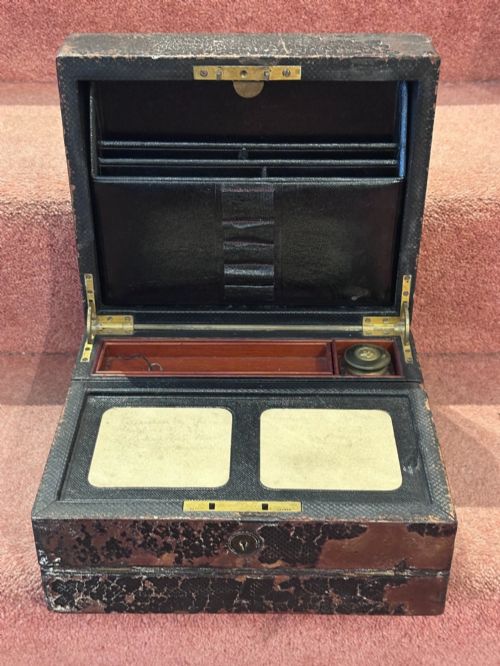
The version most commonly met on this page is the walnut or oak stationery box, often fitted with compartments or fall fronts, alongside leather-bound writing boxes and double inkstands. Cabinet makers also produced specialised pieces incorporating letter racks, stamp boxes and cutlery trays repurposed for desktop use.
Materials and Technique
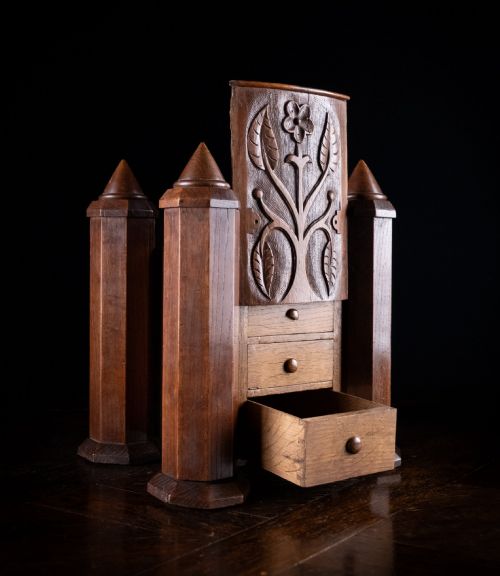
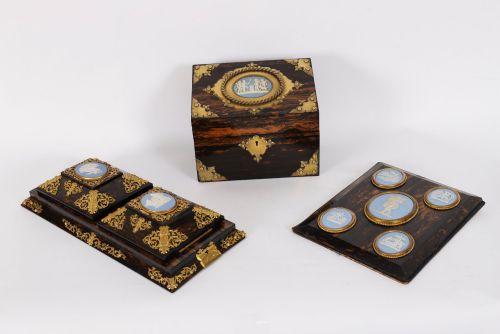
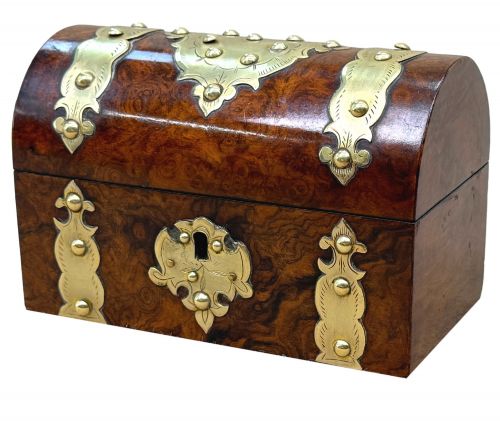
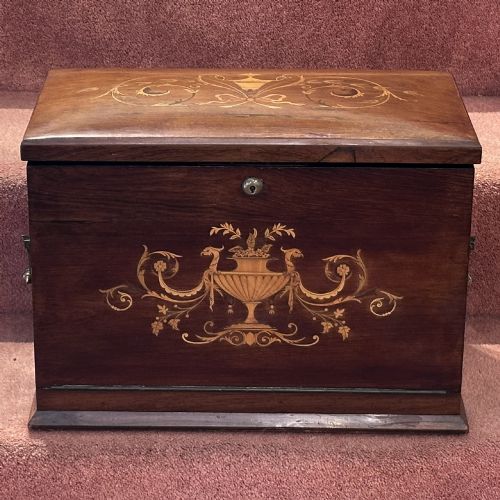
Cabinet makers constructed these boxes from timbers such as oak, mahogany, walnut, rosewood and coromandel, occasionally employing exotic woods like camphor, tortoiseshell or Karelian birch. Surfaces received brass mounts, stringing, boulle inlay, pokerwork decoration or tooled leather, reflecting styles from Regency and Victorian Gothic Revival to Arts and Crafts and Art Deco.
Internal arrangements relied on precise joinery to create fitted compartments, secret drawers, sloping writing surfaces and hinged lids designed to house glass inkwells, stamps and stationery securely.
Antique Desk Tidy Box Retail Price Guide 2026
Typical asking prices for desk tidy box among the pieces listed under this phrase on Sellingantiques today, from the lower quarter to the upper quarter. They describe what is for sale here now, not the wider market.
Listings feature woods such as oak, walnut, rosewood, mahogany, coromandel, camphor and Karelian birch across Victorian, Edwardian and Georgian periods.
Craftsmanship and Materials
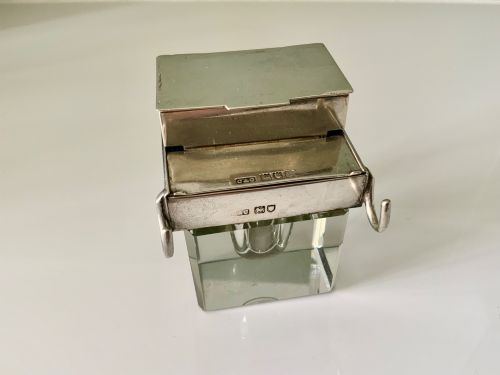
The distinction between standard containers and finer work rests on the selection of timber veneers, the precision of brass or bone inlay and the complexity of internal fittings like secret drawers and adjustable dates. Elaborate additions, such as taxidermy mounts or integrated silver-mounted glass inkwells, separate utilitarian pieces from high-status examples.
Structural integrity depends on the stability of solid or veneered woods and the survival of original hinges, fitted trays and brass handles without later replacement.
The Antique Desk Tidy Box Glossary
- Stationery cabinet
- A desktop box designed specifically to hold paper, envelopes and writing accessories, often featuring a fall front or tiered internal partitions.
- Writing slope
- A portable box with a hinged, slanted lid that opens to reveal a writing surface and storage space for ink and pens.
- Boulle work
- An elaborate form of marquetry utilising brass and tortoiseshell inlaid into furniture and desk accessories, popular in French-influenced nineteenth-century design.
- Inkstand
- A desktop tray or stand fitted to hold one or more glass inkwells alongside pens and sometimes a sander or stamp box.
- Pokerwork
- A decorative technique using a heated metal point to burn designs directly into the surface of wood or leather.
Antique Desk Tidy Box: Frequently Asked Questions
What is an antique desk tidy box?
An antique desk tidy box is a desktop container designed to organise writing materials, letters and stationery. These pieces range from simple wooden trays to fitted cabinets with compartments for inkwells and stamps.
They were produced across the Georgian, Victorian and Edwardian periods in materials including mahogany, oak, walnut and rosewood.
How were stationery boxes used?
Stationery boxes held correspondence, paper and envelopes ready for daily letter writing in homes and offices. Fitted interiors kept writing implements separate and secure when the box was closed.
Many included compartments for postage stamps, sealing wax and glass inkwells.
Can I use an antique inkstand today?
Antique inkstands and desk boxes function well on modern desks for holding pens, small notebooks and correspondence. Glass inkwells and compartments accommodate contemporary fountain pens and small stationery items.
Care should be taken with delicate woods and leather surfaces when placing them on active work spaces.