

Antique Delft Display Plates
Antique delft display plates bring centuries of earthenware colour and hand-painted blue and white design into your home.
Antique Delft Display Plates
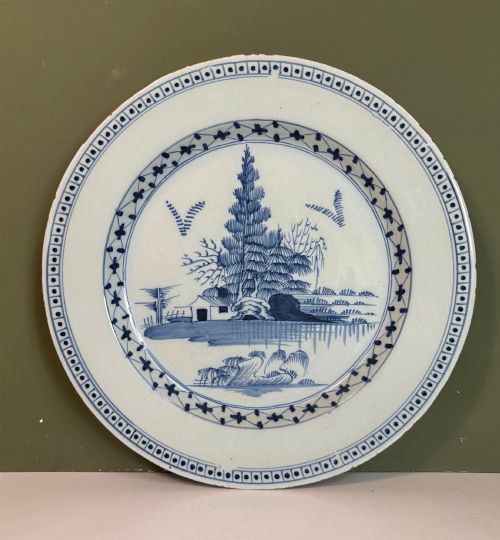
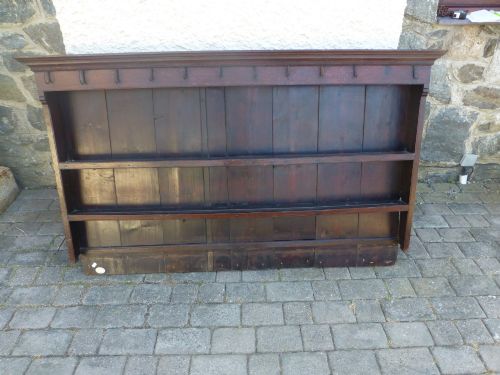
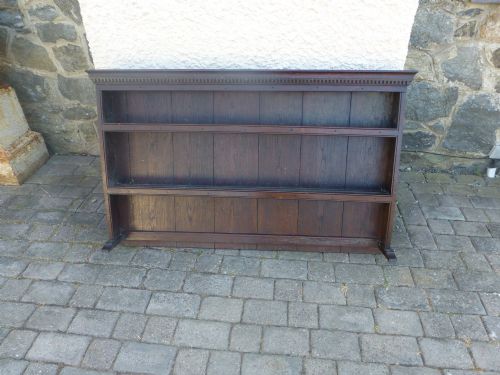
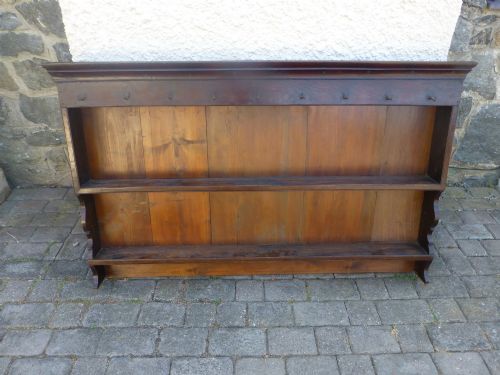
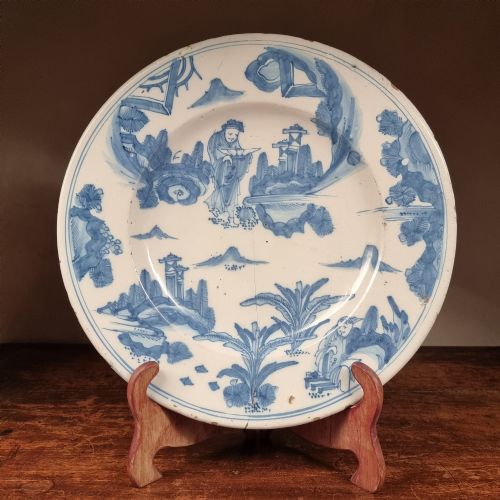
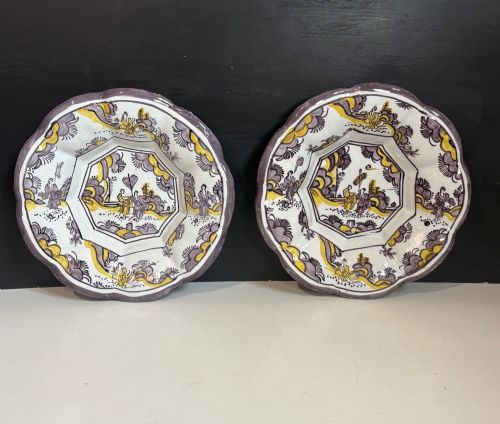
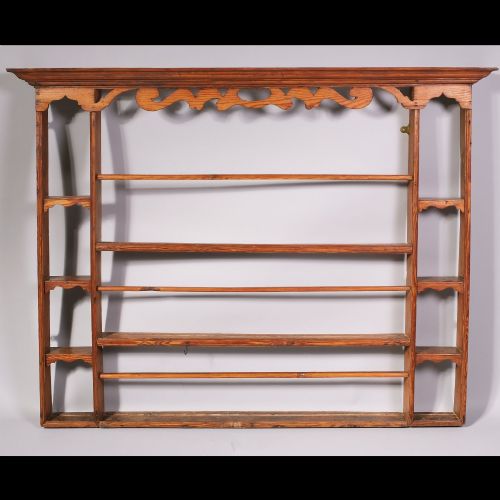
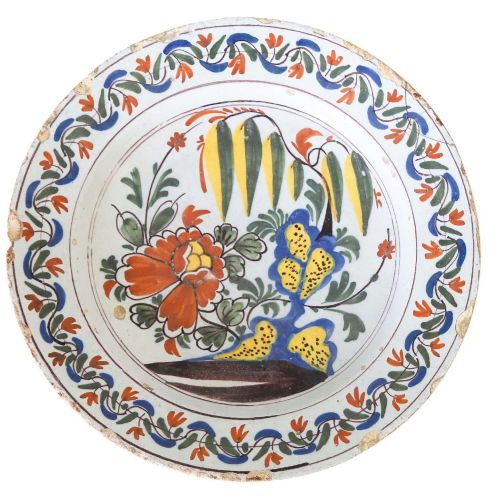
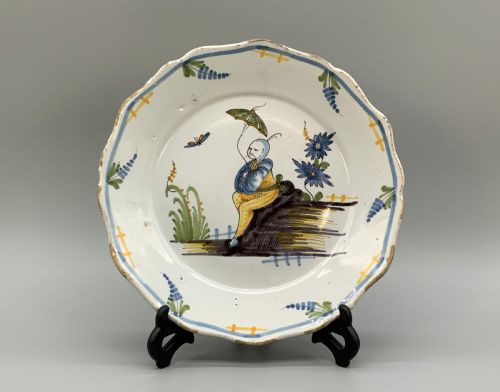
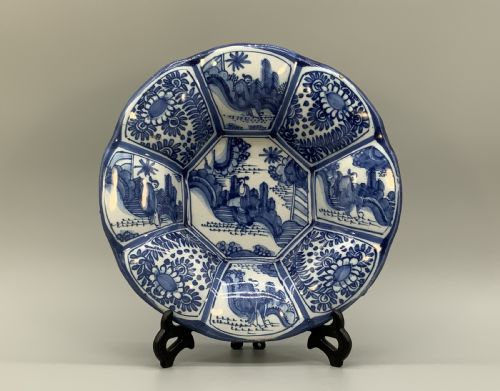
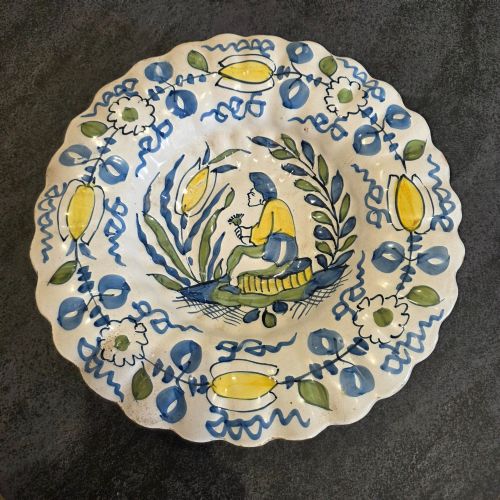
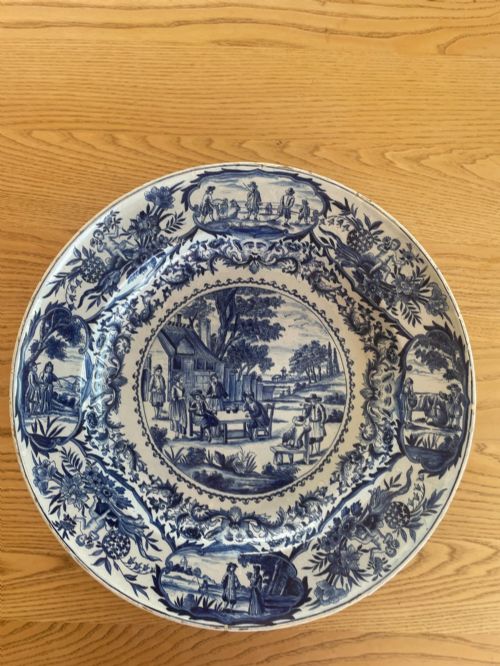
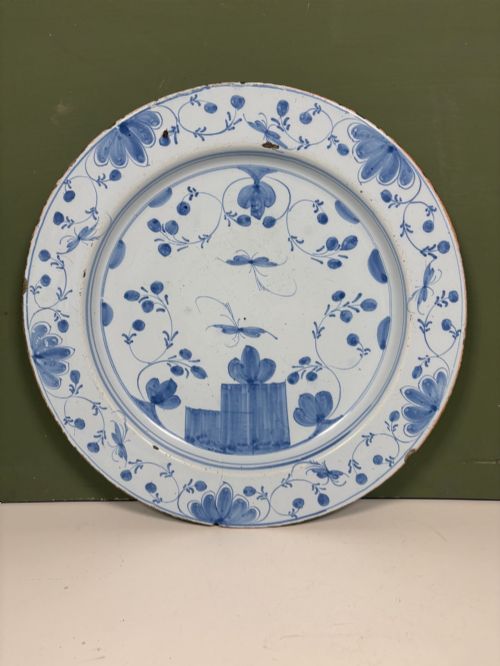
When you search for antique delft display plates, you encounter tin-glazed earthenware dishes, chargers, and plate racks spanning the seventeenth, eighteenth, and nineteenth centuries. The pieces on this page originate primarily from English and Dutch workshops, taking the form of large chargers, smaller plates, and the wooden racks made to display them.
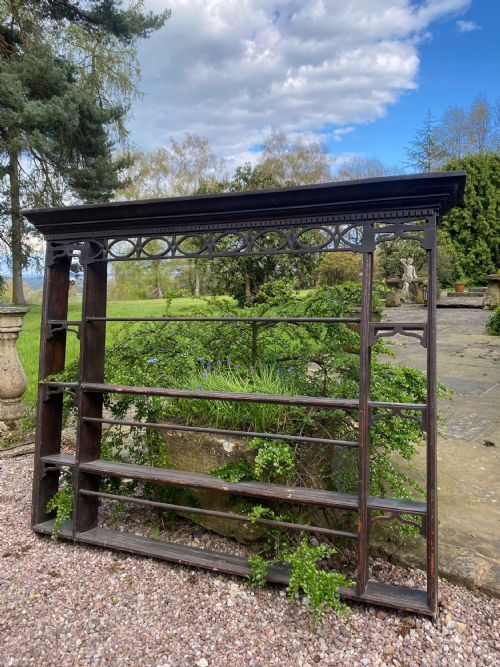
The objects combine ceramics and wall furniture, including oak and pine plate racks alongside ceramic dishes painted with floral, geometric, and Chinoiserie motifs. Buyers most frequently meet eighteenth-century chargers and plates alongside period country furniture designed to hold them.
How they were made
Potters shaped earthenware bodies and coated them in a white tin glaze that provided an opaque, smooth surface for painting. Artisans then applied cobalt pigment, manganese, and polychrome colours directly onto the unfired or raw glaze, often using grand feu techniques.
Display furniture associated with these ceramics was constructed from solid native timbers such as oak and pine, frequently featuring carved details, marquetry, and architectural elements like Corinthian columns.
Listings feature tin-glazed earthenware and ceramic objects alongside oak and pine display furniture from the seventeenth to the nineteenth centuries.
What varies in quality
Quality rests in the crispness and control of the hand-painted brushwork, distinguishing confident, fluid Chinoiserie and floral scenes from hesitant copies. The depth and purity of the tin glaze and cobalt pigment further separate ordinary domestic vessels from ambitious exhibition chargers.
In the accompanying display furniture, the grade of timber selection, the depth of period carving, and the integrity of original joinery determine the standing of each oak or pine rack.
The Antique Delft Display Plates Glossary
- Charger
- A large decorative plate, typically measuring over thirty centimetres in diameter, intended for display on a wall, dresser, or sideboard rather than everyday dining use.
- Tin-Glazed Earthenware
- Pottery fired from clay and coated with an opaque white glaze containing tin oxide, providing the characteristic smooth canvas for traditional blue and white painting.
- Chinoiserie
- European artistic styles reflecting Chinese motifs, commonly found painted in blue and white or polychrome on seventeenth and eighteenth-century ceramics.
- Grand Feu
- A ceramic firing technique where pigments are applied directly to the raw glaze and fired together at high temperatures, fusing colours into the surface.
- Kraak Style
- A Dutch and English interpretation of late Ming dynasty Chinese export porcelain, featuring panelled borders and central landscape or aquatic motifs.
Antique Delft Display Plates: Frequently Asked Questions
How were antique delft plates displayed originally?
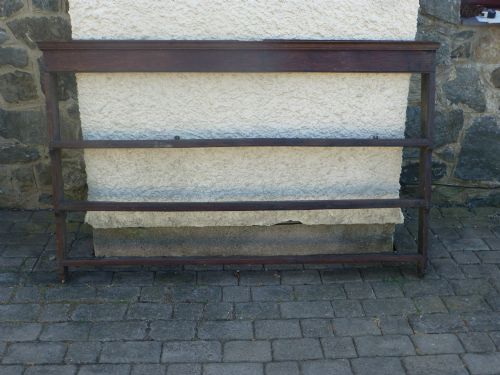
Plates and large chargers were traditionally arranged on open wooden dresser racks mounted to kitchen and dining room walls. These oak and pine racks kept fragile earthenware visible while freeing up table space.
Today, surviving wall racks and plate shelves continue to provide a practical and authentic way to exhibit collections of antique tin-glazed dishes.
What is the difference between delft plates and chargers?
Standard delft plates measure smaller in diameter and were produced in greater numbers for table use or modest wall display. Chargers are significantly larger dishes intended primarily as decorative centrepieces.
Both share tin-glazed earthenware bodies and hand-painted cobalt or polychrome decoration, but chargers often carry more complex pictorial designs.
How do I identify eighteenth-century delftware?
Eighteenth-century delft pieces typically exhibit tin glazes with minor surface imperfections, hand-painted floral or Chinoiserie motifs, and earthenware bodies showing age beneath the glaze. English and Dutch examples from this period display distinct regional palettes and brushwork styles.
Comparing potting weight, pigment tones, and edge wear helps distinguish eighteenth-century production from later nineteenth-century revivals.
Can I hang antique delft plates on the wall?
Antique delft plates can be displayed using padded spring hangers designed to distribute weight evenly across the rim without causing damage. Alternatively, mounting them within a period oak or pine plate rack offers secure support.
Care must be taken to ensure wall fixings are secure, particularly with heavy chargers.