
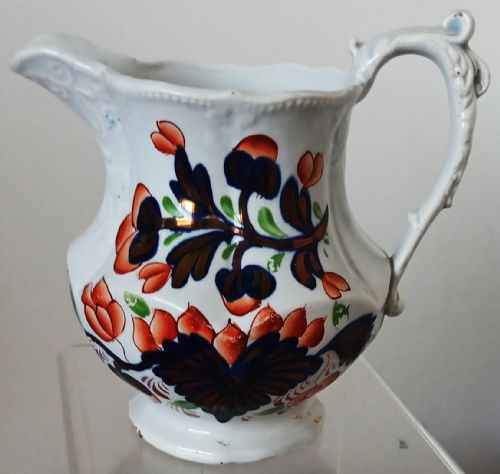
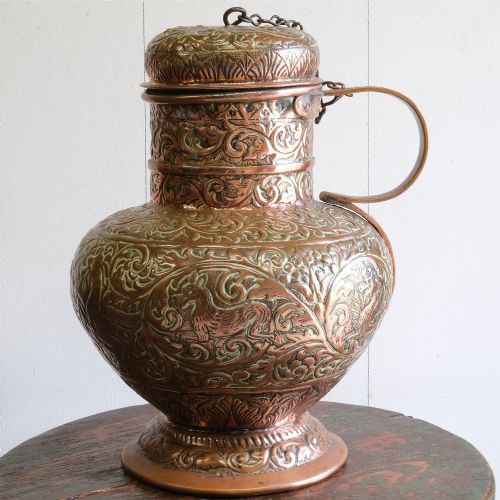
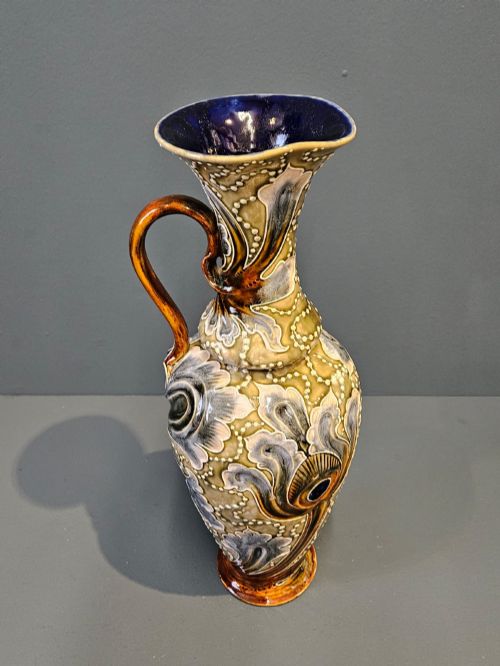
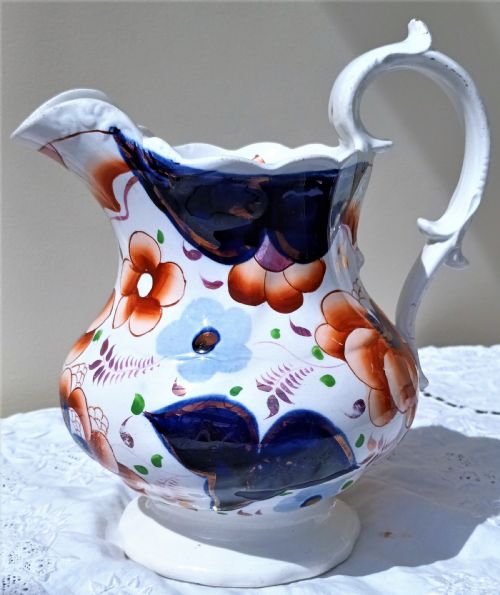
Antique Decorative Jugs
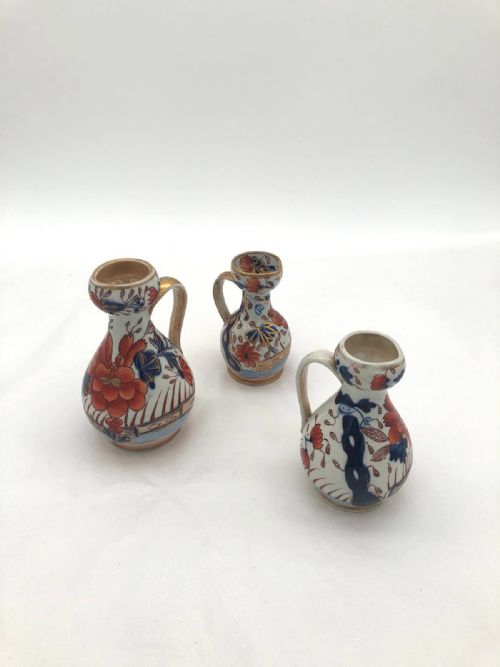
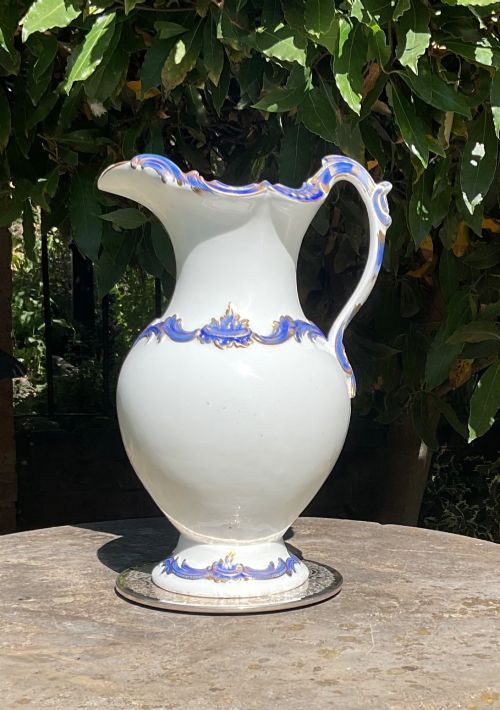
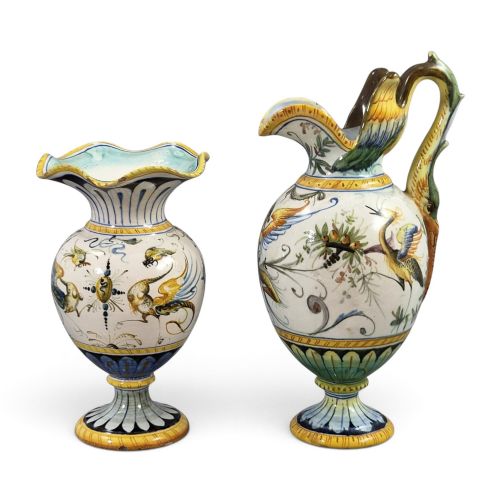
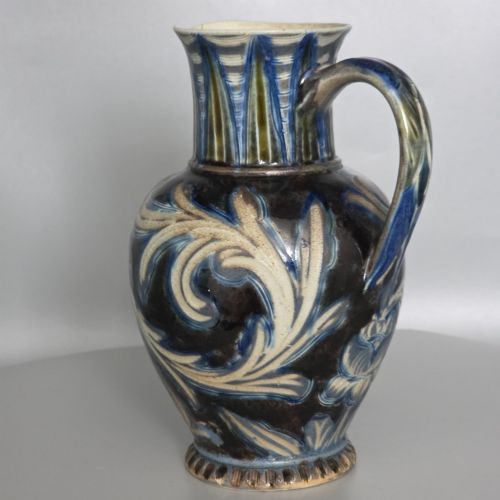
These antique decorative jugs range from earthenware vessels to gilt bronze ewers, bringing historic form and display appeal to any interior.
Antique Decorative Jugs
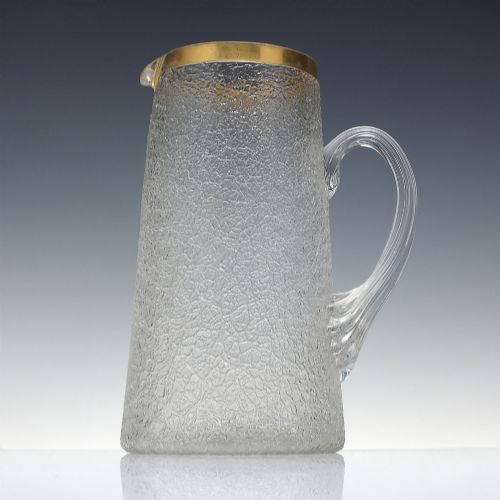
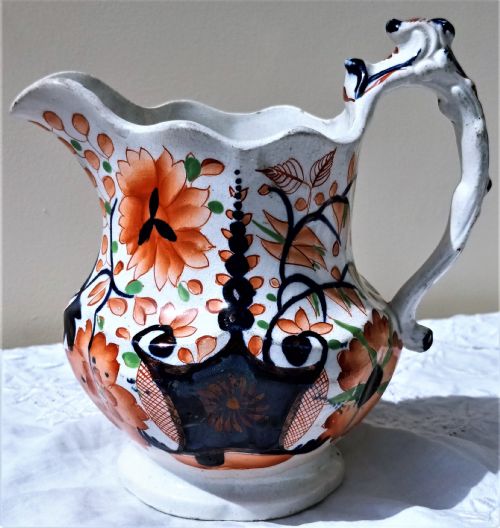
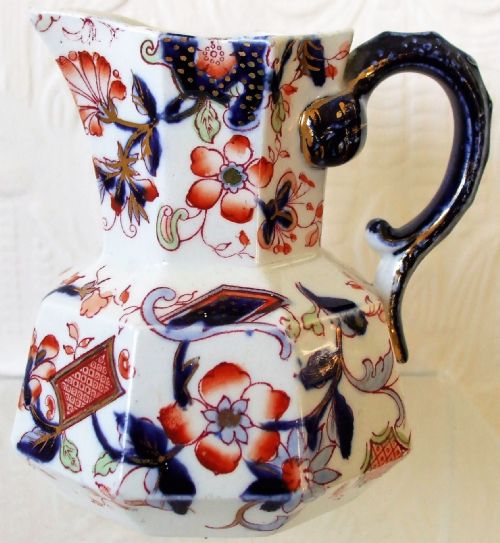
Antique decorative jugs encompass a broad assortment of ceramic, glass and metal pouring vessels designed primarily for display rather than utility. When searching for antique decorative jugs, buyers encounter pieces spanning the Georgian, Victorian and Edwardian eras.
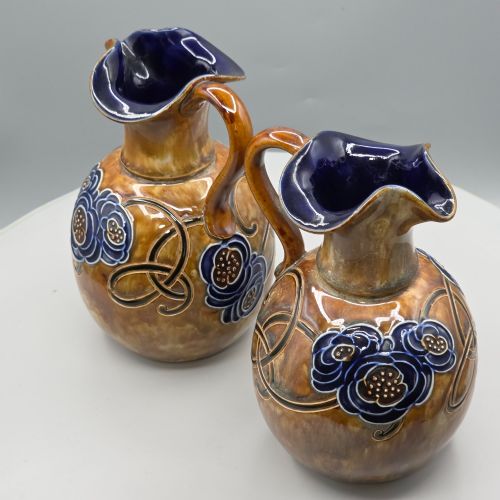
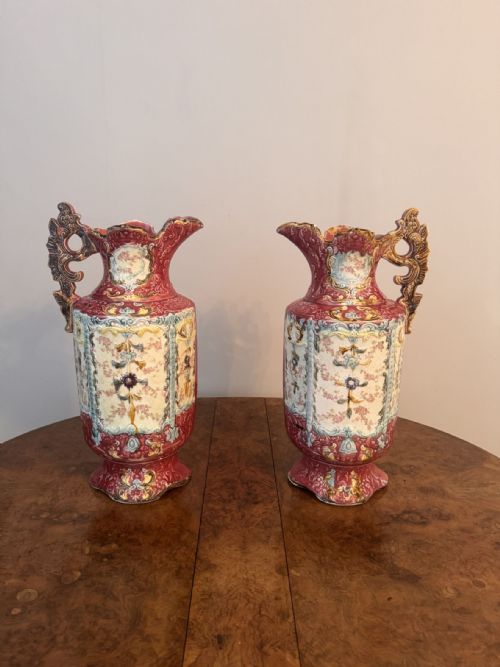
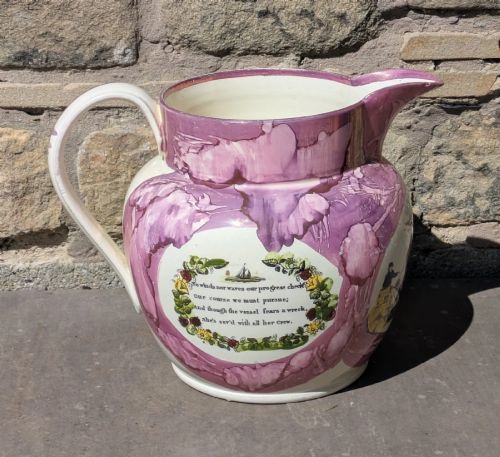
The selection includes earthenware pitchers, porcelain ewers and copper vessels shaped in Victorian, Arts and Crafts and Art Nouveau styles. Most examples date from the nineteenth century, reflecting periods of diverse revivalist and aesthetic movement designs.
How They Were Made
Makers utilised ceramic materials including earthenware, stoneware and porcelain, often applying rich glazes, transfer printing or hand-painted details. Metal versions employ copper, bronze and silver plating, sometimes shaped into ornate figural handles or relief patterns.
Techniques range from standard pottery throwing and moulding to intricate reticulation, gilding with gold leaf, and overshot glass methods.
Several bronze ewers feature grinning Bacchus masks and twisting dolphin handles, ensuring your mantelpiece comes equipped with a small aquatic audience.
What Varies in Quality
Quality rests on the crispness of the modelling, the depth and execution of hand-painted or transferred decoration, and the integrity of applied handles and rims. Superior pieces show careful attention to surface finish, whether in the smooth application of cobalt blue glaze or the fine detail of bronze casting.
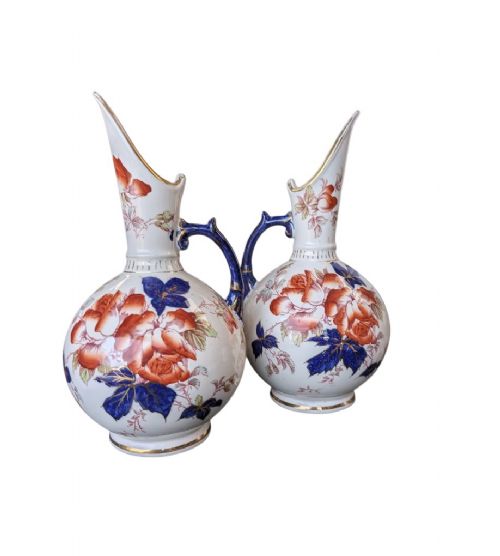
Marked pottery from established factories demonstrates higher execution standards than unmarked utilitarian items, while matched pairs command greater attention than single surviving vessels.
Royal Doulton·Cantagalli Florence·Keeling And Co·Grainger Worcester·Royal Worcester·Sir Edmund Elton·Doulton Lambeth·Doulton Burslem
The Antique Decorative Jugs Glossary
- Ewer
- A large jug or pitcher with a wide spout and a curved handle, traditionally used for holding water or wine.
- Majolica
- A type of earthenware decorated with opaque coloured glazes over a tin-enamelled base, popular during the nineteenth-century revival periods.
- Lustre
- A ceramic glaze containing metallic elements that produce an iridescent sheen when fired in a reducing kiln.
- Reticulation
- An openwork pattern pierced through the ceramic body of a vessel before firing, creating a lace-like structural effect.
- Flagon
- A large drinking vessel with a handle and often a lid, typically rendered in metal or stoneware.
Antique Decorative Jugs: Frequently Asked Questions
How were antique decorative jugs used?
While some vessels served functional roles for water, wine or milk, many decorative examples were made purely for display on sideboards, mantelpieces or in cabinet collections.
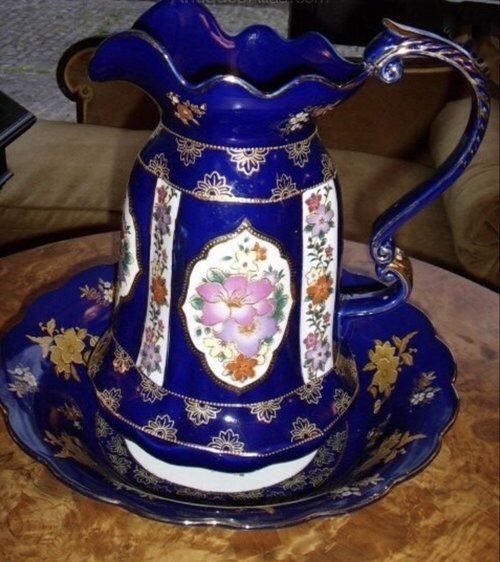
Larger ewers and pitcher sets often functioned as decorative accessories for washing stands or formal dining displays rather than daily service.
How do I identify a Victorian jug?
Victorian jugs typically exhibit eclectic revival styles such as Rococo, Renaissance or Gothic influences, alongside distinctive nineteenth-century ceramic bodies like ironstone and majolica.
Many pieces carry factory marks, registration numbers or patent details on the base that help narrow down the production decade.
How should I display ceramic and metal jugs?
Position them on stable surfaces away from direct sunlight to protect delicate glazes, enamel work and gold leaf details.
Keep ceramic and copper vessels away from damp environments and handle metal pieces carefully to preserve their original surface patination.