




Tube Lined Ceramics
Tube lined ceramics are vibrant decorative wares defined by raised clay trails, offering rich texture and striking floral motifs for any interior.
Tube Lined Ceramics
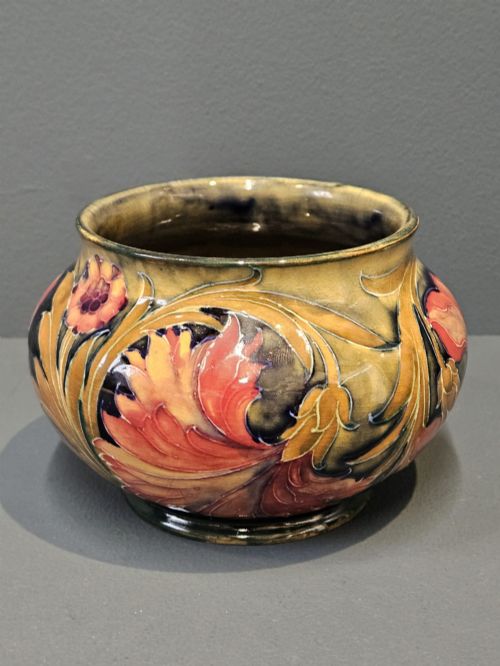
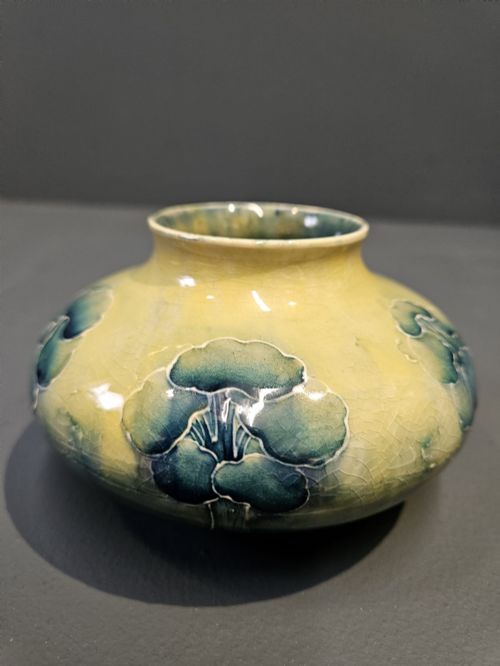
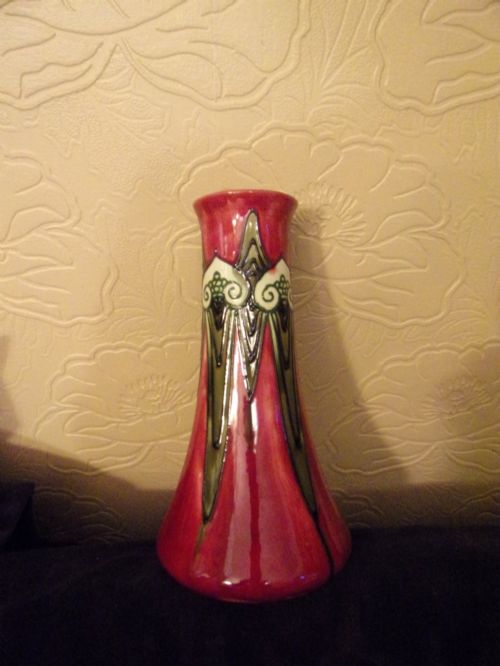
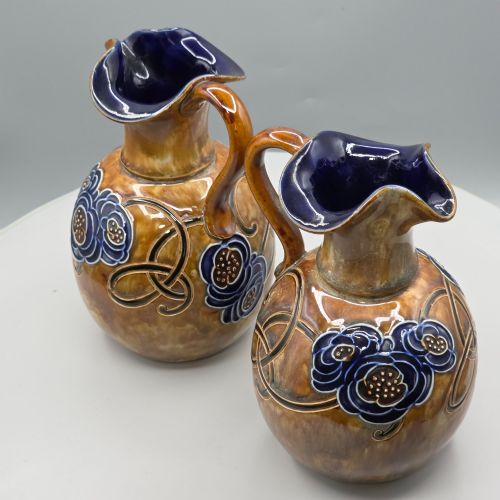
Tube lined ceramics encompass a range of decorative forms, primarily featuring vases, jugs, tea services, and bowls produced from the late nineteenth century through to the interwar decades. These pieces emerge predominantly in Arts and Crafts, Art Nouveau, Art Deco, and Secessionist styles, reflecting the shifting aesthetic tastes of British design across those eras.
Buyers encountering this selection most frequently meet earthenware and glazed stoneware vessels decorated with stylised botanical or geometric patterns. Makers such as Moorcroft, Minton, and Royal Doulton dominate the output, capturing the distinct design philosophies of Liberty and regional potteries.
Method and material
Potters shape these vessels using earthenware and stoneware bodies, which provide a stable foundation for subsequent surface decoration. Artisans apply liquid clay, known as slip, through a fine nozzle or tube to outline the motif directly onto the ceramic surface before firing.
Coloured glaze is subsequently painted within the raised clay boundaries, pooling in rich gradients during the kiln firing. This technique creates a distinct tactile relief that separates these decorated wares from standard painted ceramics.
Tube Lined Ceramics Retail Price Guide 2026
Typical asking prices for tube lined ceramics among the pieces listed under this phrase on Sellingantiques today, from the lower quarter to the upper quarter. They describe what is for sale here now, not the wider market.
Expect occasional floral motifs so enthusiastic they appear to crawl entirely off the rim and down the handle.
Judging quality
Quality rests upon the precision of the trailing work and the control of the glaze during firing. Finer examples display crisp, even lines without smudging, allowing the raised pattern to define the form sharply.
The depth and vibrancy of the glaze separation also dictate merit, as superior pieces exhibit harmonious colour palettes that pool evenly within the clay boundaries rather than running dully across the surface.
William Moorcroft·Royal Doulton·Minton Secessionist·Macintyre And Co·Charlotte Rhead
The Tube Lined Ceramics Glossary
- Tube lining
- A ceramic decoration technique where liquid clay slip is squeezed through a bulb or tube onto the body to form raised outlines. This creates compartments that hold coloured glazes during firing.
- Slip
- A liquid suspension of clay and water used for both casting pottery bodies and applying raised decorative trails. It forms the structural barrier in tube lined designs.
- Secessionist
- A design movement of the late nineteenth and early twentieth centuries that rejected traditional academic art. It embraces stylised organic forms and bold geometric patterns.
- Earthenware
- Porous pottery fired at lower temperatures, commonly utilised for decorative domestic wares. It requires a vitreous glaze coating to ensure impermeability.
Tube Lined Ceramics: Frequently Asked Questions
What is tube lining?
Tube lining involves squeezing liquid clay slip through a fine nozzle onto a pottery body to create raised outlines.
These raised lines form distinct cells that prevent different coloured glazes from running together during the kiln firing.
How do I date these ceramics?
Dating relies upon identifying the stylistic markers of periods such as Art Nouveau, Arts and Crafts, or Art Deco alongside manufacturer stamps.
Makers often changed their backstamps over time, which helps narrow down the production era alongside characteristic glaze palettes.
Were these pieces used daily?
While tea services and jugs served functional household roles, many decorative vases and bowls were intended purely for display.
The delicate raised slip work means that heavy domestic use risks chipping the surface relief over time.
How should I clean them?
Cleaning requires a soft, dry cloth to gently remove dust from the raised surface and glazed recesses.
Submerging older earthenware pieces in water is discouraged, as moisture can penetrate historic crazing in the glaze.