
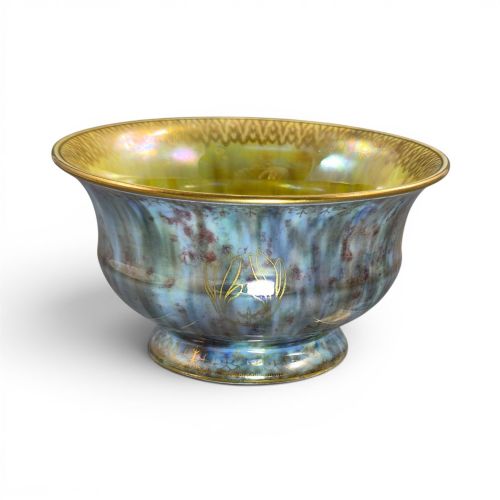


Antique Decorative China Bowl
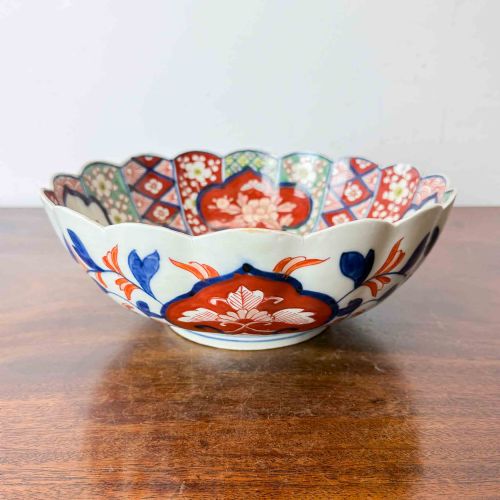
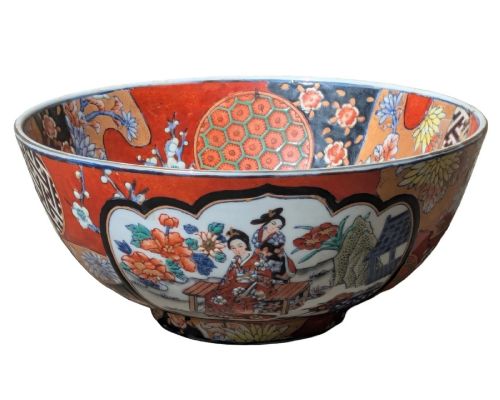
An antique decorative china bowl brings rich colour and pattern into a room, spanning nineteenth-century Imari designs to twentieth-century lustre wares.
Antique Decorative China Bowl
When searching for an antique decorative china bowl, buyers encounter a variety of forms ranging from large punch bowls and footed vessels to cabinet dishes and serving pieces. The selection spans the nineteenth century through to the Edwardian period and the decades following, drawing on both English factories and Asian export traditions.
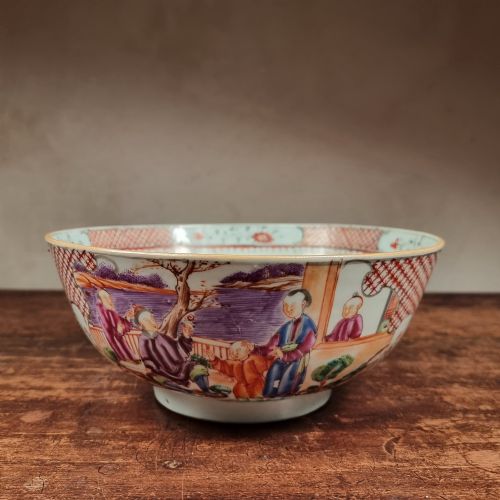
Japanese Imari and Chinese export porcelain pieces appear frequently alongside English earthenware and bone china. Makers such as Royal Worcester, Wedgwood, and Doulton Burslem represent the domestic output, often taking the form of cabinet dishes or painted fruit bowls.
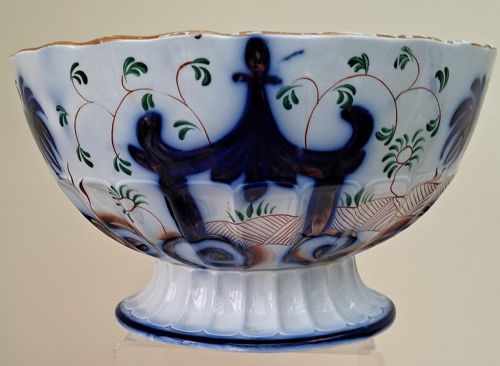
Footed bowls and scalloped edge vessels provide depth for display on tables or sideboards, while flat cabinet dishes highlight painted scenes. The inventory reflects diverse aesthetic movements including Art Nouveau, Art Deco, and Japanese Imari styling.
Materials and methods
Potters utilised hard-paste porcelain, bone china, and ironstone as the primary bodies for these vessels, applying glaze to seal the ceramic base. Lustre glaze finishes and gold leaf or gilding provide the reflective metallic sheens seen on many twentieth-century decorative pieces.
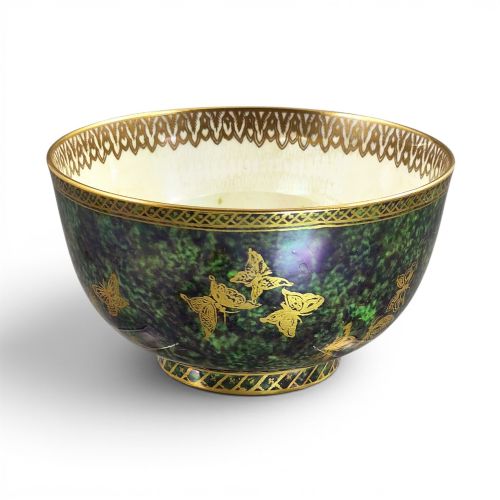
Decoration relied on hand-painting and transfer printing, with enamel colours fixed to the surface through kiln firing. Specialised techniques such as the Fairyland lustre process created intricate, multi-layered visual effects through controlled chemical reactions in the kiln.
The available pieces span the eighteenth century, the Victorian era, and the Art Deco period.
Distinctions in craftsmanship
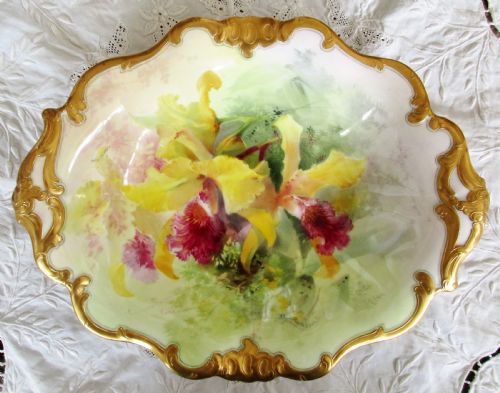
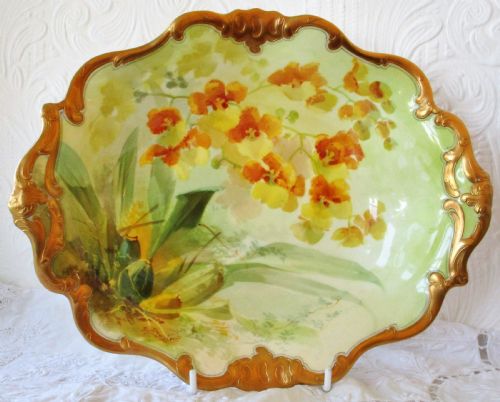
The standard of painting separates standard production from exceptional works, particularly in hand-painted botanical or figurative subjects where brushwork shows greater control and detail. The crispness of transfer printing and the evenness of the glaze application indicate the skill employed during manufacture.
The reputation of the designer and the pottery workshop influences the standing of a piece, with recognised artists like Daisy Makeig-Jones achieving complex decorative effects. Preservation of the original gilding and enamel colours without rubbing or loss maintains the visual integrity of the design.
Royal Doulton·Wedgwood·Spode·Doulton Burslem·Royal Worcester·Mason's Ironstone
The Antique Decorative China Bowl Glossary
- Imari
- A style of Japanese porcelain featuring underglaze blue and overglaze iron red, gold, and supplementary colours. These wares were exported in quantity to Europe from the seventeenth century onward.
- Lustre glaze
- A type of ceramic glaze that imparts a metallic or iridescent sheen through the reduction of metallic oxides during firing. It gained widespread popularity on English earthenware in the early twentieth century.
- Cabinet dish
- A decorative ceramic plate or shallow bowl intended for display in a cabinet or on a wall rather than for practical table use. They often feature elaborate painted scenes or rich gilding.
- Ironstone china
- A patented type of heavy earthenware developed in nineteenth-century England to imitate Chinese porcelain. It combined durability with a dense body suitable for complex transfer-printed and enamelled patterns.
- Bone china
- A type of soft-paste porcelain containing bone ash, invented in England to achieve a high degree of whiteness and translucency. It allowed makers to produce thinner, more refined vessels.
Antique Decorative China Bowl: Frequently Asked Questions
What is an Imari bowl?
An Imari bowl is a piece of Japanese porcelain decorated in characteristic palettes of cobalt blue, iron red, and gold. These vessels arrived in Europe through trade and influenced domestic ceramic production.
Potters in the West frequently imitated the striking panels and floral motifs found on these imported wares throughout the nineteenth century.
How were lustre bowls made?
Lustre bowls were produced by applying metallic oxide solutions over a glazed ceramic body before firing them in a reducing atmosphere. This chemical process left a shimmering, iridescent film on the surface.
Designers like Daisy Makeig-Jones later refined these techniques at Wedgwood to create complex fantasy scenes with rich metallic effects.
What is ironstone china?
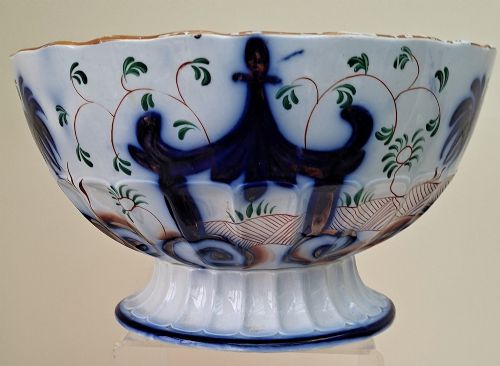
Ironstone china is a durable type of British earthenware patented in the early nineteenth century to withstand daily use while resembling true porcelain. It provided a sturdy canvas for vibrant patterns such as the Green Mandarin and Gaudy Welsh styles.
Factories utilised this dense ceramic body for large vessels, soup tureens, and heavy service dishes.
How do I display a cabinet dish?
A cabinet dish is designed primarily for visual appreciation rather than dining, often placed upright on a specialised stand or hung securely. These pieces showcase detailed hand-painted fruit or botanical studies.
Placement away from direct sunlight helps preserve the delicate enamel colours and gold leaf accents over time.