
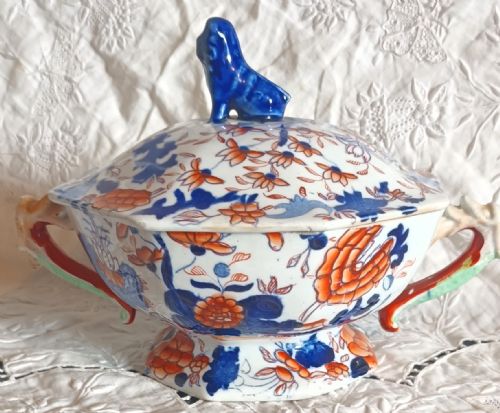


Antique Covered Sauce Boat
An antique covered sauce boat brings gravitas to the dining table, offering a refined vessel for gravies and sauces.
Antique Covered Sauce Boat
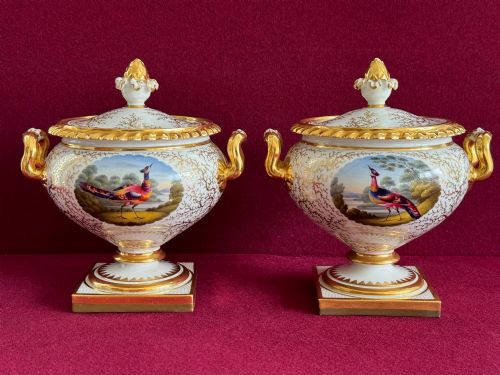
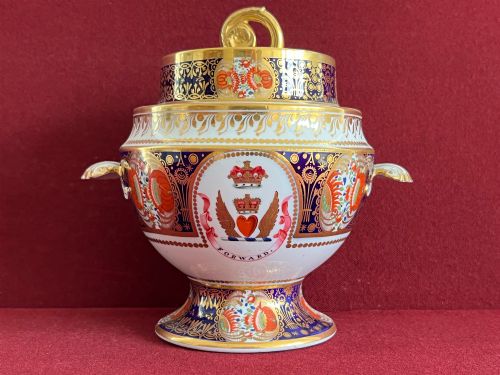
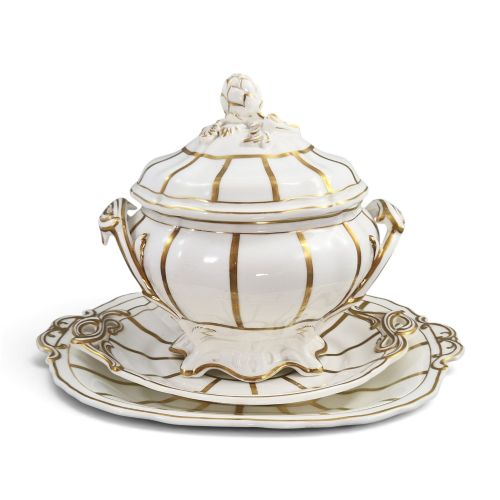
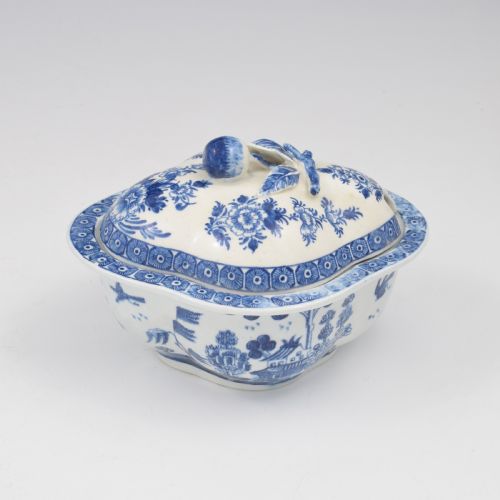
An antique covered sauce boat is a practical and decorative table vessel designed to keep warm liquids contained during service. These pieces emerge primarily from the Georgian, Regency, and Victorian eras, reflecting centuries of formal dining customs. The selection ranges from robust ironstone and delicate bone china to glistening silver and Old Sheffield Plate.
Buyers encounter various forms, including quatrefoil shapes, botanical motifs, and striking transfer prints such as the elephant design. Many examples survive alongside their original matching covers and bases, occasionally accompanied by ladles. The origin spans notable English potteries and porcelain manufacturers from the eighteenth and nineteenth centuries.
How these pieces were made
Potters shaped clay, ironstone, and porcelain into vessels before applying intricate hand-painted designs or blue and white transfer prints. Artisans utilised glaze to seal the ceramic body, frequently incorporating gilt handles, gold leaf, and enamel highlights for a luxurious finish.
Metal smiths constructed silver and Old Sheffield Plate variants through hammering, soldering, and plating techniques. Makers shaped durable ironstone to withstand rigorous dining use while maintaining ornate contours like lion head covers and pedestal bases.
Listings feature 19th Century, Georgian, 1800, Victorian, 18th Century, and Regency periods alongside materials like Gold Leaf, Ironstone, and Bone China.
What varies in quality
Quality rests upon the crispness of the moulding and the clarity of transfer-printed or hand-painted details. Early porcelain pieces from renowned factories display finer translucency and more controlled enamel application than utilitarian earthenware.
The survival of matching components dictates desirability, particularly when covers, bases, and ladles remain united with the main vessel. Marks stamped by prominent makers or periods add historical weight to the physical construction.
Davenport Bone China·Derby Porcelain·Swansea Pearlware·Mason's Ironstone·Flight Barr & Barr·William Grundy
The Antique Covered Sauce Boat Glossary
- Ironstone
- A heavy, durable type of earthenware patented in the nineteenth century to imitate porcelain. It resists chipping and forms the base of many robust service vessels.
- Bone china
- A soft-paste porcelain incorporating bone ash, known for its milky white colour and high strength. It allows for thinner walls and delicate forms.
- Old Sheffield Plate
- A composite material made by fusing a thin sheet of silver to a copper core. This technique predates modern electroplating and produces rich patination.
- Quatrefoil
- A symmetrical shape featuring four leaf-like lobes, commonly used for the rims and bases of tea and sauce wares. It adds architectural interest to the silhouette.
- Transfer print
- A decoration method where a design is engraved on a copper plate, inked, and transferred to paper then onto the ceramic body. This allowed for intricate, repeatable patterns.
Antique Covered Sauce Boat: Frequently Asked Questions
How were antique sauce tureens used at the table?
These vessels held hot gravies, sauces, or melted butter during formal meals, keeping the contents warm beneath a fitted cover.
Servants passed the tureen around the dining table so guests could ladle portions onto their plates.
Can I use an antique sauce boat for serving food?
Ceramic and silver pieces remain structurally capable of holding table sauces, provided they receive careful hand washing.
Many collectors prefer to display them as cabinet or sideboard ornaments to protect the historic glaze and gilding from modern detergents.
How do I identify a Georgian sauce boat?
Georgian examples often display neoclassical lines, silver construction, or early pearlware bodies dating from the late eighteenth to the early nineteenth century.
Stylistic cues include classical botanical painting, distinct potting weights, and hand-forged metal hallmarks.
What is the difference between ironstone and porcelain?
Ironstone is a dense, opaque earthenware designed for heavy daily use, whereas porcelain is vitrified, finer, and often translucent.
Ironstone pieces feel heavier in the hand and show greater resilience against the knocks of busy dining rooms.