

Antique Table Centrepiece Bowl
An antique table centrepiece bowl commands attention at the heart of a dining arrangement, combining decorative presence with functional grace.
Antique Table Centrepiece Bowl
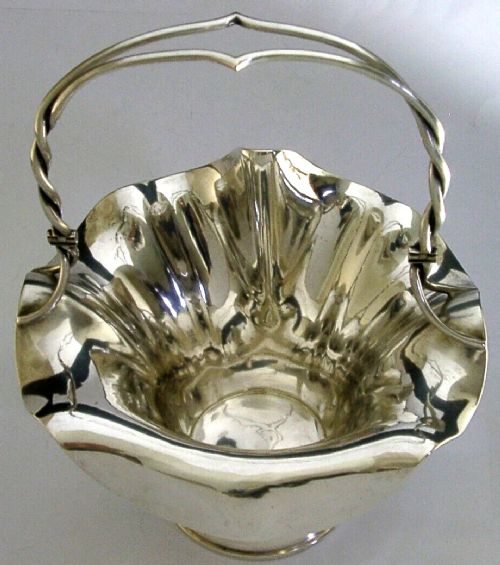
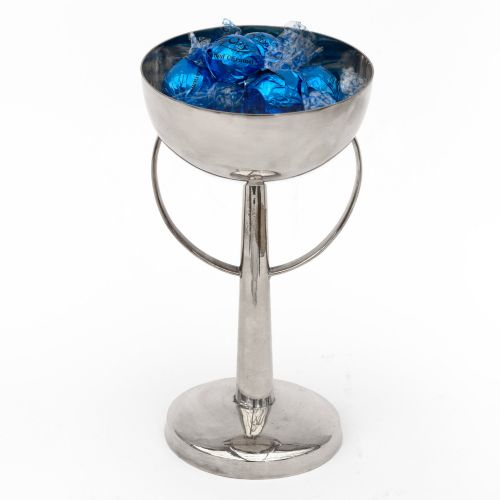
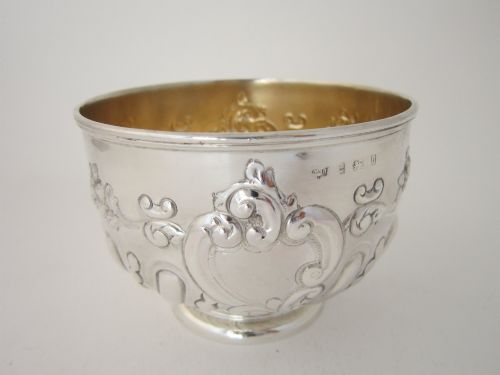
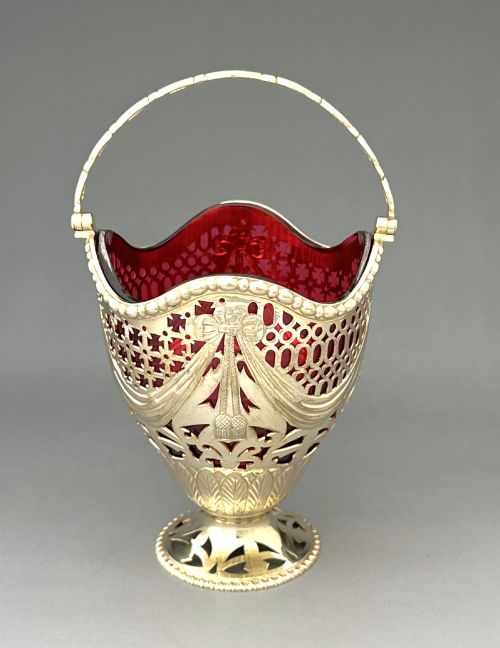
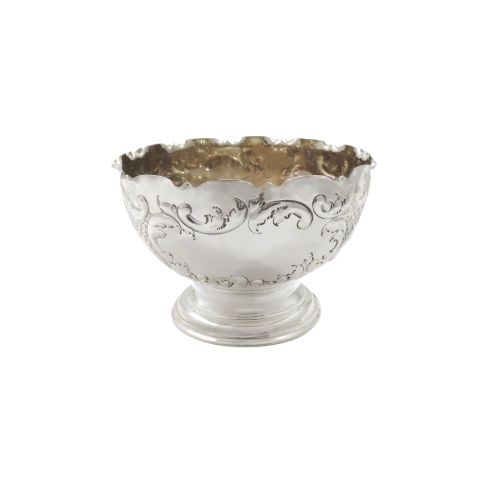
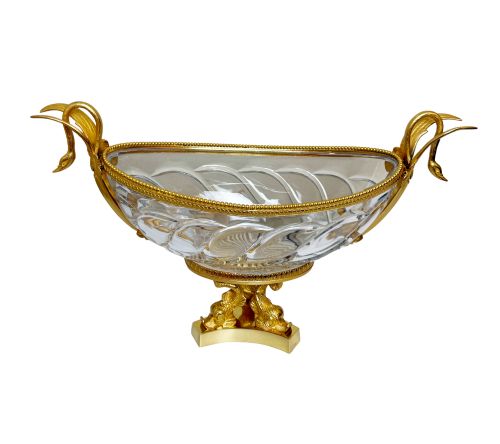
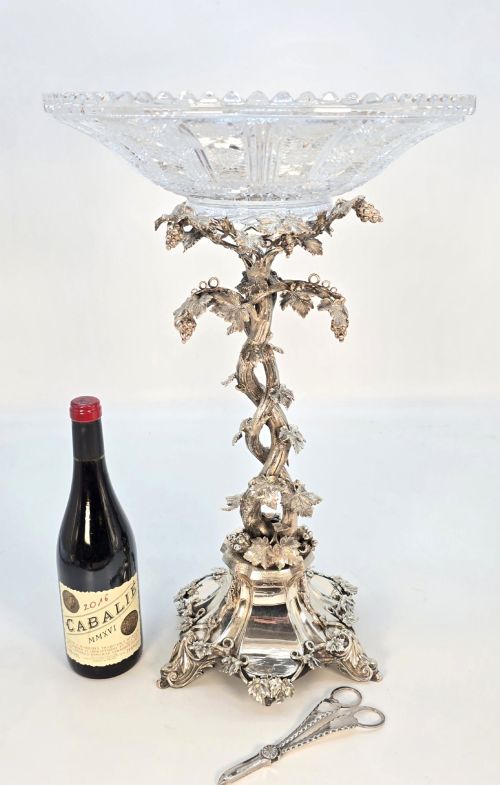
When you search for an antique table centrepiece bowl, you encounter a diverse array of ceremonial vessels designed to anchor a dining table or sideboard. These objects span periods from the Georgian era through Victorian, Edwardian, and Art Nouveau styles up to the 1930s, reflecting changing domestic rituals. The most common examples on this page utilise silver plate or sterling silver, frequently paired with glass liners or cut crystal bodies.
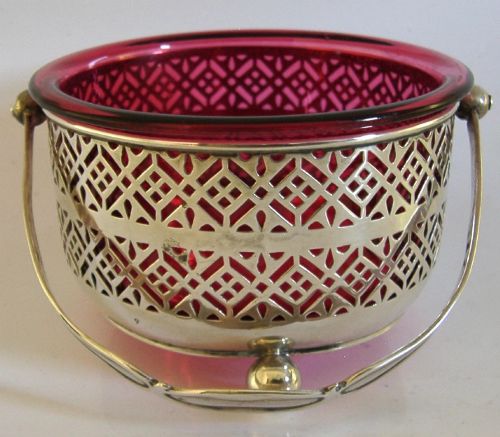
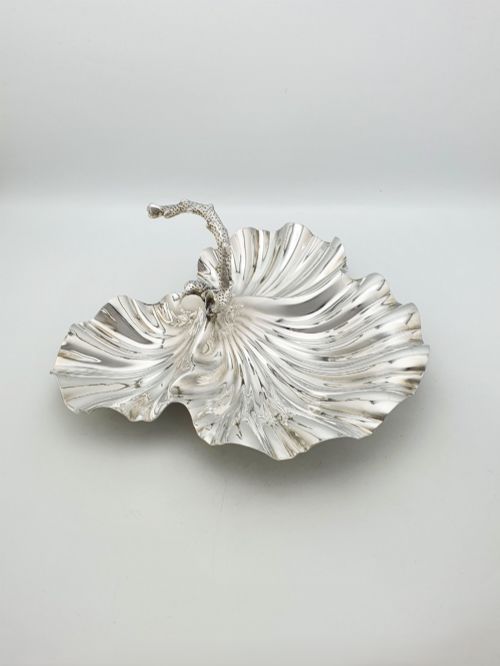
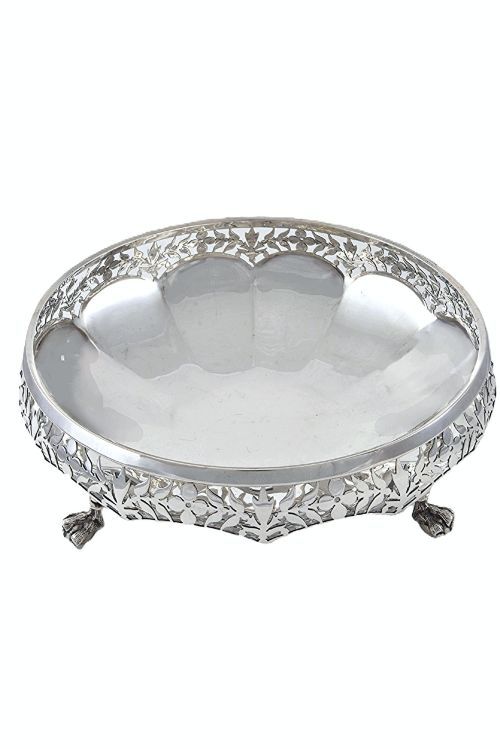
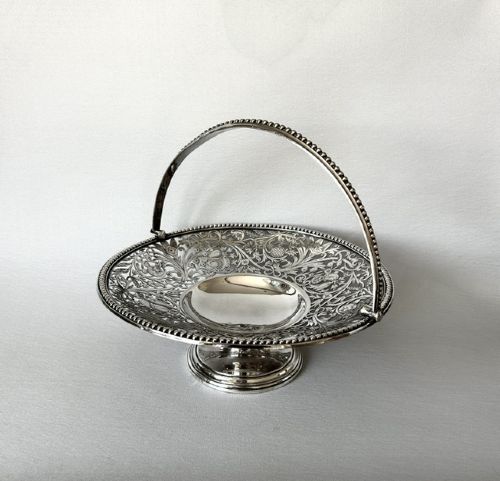
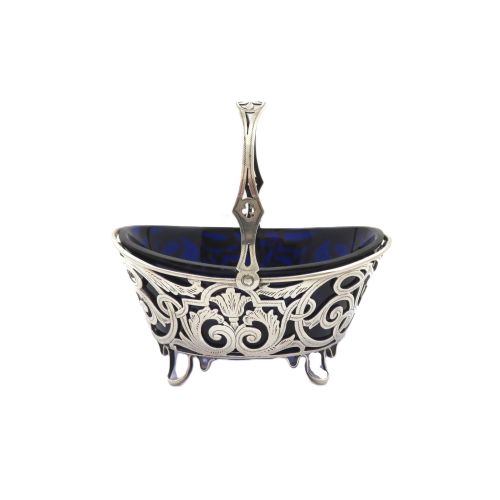
Forms range from swing-handled fruit baskets and handled dishes to grand tazze and jardinières intended to hold floral displays. You will find pieces shaped as shells with coral handles, footed bowls, and pierced vessels designed to reveal coloured glass inserts in cranberry, ruby, amber, or green vaseline tones. Stylistic influences shift from Neoclassical and Empire to organic Art Nouveau curves and hammered Arts and Crafts surfaces.
How they were made
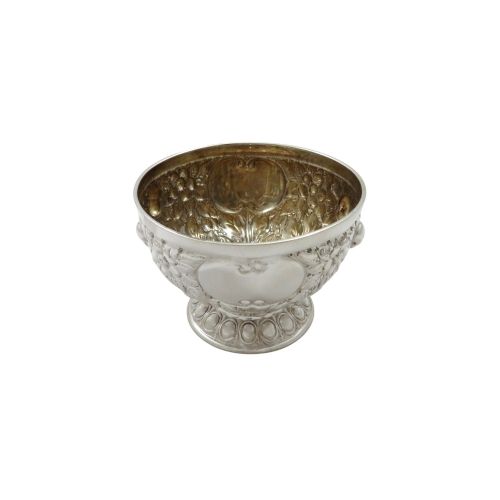
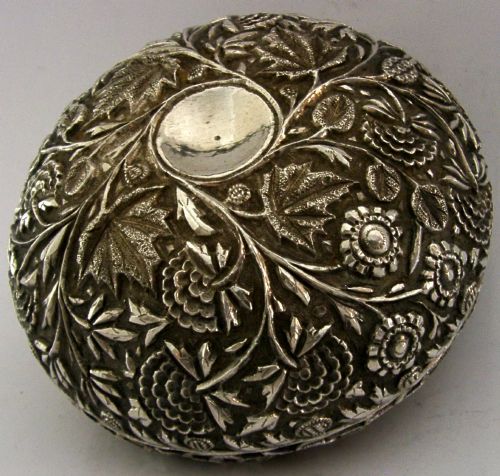
Makers shaped sterling silver and silver plate through techniques such as piercing, repoussé work, and planishing, creating textured surfaces that caught candlelight. Frames of gilt bronze, ormolu, and copper provided rigid architectural support for heavy glass components.
Glass elements were achieved through cutting, moulding, and blowing, resulting in brilliant crystal or rich coloured inserts that fitted securely into metal mounts. Old Sheffield plate employed an early fusing method of applying a thin sheet of silver to a copper base before modern electroplating techniques became widespread.
Listings span from the early nineteenth century through the Art Deco period, showcasing materials from heavy solid silver and cut glass to copper and gilt bronze.
What varies in quality
The distinction between standard production and exceptional manufacture rests on the weight of the metal and the crispness of the chased or pierced decoration. Pieces featuring heavy gauge solid silver or robust cast gilt bronze frames demonstrate superior substance compared to lighter plated alternatives.
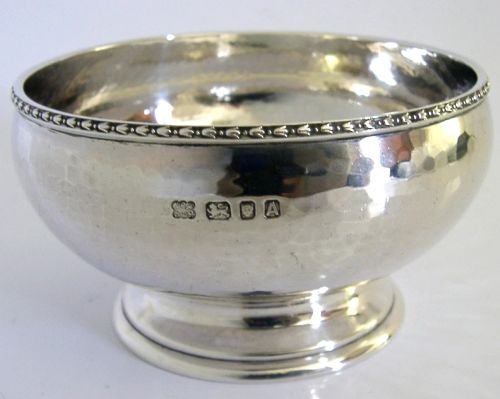
Artistic execution also dictates distinction, particularly in the hand-hammered surfaces of Arts and Crafts items or the intricate floral repoussé work on Edwardian rims. The integration of high-grade cut crystal or coloured glass liners with bespoke metal mounts elevates the overall harmony of the design.
George W Scott and Sons Ltd·Tiffany and Co·Mappin and Webb·Charles Boyton·WMF·Royal Vienna·Mason
The Antique Table Centrepiece Bowl Glossary
- Tazza
- A shallow bowl or dish mounted on a stem and foot, often utilised for serving fruit or sweets on the formal table.
- Repoussé
- A metalworking technique where the artisan hammers the design from the reverse side to form raised ornamentation on the front.
- Old Sheffield Plated
- An early composite material produced by fusing a layer of silver to a copper core, identifiable by subtle copper seams.
- Planished
- A metal surface finish achieved by hammering with a small-headed tool, leaving deliberate, uniform facets across the silver.
Antique Table Centrepiece Bowl: Frequently Asked Questions
What is an antique centrepiece bowl used for?
These vessels historically served as the physical and visual anchor of a dining table, holding fruit, sweetmeats, or floral displays for formal meals.
Over time, their decorative utility adapted to sideboards and mantelpieces, where their coloured glass inserts and worked metal mounts added ornamentation to a room.
How do I identify a Victorian centrepiece?
Victorian examples frequently display heavy silver plating or sterling silver construction, often featuring elaborate Neo-Classical motifs, pierced scrollwork, or naturalistic themes like shells and coral.
Look for period hallmarks on silver items, which help narrow down the exact decade of manufacture during the nineteenth century.
How do I care for silver and glass bowls?
Maintain silver components with appropriate non-abrasive polishes applied gently to preserve chased details and hallmarks without wearing down the underlying metal.
Wash glass liners by hand in lukewarm water to protect antique crystal and coloured glass from thermal shock or accidental chipping.
What distinguishes Art Nouveau bowls?
Art Nouveau centrepieces from around 1900 showcase organic, fluid lines inspired by natural forms, frequently executed by makers such as WMF in silver plate.
They often incorporate striking green vaseline or amber glass inserts that complement the sinuous, asymmetrical metal frames.