


Amber Glass Dish
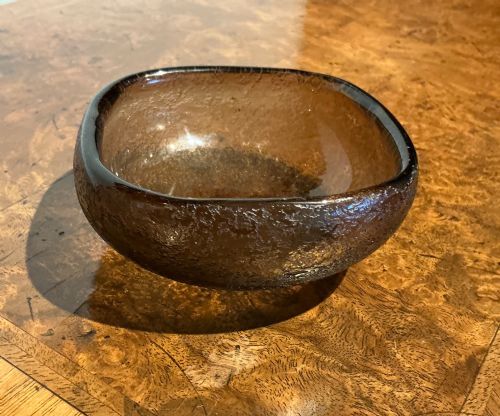
These amber glass dish examples bring rich warmth and distinctive form to a room, drawing on decades of skilled glassmaking.
Amber Glass Dish
An amber glass dish encompasses decorative bowls, trinket boxes, bonbon dishes, and plates produced across various historical periods. When searching for an amber glass dish, a buyer encounters pieces originating from English, French, Italian, and Venetian makers. The forms span Victorian engagement with glass up through Art Nouveau, Art Deco, and Mid-Century Modern designs.
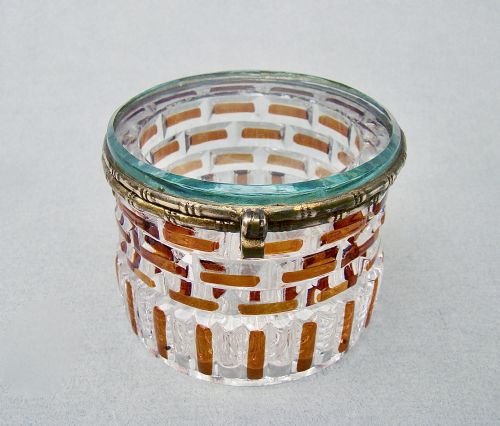
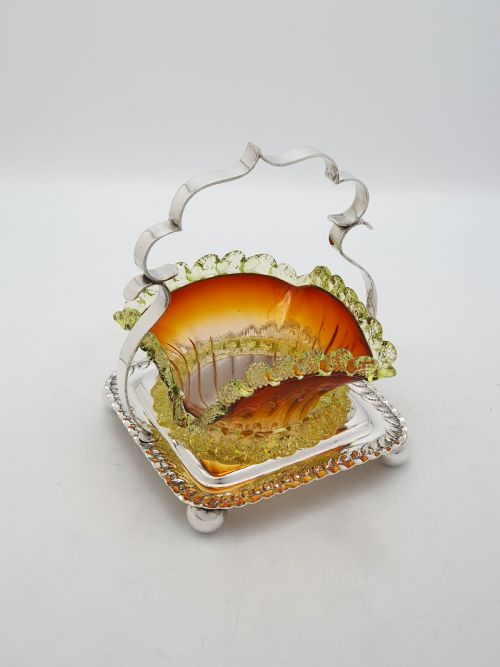
Moulded and pressed techniques appear alongside delicate lead crystal and Murano glass. Pieces range from lidded trinket boxes to open decorative bowls and plates, often incorporating brass or silver plate mounts. These items serve functional roles on dressing tables or function purely as decorative glassware.
How they were made
Glassmakers utilised traditional moulding and pressing techniques to shape molten material into robust dishes and bowls. Master craftsmen incorporated components such as silver plate and brass mounts to frame the warm glass body.
Specialised decorative methods included latticinio glass decoration, sepia staining, and engraving on lead crystal. Workshops applied colouring agents directly to the glass batch to achieve the characteristic rich amber hue.
Ducks and dogs occasionally make an appearance in the archive, perched atop amber glass pin dishes and plates.
What varies in quality
The sophistication of the design and the reputation of the workshop dictate the standing of a piece within its category. Named designers and established factories contribute to greater demand through refined execution.
The clarity of the glass, the depth of colour, and the precision of moulded or engraved details distinguish standard domestic vessels from exceptional studio works.
Venini·Baccarat·Salviati·Rene Lalique
The Amber Glass Dish Glossary
- Amber glass
- Glass coloured through the addition of various metallic oxides during the melting process. This produces tones ranging from deep honey to rich yellow-brown.
- Moulded glass
- Glass formed by pressing molten material into a metal or wooden mould to create specific patterns and shapes. This technique allows for consistent production of decorative vessels.
- Lead crystal
- A high-clarity glass containing metallic oxide that increases the weight and brilliance of the material. It catches light more effectively than standard soda-lime glass.
- Latticinio
- A Venetian glass technique involving opaque white or coloured glass threads embedded within clear glass. It creates delicate net-like patterns across the surface.
- Tazza
- A shallow ornamental bowl or plate mounted on a stem and foot. It often serves as a centrepiece or display dish.
Amber Glass Dish: Frequently Asked Questions
How are amber glass dishes cleaned safely?
Wash the glass gently in warm, soapy water using a soft cloth to protect the surface. Avoid abrasive scourers and harsh chemicals that might scratch or dull the material.
Dry the piece immediately with a lint-free cloth to prevent water spots. Take particular care with pieces that include silver plated or brass mounts to avoid tarnishing the metal components.
What periods do these dishes come from?
The pieces span multiple eras, beginning around the Victorian period and extending through Edwardian, Art Nouveau, and Art Deco styles. Mid-Century Modern designs also appear within this category.
Production dates recorded in the evidence range from the mid-nineteenth century up to the 1930s. Each era brings distinct decorative motifs and manufacturing techniques to the glassware.
How were these dishes originally used?
Many of these items functioned as decorative bowls and plates for display within domestic interiors. Others served practical purposes on dressing tables as trinket boxes or pin dishes.
Smaller lidded vessels held small personal items, while bonbon dishes presented sweets to guests. Larger bowls acted as table centrepieces or decorative focal points in a room.
What materials accompany the glass?
Some pieces incorporate metal elements such as silver plate and brass to form stands, rims, or lidded mounts. These metal additions complement the warm tones of the amber glass.
The primary material remains glass, utilised in various forms including pressed glass, moulded glass, lead crystal, and Murano glass. Specialised decorations feature sepia staining or intricate latticinio thread work.