








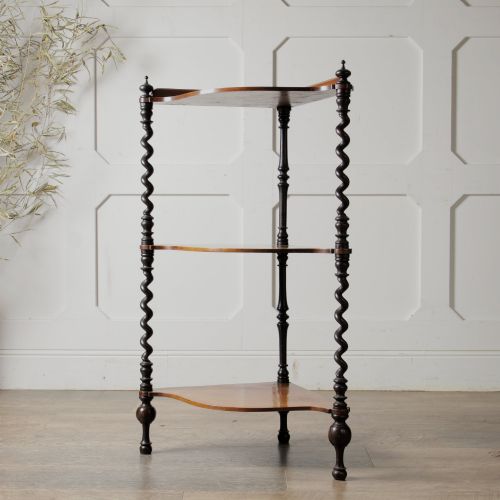
Antique Corner Display Shelf
An antique corner display shelf turns empty room angles into purposeful display space using period timber and tiering.
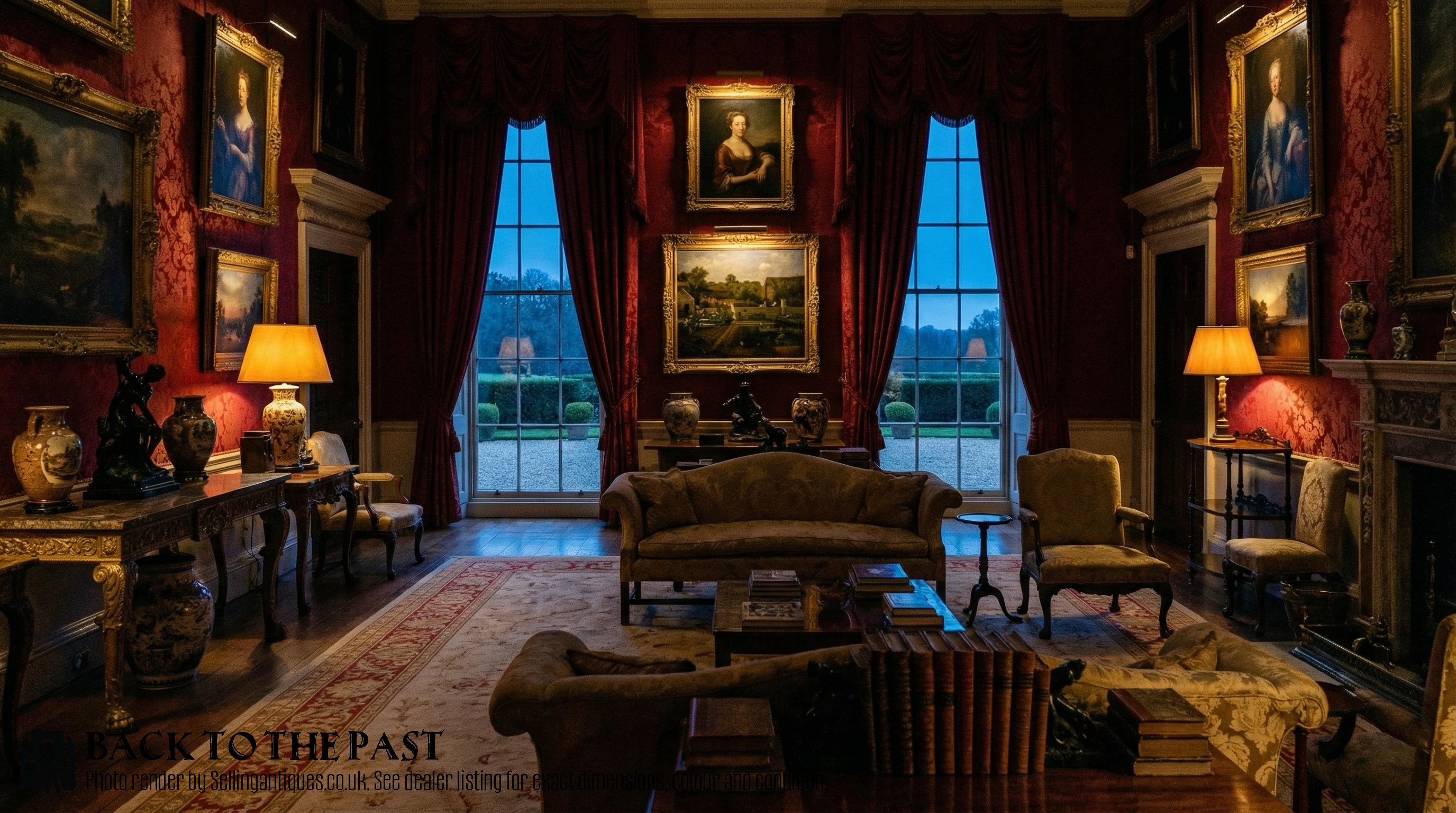
Antique Corner Display Shelf
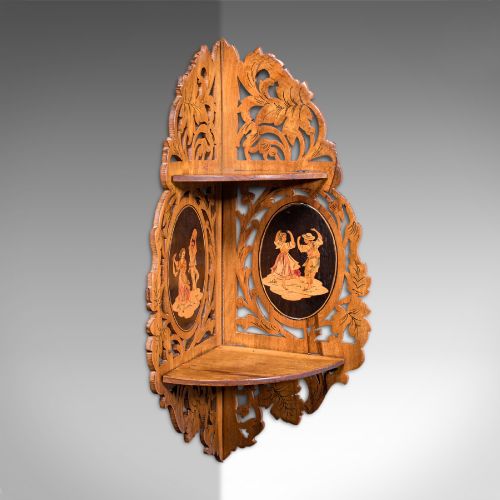
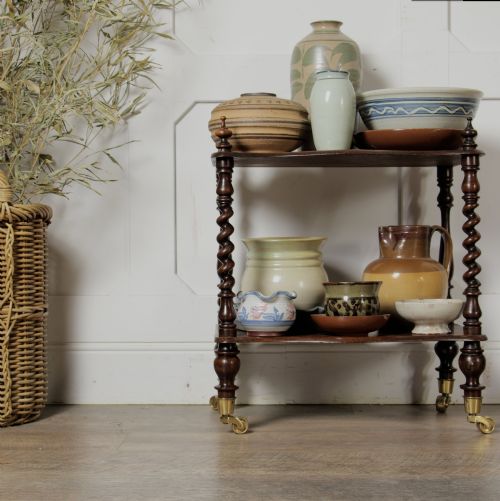
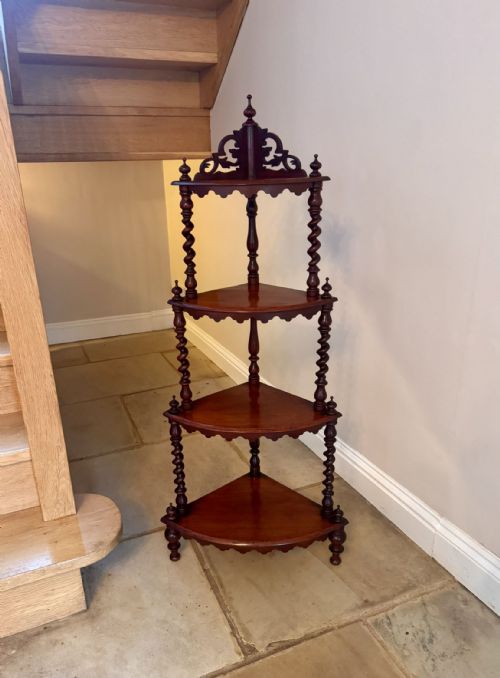
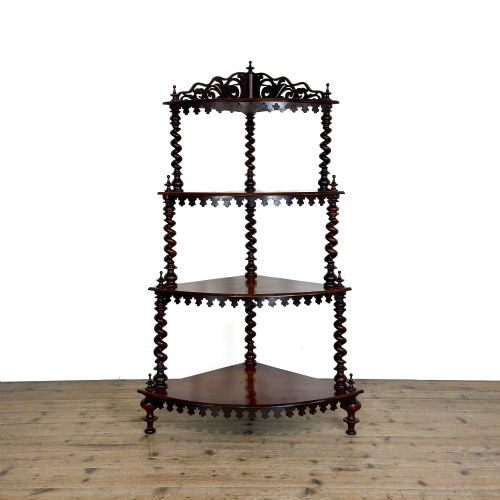
An antique corner display shelf appears across this selection in various tiered and cabinet forms designed to fit room angles. The evidence shows pieces spanning the eighteenth, nineteenth, and early twentieth centuries, covering Georgian, Victorian, and Edwardian periods.
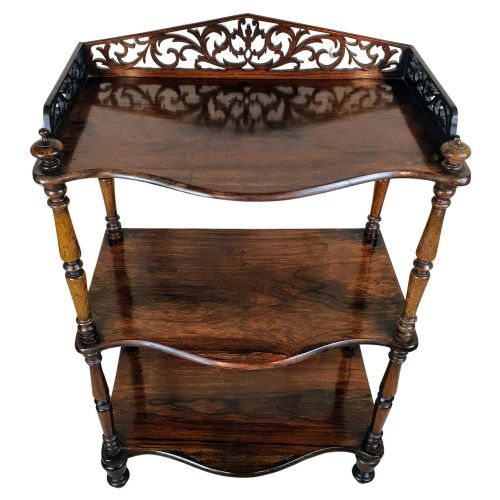
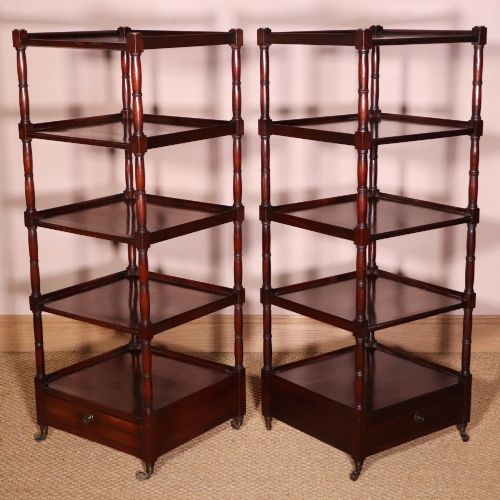
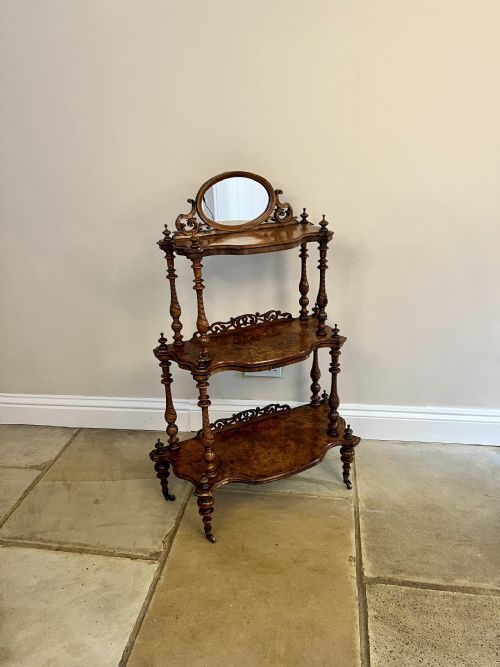
The most common form you will meet on this page is the Victorian walnut or mahogany whatnot, alongside corner cabinets, etageres, and open shelving units. Makers utilised mahogany, walnut, burr walnut, rosewood, and bamboo to construct these architectural display pieces.
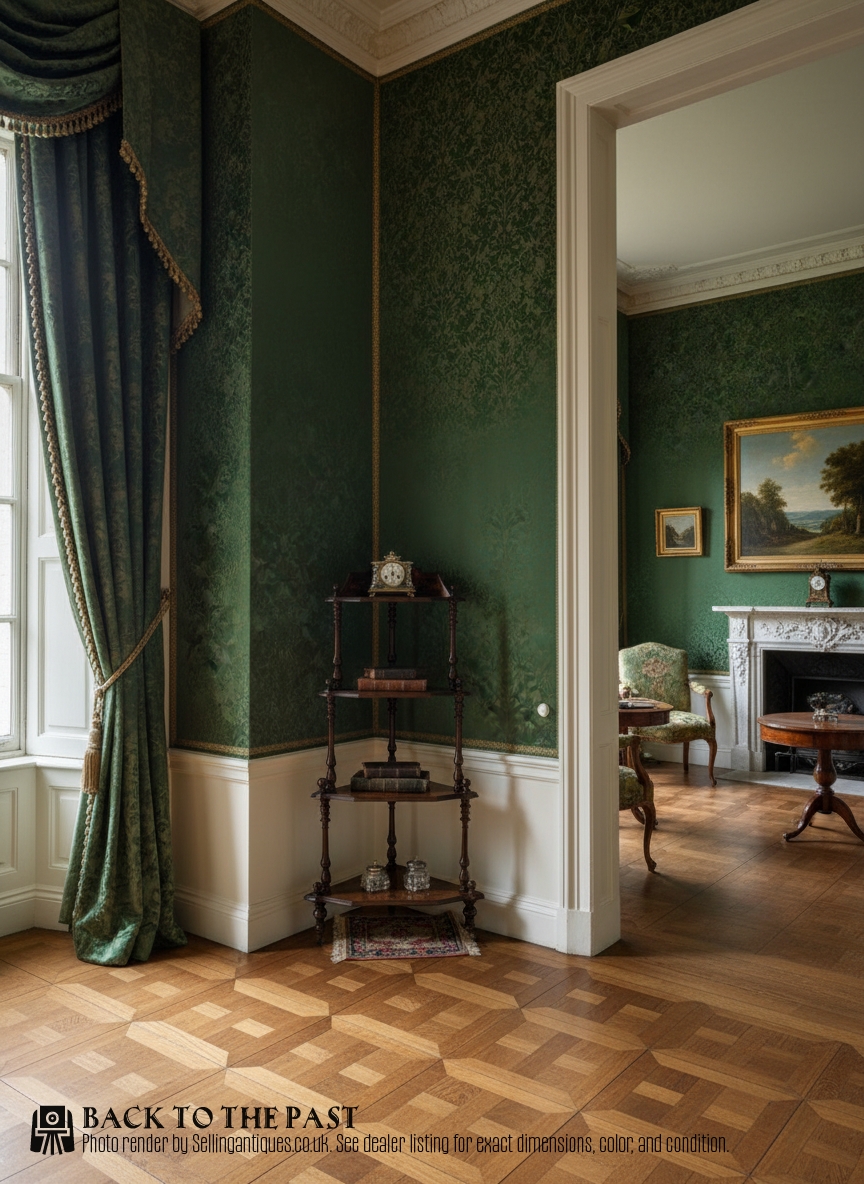
Materials and construction
Cabinetmakers constructed these shelves using dense hardwoods like mahogany and walnut, frequently selecting burr walnut for its rich, swirling grain patterns. Turnings, barley twist supports, and inlaid parquetry demonstrate the detailed joinery employed during the nineteenth century.
Gilt metal mounts, brass details, and mirrored glass occasionally accent the wood structures, while specialised examples incorporate bamboo or painted finishes. These construction methods allowed makers to produce sturdy tiered platforms capable of holding decorative objects safely in room corners.
Antique Corner Display Shelf Retail Price Guide 2026
Typical asking prices for corner display shelf among the pieces listed under this phrase on Sellingantiques today, from the lower quarter to the upper quarter. They describe what is for sale here now, not the wider market.
The listings span multiple centuries, incorporating Georgian, Victorian, and Edwardian periods alongside materials ranging from mahogany to olive wood.
Defining quality
Quality in these corner pieces rests upon the selection of timber and the precision of the cabinetwork rather than sheer size. Fine examples display carefully matched burr veneers, crisp carving on turned supports, and balanced proportions across multiple tiers.
Exhibition or superior pieces show meticulous attention to secondary details such as inlaid parquetry, sturdy bracket feet, and integrated brass fittings. Lesser examples rely on plain timber without the refined grain selection or structural refinement found at the top of the range.
Gillows·Edwards & Roberts·John Stow Ltd
The Antique Corner Display Shelf Glossary
- Whatnot
- An open set of multi-tiered shelves designed for displaying ornaments and small objects. It gained popularity during the Victorian period for parlour and drawing room display.
- Etagere
- A piece of furniture consisting of a series of open shelves for displaying ornaments. They often feature delicate supports and tiered platforms.
- Burr Walnut
- A specialised wood cut from the burl growth of a walnut tree, yielding highly decorative swirling grain patterns. Cabinetmakers utilised this veneer on high-status Victorian furniture.
- Barley Twist
- A turned wooden column carved in a spiral helix resembling twisted barley sugar. This decorative support appears frequently on nineteenth-century stands.
- Parquetry
- Geometric mosaic woodwork used for decorative surface patterns. Makers applied these patterned veneers to tabletops and shelf surfaces.
Antique Corner Display Shelf: Frequently Asked Questions
Where should I place a corner shelf?
These pieces fit naturally into unused room angles, turning dead wall space into a focal point for decorative objects. They sit securely against intersecting walls without projecting too far into the floor plan.
Position yours away from direct heat sources and strong sunlight to protect nineteenth-century wood veneers and polished timber surfaces from drying out.
What items go on a whatnot?
Tiered shelves and whatnots traditionally held small ornaments, porcelain figures, framed photographs, and collectible glassware. The graduated tiers allowed smaller items to sit on top while heavier pieces rested at the base.
Keep the weight distributed evenly across the shelves to maintain the stability of freestanding and hanging corner units.
How do I identify a Victorian piece?
Victorian examples in the evidence frequently utilise dark timbers such as mahogany, rosewood, and burr walnut. You will often see turned columns, barley twist supports, or fretwork galleries framing the tiers.
Examine the backboards and fixings for period hand-cut screws or traditional joinery methods that distinguish nineteenth-century production from later reproductions.
Are these shelves difficult to clean?
Dusting multi-tiered shelving requires careful handling, especially around delicate turned spindles and inlaid wood surfaces. A soft, dry cloth removes surface dust without harming the antique polish.
Avoid modern liquid polishes containing silicone, relying instead on traditional beeswax formulations to maintain the timber's natural lustre over time.