



Antique Continental Figurines
When you search for antique continental figurines, you are looking at centuries of European kiln craft and precious metal casting captured in human, animal and allegorical forms.
Antique Continental Figurines
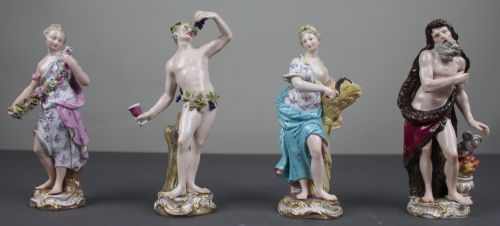
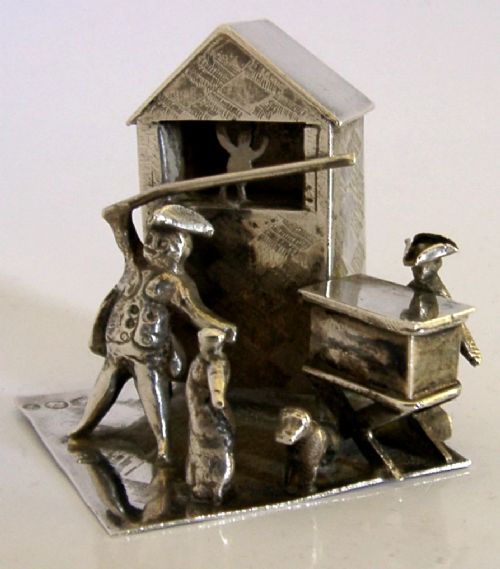
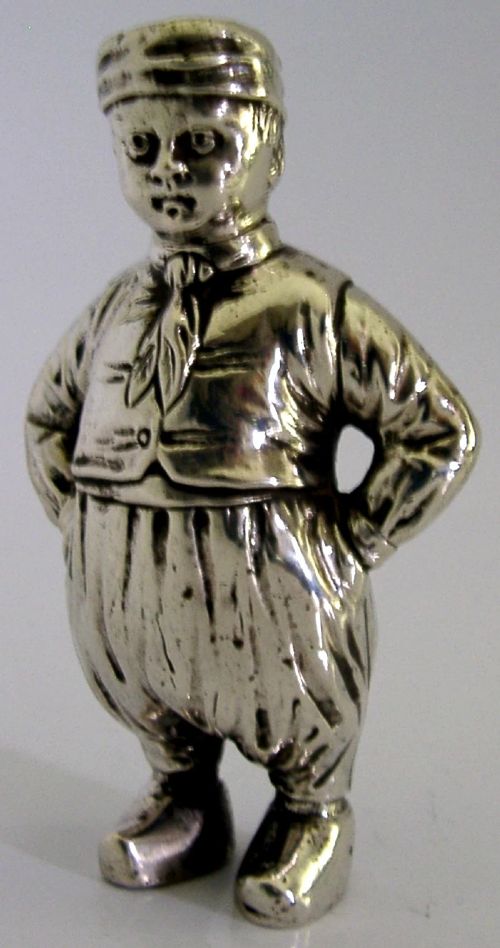
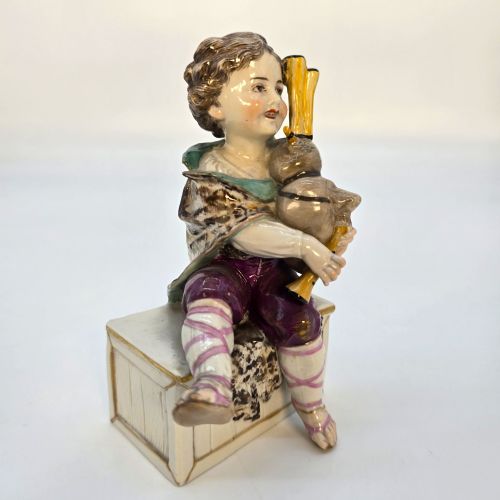
Antique continental figurines comprise sculptural ceramic, porcelain and solid silver table pieces originating from European workshops and factories. When you examine the selection here, you will encounter pastoral figures, mythological groups, and detailed animal models.
The material record spans hard-paste porcelain, earthenware, and sterling or 800-grade silver. These objects served as decorative ornaments, centrepieces, and novelties for European drawing rooms.
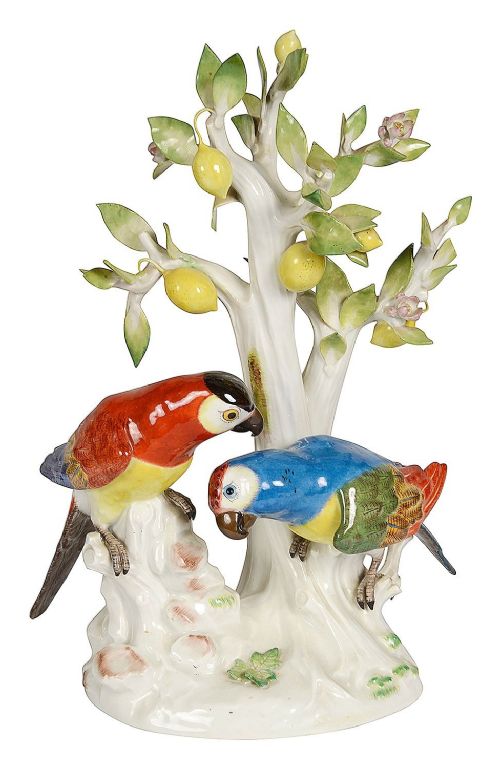
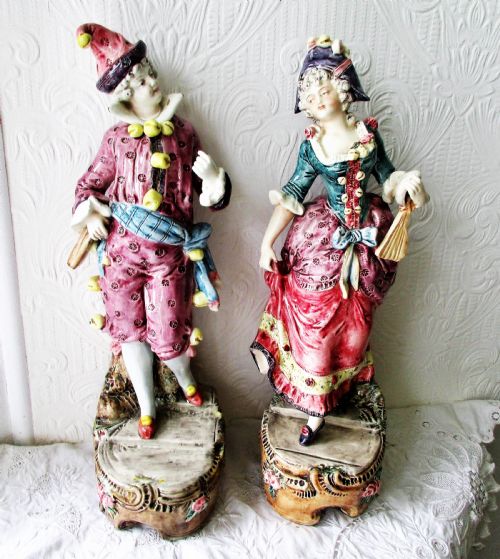
Porcelain examples frequently emerge from major German and French kilns, while silver figures often originate from Dutch and German silversmiths. You will find both single display pieces and balanced pairs designed for mantels and cabinets.
How They Were Made
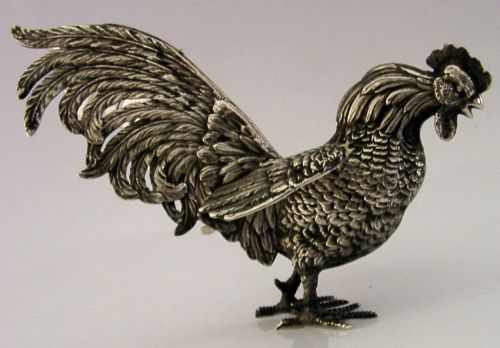
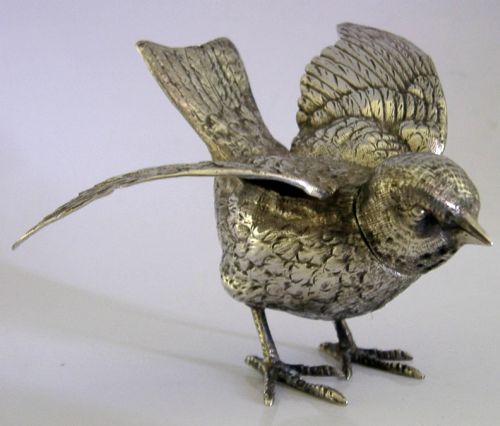
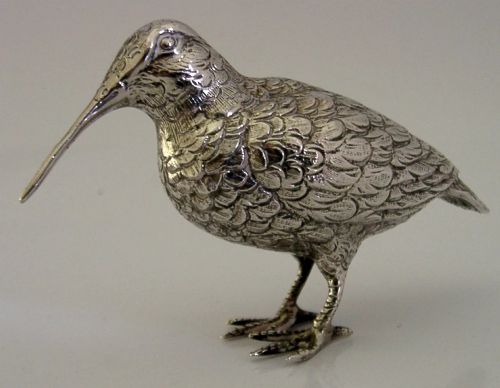
Silver models utilise casting and repoussé techniques, where silversmiths hammered sheet metal from the reverse or poured molten metal into detailed moulds. Artisans then chased the surface by hand to render feathers, fur, and clothing textures.
Terracotta and earthenware pieces employ moulded clay bodies finished with glazes or cold-painted pigments. These ceramic techniques allowed workshops to produce complex sculptural groupings with undercut details.
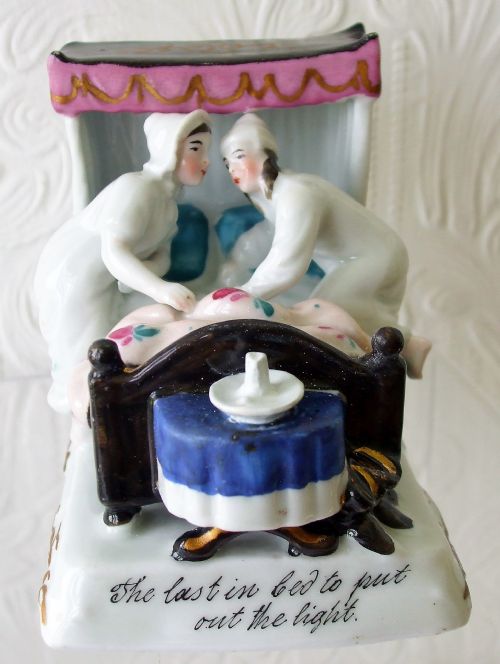
One German fairing captures a Victorian domestic debate titled The Last in Bed to Put Out the Light.
What Varies in Quality
The distinction between ordinary and exceptional pieces lies in the precision of the moulding and the sensitivity of the hand-painting. Superior porcelain preserves crisp facial expressions and delicate foliage details without losing definition in the kiln.
In silver models, quality rests on the depth of the hand-chasing and the realism of the anatomical proportions. Master silversmiths achieved lifelike movement in figures like birds and musicians through careful hand-tooling after the initial casting.
Meissen Porcelain·Volkstedt Rudolstadt Factory·Samson of Paris·C G Schierholz·Carl Thieme Dresden·Vion et Baury·George Van Der Straeten
The Antique Continental Figurines Glossary
- Hard-paste porcelain
- A dense, vitrified ceramic composed of kaolin and petuntse fired at very high temperatures. It forms the durable body of many 18th- and 19th-century German figures.
- Gilding
- The application of gold leaf or powdered gold to the surface of porcelain or metal. This technique highlights decorative trims, clothing borders, and architectural elements.
- Enamel
- Opaque glass fused to metal or porcelain surfaces through firing. Painters used enamel colours to create permanent, vibrant polychrome decoration on garments and skin.
- Repoussé
- A metalworking technique where the smith hammers the metal from the reverse side to create a raised design in relief. It provides the primary contour before fine chasing begins.
- Sweetmeat figure
- A decorative porcelain or silver dish holder shaped as a human figure. These served edible dry sweets or confectioneries at formal dining tables.
Antique Continental Figurines: Frequently Asked Questions
How do I clean antique porcelain figurines?
Dust porcelain pieces gently with a soft, dry brush to prevent dirt accumulation in crevices and painted details. Avoid soaking glazed ceramics in water, particularly if they feature cold-painted pigments or delicate applied flowers.
Keep pieces away from direct sunlight and areas prone to extreme temperature shifts to protect the glaze and enamel decoration from degradation over time.
Were silver animal figures used as tableware?
Many silver animal figurines functioned as functional cruets, pepper pots, or sugar boxes during formal dining. Objects shaped as birds or figures often contained internal compartments and removable parts for dispensing condiments.
Other silver models served purely as table ornaments and conversational centerpieces for wealthy households.
What is the difference between porcelain and earthenware?
Hard-paste porcelain is fully vitrified, non-porous, and rings when tapped, whereas earthenware is a porous, opaque ceramic body fired at lower temperatures. Earthenware figures often carry opaque glazes or cold-painted finishes rather than high-temperature glass enamels.