
Antique Condiment Dishes
When you search for antique condiment dishes, you enter a world of tablewares crafted to hold salts, mustards, preserves and pickles.
Antique Condiment Dishes
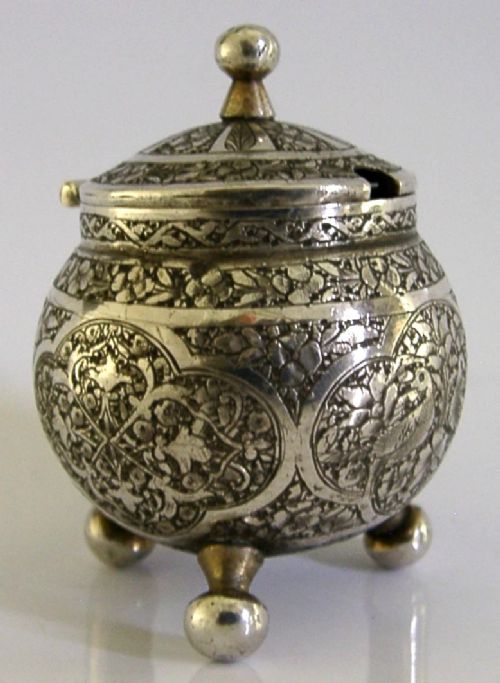
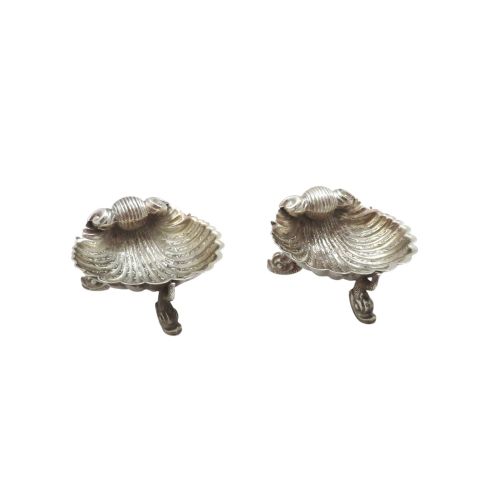
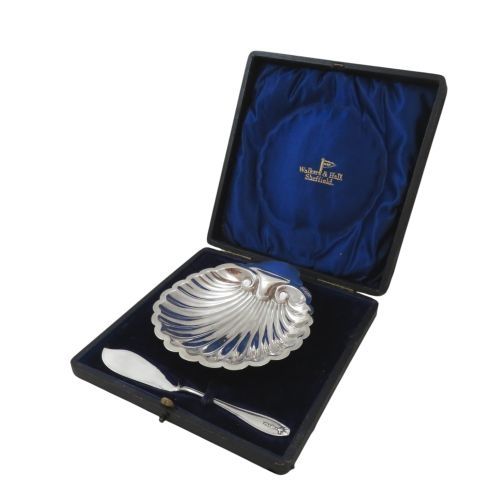
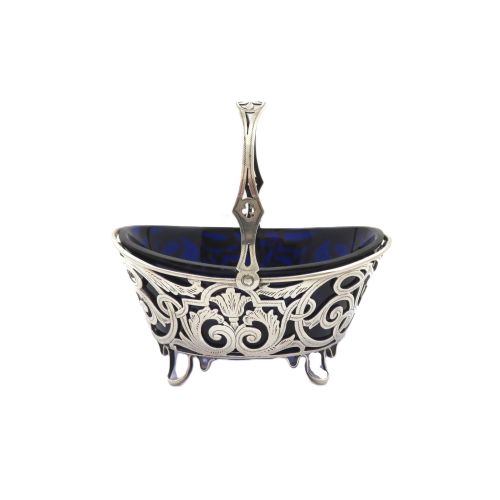
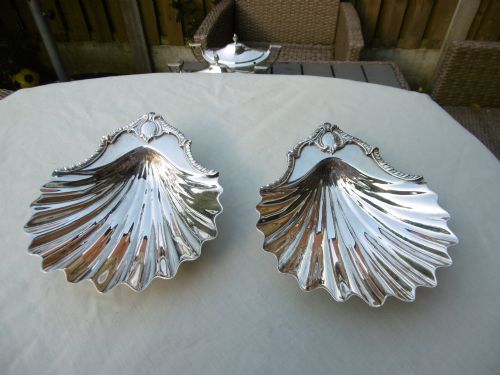
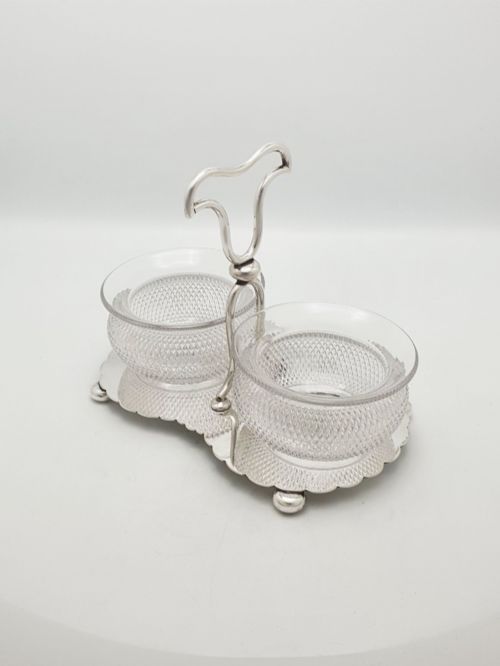
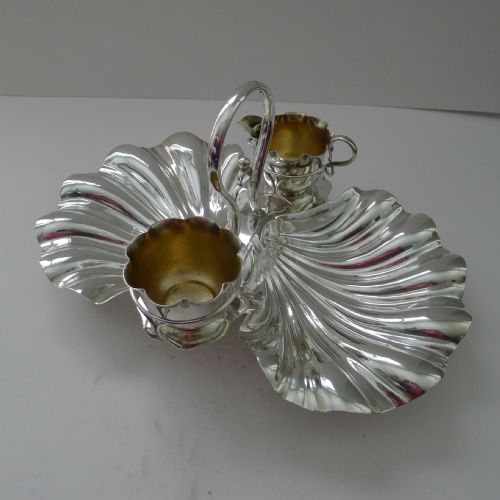
Antique condiment dishes encompass salt cellars, mustard pots, preserve dishes, pickle dishes and condiment stands designed for the dining table. The pieces found here stretch from the eighteenth century through the Victorian and Edwardian eras into the twentieth century, displaying forms such as scallop shells, baskets, tubs and leaf trays.
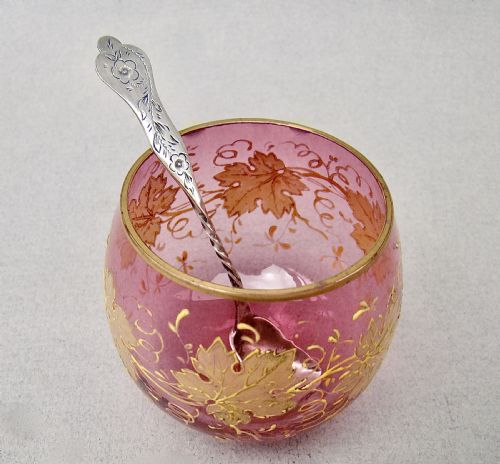
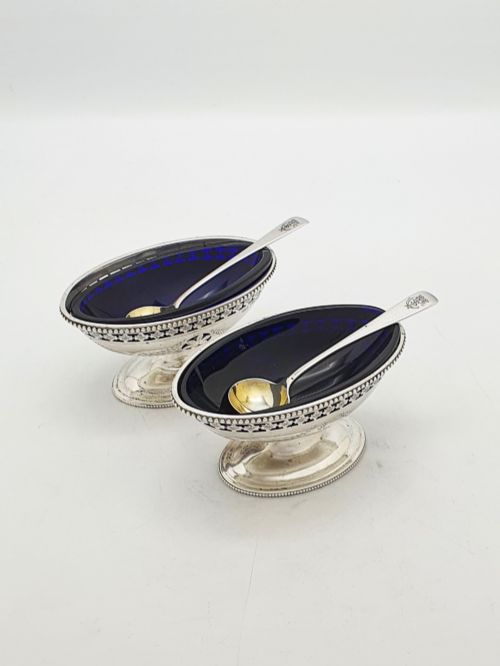
The materials span sterling silver, silver plate, cut glass, cranberry glass, cobalt glass and soft-paste porcelain. Makers utilise these media to create functional vessels that frequently retain their original glass liners or matching spoons.
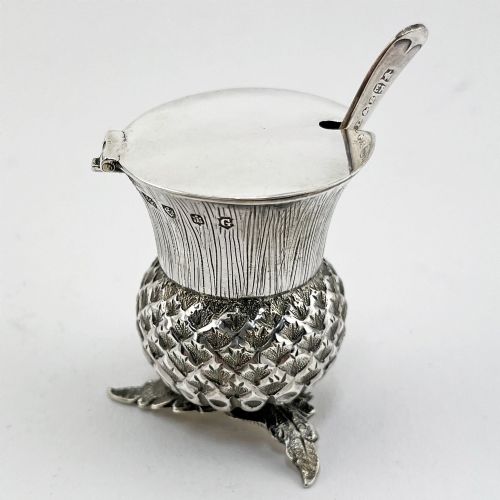
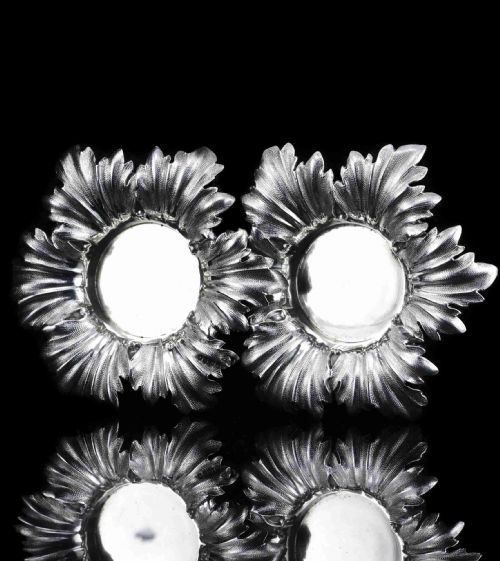
Victorian and Edwardian examples sit alongside Georgian pieces and later twentieth-century designs. Collectors encounter everything from naturalistic flower motifs and thistle shapes to geometric Art Deco items.
Materials and Technique
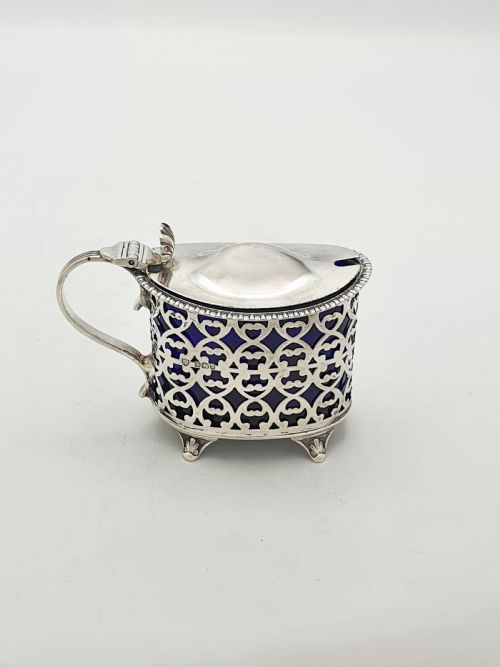
Silversmiths constructed solid silver and silver-plated condiment pieces using techniques such as piercing, chasing and casting, producing complex foliate patterns and animal forms like swans and double-headed birds. Glass components were blown, moulded and cut to fit silver frames or served as independent vessels with contrasting colours like cobalt blue and cranberry.
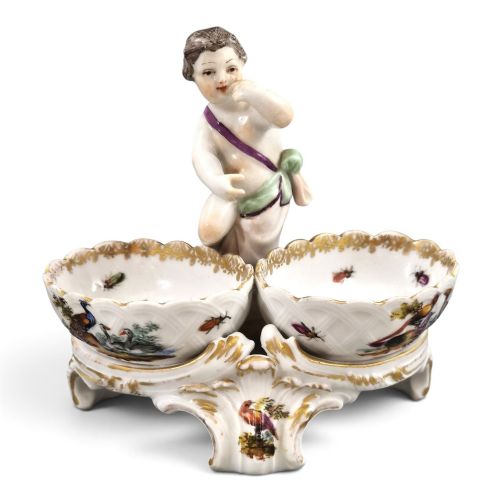
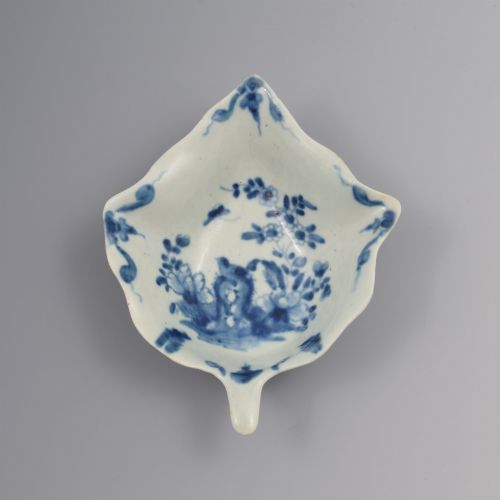
Porcelain pickle dishes and butter boats from eighteenth-century factories employed soft-paste ceramic bodies decorated with hand-painted patterns such as peony, rock and bird designs. Metalworkers combined these elements with fitted glass inserts, hinged lids and movable wings to create functional table service items.
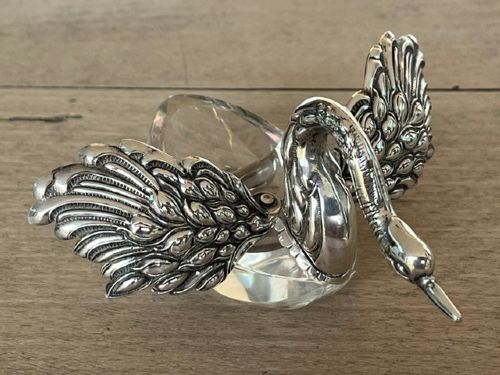
Swans feature as butter dishes and salt cellars with movable wings, ready to grace the dining table.
Distinctions in Manufacture
Quality rests in the crispness of the chasing, the weight of the silver, and the harmony between metal mounts and glass inserts. Pieces featuring hand-painted porcelain details or well-executed figural designs display a higher level of artisan skill.
The presence of original coloured glass liners, matching spoons and maker marks elevates the standing of a piece. Finer examples show careful attention to internal proportion, secure hinges and balanced structural forms.
William Plummer·KPM Berlin·Moser·Barnards·Daniel Arter·Dr Wall·Hukin and Heath·William Bateman·Edward Farrell·Pennington·Roberts and Belk
The Antique Condiment Dishes Glossary
- Salt Cellar
- A small open bowl or vessel designed to hold table salt for individual diners. They frequently incorporate cobalt glass or cranberry glass liners.
- Pickle Dish
- A small serving dish intended for pickles or relishes, commonly found in leaf-shaped porcelain from eighteenth-century factories.
- Condiment Stand
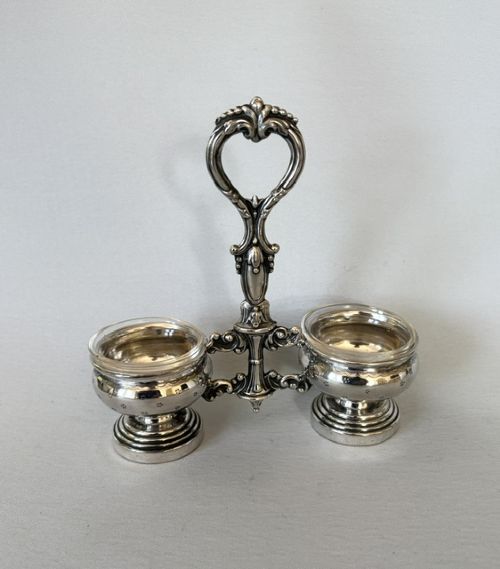
- A multi-part frame holding two or more glass bowls, jars or pots for various table sauces and seasonings. They often feature a central carry handle.
- Soft-paste Porcelain
- An artificial porcelain composition fired at lower temperatures than hard-paste, typical of eighteenth-century English factories like Worcester.
- Chasing
- A metalsmithing technique where the artisan punches and hammers the metal from the front to raise decorative surface patterns and foliate designs.
Antique Condiment Dishes: Frequently Asked Questions
What are antique condiment dishes used for?
These vessels held individual portions of salt, mustard, relish, pickles or preserves on the formal dining table. Diners used small spoons to transfer condiments from the dishes to their plates.
Today, collectors repurpose these small silver and glass items to hold rings, small trinkets or modern table condiments.
How do I identify a Georgian condiment piece?
Georgian silver condiment pieces often display Rococo influence, heavy gauge silver, and handcrafted hallmarks indicating dates before the nineteenth century. They frequently take naturalistic forms such as scallop shells.
Porcelain pickle dishes from this era exhibit soft-paste bodies with hand-painted underglaze blue patterns typical of eighteenth-century makers.
Why do some salt cellars have coloured glass liners?
Glass liners protected the silver from the corrosive effects of salt and vinegar-based condiments. Cobalt blue and cranberry glass provided a striking visual contrast against polished sterling silver or silver plate.
Original liners add authenticity and value to open salt cellars and mustard pots.
How should I clean antique silver condiment dishes?
Clean sterling silver and silver plate gently with a specialised silver cloth to remove tarnish without harming the underlying metal or chasing. Avoid harsh chemical dips that strip the natural patina accumulated over decades.
Glass liners and porcelain dishes wash safely in warm soapy water, taking care with delicate eighteenth-century ceramics.