


Antique Compact Desk
An antique compact desk provides a practical writing surface within small proportions, suiting modern rooms while retaining period character.
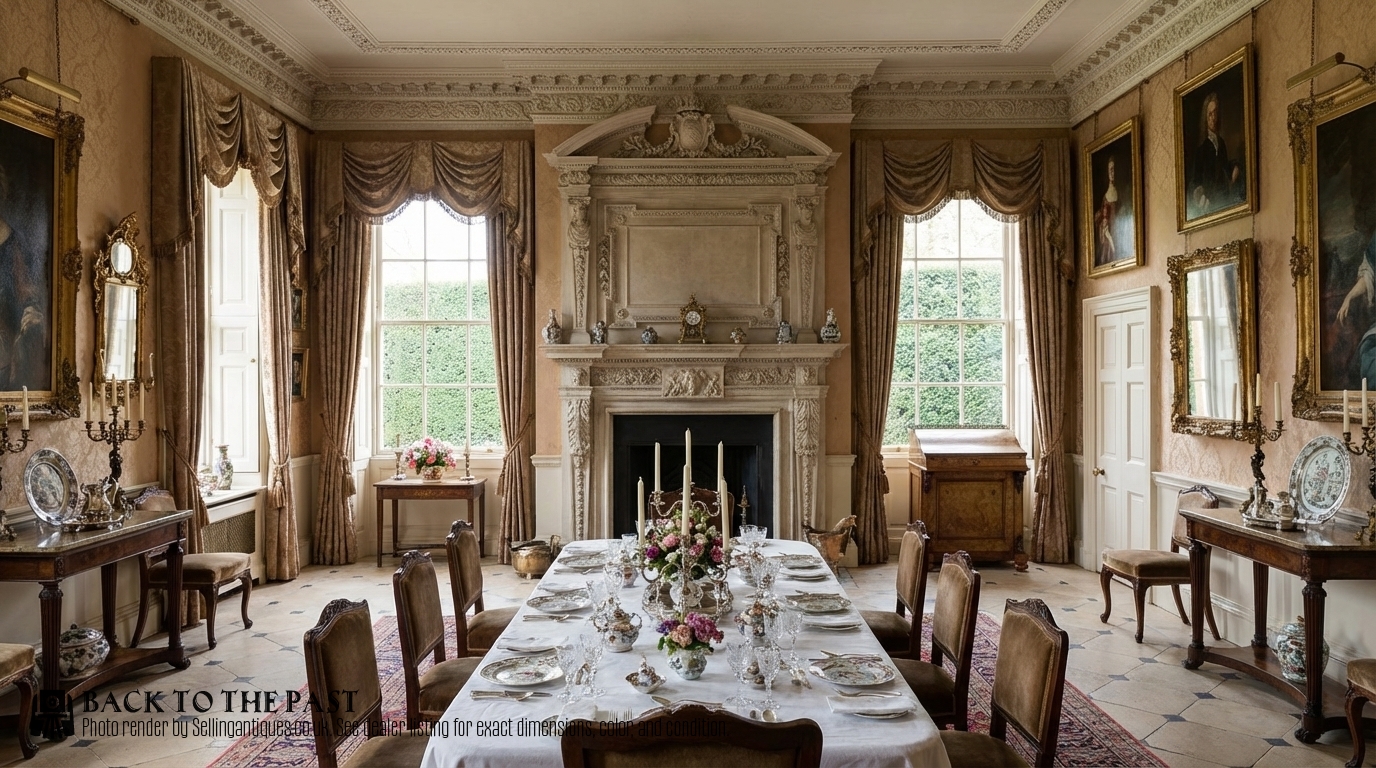
Antique Compact Desk
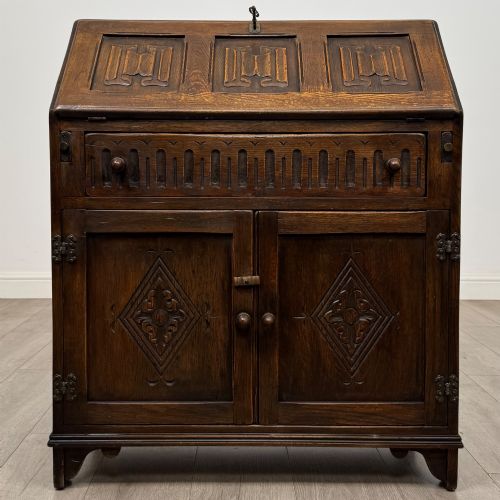
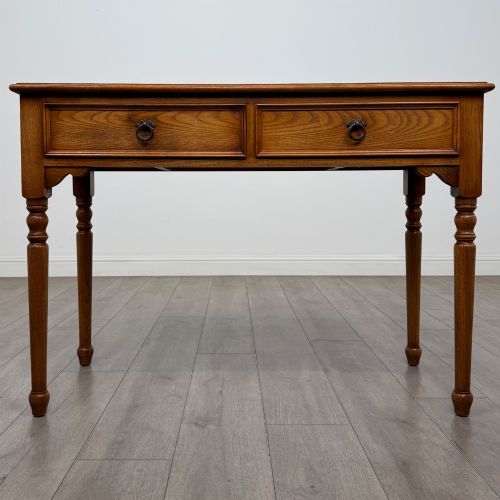
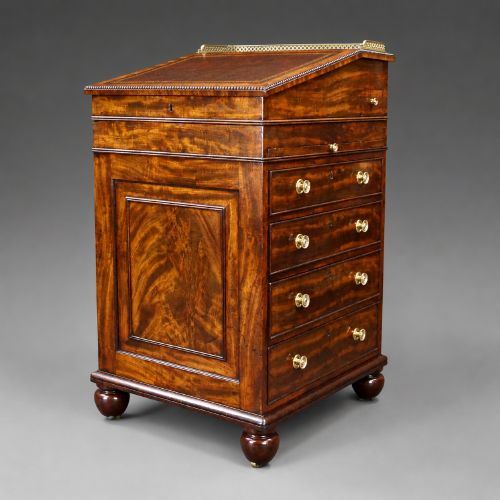
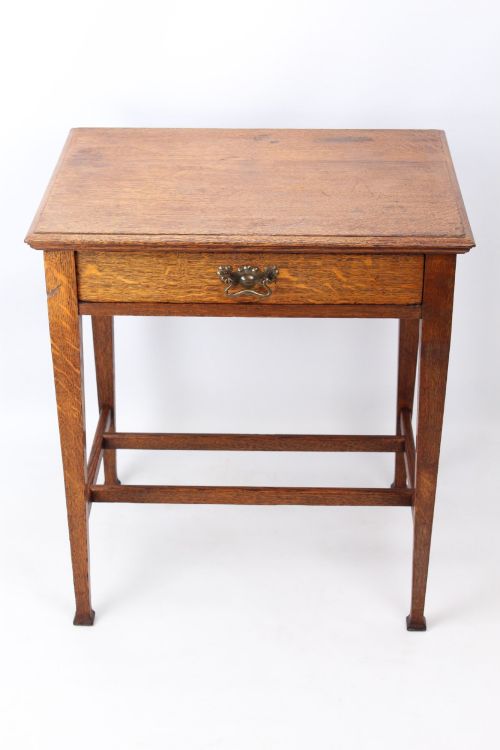
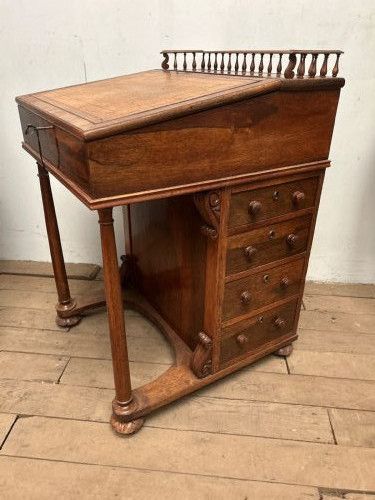
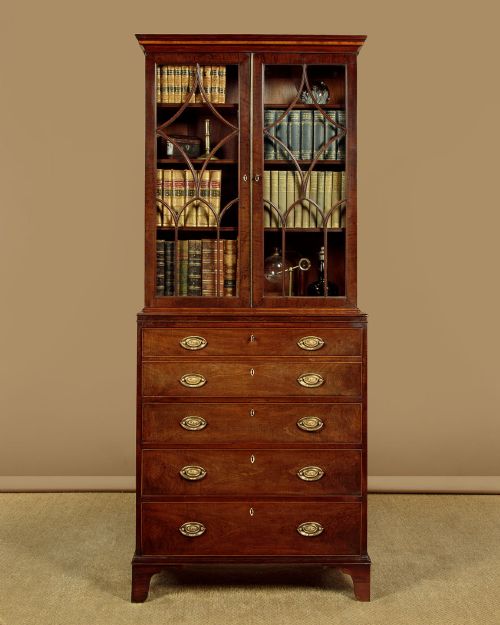
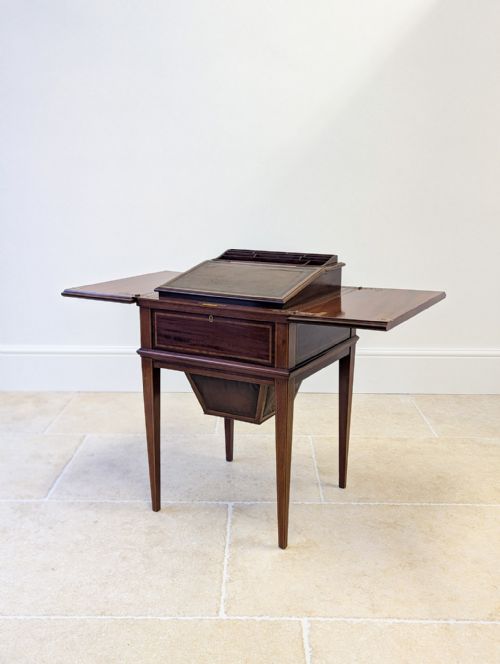
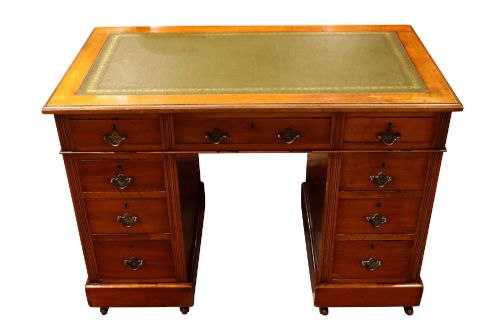
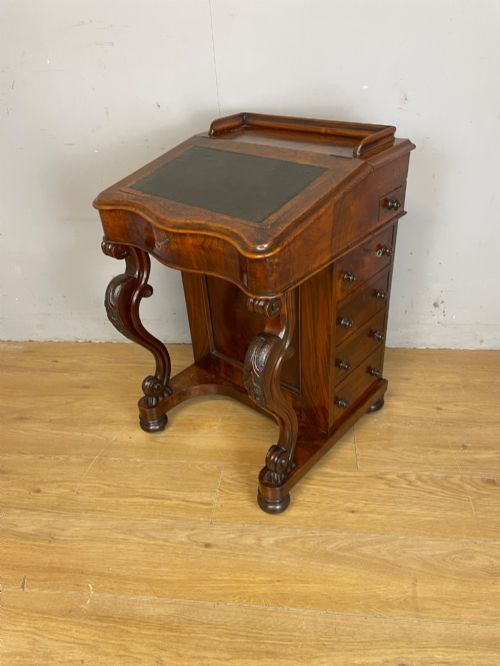
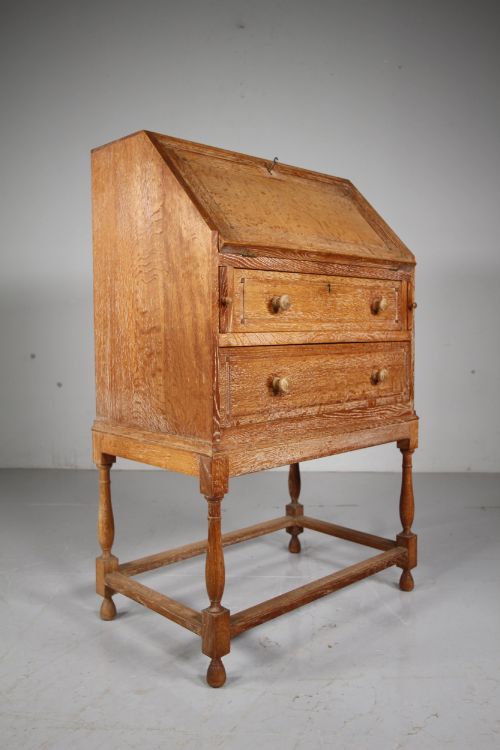
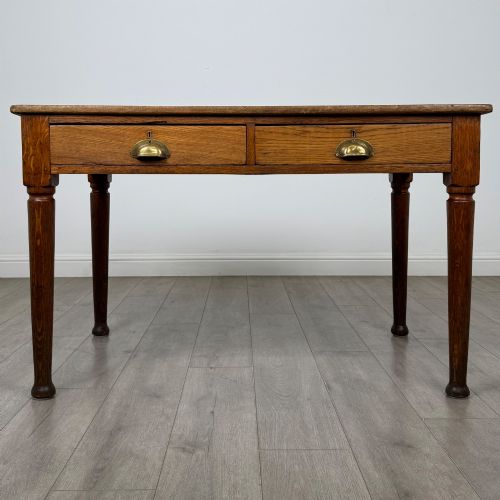
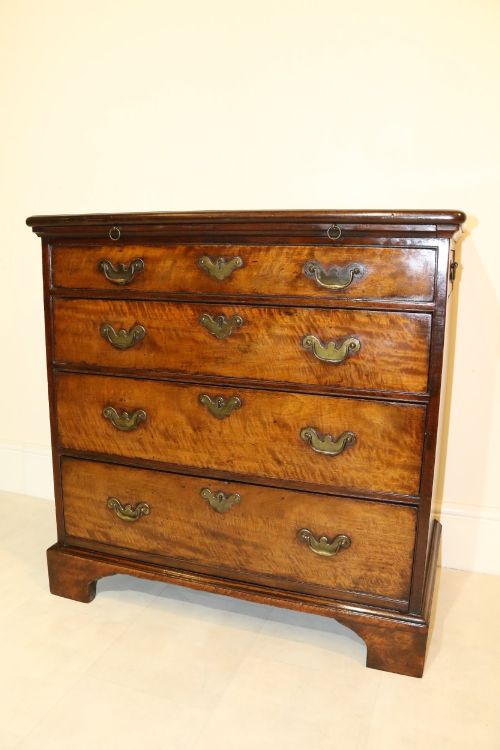
An antique compact desk covers various small-scale writing forms designed to fit modest spaces without sacrificing workspace. Buyers searching for an antique compact desk frequently encounter pieces such asbureaux, writing tables, Davenport desks, and kneehole desks originating from the eighteenth, nineteenth, and early twentieth centuries.
The selection ranges from Georgian mahogany kneehole desks and Regency rosewood Davenports to Edwardian oak bureaux and Arts and Crafts writing tables. Smaller proportions define these pieces, making them suitable for contemporary studies or bedrooms where space remains limited.
Makers utilised diverse regional timbers and cabinet-making traditions, resulting in varied regional expressions across the eras. Edwardian oak and walnut examples sit alongside earlier mahogany and yew pieces, each retaining functional compartments or drawers suited to daily correspondence.
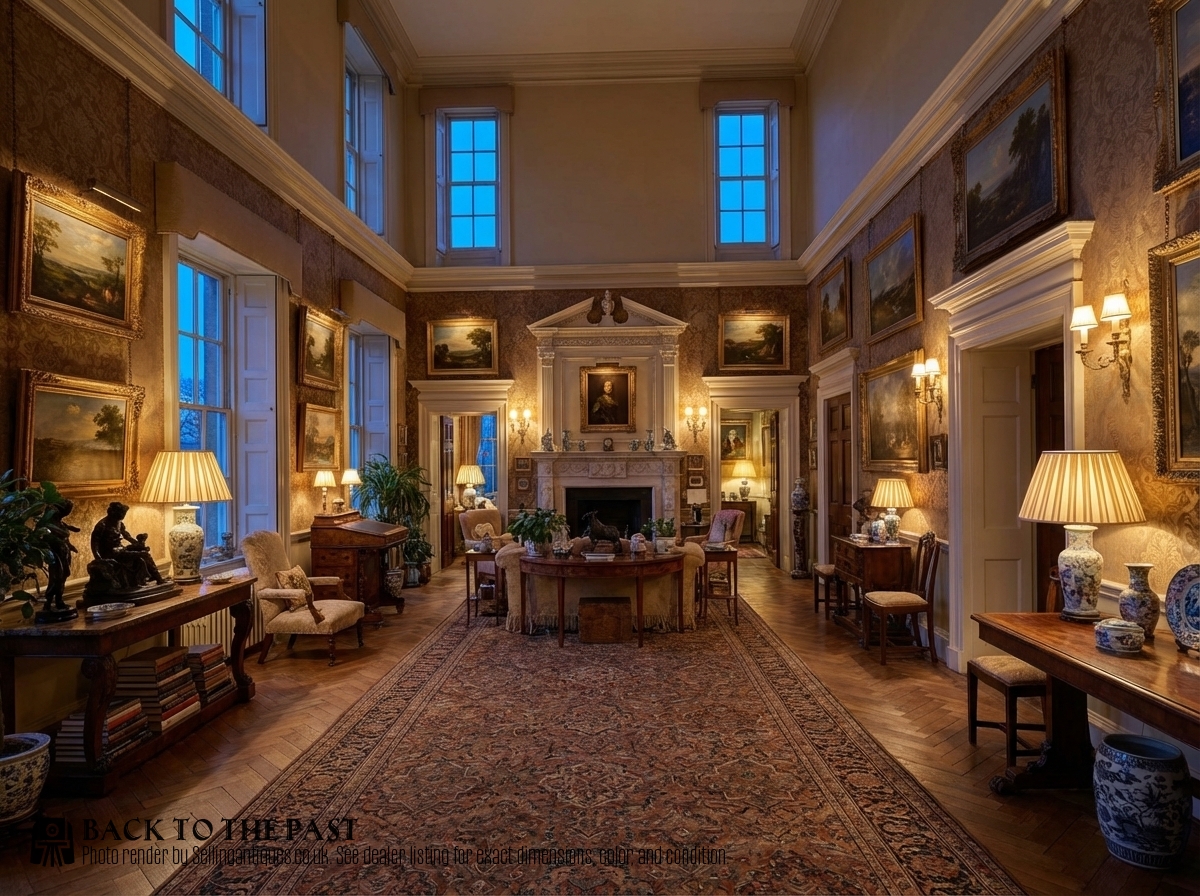
Materials and construction
Cabinet-makers constructed these desks using solid hardwoods and decorative veneers applied to secondary woods. Mahogany, walnut, oak, and rosewood form the primary visual surfaces, often complemented by inset leather writing panels and brass fittings.
Joinery techniques varied from traditional dovetailing in drawer construction to specialised framing for fall-front bureaux and compact Davenport writing compartments. Artisans selected timber grains carefully, deploying flame mahogany, burr walnut, and yew wood to enhance the aesthetic presence of modest surfaces.
Antique Compact Desk Retail Price Guide 2026
Typical asking prices for compact desk among the pieces listed under this phrase on Sellingantiques today, from the lower quarter to the upper quarter. They describe what is for sale here now, not the wider market.
Secret compartments inside eighteenth-century bureaux occasionally still conceal forgotten quill nibs and old postage stamps.
Assessing quality and finish
Quality in a compact desk rests upon timber selection, structural integrity, and the precision of internal fittings. Superior examples display matched veneers, finely cut dovetails, and original hardware rather than replaced brasses or altered interiors.
The sophistication of internal stationery compartments, secret drawers, and operational mechanisms distinguishes finer workshops from standard production pieces. Well-executed secondary woods and restrained inlay work indicate higher craftsmanship levels across all listed periods.
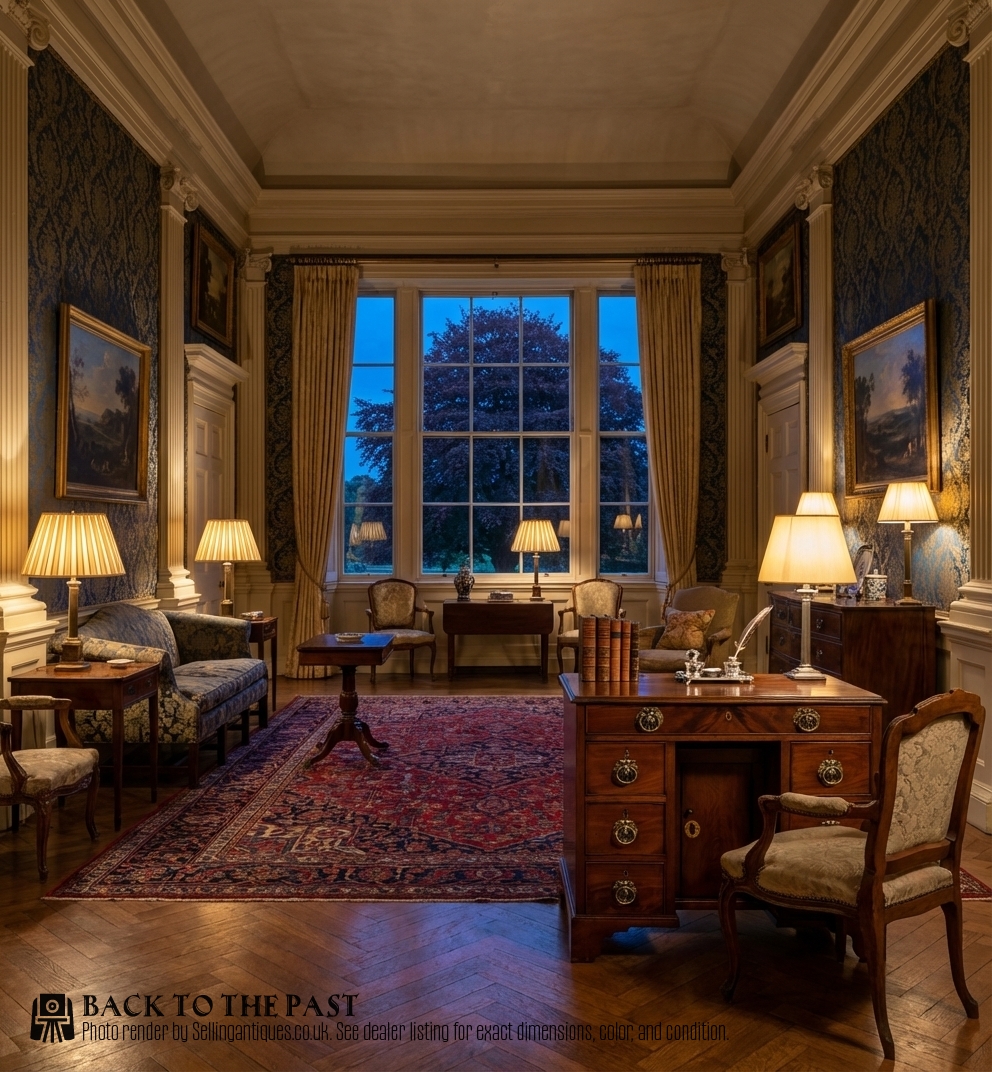
Gillows·Heals of London·Larkin
The Antique Compact Desk Glossary
- Bureau
- A desk featuring a sloping hinged flap that opens to reveal a fitted interior of pigeonholes and small drawers. This form allows the user to conceal correspondence when not in use.
- Davenport
- A compact pedestal desk with a sloping desktop, usually incorporating side drawers accessed from a seated position. The upper section often contains a stationery compartment.
- Kneehole desk
- A flat-topped desk featuring a central recessed space for the legs, flanked by pedestals of small drawers. This configuration maximises storage while maintaining a manageable footprint.
- Secretaire
- A piece of furniture containing a pull-down writing drawer or flap disguised as a standard drawer panel. It conceals a fitted writing surface and internal compartments.
- Linenfold
- A carved wooden panel motif imitating folded cloth, frequently seen on Edwardian and Arts and Crafts oak furniture. This decorative technique adds texture to flat surfaces.
Antique Compact Desk: Frequently Asked Questions
What defines a Davenport desk?
A Davenport is a small pedestal desk characterised by a sloping writing surface and side drawers.
Originating in the Regency period, its compact footprint made it popular for boudoirs and drawing rooms.
How do I identify a Georgian bureau?
Georgian bureaux feature a fall-front flap covering internal pigeonholes, supported by lopers as it lowers.
They typically utilise solid mahogany or oak with hand-cut dovetails on the drawer interiors.
Where were kneehole desks placed?
Kneehole desks sat freestanding or against walls in parlours and studies to provide a dedicated writing station.
Their shallow depth allowed them to fit into tighter spaces than partner desks.
What is a secretaire bookcase?
A secretaire bookcase combines a shelved upper cabinet with a lower drawer that pulls down to form a desk.
This multi-functional format served libraries and living quarters where floor space was at a premium.