

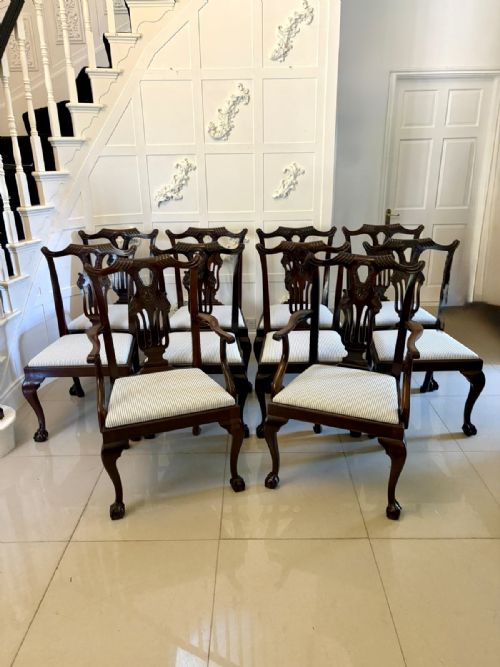


Antique Claw Foot Chairs
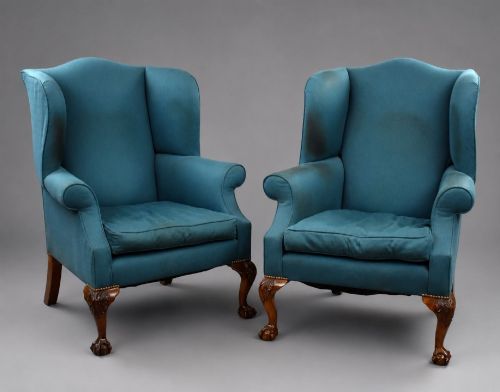
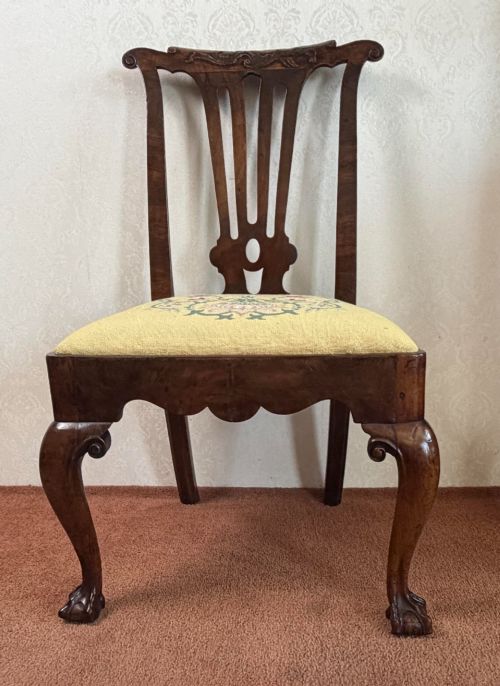
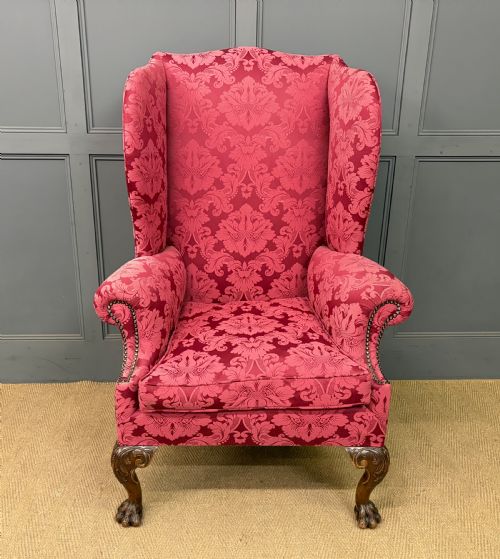
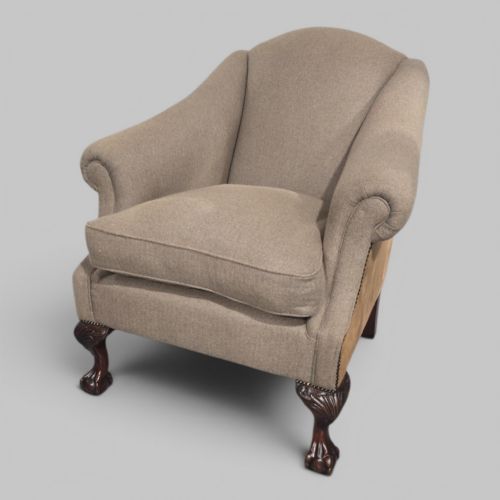
These antique claw foot chairs combine solid timber frames with prominent animal-themed foot carvings, offering sturdy seating with distinct historical presence.
Antique Claw Foot Chairs
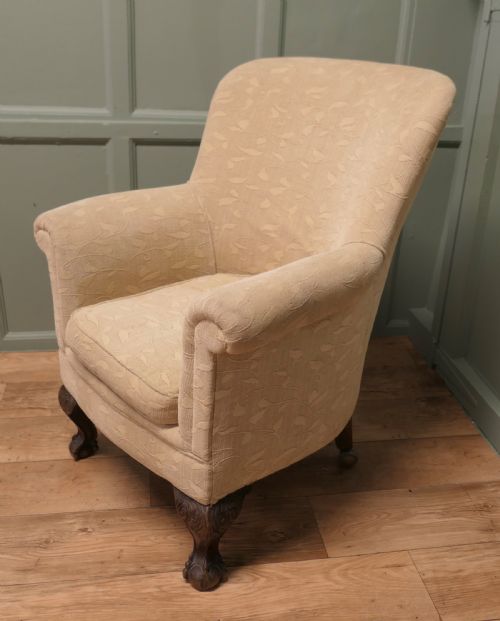
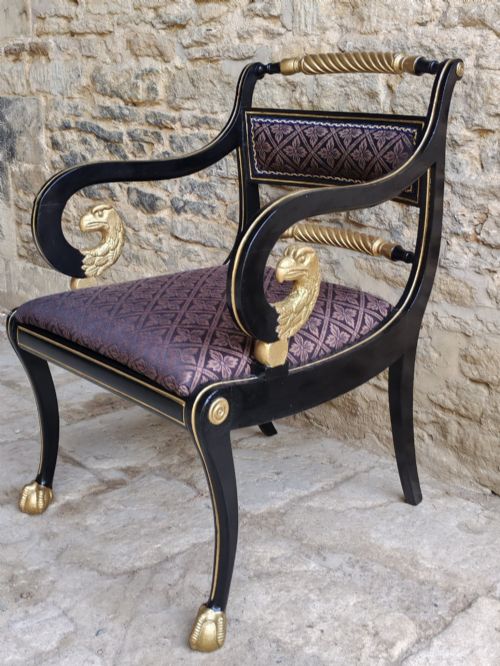
When you search for antique claw foot chairs, you encounter a variety of seating forms built across multiple centuries. The selection includes dining chairs, side chairs, library armchairs, and matching sets originating from diverse European and domestic workshops.
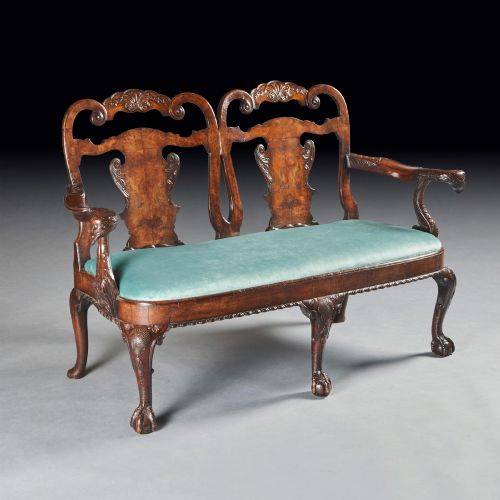
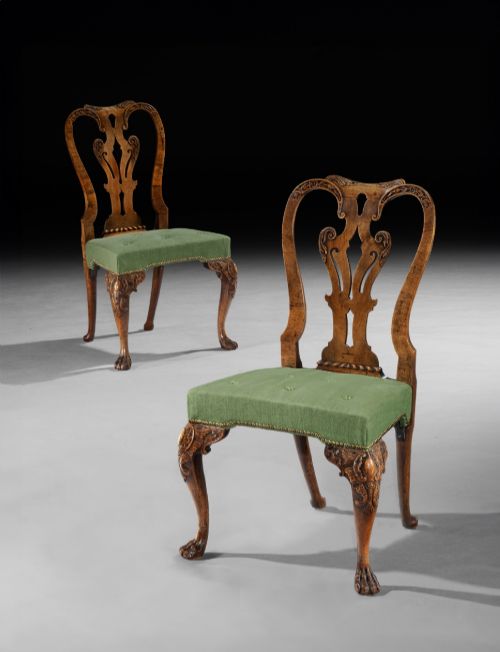
The most common examples on this page date from the eighteenth and nineteenth centuries, alongside later revival pieces. You will regularly find mahogany and walnut dining sets, individual library armchairs, and occasional seating featuring traditional ball and claw terminals.
How they were made
Cabinetmakers constructed the structural frames of these seats predominantly from dense hardwoods such as mahogany, walnut, and oak. These timbers were carved by hand to shape the legs, stretchers, and prominent foot details, providing the necessary strength to support the weight of the sitter.
Upholstered elements incorporated traditional materials including textile, fabric, velvet, and leather. Makers secured these coverings over stuffing materials using techniques suited to the period, while other forms utilised drop-in seats or exposed timber surfaces.
Some library armchairs feature swivel mechanisms, allowing Victorian readers to pivot smoothly between different bookcases.
What varies in quality
The standard of carving on the feet and legs distinguishes finer examples from simpler workshop output. Skilled makers rendered the talons and ball with anatomical depth and crisp detail, whereas lesser pieces display flat or heavily rounded contours.
Timber selection and frame construction also influence the standard of the piece. Superior examples utilise well-figured mahogany or walnut with tight joinery, while simpler items rely on plainer stock or heavier secondary woods.
Howard and Son's·George Bullock
The Antique Claw Foot Chairs Glossary
- Carver
- An armchair, typically designed as part of a dining set to sit at the head of the table. These seats feature armrests integrated into the upper frame.
- Drop-in seat
- A removable seat frame padded and upholstered separately before being dropped into a recess in the chair rails. This construction allowed for straightforward reupholstery without dismantling the main frame.
- Chippendale style
- A design aesthetic following the mid eighteenth-century pattern books associated with Thomas Chippendale. Pieces in this manner frequently showcase carved cabriole legs ending in ball and claw feet.
- Tub chair
- An armchair characterised by a continuous curved back and armrest rail forming a semi-circular enclosure. These compact seats often function as occasional or library furniture.
- Stretcher
- A horizontal wooden brace connecting the legs of a chair to provide structural rigidity. Earlier periods utilised these extensively for stability before improvements in joinery reduced the need for them.
Antique Claw Foot Chairs: Frequently Asked Questions
What periods do these chairs come from?
The selection spans from the eighteenth century through the Victorian era and into the early twentieth century. Many pieces also represent later revival periods inspired by earlier historical designs.
Craftsmanship and materials often reflect the prevailing style of the decade in which the furniture was produced.
How do I identify different styles?
Styles are determined by the shaping of the timber, the profile of the backrest, and the ornamentation on the legs. Chippendale and Georgian designs typically feature carved details and cabriole legs.
Later revival pieces emulate these historical characteristics while incorporating construction methods specific to their actual date of manufacture.
Where were these chairs used?
These seats served various functions in period domestic settings, ranging from formal dining rooms to private libraries and studies. Armchairs and library chairs were placed near desks or firesides for extended sitting.
Dining chairs were produced in sets to accompany large tables for household meals and entertaining.
How do I care for the upholstery?
Leather and fabric coverings require regular dusting and occasional conditioning appropriate to the specific textile. Avoiding direct sunlight helps preserve the colour and integrity of antique leather and woven materials.
Professional cleaning is recommended for delicate textiles to prevent damage to internal stuffings.