


Vintage Swedish Chairs
Vintage Swedish chairs bring together clean Nordic lines and enduring craftsmanship, offering practical seating with distinct historic character.
Vintage Swedish Chairs
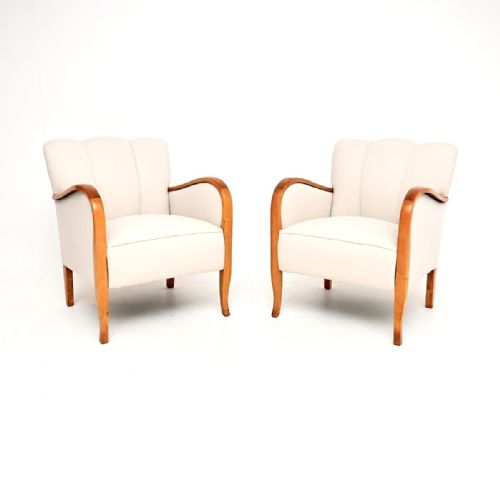
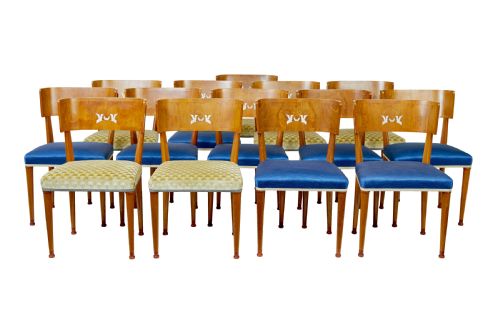
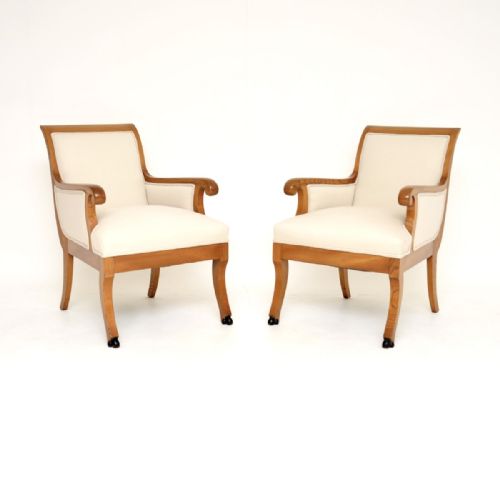
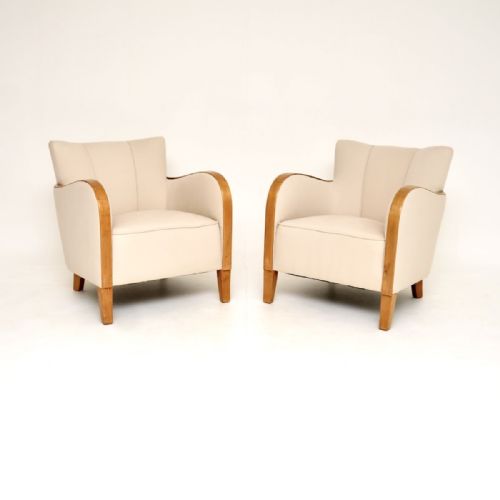
When you search for vintage Swedish chairs, you encounter a diverse selection spanning the nineteenth and twentieth centuries, from rustic folk art pieces to sophisticated urban designs. The most frequently seen examples on this page are dining chairs and armchairs dating from the nineteen-thirties, often reflecting distinct Art Deco and functionalist sensibilities.
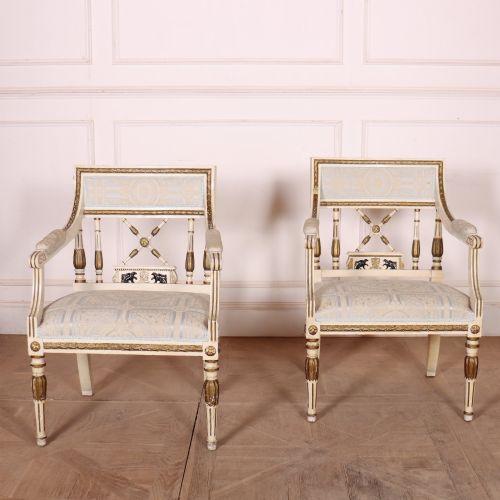
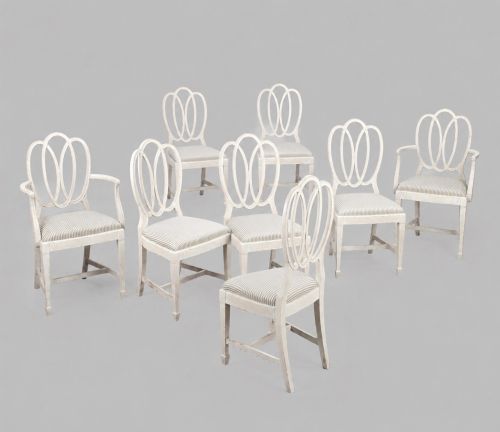
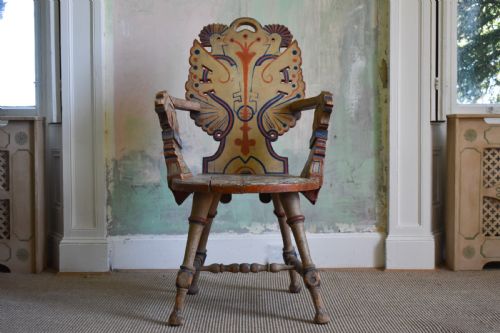
The range encompasses formal seating from the nineteenth century alongside relaxed country forms, including rocking chairs and highchairs. Gustavian and Neoclassical styles appear alongside bolder Art Deco interpretations, demonstrating the broad chronological scope available to collectors.
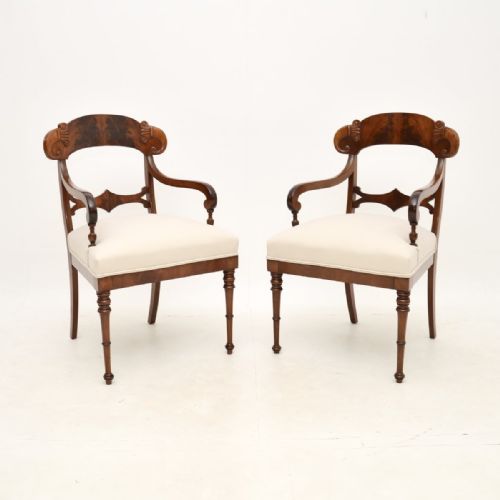
Armchairs dominate the available selection, particularly pairs finished in satin birch or elm. Dining chairs are also well represented, frequently offered in sets suitable for domestic interiors.
Materials and construction methods
Makers relied heavily on native hardwoods such as birch, satin birch, elm, mahogany, and pine for structural integrity and surface figure. Painted wood and original paint finishes also feature prominently, providing a distinct aesthetic surface across both country and city pieces.
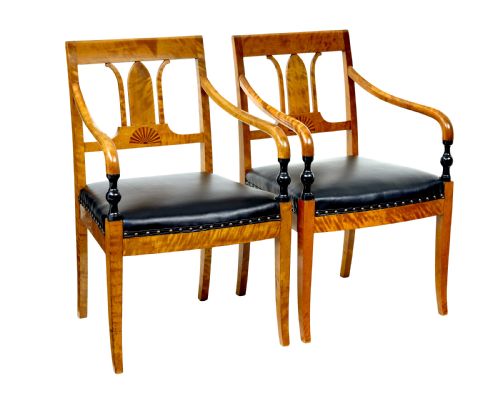
Upholstery utilised traditional fabrics and leather, pairing supple hides with supportive springing in club armchairs and lounge seating. Woodwork combines visible grain patterns with painted surfaces, matching the stylistic demands of periods from nineteenth-century Neoclassical to twentieth-century Art Deco.
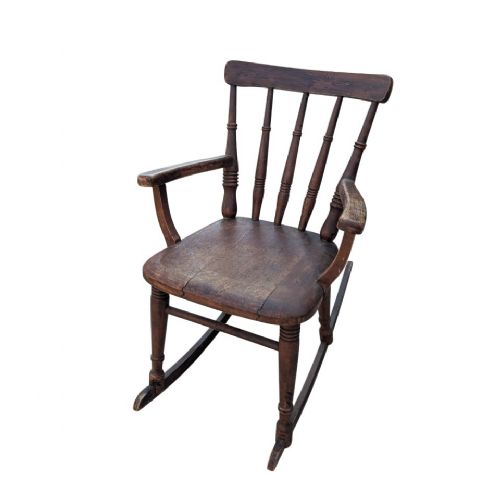
A tiny child's rocking chair sits quietly among the full-sized armchairs, ready for the smallest member of the household.
Distinguishing quality in Swedish seating
Quality rests significantly on the choice of timber and the handling of surface finishes, such as the selected grain figure in satin birch or the preservation of original paint. Pieces demonstrating crisp carving or balanced proportions in styles like Swedish Art Deco or Neoclassical command greater attention.
The integrity of the construction and the retention of original materials, including leather upholstery and early painted surfaces, separate standard examples from finer specimens. Cohesion within sets of dining chairs further dictates the overall desirability of the seating.
The Vintage Swedish Chairs Glossary
- Gustavian
- The Swedish interpretation of the Louis XVI style, characterised by restrained neoclassical symmetry, fluted legs, and often pale painted finishes.
- Klismos
- An ancient Greek chair form with curved back legs and a concave backrest, revived during neoclassical and art deco periods.
- Satin birch
- A timber prized for its lustrous, light-reflecting grain, frequently utilised in high-end twentieth-century Scandinavian cabinetmaking.
- Swedish Grace
- A design movement bridging neoclassical restraint and early modernism in Sweden during the nineteen-twenties.
- Neoclassical
- A style drawing inspiration from classical antiquity, featuring balanced proportions and geometric ornamentation.
Vintage Swedish Chairs: Frequently Asked Questions
How do I date a vintage Swedish chair?
Dating relies on stylistic markers, construction techniques, and timber choices that align with specific periods like the nineteenth century or the nineteen-thirties. Examining the joinery and finish helps place the piece within its historical context.
Comparing known forms, such as Gustavian revival dining chairs or Art Deco satin birch armchairs, provides further clarity on the likely decade of manufacture.
Are these chairs suitable for daily use?
Many vintage Swedish chairs function well in contemporary interiors, offering robust timber frames and supportive seating structures. Leather club chairs and upholstered armchairs provide comfortable lounging options for everyday living.
Dining chairs and side chairs work effectively around modern tables, provided their historical joints remain stable and secure.
What is the difference between Gustavian and Art Deco Swedish chairs?
Gustavian pieces draw from eighteenth and nineteenth-century neoclassical traditions, often displaying pale painted wood, fluted legs, and straight lines. They reflect a formal, light-filled aesthetic characteristic of Swedish country houses.
Art Deco chairs from the nineteen-thirties favour bold curves, exposed satin birch or elm veneers, and streamlined geometric silhouettes that prioritise modern luxury.
How should I care for painted Swedish chairs?
Preserving original paint requires gentle dusting with a dry, soft cloth and protection from direct sunlight and excessive humidity. Avoid harsh chemical cleaners that might lift or dull historic finishes.
Unpainted wooden elements benefit from occasional application of appropriate natural waxes to maintain the condition of the timber.