


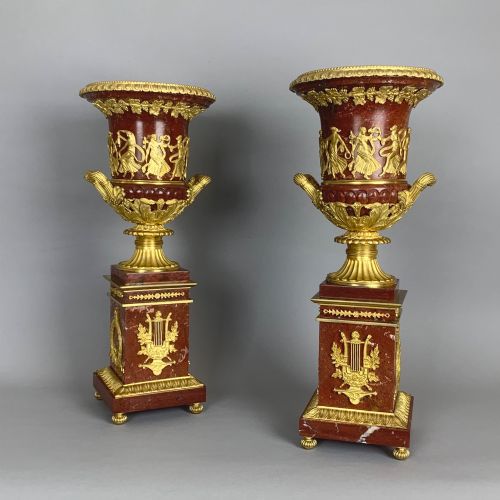
Antique Classical Urns
Antique classical urns bring the architectural gravity of antiquity indoors, offering sculptural presence and timeless decorative form.
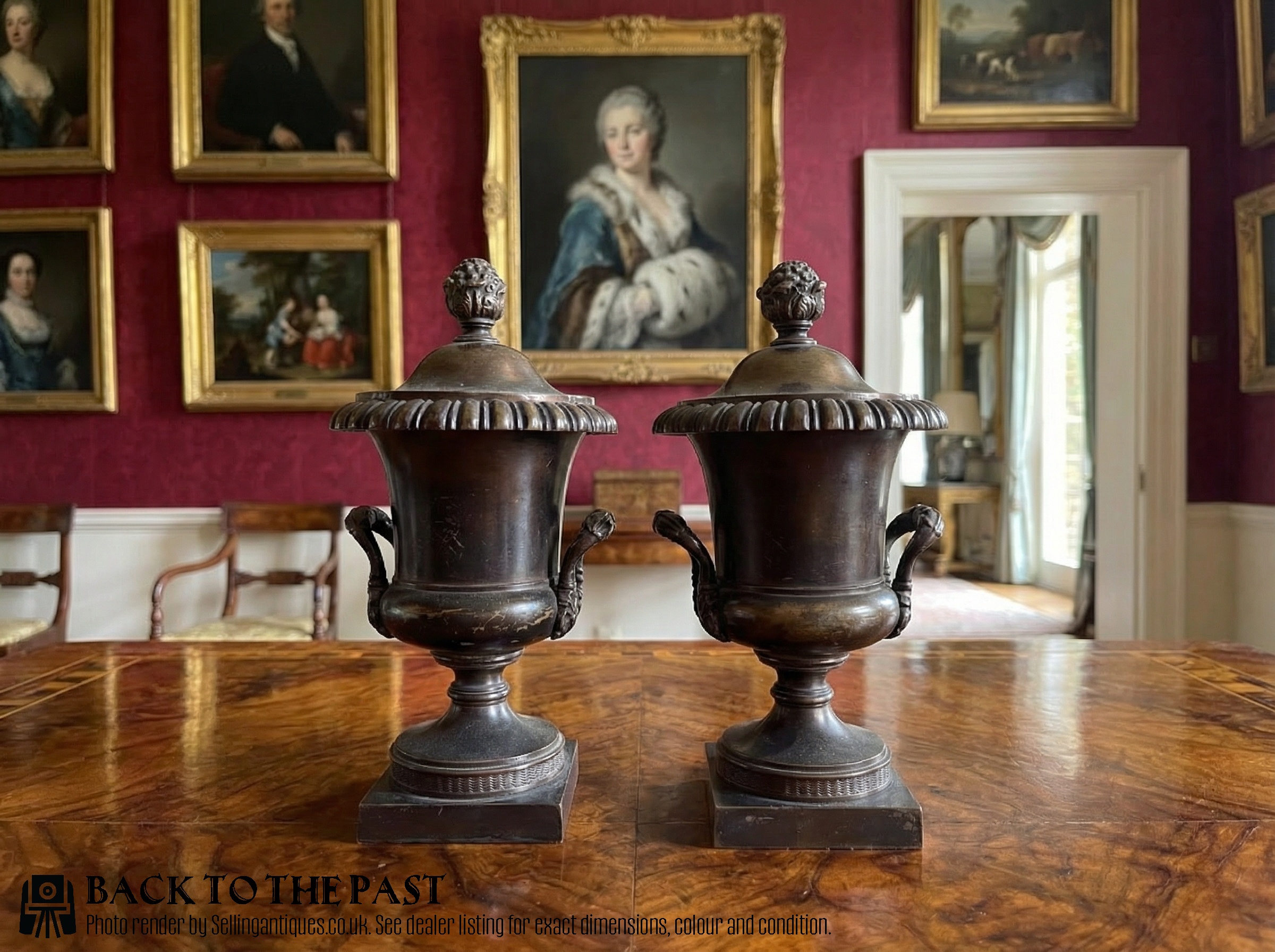
Antique Classical Urns
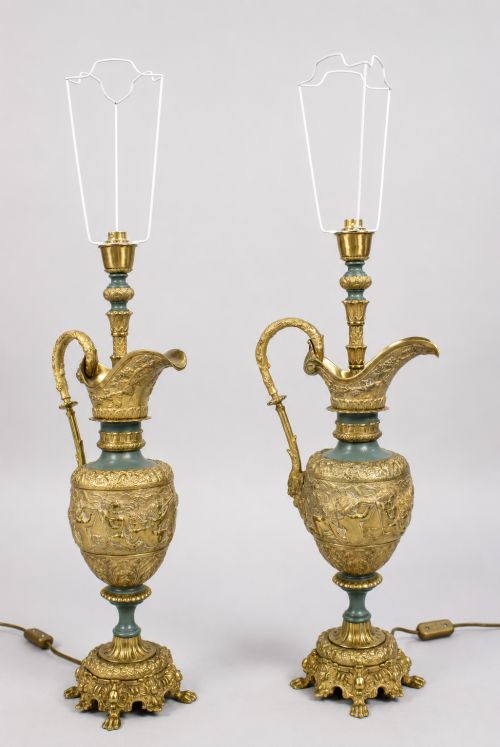
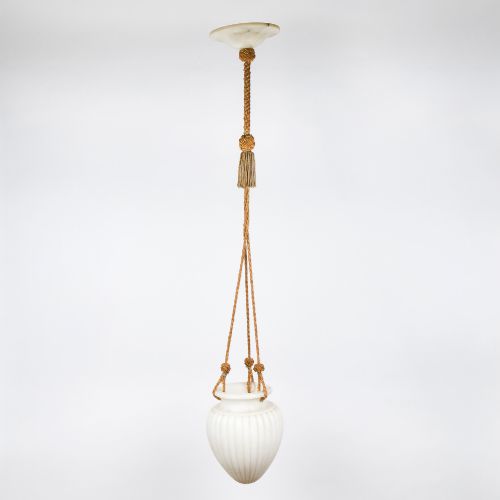
When you search for antique classical urns, you encounter decorative objects, table lamps, and garden vessels drawing upon ancient Greek and Roman forms. The pieces met most frequently on this page originate from the nineteenth century, reflecting enduring nineteenth-century tastes for classical revival and Grand Tour souvenirs.
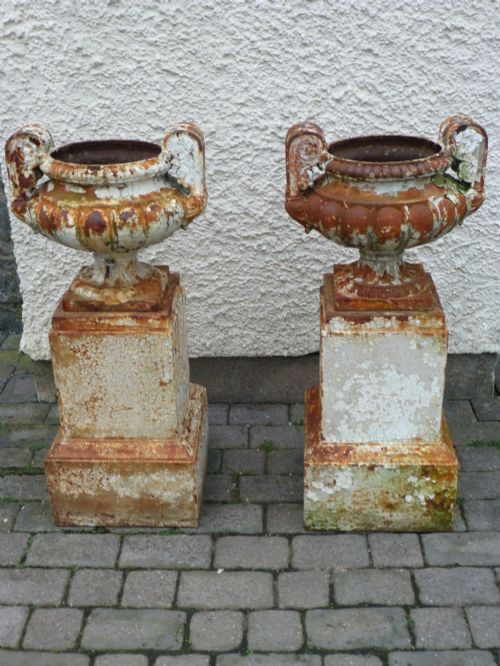
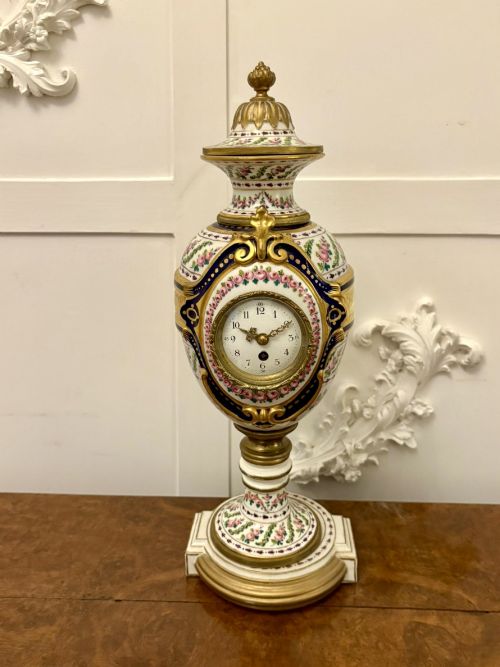
The selection ranges from heavy cast iron garden vessels and campana shapes to refined French bronze and marble table ornaments. Makers and foundries utilised diverse scales, from small mantel clock cases and candelabra to substantial porch and garden pedestals.
Styles span neoclassical, French Empire, and Regency iterations, often incorporating patinated bronze, gilt brass, and hand-painted porcelain. Buyers find both monumental decorative objects and utilitarian items such as converted oil lamps and sugar baskets.
Materials and construction
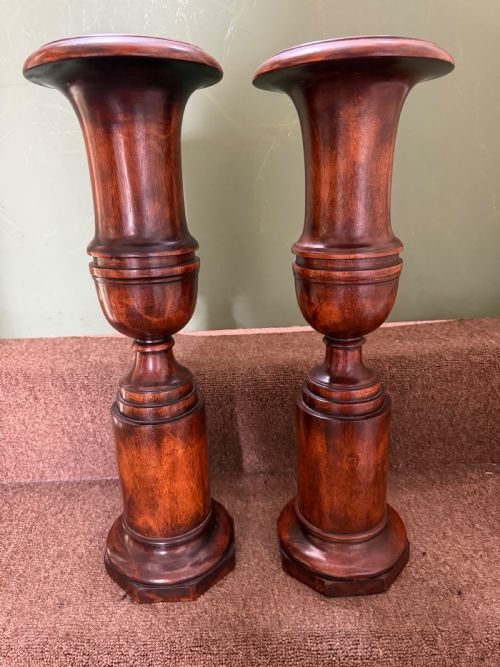
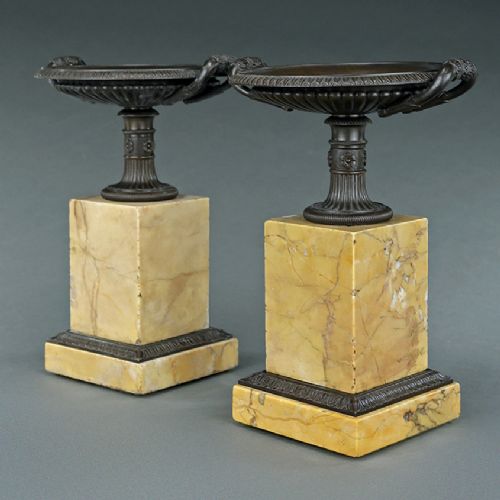
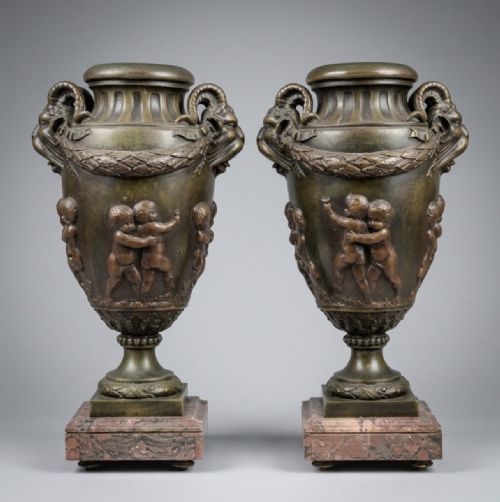
Foundries and workshops cast metals such as bronze, brass, spelter, and iron, frequently combining them with white marble, Siena marble, or turned walnut bases. Gilt bronze, or ormolu, provides contrast against patinated surfaces.
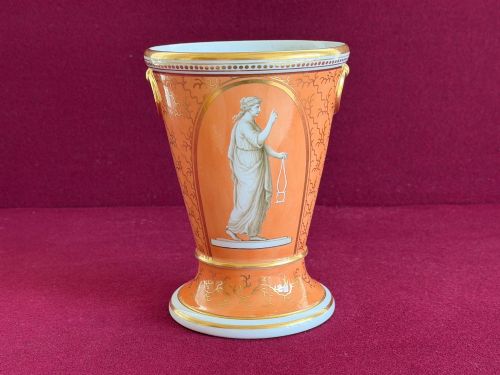
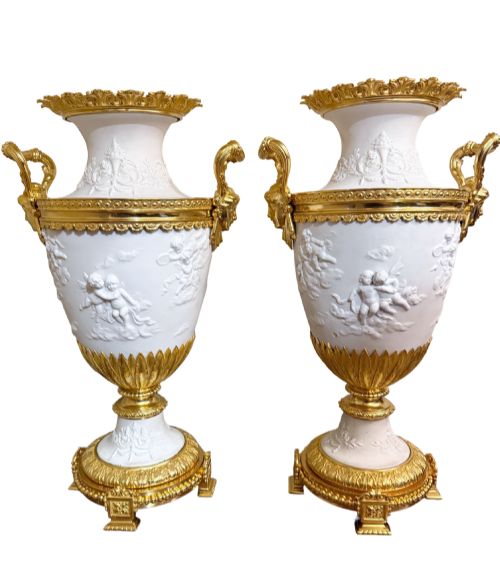
Ceramic forms employ porcelain and faience, decorated with techniques like pate sur pate or delicate hand-painting. Skilled artisans mounted metal collars, handles, and Bacchic masks onto stone and ceramic bodies.
Antique Classical Urns Retail Price Guide 2026
Typical asking prices for classical urns among the pieces listed under this phrase on Sellingantiques today, from the lower quarter to the upper quarter. They describe what is for sale here now, not the wider market.
Listings feature nineteenth-century items predominantly, incorporating materials such as bronze, marble, cast iron, and porcelain alongside styles like Regency and Neoclassical.
Assessing quality and execution
The choice of subsidiary materials distinguishes the range, where heavy natural marble or Siena marble bases elevate an object above cast spelter mounted on simpler stone. Original gilding and integrated patination sustain the integrity of the design.
Falkirk Carron foundry·Coalbrookdale·Flight and Barr Worcester·Casier
The Antique Classical Urns Glossary
- Campana urn
- A bell-shaped vessel with a flaring rim and a footed base, frequently cast in iron or bronze for garden or interior display.
- Grand Tour
- The nineteenth-century practice where affluent travellers collected classical antiquities and bronze reductions across Italy and France.
- Spelter
- A zinc alloy utilised as an economical alternative to bronze, commonly patinated to resemble older metalwork.
- Tazza
- A shallow saucer-like vessel or cup raised on a stem and foot, often paired as decorative mantel ornaments.
- Ormolu
- Finely ground high-carat gold applied to a bronze base through a mercury amalgamation process, or later via electroplating.
Antique Classical Urns: Frequently Asked Questions
How do I distinguish bronze from spelter?
Bronze is a heavy, durable copper alloy that takes a deep, rich patina and allows for sharp, crisp chasing. Spelter, a zinc-based metal, feels lighter and softer, often showing wear or bubbling beneath the surface finish.
Examining the underside or hidden areas can reveal the lighter grey colour of zinc beneath worn bronze-coloured paint. Quality patination on genuine bronze deepens naturally over decades of handling.
Where should I place an urn in my home?
Large cast iron campana vessels suit entrance halls, conservatories, or garden settings where weight and weather resistance matter. Smaller bronze, marble, or porcelain specimens anchor fireplace mantels, sideboards, and library tables.
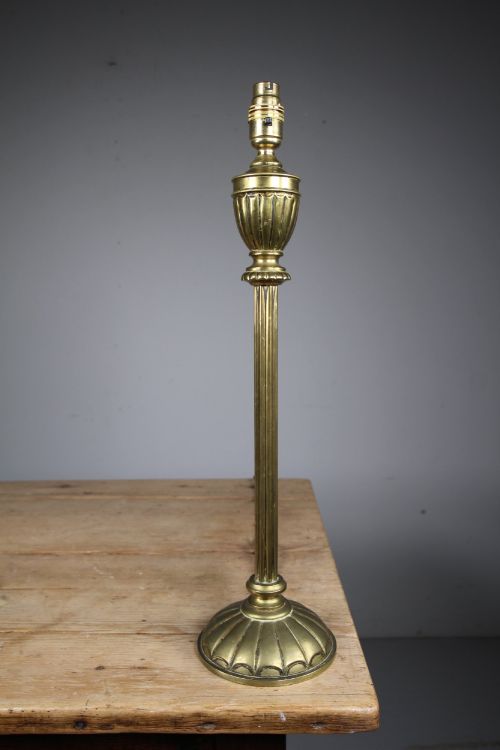
Parks of matched tazzas or twin urns create symmetrical focal points on pedestals or consoles. Table lamp conversions integrate classical sculptural forms into everyday living spaces.
How do I date a nineteenth-century classical urn?
Stylistic cues such as Regency Regency restraint or French Empire opulence offer initial chronological markers. Examining the construction methods, screw types, and mounting pins inside the base clarifies the manufacturing period.
Foundry marks, stamps, and the composition of underlying marble or bronze components help narrow down the exact decade of production.