

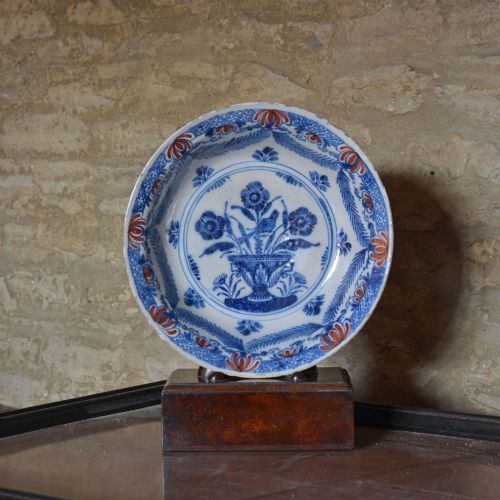
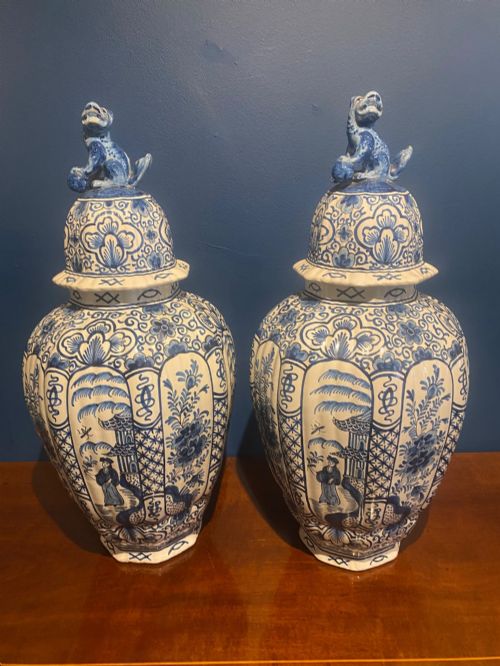
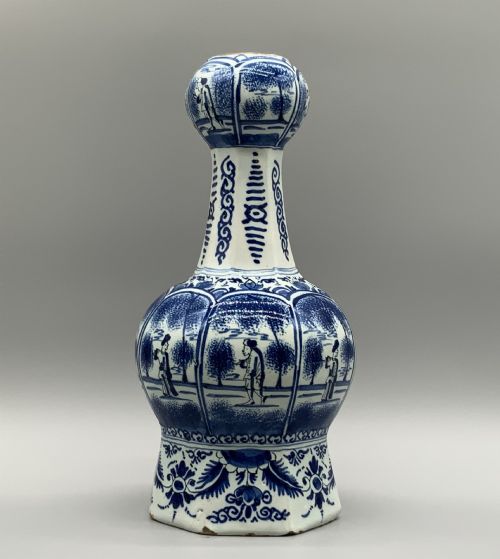
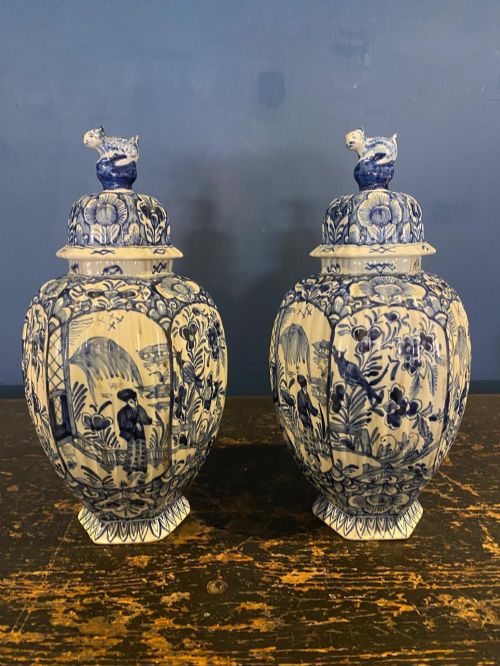
Antique Chinoiserie Delftware
Antique chinoiserie delftware brings together European tin-glazed pottery and Asian-inspired motifs on chargers, plates, and vases.
Antique Chinoiserie Delftware
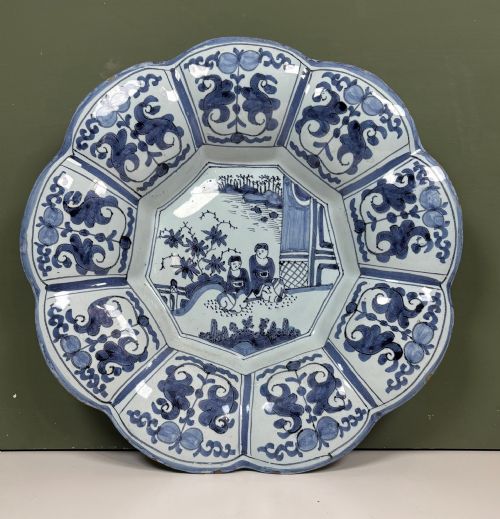
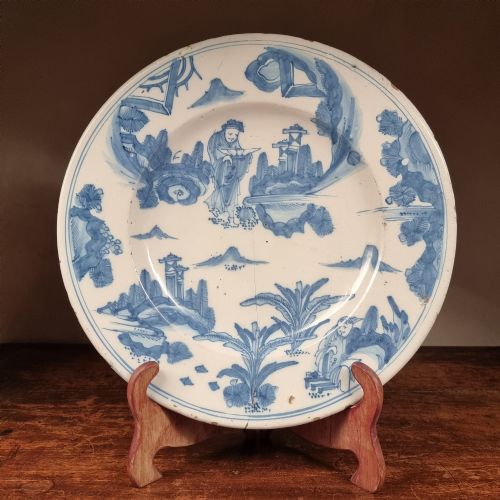
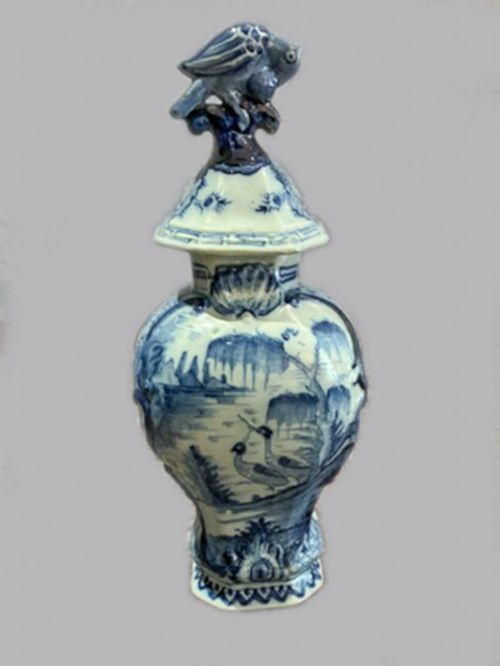
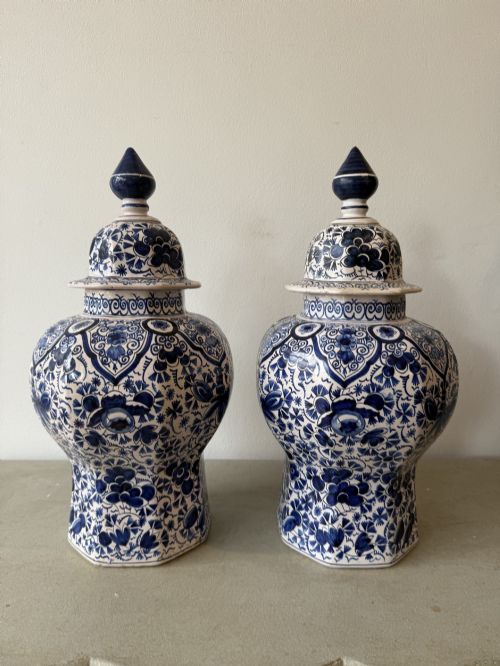
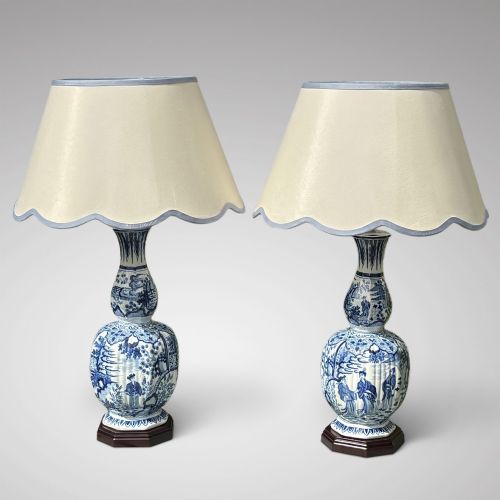
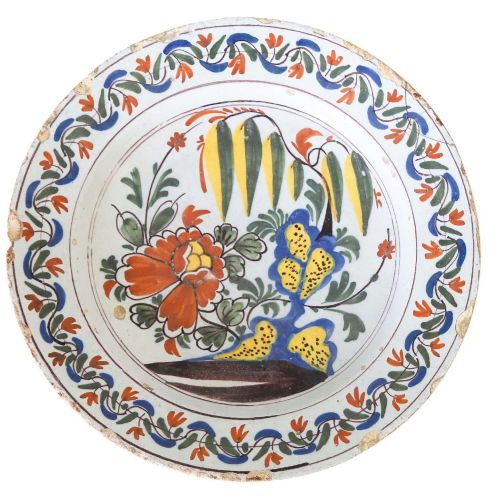
When searching for antique chinoiserie delftware, buyers encounter tin-glazed earthenware objects spanning the seventeenth, eighteenth, and nineteenth centuries. These pieces take forms such as chargers, dishes, bowls, baluster vases, jugs, and table lamps.
The aesthetic merges European earthenware traditions with decorative themes derived from Chinese porcelain. Origin workshops from Dutch centres alongside English production sites in Lambeth and Bristol dominate the available selections.
How they were made
Maker operations utilised earthenware bodies coated in tin glaze to create a smooth, opaque white surface suitable for painting. Artisans applied cobalt pigment and manganese oxides directly onto the unfired glaze.
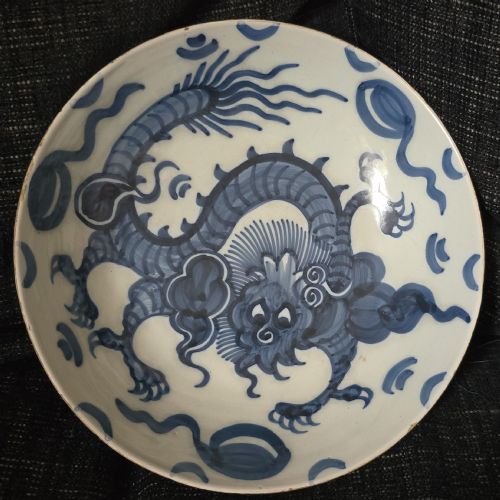
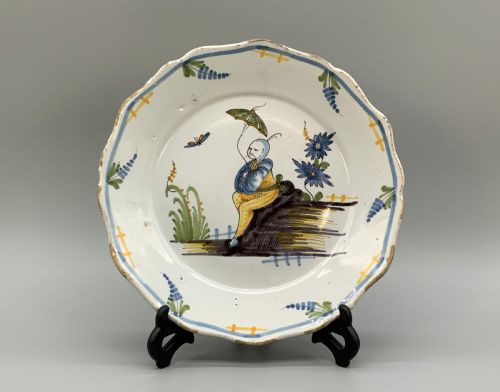
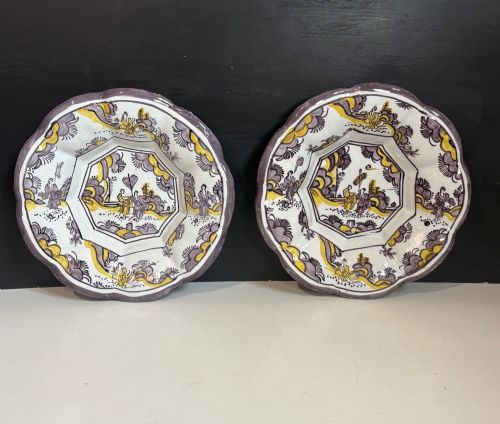
Firing fixed these mineral colours into the white tin coating, yielding distinct blue, white, and polychrome ornamentation depicting scholars, birds, flowers, and dragons.
Antique Chinoiserie Delftware Retail Price Guide 2026
Typical asking prices for chinoiserie delftware among the pieces listed under this phrase on Sellingantiques today, from the lower quarter to the upper quarter. They describe what is for sale here now, not the wider market.
Materials recorded in the inventory comprise earthenware, ceramic, cobalt pigment, and tin-glazed earthenware.
What varies in quality
The clarity of the hand-painted brushwork distinguishes superior examples from simpler production. Fine control over cobalt pigment and manganese details creates depth within the chinoiserie scenes.
Preservation of the tin glaze and the integrity of the earthenware body shape the overall character of each dish, charger, or vase.
Lambeth Pottery·Bristol Delft
The Antique Chinoiserie Delftware Glossary
- Tin-glazed earthenware
- Earthenware pottery covered with an opaque white glaze containing tin oxide. This coating provides a pale ground for hand-painted decoration.
- Baluster vase
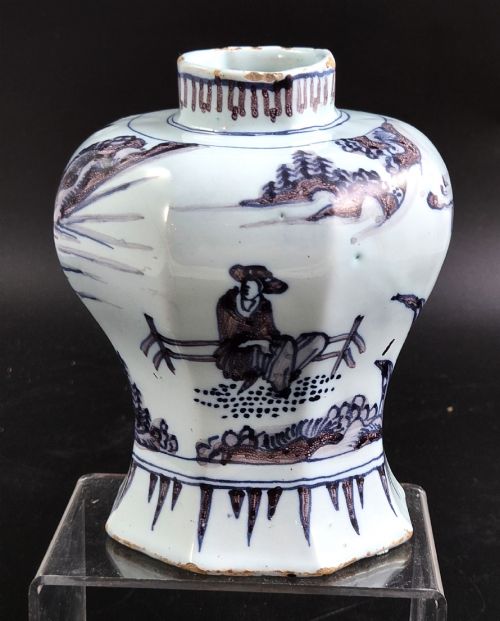
- A vase form with a rounded body that tapers upward into a narrow neck. This shape appears frequently in seventeenth and eighteenth-century output.
- Charger
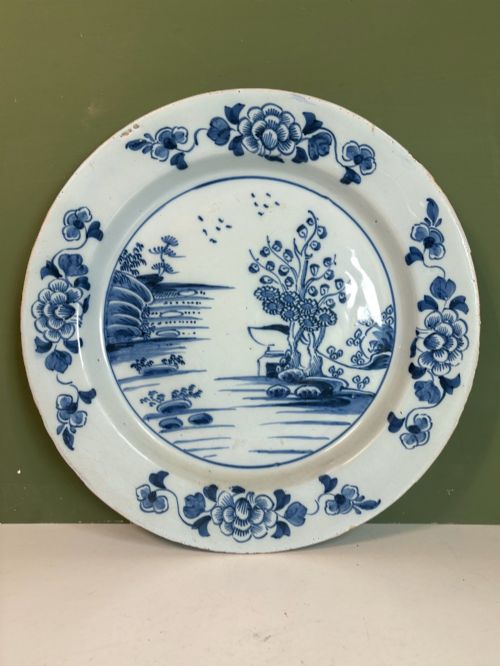
- A large decorative plate intended for display rather than table use. These sizeable dishes often feature complex floral or figural compositions.
- Polychrome
- Decoration employing multiple colours rather than a single pigment. In these ceramics, manganese and yellow accents complement the dominant blue and white palette.
- Faience
- European tin-glazed earthenware produced in imitation of porcelain. The term applies to certain continental European items.
Antique Chinoiserie Delftware: Frequently Asked Questions
How were these pieces used originally?
Many large chargers and plates served as wall decorations or sideboard displays in affluent homes. Vases and jugs held dried botanicals or served liquids.
Over time, forms like vases were adapted into table lamps with wired fittings and custom shades. Their primary function remained decorative, showcasing imported motifs to local buyers.
How do I care for antique tin-glazed pottery?
Keep these earthenware objects away from damp environments and direct sunlight to protect the glaze and pigments. Dust them gently with a dry, soft cloth.
Avoid washing them in water, as the porous ceramic body and tin glaze can absorb moisture through tiny surface cracks.
How do I tell Dutch and English pieces apart?
English production often originated from kilns in Lambeth or Bristol, displaying specific regional nuances in palette and clay body. Dutch items frequently exhibit distinct blue and white or manganese tones associated with continental workshops.
Comparing the potting weight and glaze thickness helps clarify the likely geographic origin of a plate or vase.
What does chinoiserie mean on delftware?
Chinoiserie refers to European artistic interpretations of Chinese and East Asian design motifs. Painters used these imaginary landscapes to decorate earthenware surfaces.
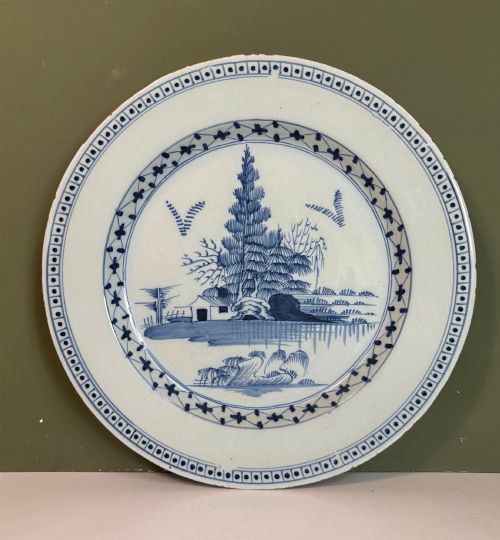
Scenes typically feature figures in gardens, stylized birds, floral arrangements, and architectural pavilions executed in cobalt blue or polychrome pigments.