



Antique Chinese Table Lamps
Antique chinese table lamps bring centuries of Far Eastern craftsmanship and domestic illumination together in one striking focal point for a room.
Antique Chinese Table Lamps
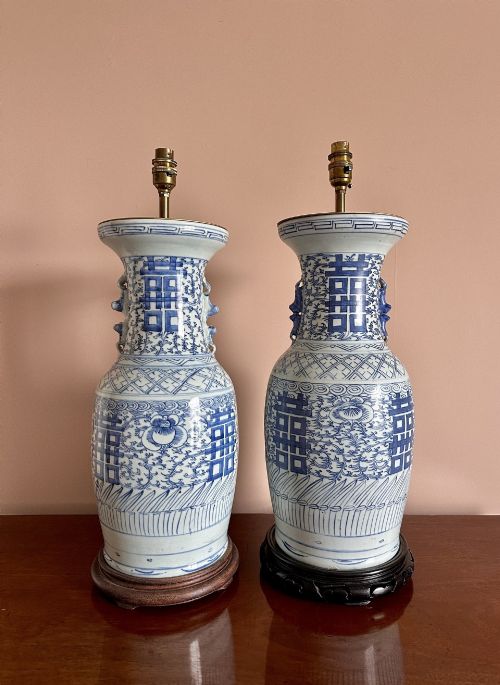
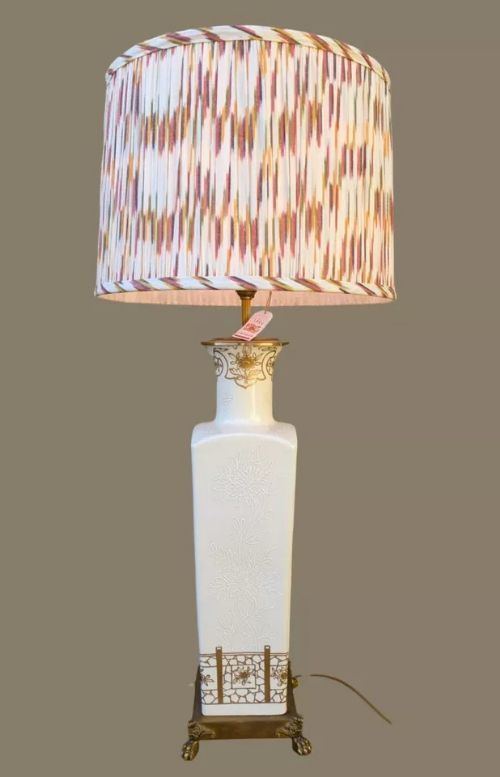
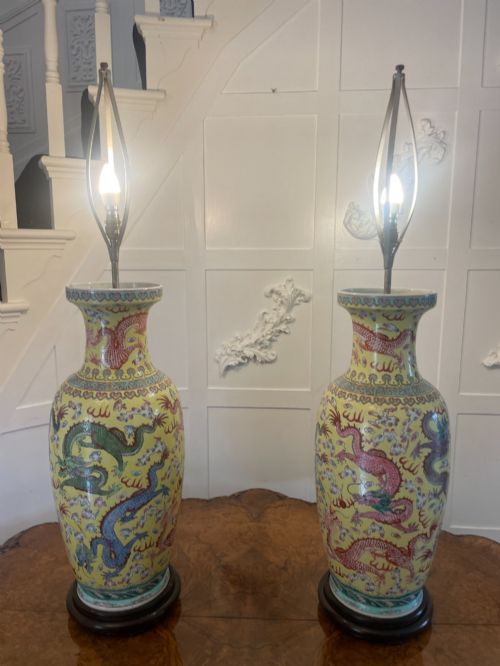
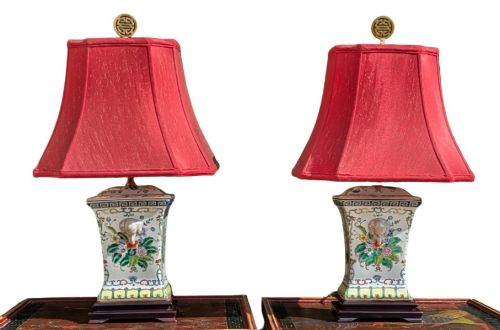
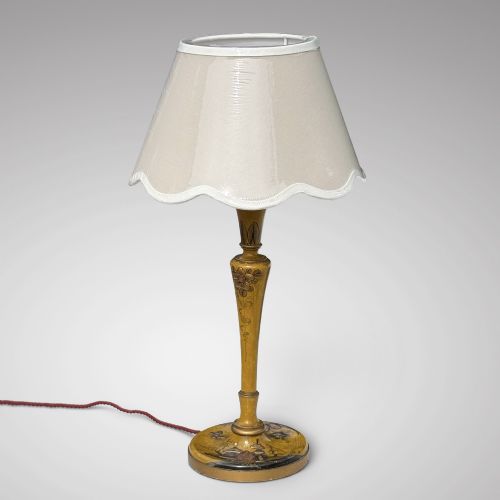
When buyers search for antique chinese table lamps, they look for decorative lighting created by mounting traditional objects or incorporating oriental styles. The pieces found here span the nineteenth century and the early decades of the twentieth century, bridging diverse periods of production.
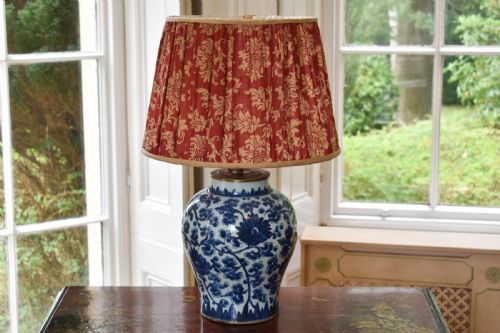
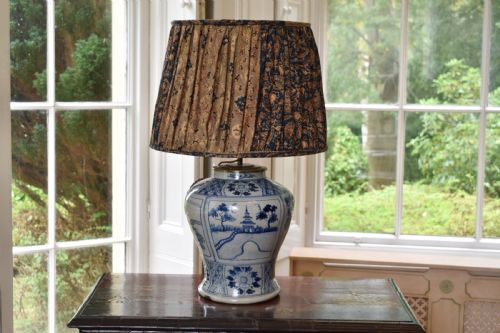
Vessels such as ginger jars, vases, and tea canisters frequently form the main body of these lights. Many items originate from historical periods including the Qing dynasty and later nineteenth-century export markets, while others reflect Edwardian interpretations of Chinese design.
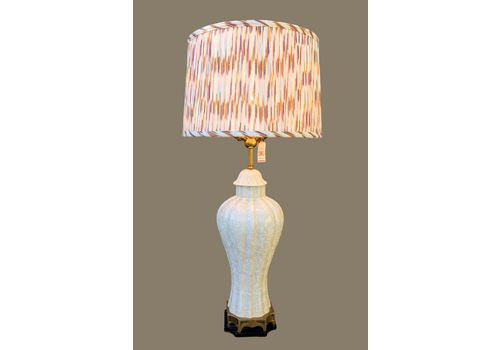
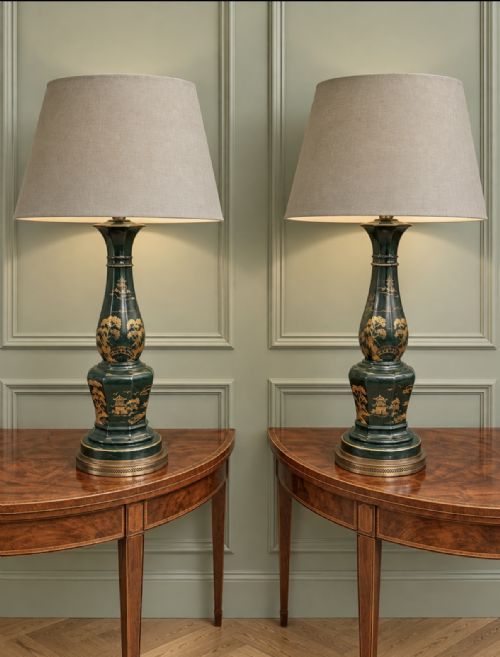
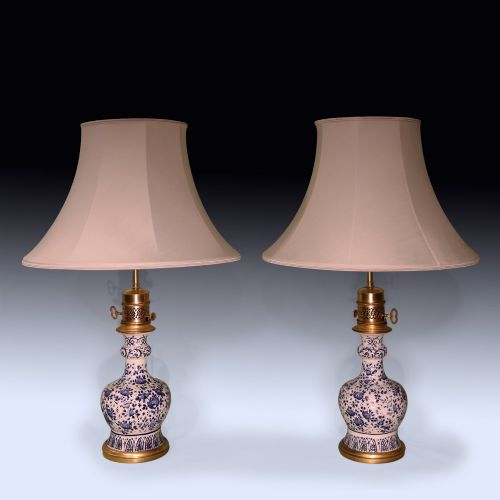
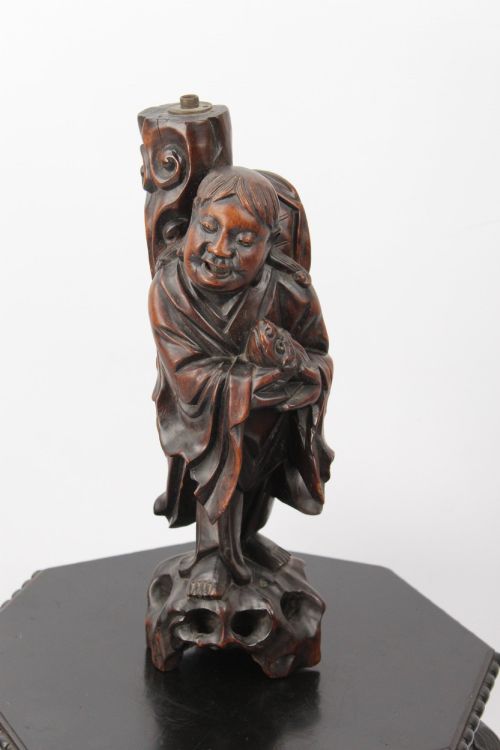
Makers often converted existing ceramics or bronzes into functional lamps to suit Western domestic interiors. The resulting forms range from porcelain jars decorated in blue and white to carved hardwood stands and lacquered finishes.
Materials and construction methods
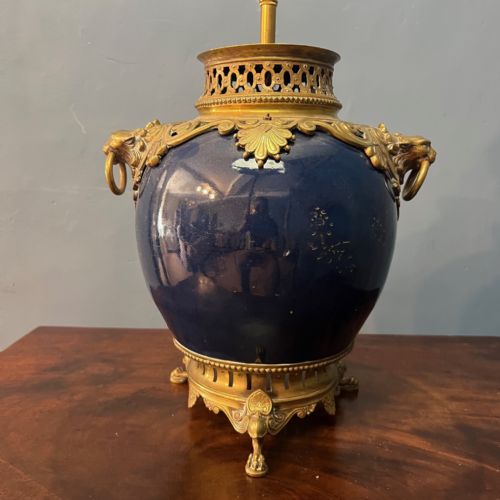
Potters and artisans shaped porcelain, bronze, brass, and hardwood into the foundational bodies of these lamps. Materials like cloisonné enamel, lacquer, and carved root wood also appear frequently among the listed pieces, showing a wide range of traditional surface treatments.
Metal mounts in ormolu, gilt bronze, and patinated white metal secure the ceramic bodies to weighted bases. Artisans hand-painted porcelain surfaces with motifs in famille rose, famille verte, and blue and white pigments before firing.
Antique Chinese Table Lamps Retail Price Guide 2026
Typical asking prices for chinese table lamps among the pieces listed under this phrase on Sellingantiques today, from the lower quarter to the upper quarter. They describe what is for sale here now, not the wider market.
Several lamps feature mythical Daoist immortals and fierce guardian lions keeping watch beside your reading nook.
Assessing quality in construction and art
Quality rests upon the execution of the hand-painted details on porcelain vessels and the crispness of carving in wood or bronze. Superior examples display precise brushwork, balanced proportions, and substantial mounts that integrate seamlessly with the ceramic body.
The integrity of the underlying object dictates the worth of the converted lamp. Original antique jars and vases paired with period metalwork command attention for their authenticity and harmonious proportions.
The Antique Chinese Table Lamps Glossary
- Famille Rose
- A palette of opaque enamel colours dominated by pink, used extensively on Chinese export porcelain from the eighteenth century onwards.
- Cloisonné
- A technique where enamel paste fills compartments wired to a metal base before firing.
- Celadon
- A pale green jade-like glaze applied to porcelain and stoneware.
- Ormolu
- Gilded bronze used for decorative mounts and fittings on fine furnishings and lamps.
- Chinoiserie
- European decorative style reflecting Chinese artistic influences, popular during the eighteenth and early twentieth centuries.
Antique Chinese Table Lamps: Frequently Asked Questions
How do I date an antique chinese table lamp?
Dating relies on examining the ceramic body, the style of hand-painted decoration, and the material of the base or mounts. Nineteenth-century pieces often exhibit distinct export porcelain patterns or heavier bronze fittings.
Changes in wiring and hardware also provide clues regarding when an older vessel was converted into a lamp. Comparing the motifs to established historical periods helps confirm the age of the piece.
Were these lamps originally made as lighting?
Most ceramic and bronze bodies started life as vases, ginger jars, tea canisters, or temple vessels rather than lamps. Craftsmen later drilled or fitted these decorative objects with electrical components for Western homes.
This adaptation practice preserves historic artistry while repurposing items for modern domestic utility. Converted pieces retain their original decorative function while serving a new practical role.
What is the difference between Chinese export and domestic pieces?
Export pieces were specifically manufactured in China for trade and sale to Western markets, often incorporating shapes and motifs tailored to European tastes. Domestic wares were produced for local use within China.
Export items frequently feature familiar forms like rose medallion or blue and white ginger jars that transition easily into table lamps.
How do I care for a lacquered or painted lamp?
Dust lacquered and hand-painted porcelain surfaces gently with a soft, dry cloth to prevent scratching the delicate finishes. Avoid using harsh chemical cleaners or abrasive materials that might damage the antique glaze or lacquer.
Keep the lamp away from direct sunlight and excessive moisture to preserve the integrity of the painted pigments and wooden bases.