


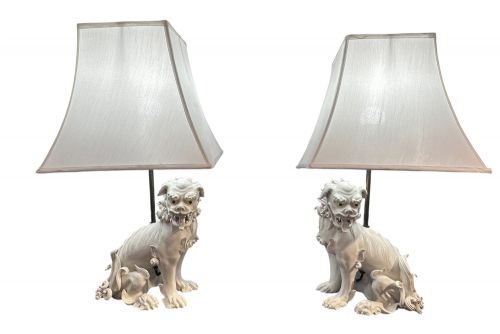


Antique Chinese Porcelain Light
These antique chinese porcelain light pieces combine centuries-old ceramic vessels with period illumination mounts, offering striking focal points for a room.
Antique Chinese Porcelain Light
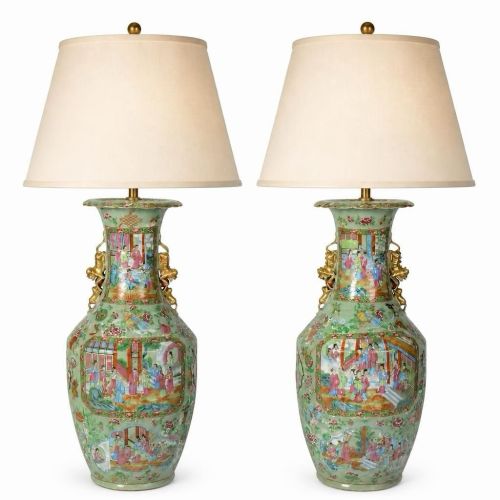
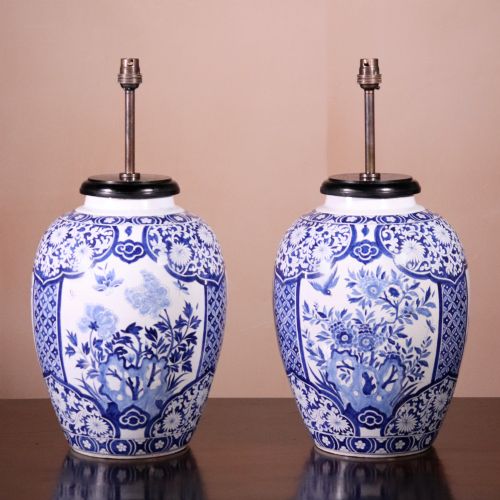
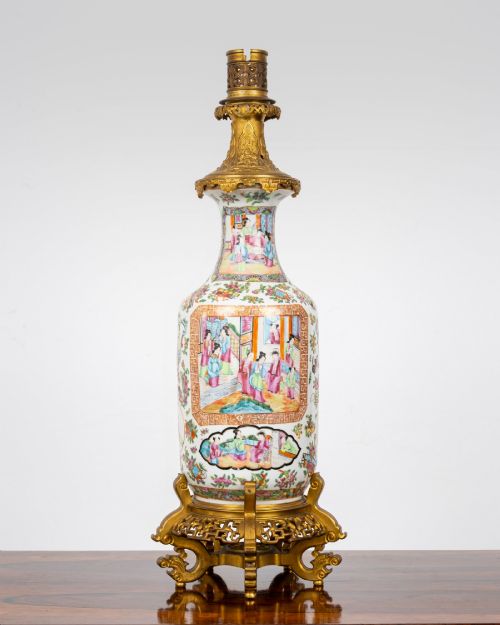
An antique chinese porcelain light typically repurposes traditional ceramic vessels such as ginger jars, rouleau vases, and baluster forms into functional table lamps. The selection spans the eighteenth and nineteenth centuries, featuring blue and white decoration, celadon glazes, and polychrome enamel palettes.
Buyers frequently encounter nineteenth century pairs alongside single vessels mounted for electricity. These bodies range from small ginger jars to monumental vases, often incorporating matched sets that suit mantelpieces or side tables.
The category extends to figural subjects, including blanc de chine lion dogs and turquoise glaze figures. Alongside jar and vase adaptations, the selection includes candlesticks and candelabras styled with matching metal components.
What varies in quality
The standard of an antique chinese porcelain light rests on the crispness of the hand-painted cobalt or enamel detailing across the ceramic body. Superior examples exhibit fine brushwork and balanced potting, whereas simpler versions show more hurried decoration.
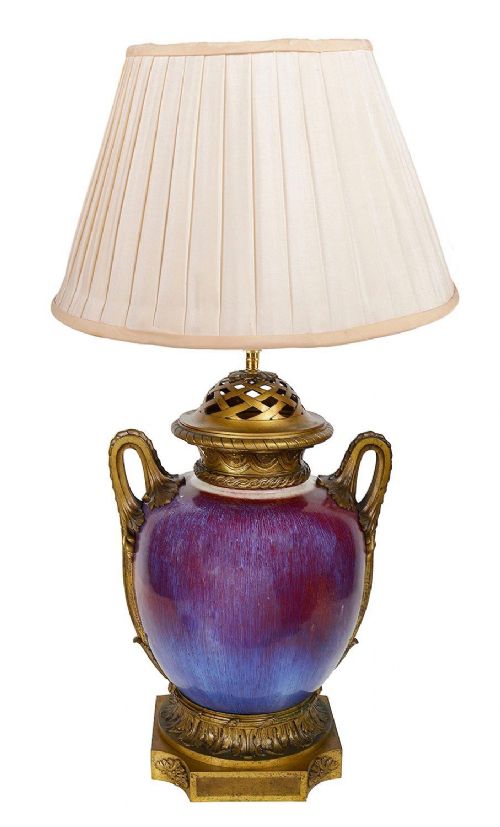
The integration of metalwork distinguishes grades of craftsmanship, with cast ormolu and heavy brass mounts demonstrating superior execution compared to basic metal collars. Condition of the original glaze and the preservation of matched pairs further separate pieces within the range.
Ceramic lions and elephants double as illumination, guarding side tables with stony stares.
The Antique Chinese Porcelain Light Glossary
- Famille Rose
- A palette characterised by opaque pink enamel introduced during the Qing dynasty. This colouring allows for delicate shading on floral and figural motifs.
- Celadon
- A pale green jade-like glaze applied to porcelain bodies. It creates a subtle translucent finish over carved or plain surfaces.
- Ormolu
- Gilded bronze applied as decorative mounts and fittings. This technique adds structural support and metallic contrast to ceramic bases.
- Ginger Jar
- A broad-shouldered ceramic vessel with a domed lid. These jars are frequently converted into lamp bases while retaining their original proportions.
- Blanc de Chine
- A white porcelain produced in Dehua, featuring a milky glaze. It is commonly used for figural representations and temple lions.
Antique Chinese Porcelain Light: Frequently Asked Questions
How do I choose the right size lamp?
Consider the surface area and the height of surrounding furniture when selecting a porcelain vessel. Larger monumental vases require substantial side tables, while compact ginger jars fit smaller spaces.
Proportion also depends on the shade used. Matching the visual weight of the ceramic body to the room ensures the piece anchors the space effectively.
Are these lamps wired for modern use?
Many examples are adapted for contemporary electrical standards during conversion. Rewiring is common to ensure safety with modern plug sockets.
Inspecting the cord and internal wiring helps confirm functionality. Professional electrical checks are recommended after acquisition.
Can I find matching pairs?
Matched pairs appear frequently among nineteenth-century vase and jar conversions. These sets are suited for placement on matching sideboards or mantelpieces.
Slight variations in hand-painted motifs often occur within pairs. These subtle differences reflect traditional workshop production methods.
How do I care for antique porcelain lamps?
Dust the ceramic body gently with a soft, dry cloth to prevent accumulation. Avoid harsh chemical cleaners that might damage the surface enamel or glaze.
Handle metal mounts carefully during maintenance. Ensuring the lamp sits on a stable surface protects both the porcelain base and the wiring.