
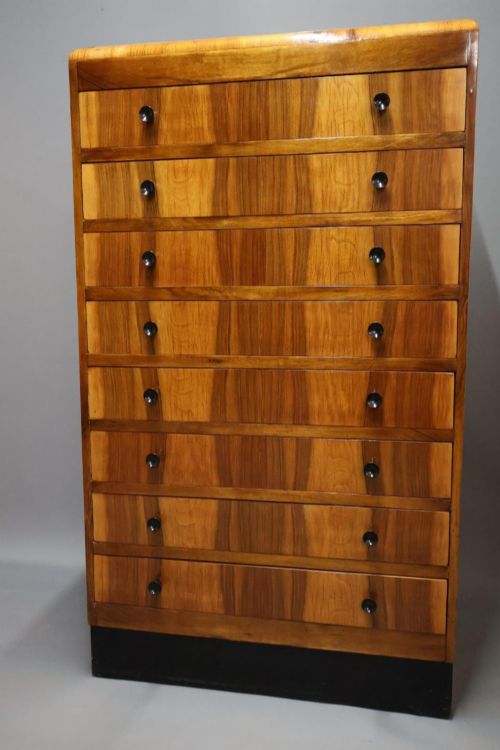


Antique Chiffonier Chest
An antique chiffonier chest brings together practical storage and display, offering timber surfaces and compartmented drawers rooted in centuries of cabinet-making tradition.
Antique Chiffonier Chest
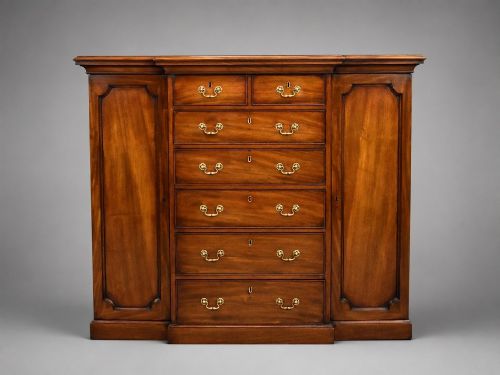
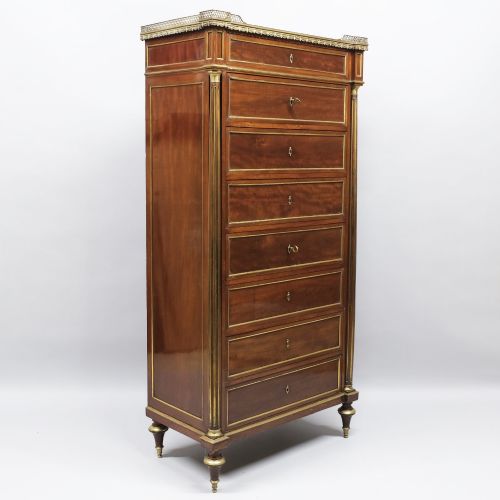
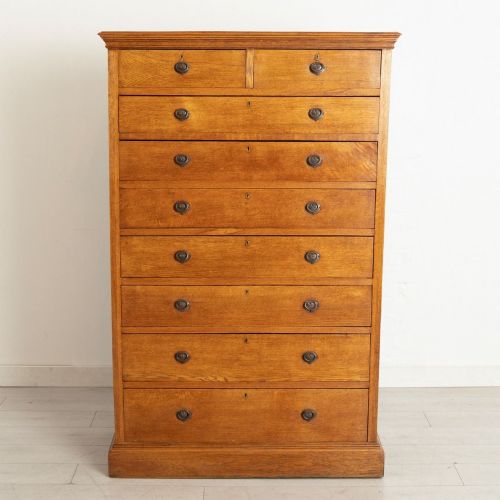
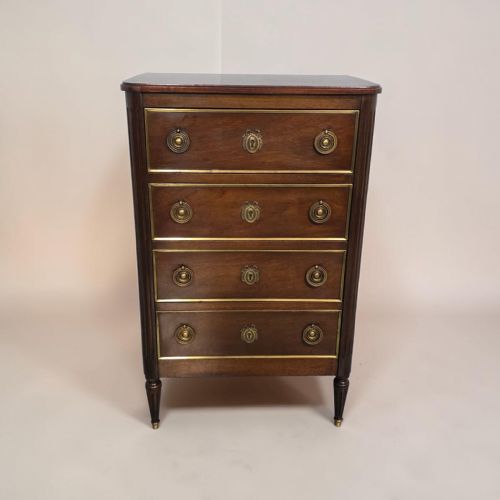
When you search for an antique chiffonier chest, you encounter a crossover of forms that includes tallboys, side cabinets, semainiers, and traditional chests of drawers. These pieces served varied domestic purposes, often combining shelved upper sections with enclosed drawers or cupboards beneath.
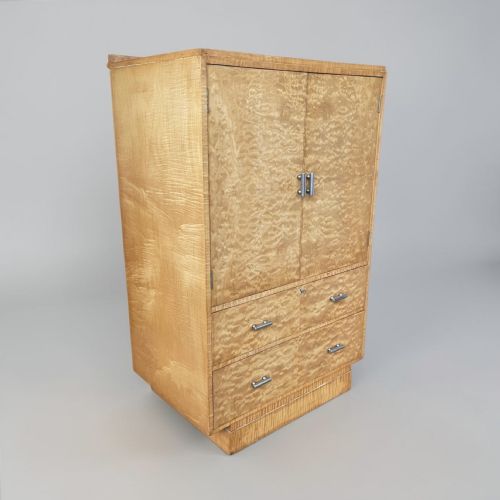
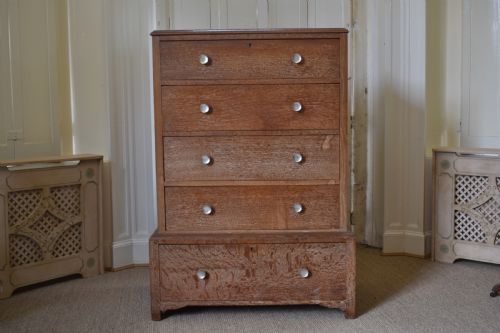
The versions you meet most frequently on this page span the 18th century, the Victorian era, the Regency period, and the 1930s. Mahogany and walnut dominate the surviving examples, alongside occasional oak, birch, and rosewood instances.
Makers utilised diverse regional traditions, resulting in pieces that range from English mahogany uprights to French walnut semainiers and Dutch marquetry works. Each iteration reflects the storage demands of its original household context.
Materials and construction methods
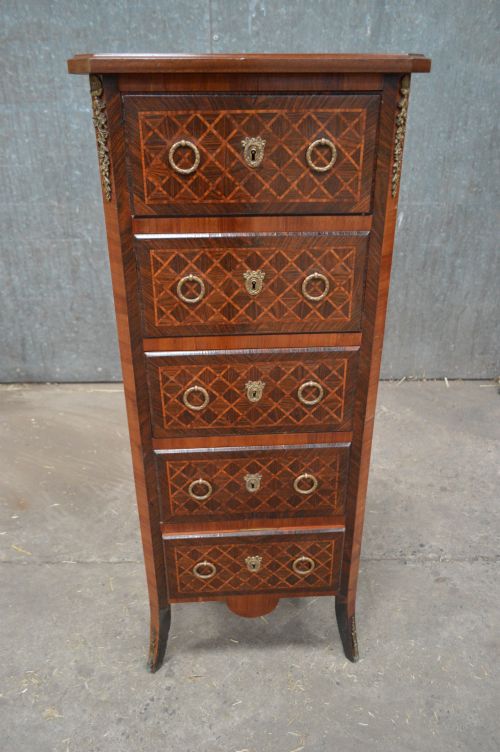
Cabinet-makers constructed these carcasses primarily using solid mahogany, walnut, and oak, frequently applying veneers such as walnut, kingwood, or birds-eye maple over secondary timbers. Bookmatching and parquetry patterns reveal careful selection of grain alignment across drawer fronts and top surfaces.
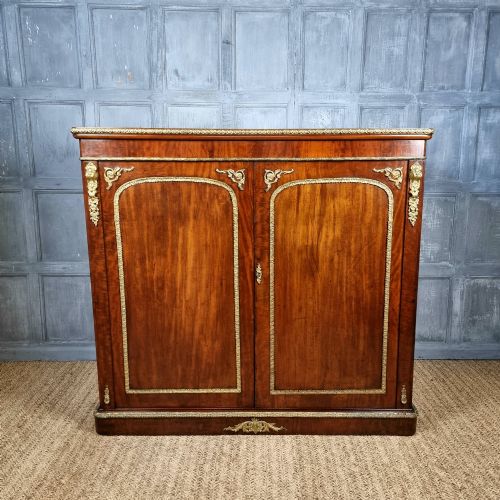
Mounts and hardware of brass, ormolu, and metal provide structural accents and functional handles. Marble tops appear on several continental and later pieces, offering a durable and cool surface finish.
Joinery techniques involve precision drawer construction, secret compartments, and fitted secretaire pull-outs designed to function as writing desks. Surface finishes rely on traditional polish and wax applications that highlight the natural figure of the wood.
Some chests hide secret compartments behind dummy drawer fronts, built to safeguard family letters and small valuables from curious guests.
Distinguishing quality across examples
The standard of a piece rests heavily on the integrity of its timber veneers and the precision of its marquetry or parquetry work. Superior examples display seamless grain matching and intact stringing without lifting or replacement.
Internal construction dictates longevity, particularly the dovetailing of drawers and the smooth operation of secret compartments or drop-front writing surfaces. Original brass or ormolu hardware also elevates a piece above those fitted with later replacements.
Proportion and scale distinguish finer workshops from standard production. A balanced elevation, crisp carving, and well-chosen marble slabs indicate a higher grade of design and execution.
Gillows·Leonard Boudin
The Antique Chiffonier Chest Glossary
- Semainier
- A tall, slender seven-drawer chest traditionally designed to hold a week of linen or daily garments. This form appears frequently in French cabinet-making traditions.
- Secretaire
- A chest or cabinet featuring a pull-out drawer with a hinged front that reveals a writing surface and small pigeonholes. It combines storage with a compact desk facility.
- Tallboy
- An upright chest of drawers comprising a base section and an upper chest stacked vertically. They maximise vertical storage capacity while occupying a small floor footprint.
- Parquetry
- Geometric wood-mosaic work used to decorate furniture surfaces. Cabinet-makers arrange small veneer pieces to form repeating patterns.
- Marquetry
- Elaborate decorative veneer work forming pictorial or floral designs. Artisans cut contrasting woods and fit them into a background veneer.
Antique Chiffonier Chest: Frequently Asked Questions
What is an antique chiffonier chest?
An antique chiffonier chest is a hybrid storage piece that combines the deep drawers of a chest with the open shelving, side cabinets, or secretaire writing compartments typical of a chiffonier.
These items were built to hold household linens, papers, or clothing while providing a sturdy surface for display or writing.
How do I date a chiffonier chest?
Dating relies on identifying the primary timbers, construction methods, and stylistic cues present in the piece. Regency and Georgian examples exhibit clean classical proportions, whereas Victorian and 1930s items introduce alternative woods and art deco or art nouveau details.
Hardware styles and secondary woods inside the drawers also provide reliable chronological markers for the cabinet.
Where should I place one at home?
These chests suit living rooms, dining rooms, or hallways where their vertical proportions provide useful surface space without blocking walkways. Tallboy and semainier versions fit well in tight wall spaces where floor area is limited.
Their enclosed compartments keep contents dust-free, making them practical for everyday storage.
Are marble tops original?
Marble tops frequently appear on continental European cabinets, French empire pieces, and later 1930s designs. They served as durable, stain-resistant surfaces for serving or washing.
Examining the rebate where the marble sits helps confirm whether the stone integrates with the original carcass construction.