



Antique Chiffonier Base
An antique chiffonier base offers low storage and surface space, bringing practical utility and period character to a dining room or living space.
Antique Chiffonier Base
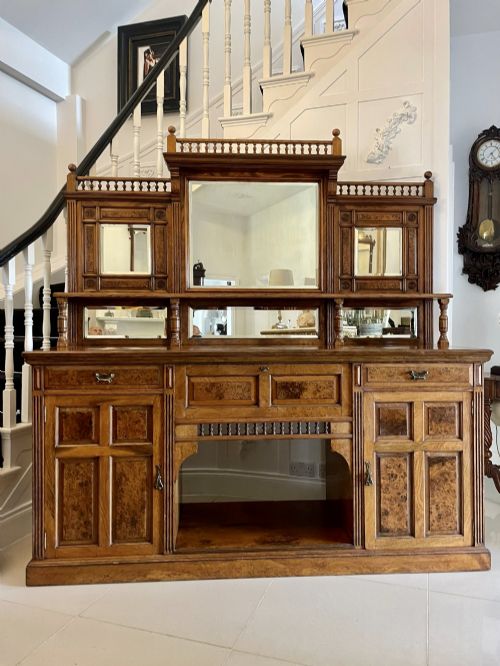
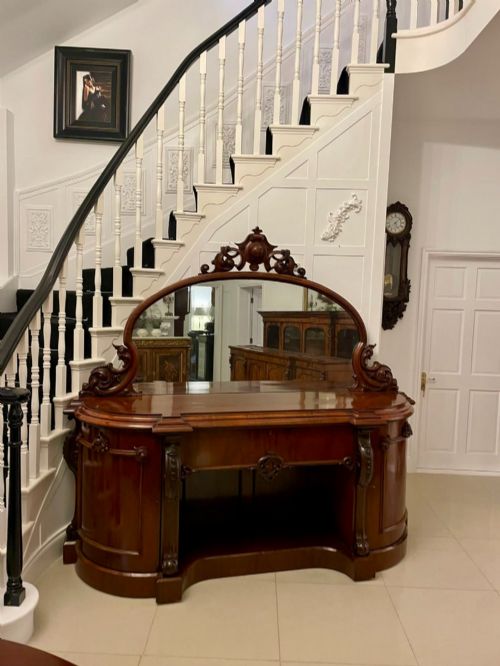
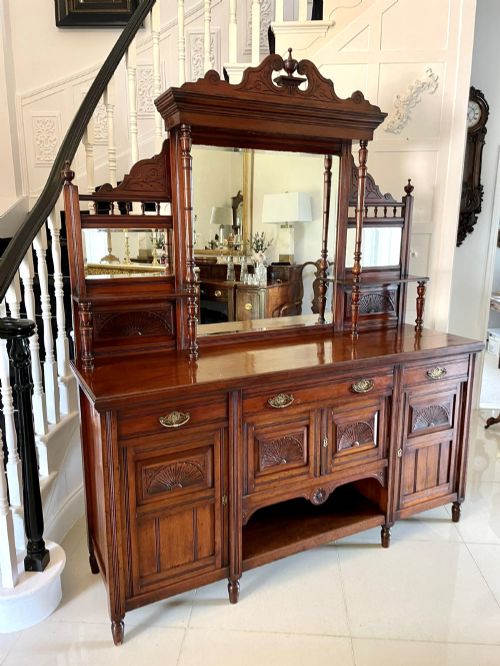
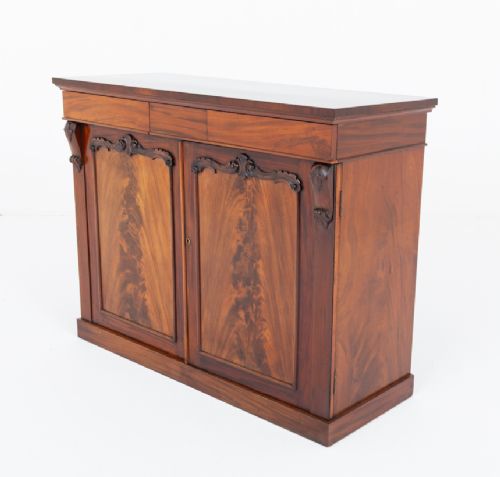
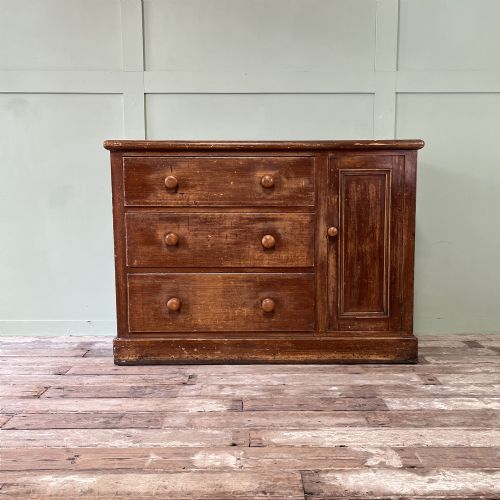
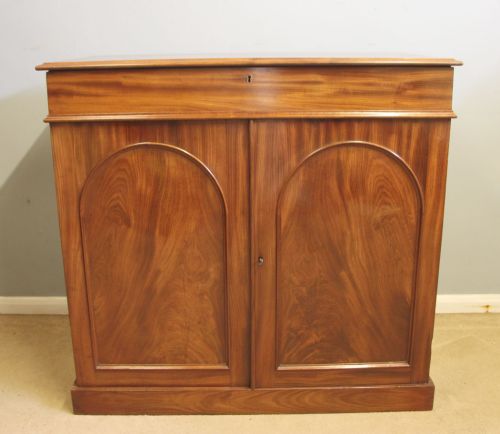
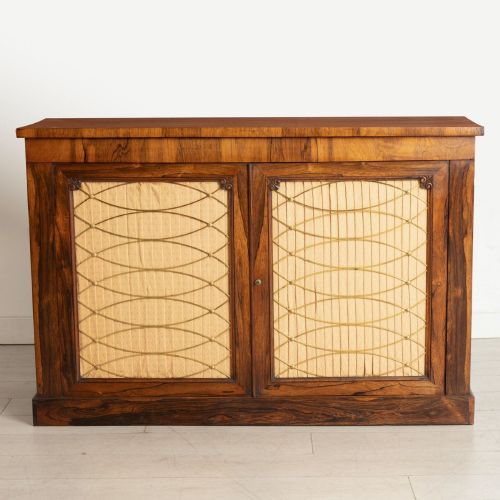
An antique chiffonier base is a low sideboard or cabinet originating from the Georgian, Regency, William IV, Victorian, Edwardian, and later nineteenth or early twentieth century periods. These sturdy wooden pieces typically combine enclosed cupboard storage with surface display space, sometimes lacking the upper superstructure seen on tall mirror-back sideboards.
The pieces appearing most frequently in this selection span the Victorian and Regency eras, constructed primarily from mahogany, rosewood, and walnut. They serve as compact storage units, often featuring panelled doors, drawers, and turned feet or plinth bases.
The form bridges the gap between a tall bookcase and a formal sideboard, offering low-profile utility that suits modern room layouts while retaining historical cabinet-making styles.
What varies in quality
The standard of an antique chiffonier base rests on the selection of timber veneers and the crispness of any applied carvings or turned wooden elements. Finer examples display carefully matched wood grains across drawer fronts and doors, coupled with substantial internal construction.
Simpler pieces executed in pine or lighter oak reflect more utilitarian origins, whereas rosewood and burr walnut variants generally point to higher-status commission work with superior hardware integration.
Antique Chiffonier Base Retail Price Guide 2026
Typical asking prices for chiffonier base among the pieces listed under this phrase on Sellingantiques today, from the lower quarter to the upper quarter. They describe what is for sale here now, not the wider market.
The listings span multiple eras, with Victorian and Regency pieces appearing alongside Edwardian and Georgian examples.
The Antique Chiffonier Base Glossary
- Chiffonier
- A low sideboard or cabinet featuring enclosed cupboards beneath a drawer, designed for dining rooms and parlours. It provides compact storage alongside a flat top surface.
- Veneer
- A thin layer of figured wood applied over a stable secondary timber to create decorative surface patterns. Flame mahogany and burr walnut are common examples.
- Breakfront
- A cabinet design where the central section projects forward from the flanking cupboards. This arrangement creates visual depth and architectural interest.
- Plinth base
- A heavy solid block or low platform supporting the base of a cabinet, replacing traditional legs. It provides a grounded and stable appearance.
Antique Chiffonier Base: Frequently Asked Questions
What is an antique chiffonier base?
An antique chiffonier base is a low timber cabinet or sideboard designed for domestic storage and surface display. It typically combines one or more drawers with enclosed cupboards below.
These pieces originate from periods spanning the late eighteenth to the early twentieth centuries, constructed in styles from Regency to Edwardian.
How were chiffonier bases used?
Historically, these cabinets served in dining rooms and parlours to hold tableware, linens, or books. The flat top surface provided space for serving food or displaying decorative objects.
In contemporary spaces, they function effectively as low media consoles, hallway storage units, or dining room sideboards.
How do I identify the period?
Dating relies on observing timber choices, hardware, and structural characteristics. Regency and William IV pieces frequently utilise rosewood with heavy brass inlays or scroll carved details.
Victorian examples commonly feature solid mahogany or burr walnut with panelled doors, while Edwardian versions often display lighter oak or simpler mahogany constructions.
Are these pieces difficult to maintain?
Maintenance requires standard care for antique wood furniture, avoiding excessive moisture and direct sunlight. Regular dusting and occasional application of appropriate furniture wax preserve the polished timber finish.
Internal spaces benefit from occasional airing, particularly when housing books or textiles within enclosed cupboards.