


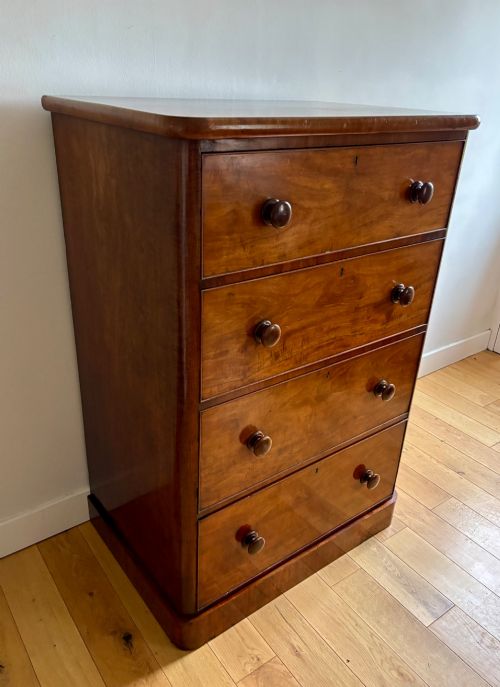
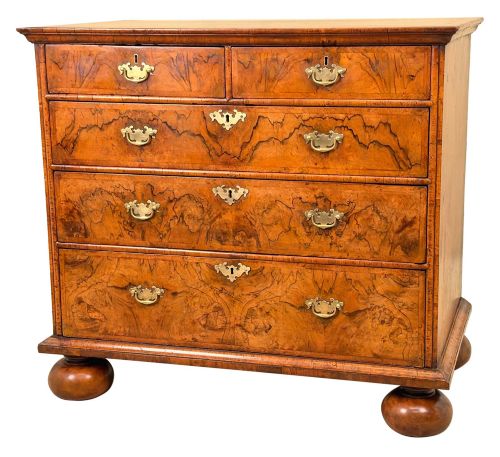
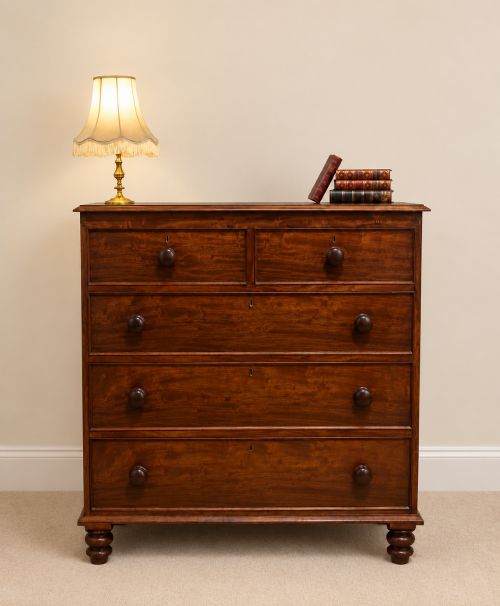
Antique Chest Bureau
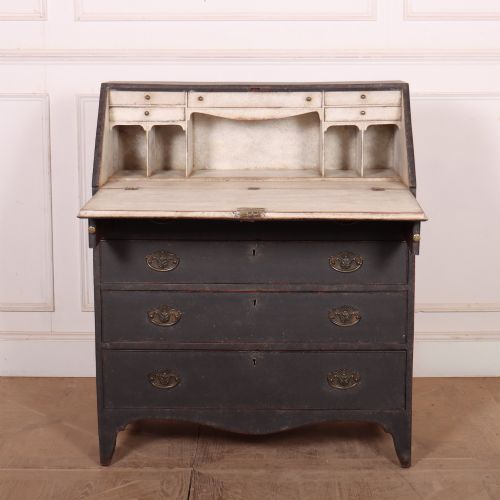
These antique chest bureau pieces combine drawer storage with a fitted writing surface, bringing centuries of craftsmanship into a working room.
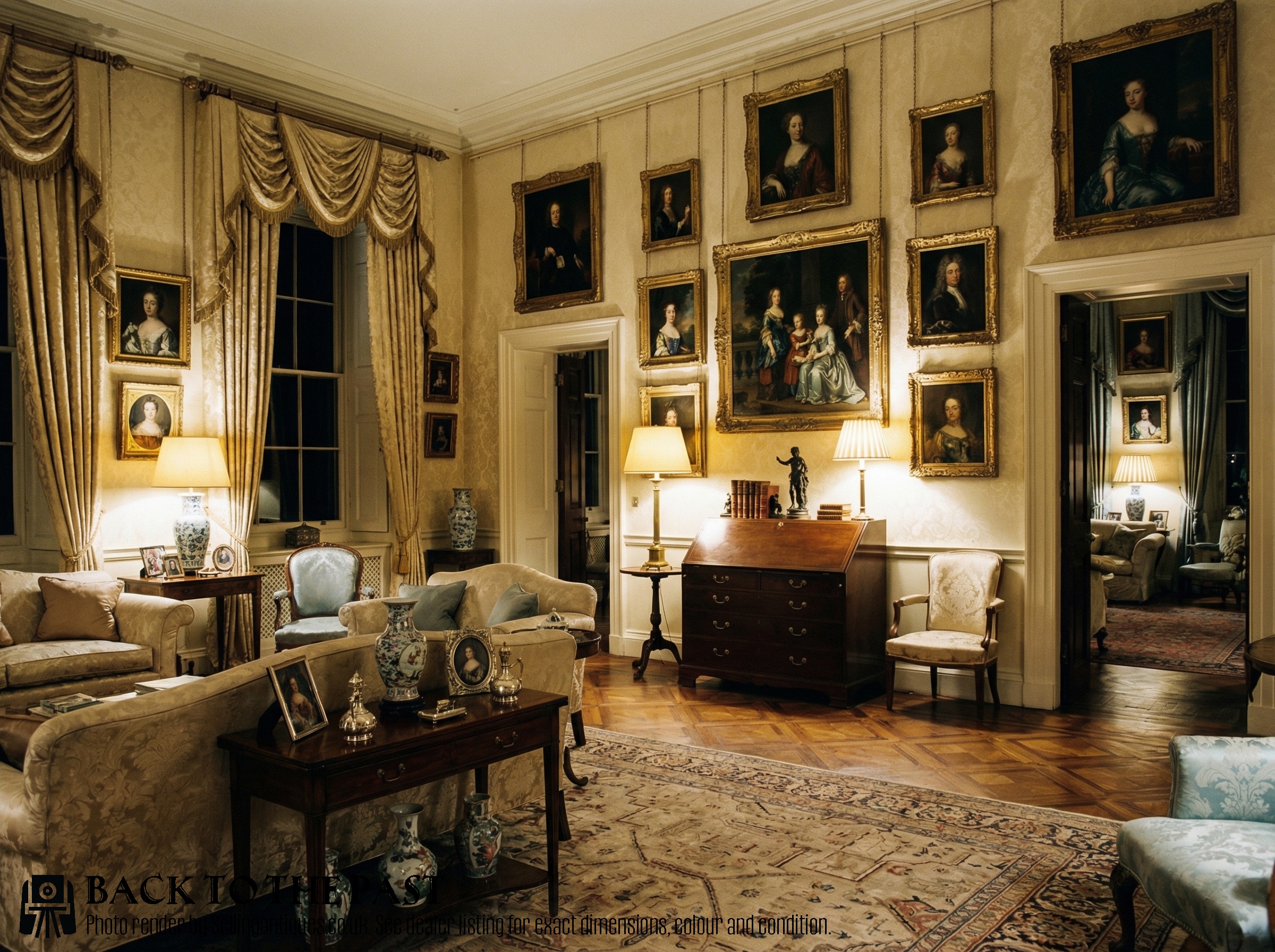
Antique Chest Bureau
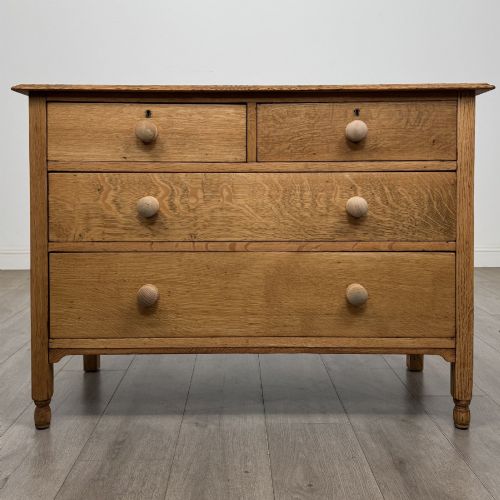
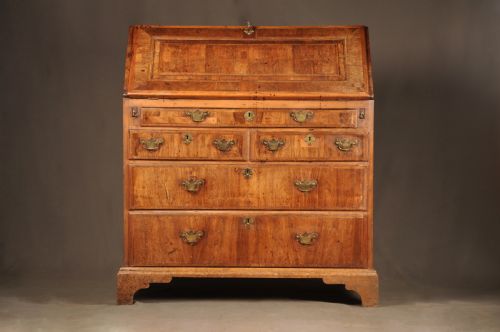
When you search for an antique chest bureau, you are looking at dual-purpose furniture designed for domestic storage and correspondence. These pieces unite the upright drawers of a standard chest with a fold-down or sliding writing flap.
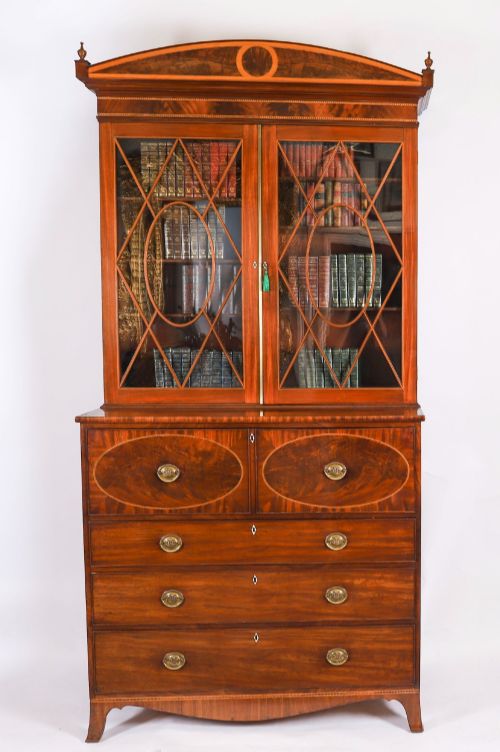
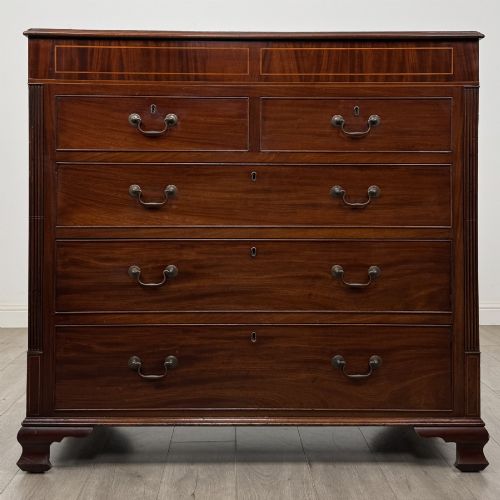
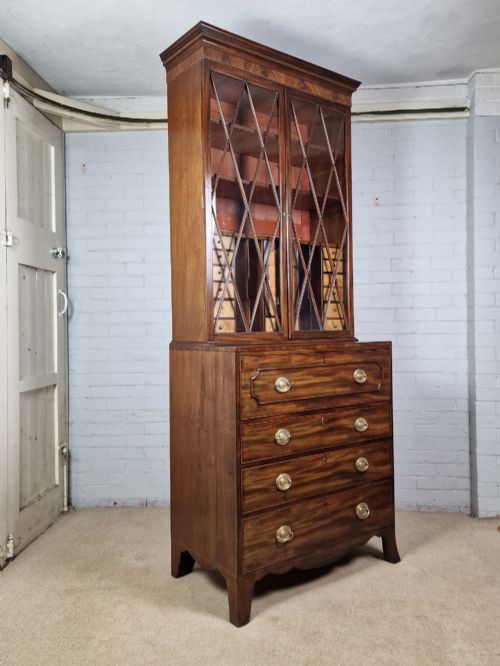
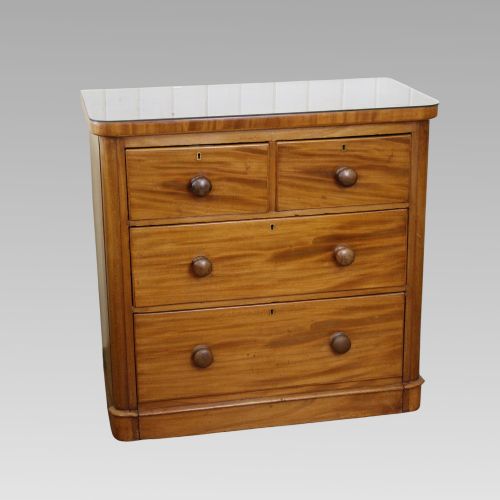
The versions most common on this page span the Georgian, Regency, and Victorian periods, alongside earlier examples in walnut and oak. You will find items ranging from straightforward mahogany writing boxes on chests to elaborate bureau bookcases with glazed upper doors.
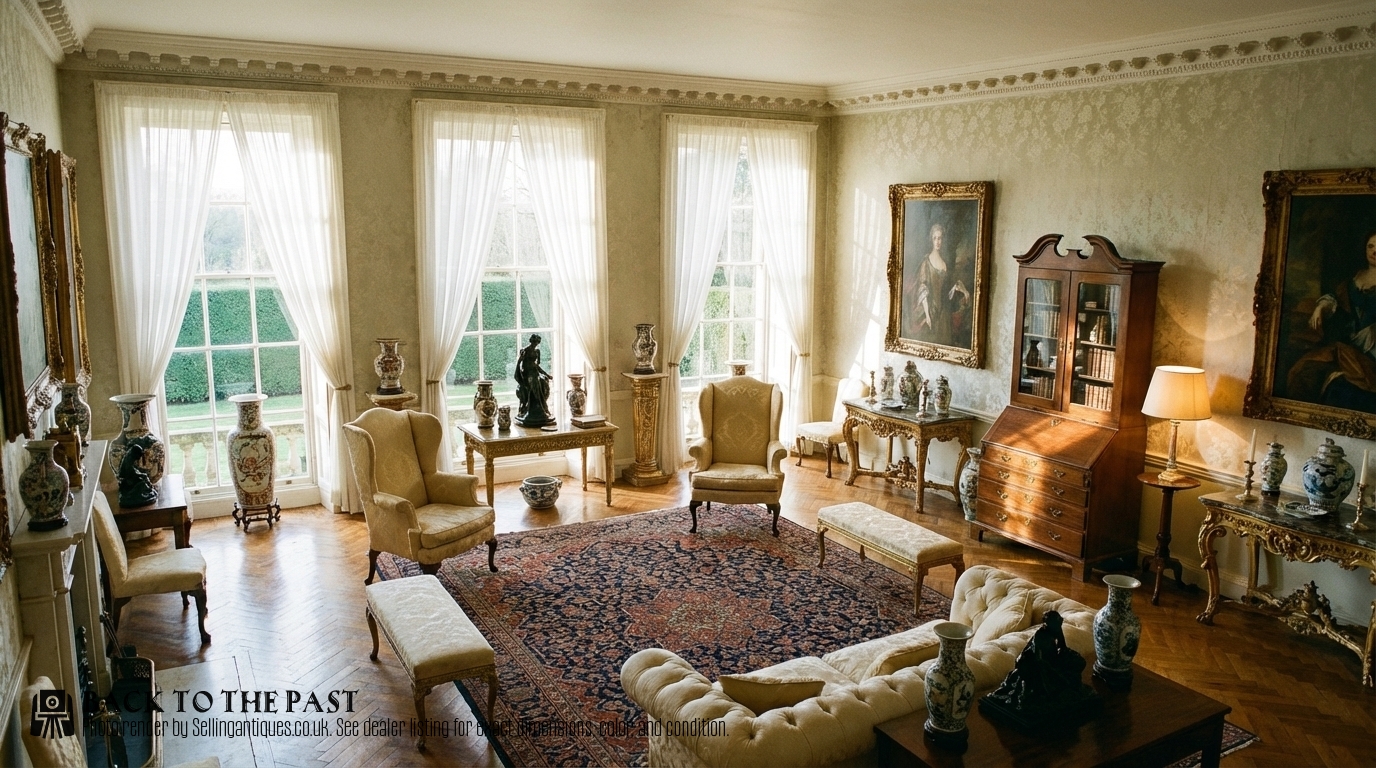
How they were made
Cabinet makers built these pieces using solid timbers like mahogany, oak, and walnut, frequently applying figured veneers or floral marquetry to primary surfaces. Drawer linings typically consist of secondary woods like pine, joined with hand-cut dovetails.
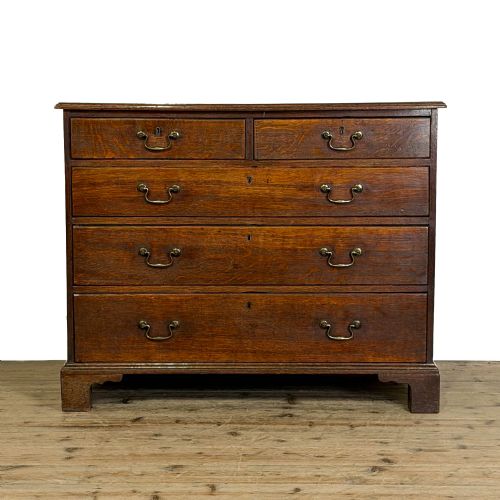
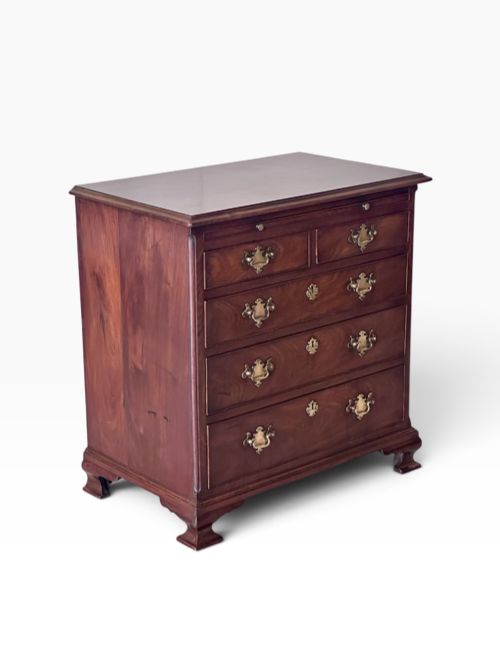
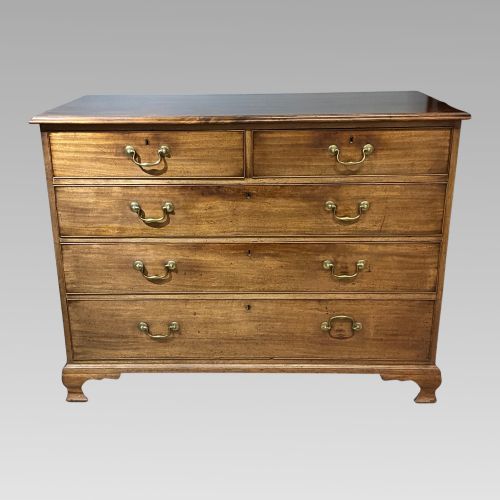
Brass hardware such as drop handles, escutcheons, and hinges secure the construction and operate internal compartments, while secondary details like leather writing inserts and glass panel doors complete the form.
Antique Chest Bureau Retail Price Guide 2026
Typical asking prices for chest bureau among the pieces listed under this phrase on Sellingantiques today, from the lower quarter to the upper quarter. They describe what is for sale here now, not the wider market.
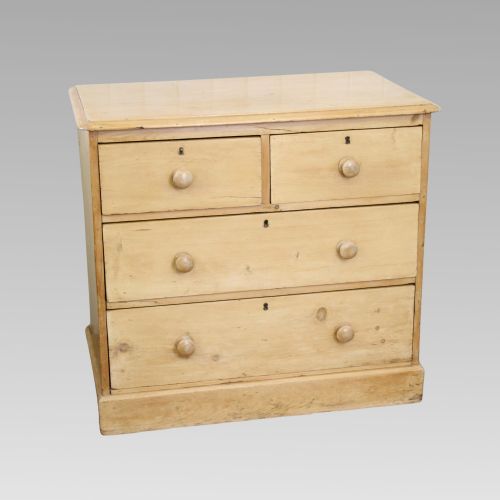
Listings feature periods from the 17th century through the Edwardian era, constructed in oak, mahogany, walnut, and pine.
What varies in quality
Quality rests in the selection of timber veneers, such as figured walnut, burr walnut, or flame mahogany, and the precision of the marquetry inlay. Superior examples display continuous grain alignment across drawer fronts and deliberate choice of secondary timbers.
Internal complexity also dictates value, where fitted compartments, secret drawers, and original brasses separate standard utilitarian items from master cabinet work.
Sir Clough Williams-Ellis
The Antique Chest Bureau Glossary
- Bureau
- A writing desk featuring a sloping lid that opens to reveal internal pigeonholes and small drawers. It often sits atop a base of larger drawers.
- Marquetry
- Decorative patterns formed by fitting together thin veneers of various wood types and coloured materials. This technique creates elaborate floral or geometric designs across the surface.
- Secretaire
- A cabinet or chest incorporating a pull-out drawer fitted with a writing surface and pigeonholes. It maintains the exterior appearance of a standard drawer chest.
- Serpentine
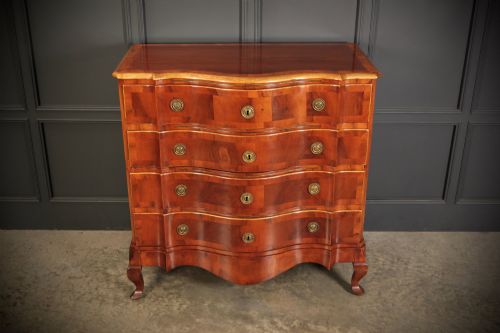
- A front contour characterised by a convex central section flanked by concave curves. This shape requires advanced woodworking skill to construct accurately.
- Herringbone
- A V-shaped pattern of wood veneer inlay used to frame drawer fronts and panel borders. It highlights the grain direction of contrasting timbers.
Antique Chest Bureau: Frequently Asked Questions
What is an antique chest bureau used for?
These pieces served as combined storage for clothing or documents alongside a dedicated writing space. The fold-down flap provided a stable surface for correspondence before the widespread use of standalone desks.
Today, they function well in home offices or living areas where hidden storage and a compact writing area are practical.
How do I identify a Georgian bureau?
Georgian pieces typically employ solid mahogany, oak, or walnut with hand-cut dovetailing on the drawer interiors. They often feature bracket feet and brass drop handles that reflect the understated proportions of the 18th century.
Internal fittings usually include modest pigeonholes and small secret compartments concealed behind sliding panels.
Are these pieces suitable for daily use?
Solid construction and durable hardwoods make these items robust enough for regular contemporary living. The writing flaps are engineered to support the weight of normal writing and reading materials.
Care should be taken to protect antique wood surfaces from moisture and direct heat sources to preserve the polish and veneer.
How do I tell walnut pieces from mahogany?
Walnut displays a warmer, lighter brown tone with intricate grain figures, often enhanced by burr patterns or marquetry inlay. It was predominantly used during the 17th and early 18th centuries.
Mahogany presents a deeper reddish-brown colour with a straighter, tighter grain structure that became standard in British cabinet making through the Georgian and Regency eras.