



Antique Cherry Table
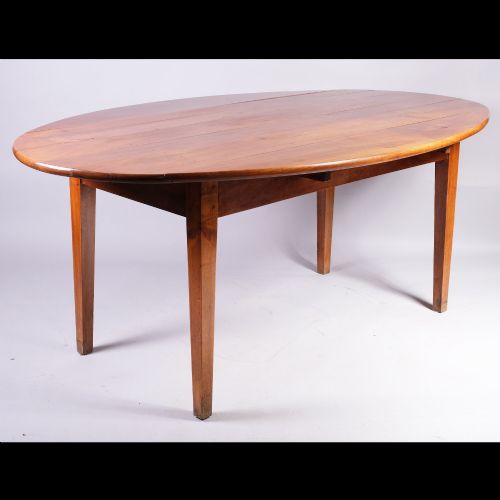
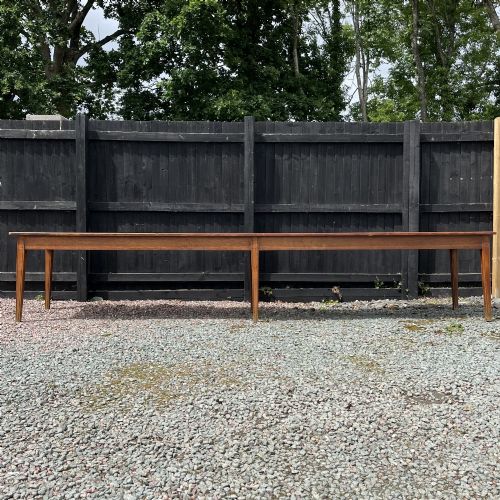
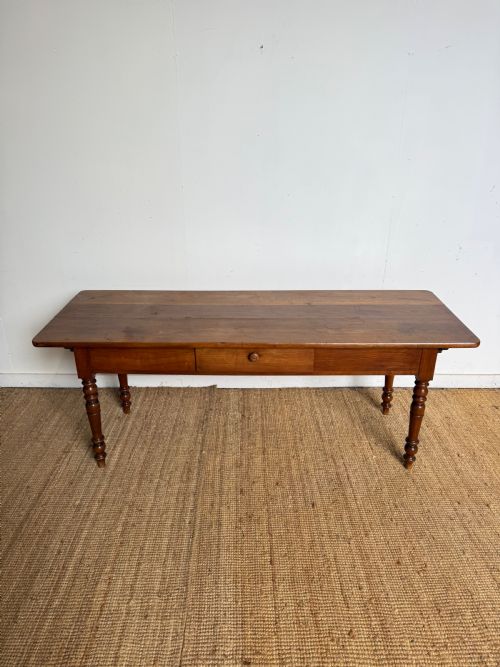
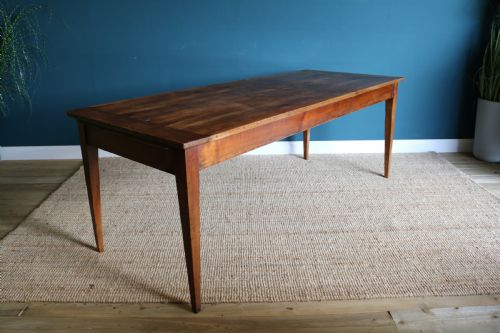
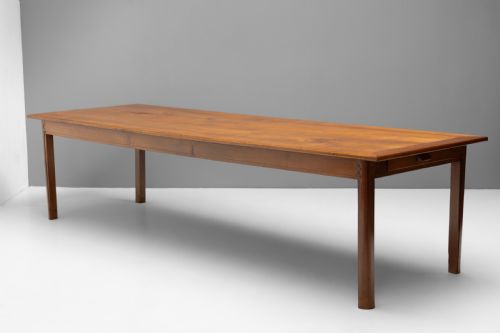
When you search for an antique cherry table, you encounter dense provincial timbers and honest domestic forms shaped across the eighteenth and nineteenth centuries.
Antique Cherry Table
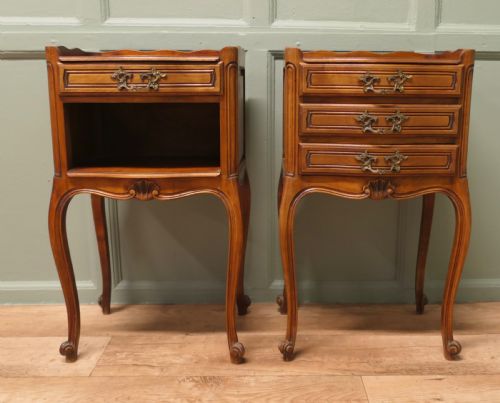
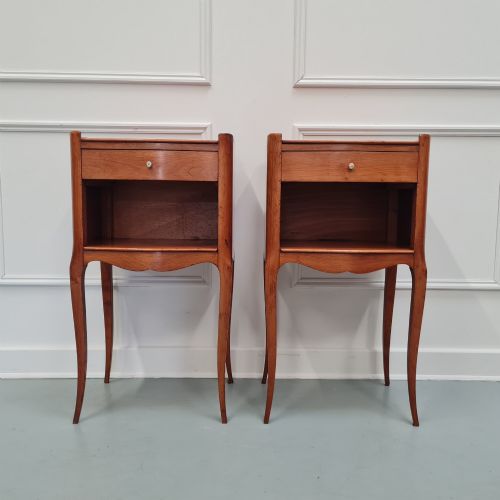
Beyond large dining boards, the selection includes bedside cabinets, lowboys, console tables, and coffee tables adapted from earlier forms. French country workshops produced many of these pieces, alongside regional English and American examples featuring fruitwood and oak secondary timbers.
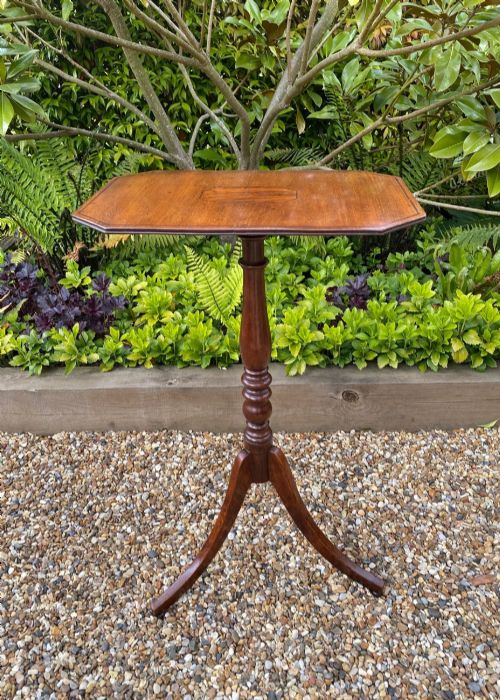
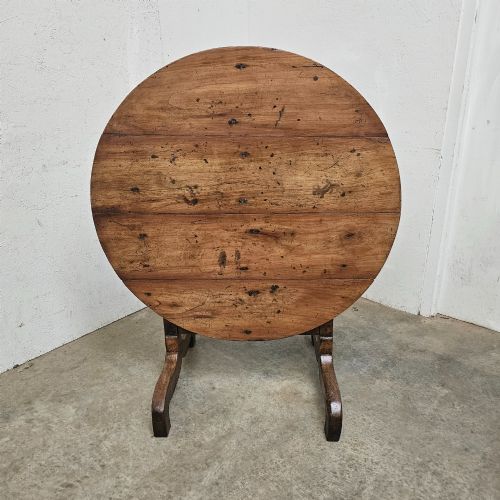
Smaller formats such as wine tables, tilt-top stands, and bedside nightstands demonstrate the versatility of cherry wood in domestic settings. These items range from eighteenth-century lowboys to twentieth-century provincial reproductions and occasional furniture.
How they were made
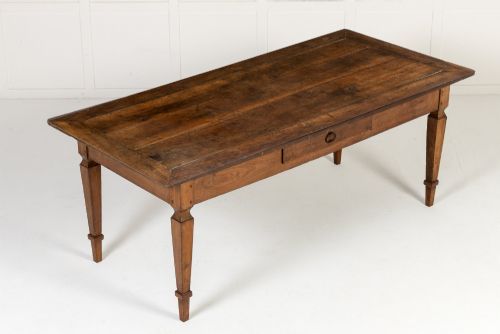
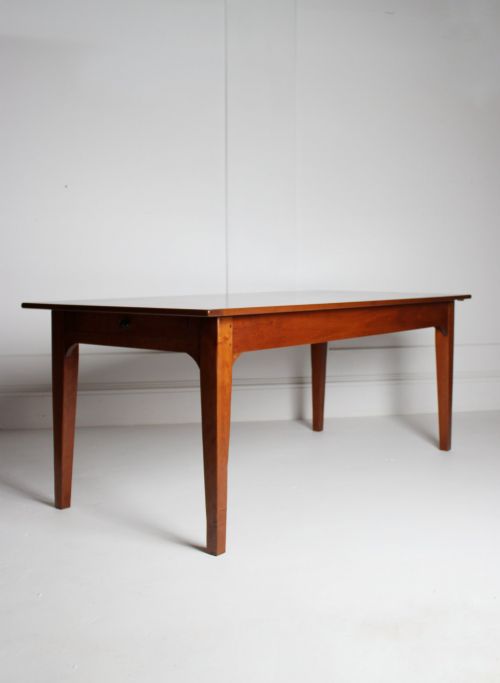
Cabinetmakers utilised solid cherry wood alongside supporting timbers like oak, maple, and fruitwood to construct robust domestic frames. Traditional joinery methods such as pegged mortise and tenon joints ensured the longevity of large farmhouse dining tables and refectory boards.
Surface hardware frequently incorporated brass pulls, cast metal details, and occasional stone or marble tops set into occasional tables and bedside cabinets. Drawer construction often featured hand-cut dovetails, while extension mechanisms relied on sturdy wooden runners and sliding bread boards.
Listings feature cherry wood alongside oak, metal, and fruitwood across dining, coffee, and bedside formats.
What varies in quality
The grading of an antique cherry table rests on the depth of the timber's natural patina and the integrity of its original construction. Tables retaining untouched timber surfaces and early joinery display a richer character than those stripped down or heavily restored.
Proportion and scale distinguish finer vernacular pieces from utilitarian workshop output, particularly in regional French farmhouse and English lowboy examples. Well-balanced cabriole legs, integrated bread slides, and clean framing elevate the visual weight of denser cherry wood.
The Antique Cherry Table Glossary
- Lowboy
- A small seventeenth or eighteenth-century dressing table or side table featuring a low waist and one or more rows of drawers. These pieces typically rest on slender cabriole or tapered legs.
- Vendange table
- A French folding wine harvest table designed for seasonal utility and easy storage. They often combine cherry wood with oak or fruitwood framing.
- Bread slide
- A pull-out wooden board integrated beneath the tabletop of antique dining tables. Historically utilised for slicing bread or expanding surface area during meals.
- Refectory table
- A long dining table traditionally used for communal dining in monastic or domestic halls. Surviving examples frequently employ heavy timber stretchers for structural stability.
- Tilt-top table
- An occasional table featuring a hinged top that pivots vertically to save space when not in use. They are commonly supported by a turned pillar and tripod base.
Antique Cherry Table: Frequently Asked Questions
How do I clean an antique cherry table?
Maintain the timber surface by dusting regularly with a soft, dry cloth to prevent grit accumulation. Avoid modern silicone sprays or harsh chemical polishes that can degrade the historic patina over time.
Nourish dry cherry wood periodically using traditional beeswax applied sparingly and buffed to a soft sheen. Keep the table away from direct heat sources and strong sunlight to prevent the timber from warping or fading.
Were all these tables made in France?
While French provincial and farmhouse tables form the vast majority of the listings, the category includes pieces from other regions. English lowboys and American vernacular tables also appear within the wider selection.
Regional characteristics such as leg profiles, stretcher arrangements, and secondary woods help identify the likely place of origin. Examining the specific construction details often reveals the workshop traditions behind each individual piece.
How do I spot an extended dining table?
Look for visible side seams or split top configurations indicating draw-leaf or double-extending mechanisms hidden beneath the main surface. Bread slides and internal runners point toward functional dining designs intended to accommodate extra guests.
Examine the underside of the framework to understand how the extension leaves are supported and operated. Nineteenth-century examples frequently utilise robust wooden tracks that slide smoothly despite decades of use.
Can I use a farmhouse table daily?
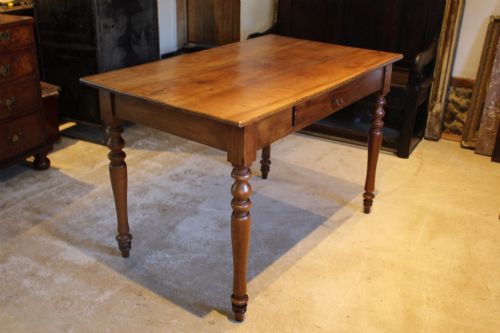
Farmhouse tables were originally built precisely for heavy domestic labour and daily family meals. Their solid cherry construction and pegged joinery make them remarkably resilient for modern dining and kitchen use.
Use protective mats under hot dishes and wipe up moisture promptly to preserve the historic finish. Embracing the existing dents and marks as part of the table's history allows for relaxed, everyday living.