

Antique Ceramic Wall Art
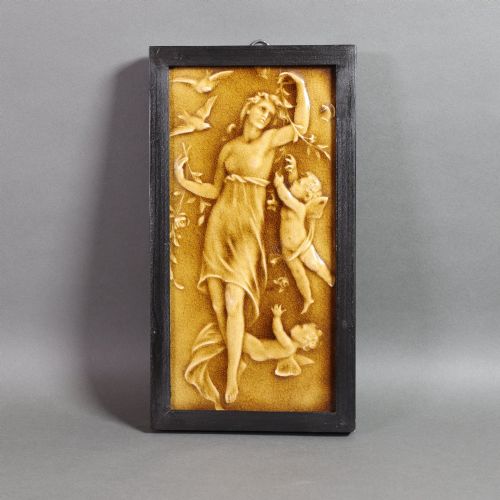
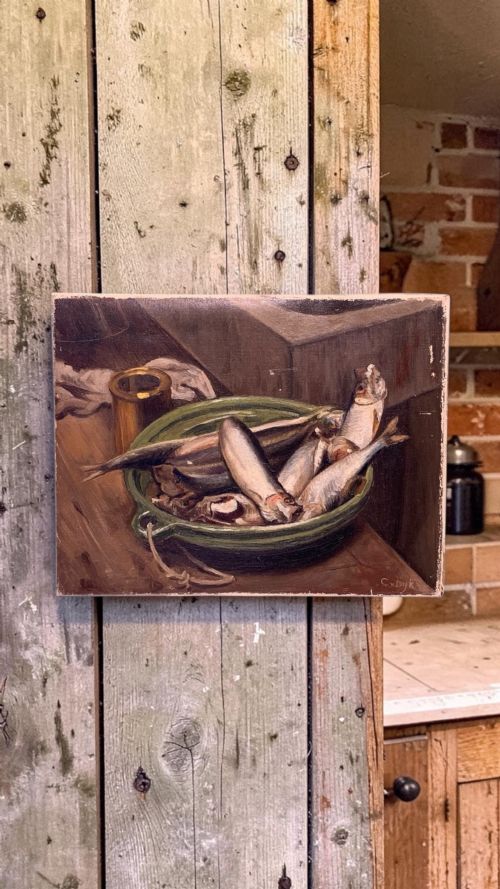
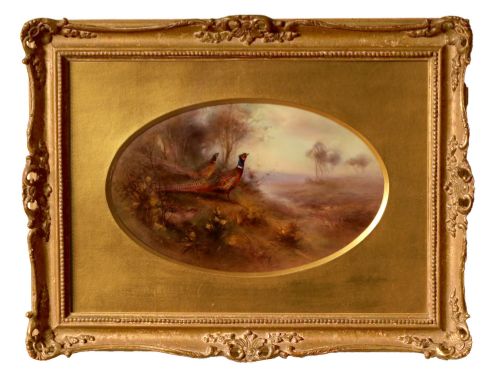
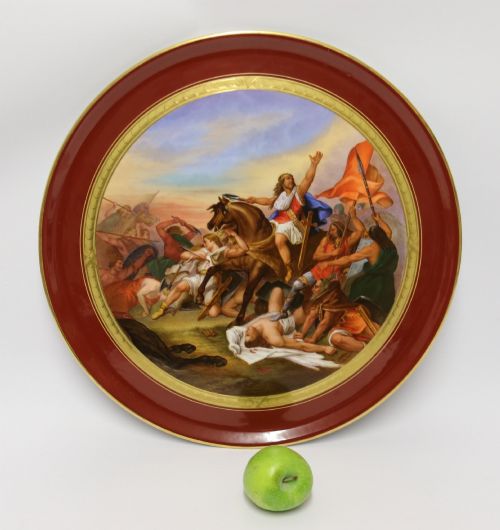
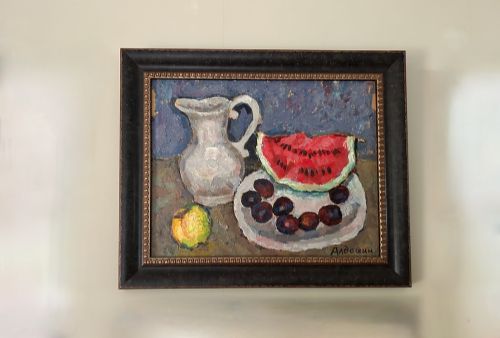
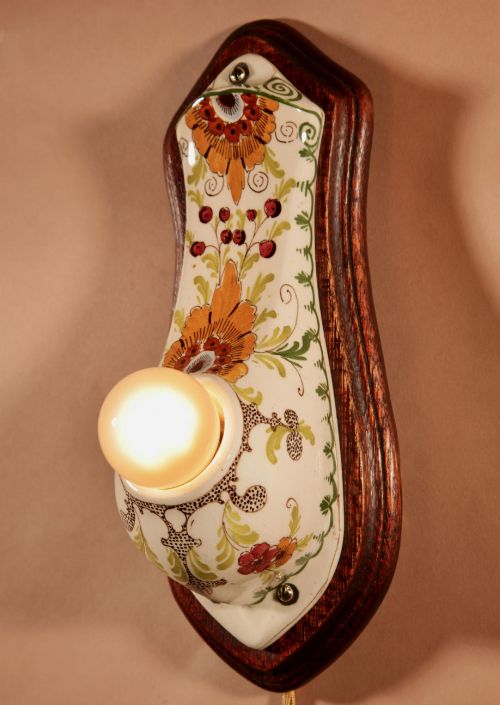
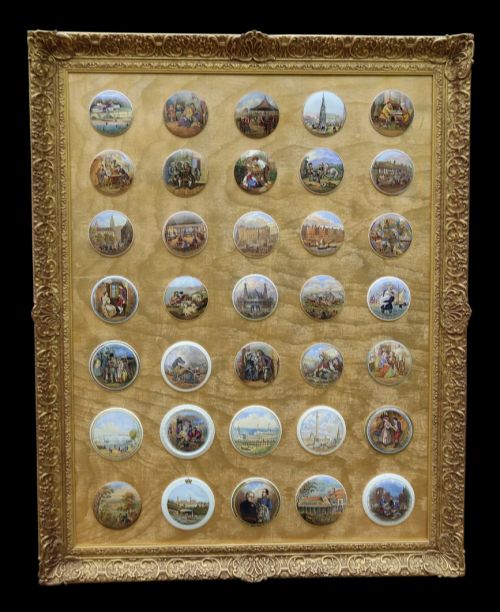
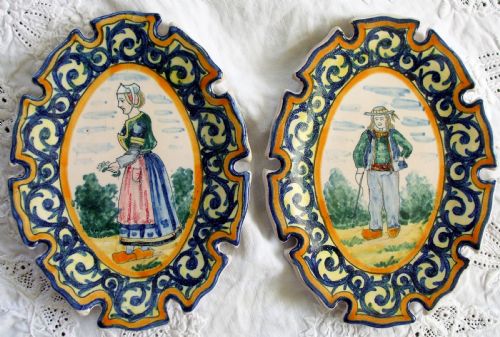
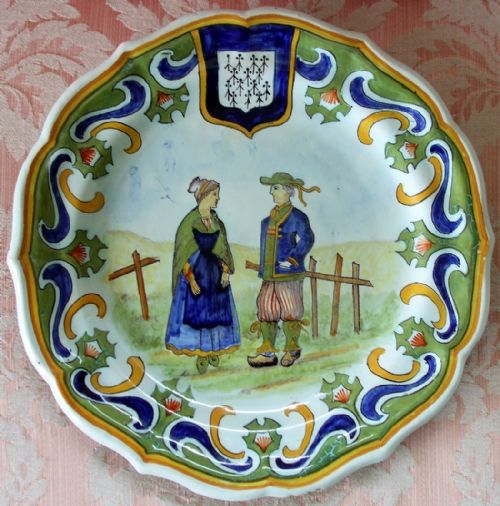
These pieces of antique ceramic wall art bring hand-painted porcelain, earthenware and tiles into interiors through framed plaques and decorative chargers.
Antique Ceramic Wall Art
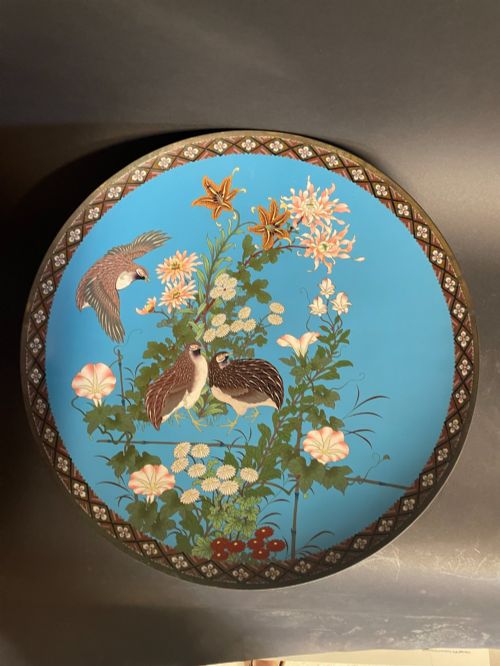
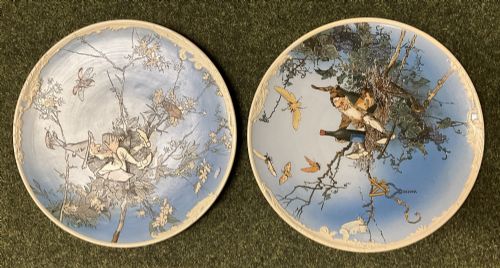
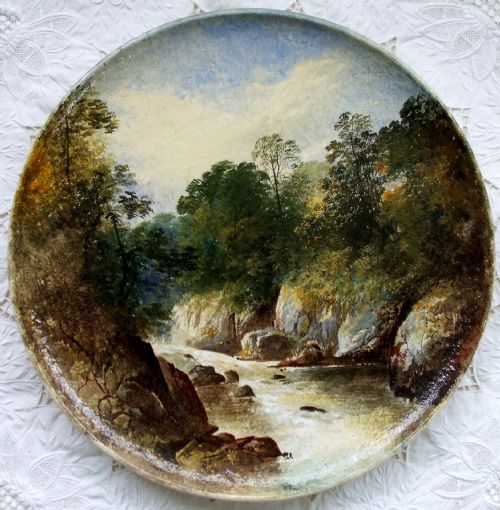
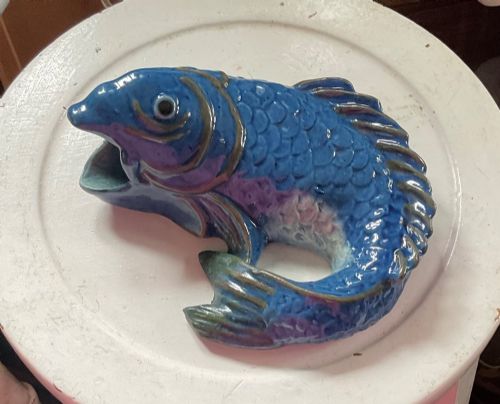
When searching for antique ceramic wall art, buyers encounter a diverse range of items including hand-painted porcelain plaques, framed decorative tiles, and large earthenware chargers designed for display. These objects span from the eighteenth century through the Victorian, Edwardian, and Art Deco periods, originating from British, French, Austrian, and Japanese makers.
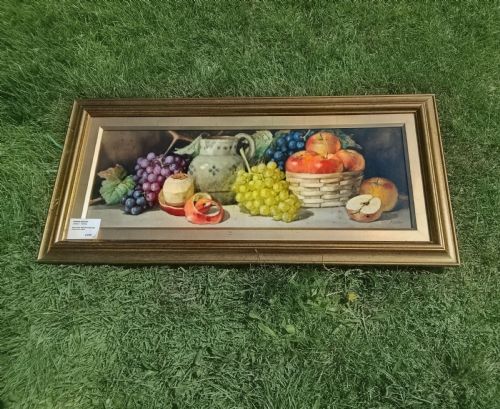
The most common forms on this page are individual framed ceramic plaques and decorative plates featuring landscape scenes, portraits, or figurative subjects. Many pieces incorporate wood frames or copper mounts to facilitate hanging, transforming functional pottery into dedicated wall decoration.
Materials and techniques
Maker workshops utilised porcelain, earthenware, and terracotta as bases for intricate hand-painting, glaze work, and relief moulding. Artists applied enamels and polychrome glazes directly to the ceramic surface before high-temperature firing to achieve permanent colour.
Framing often involved carved wood, enamel accents, and occasionally metalwork elements like gold leaf or copper mounts to support heavier porcelain and tile plaques.
Antique Ceramic Wall Art Retail Price Guide 2026
Typical asking prices for ceramic wall art among the pieces listed under this phrase on Sellingantiques today, from the lower quarter to the upper quarter. They describe what is for sale here now, not the wider market.
Listings feature porcelain, earthenware, and terracotta pieces spanning the eighteenth to the twentieth century, originating from British, French, and Japanese workshops.
Judging the work
Quality in these pieces rests upon the precision of the hand-painting, the clarity and depth of the glaze, and the ambition of the subject matter. Master painters working for established potteries achieved subtle shading and fine detail that distinguish superior plaques from standard factory output.
The integrity of the original frame and the preservation of the ceramic surface without extensive restoration also define the standing of a piece within its period.
Royal Worcester·Copeland Pottery·Mettlach·Minton·Sherwin and Cotton
The Antique Ceramic Wall Art Glossary
- Charger
- A large decorative plate intended primarily for display on a wall or sideboard rather than for dining use. These items often feature elaborate hand-painted scenes or intricate Japanese Imari patterns.
- Majolica
- A type of earthenware coated with an opaque tin-lead glaze and painted with bright polychrome colours. This technique creates a glossy finish suited for pictorial wall plaques and decorative pottery.
- Enamel
- A decorative glass-like substance fused to the surface of porcelain or metal through firing. It provides vibrant, durable colour on early plaques and decorative objects.
- Faience
- European tin-glazed earthenware produced across various regional potteries in France and elsewhere. The porous clay body receives a white glaze that serves as a ground for painted decoration.
Antique Ceramic Wall Art: Frequently Asked Questions
How do I hang ceramic wall art safely?
Most antique ceramic plaques and chargers arrive fitted with secure backing frames or integrated hanging wires designed for their weight. Ensure your wall fixings match the specific heft of the piece, particularly for larger porcelain chargers or framed tile assemblies.
Avoid hanging these items in areas subject to direct moisture or significant temperature fluctuations, which can stress both the ceramic body and any historic wooden frames.
Were these decorative tiles originally made for walls?
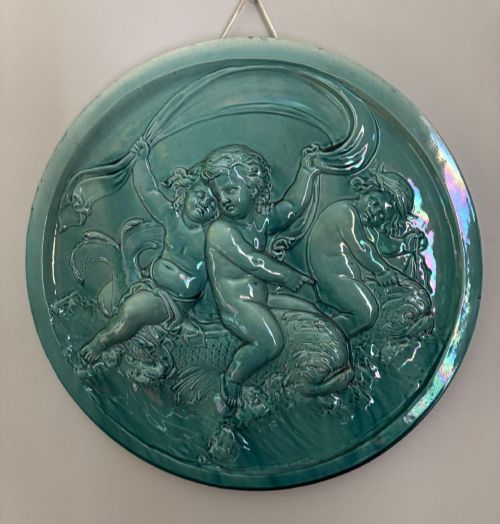
Many Victorian and Arts and Crafts tiles were produced as individual decorative art objects or mounted in specialised frames for interior display. Potteries like Sherwin and Cotton created specific tile plaques intended specifically for wall hanging rather than architectural installation.
Examining the reverse of the tile often reveals whether it was fitted with a permanent frame or backing during its period of manufacture.
How do I clean antique porcelain plaques?
Dust these pieces gently using a soft, dry brush or a clean microfiber cloth to prevent surface scratching. Avoid liquid cleaners or chemical agents, especially on hand-painted or enamelled areas where historic pigments might be delicate.
Professional restoration or cleaning should only be considered if the piece has sustained heavy grime that standard dry dusting fails to remove.