


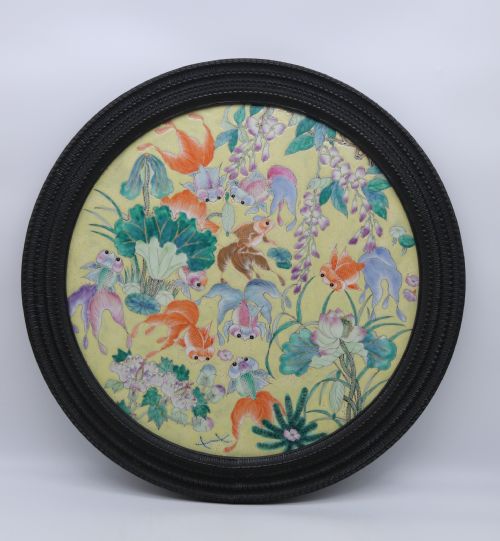


Antique Ceramic Wall Panel
These antique ceramic wall panel examples bring rich colour and historic character to a room, offering genuine painterly craft for your walls.
Antique Ceramic Wall Panel
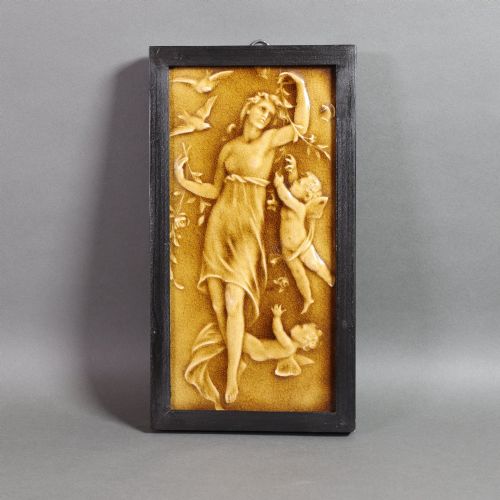
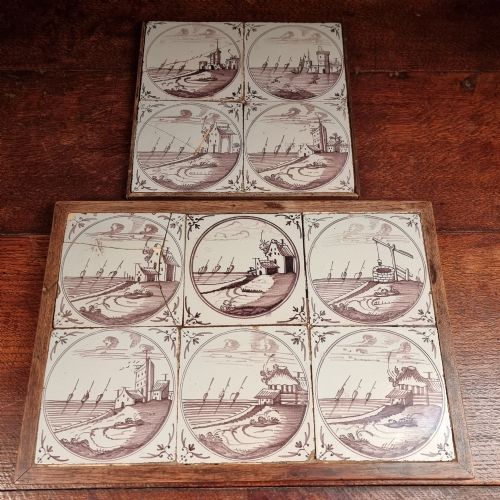
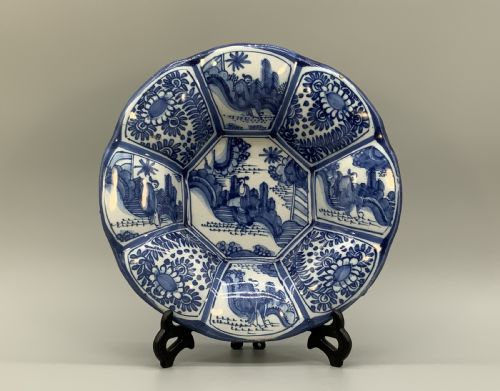
An antique ceramic wall panel encompasses framed tile pictures, painted porcelain plaques, and tin-glazed earthenware displays designed specifically for vertical suspension. These pieces transform utilitarian materials into striking wall art, ranging from single decorative plates to multi-tile architectural arrangements.
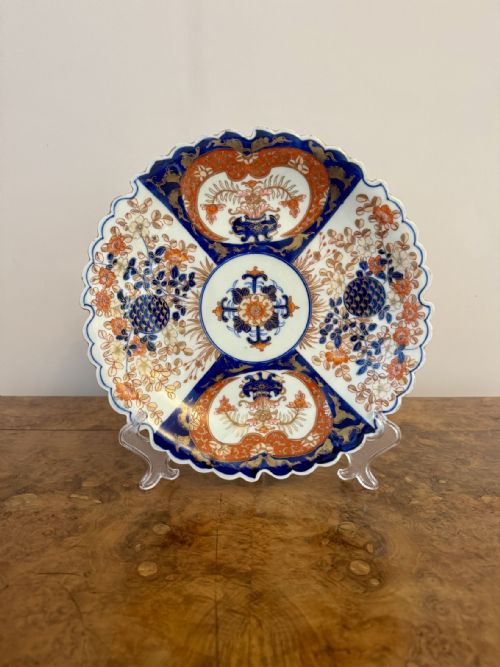
The pieces on this page span several centuries, drawing heavily from seventeenth-century Dutch traditions, nineteenth-century European factories, and Japanese Imari aesthetics. You are likely to meet framed tiles, painted porcelain portraits, and relief plaques that reflect distinct historical periods from the seventeenth century through to the Edwardian era.
Materials and methods of production
Potters shaped these works using earthenware, porcelain, and tin-glazed clay as a base before applying cobalt pigment, enamel, and sometimes gold leaf details. Firing techniques fixed these pigments permanently into the glaze, creating durable surfaces that retain their rich coloration over centuries.
Makers utilised specialised hand-painting methods, relief moulding, and transfer printing to achieve their designs. Many panels incorporate wooden frames to support heavy ceramic bodies and tiles, securing them safely for interior display.
Several panels depict mischievous children playing with goats and dogs, proving that historic artisans loved a touch of animal chaos.
Distinctions in quality and execution
Quality rests upon the precision of the brushwork and the clarity of the glaze firing. Superior examples display confident, highly detailed hand-painting without blurring or pooled pigments.
The artistic ambition of the composition dictates the standing of a piece. Works bearing artist signatures or originating from established pottery traditions demonstrate a higher level of skilled craftsmanship than standard decorative wares.
Royal Worcester·Reginald Robert Tomlinson·Longwy·C. Ravier·H. Desprez
The Antique Ceramic Wall Panel Glossary
- Imari
- A style of Japanese porcelain featuring rich cobalt blue and iron red highlights, frequently enriched with gold leaf. This aesthetic influenced many European ceramic makers.
- Faience
- European tin-glazed earthenware produced across France, Italy, and other regions. It provides an opaque white background ideal for intricate hand-painted artwork.
- Kraak
- A type of Chinese porcelain exported widely to Europe during the seventeenth century, imitated by Dutch and other potteries. It is characterised by panelled border designs and central aquatic or floral motifs.
- Plaque
- A flat ornamental panel of porcelain, enamel, or earthenware meant for mounting on a wall. These objects function as standalone pictorial artworks.
Antique Ceramic Wall Panel: Frequently Asked Questions
How do I hang a heavy ceramic wall panel safely?
Most ceramic panels and framed tiles possess substantial weight due to their dense clay and wooden surrounds. You should use appropriate wall anchors and secure fixings rated for masonry or stud walls.
Ensure the hanging wire or integrated brackets on the reverse are structurally sound before mounting the piece at eye level.
Are these panels suitable for kitchen or bathroom walls?
While many pieces originate from architectural tiles, antique decorative panels are primarily delicate works of art. Humidity and temperature fluctuations in modern bathrooms can stress historical glazes and wooden frames.
It is generally safer to display these fragile porcelain and earthenware pieces in stable indoor living areas.
How do I clean an antique ceramic plaque?
Dust the surface gently with a soft, dry microfibre cloth to remove accumulated particles. Avoid harsh chemical cleaners, abrasive sponges, or excessive moisture.
If the piece requires deeper attention, consult a professional conservator to protect delicate overglaze enamels and gold leaf details.
How do I tell seventeenth-century delft from later copies?
Early delft tiles and plates exhibit characteristic tin glazes with minor surface imperfections and specific manganese or cobalt tones. Examining the unglazed clay body on the reverse provides clues regarding age and kiln furniture marks.
Stylistic shifts in brushwork and palette also help distinguish seventeenth-century originals from nineteenth-century revivals.