


Blue Yellow Faience Ceramic
Blue yellow faience ceramic pieces combine tin-glazed earthenware with bright pigments to create striking decorative items that bring warmth to any interior.
Blue Yellow Faience Ceramic
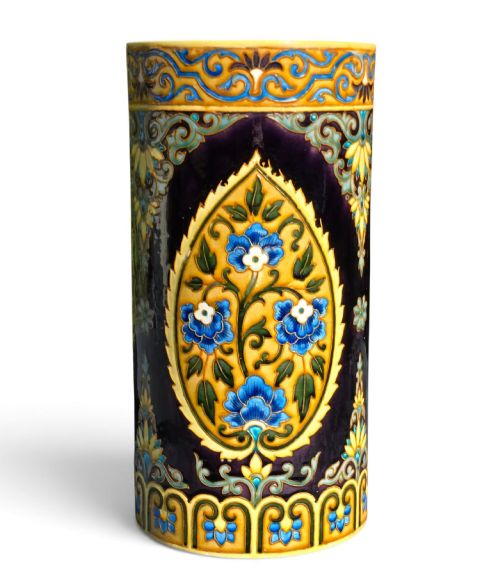
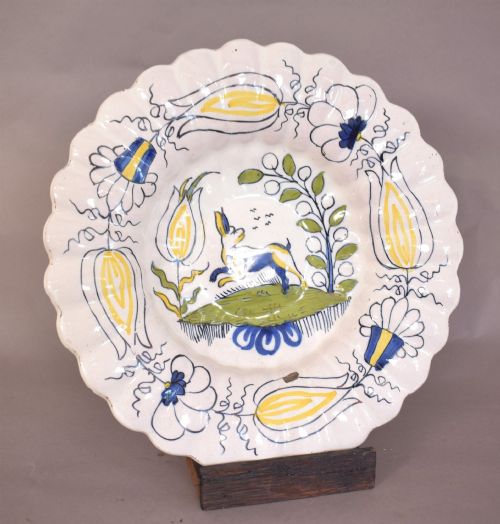
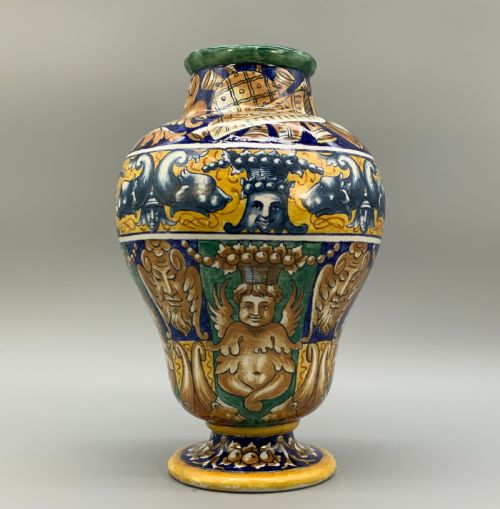
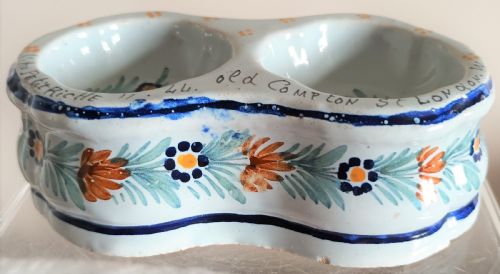
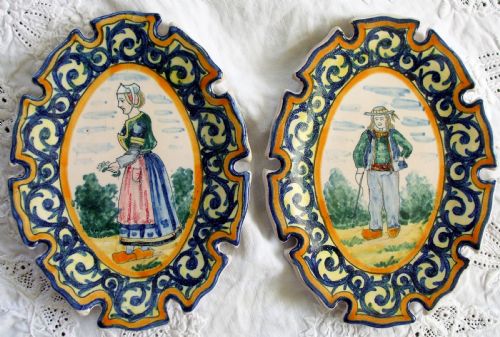
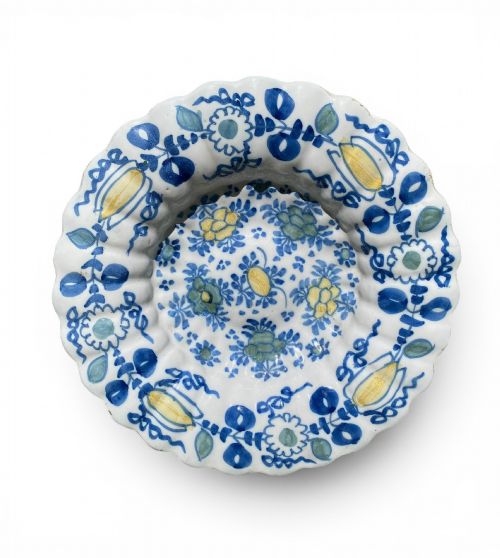
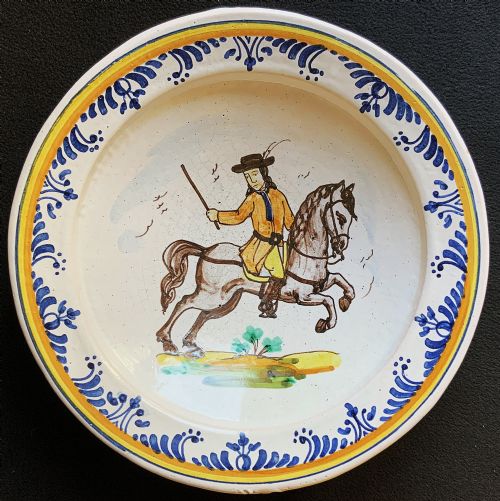
Blue yellow faience ceramic encompasses a diverse range of tin-glazed earthenware objects spanning from the seventeenth century through to the early twentieth century. Buyers seeking this search phrase encounter forms such as chargers, apothecary jars, umbrella stands, vases, and wall plaques.
The regional origins of these items vary widely across European ceramic traditions, including Dutch Delft, French Quimper, Italian Majolica, and Spanish styles. Renaissance Revival and Iznik Revival movements also appear frequently among the listings, alongside practical items like double table salts and inkwells.
How they were made
Maker utilise tin glaze applied over an earthenware body to create a smooth opaque white or off-white surface suitable for painted decoration. Pigments are then brushed directly onto the unfired or raw glaze before the piece undergoes kiln firing.
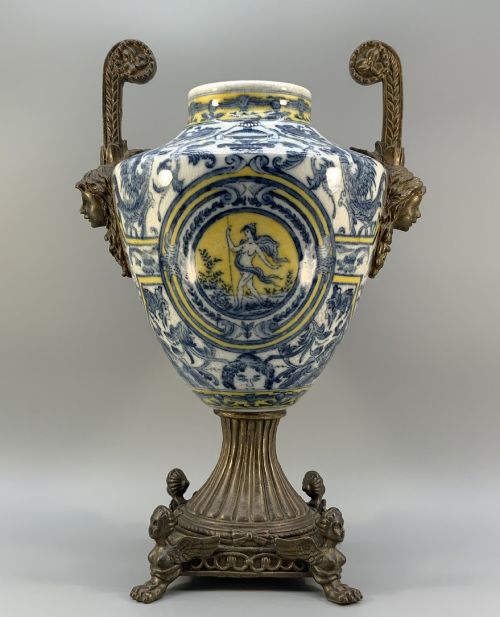
Certain ambitious forms incorporate additional materials, such as bronze mounts fitted to vases and decorative urns. Painted details rely on mineral pigments that tolerate high firing temperatures, yielding the characteristic blue and yellow palette.
Listings feature tin-glazed earthenware spanning from the seventeenth century to the twentieth century, encompassing Dutch, French, Italian, and Spanish traditions.
What varies in quality
The standard of painting determines much of the distinction between ordinary and exceptional examples, particularly in figurative scenes and intricate botanical motifs. Crisp brushwork and well-balanced compositions reflect skilled artistry in the workshop.
Overall preservation of the tin glaze and the stability of the earthenware body influence desirability. Pieces that retain vibrant pigments without excessive glaze flaking represent the higher end of the range.
Théodore Deck·HB Quimper·HR Quimper·C. Ravier
The Blue Yellow Faience Ceramic Glossary
- Faience
- Tin-glazed earthenware produced in Europe, particularly in France and other continental regions. The technique creates a chalky white ground for painted decoration.
- Albarello
- A type of majolica pharmacy jar used for holding dry drugs, ointments, or syrups. These vessels typically feature an hourglass silhouette with an indented waist for easy gripping.
- Charger
- A large decorative plate or dish intended for display on a wall or sideboard rather than for dining use. Many examples showcase elaborate historical or Chinoisserie scenes.
- Istoriato
- A style of pottery decoration featuring narrative scenes from history, mythology, or religion that cover the entire surface of the vessel. The term derives from the Italian word for storied.
Blue Yellow Faience Ceramic: Frequently Asked Questions
How do I clean blue yellow faience ceramic?
Dust these items gently with a dry, soft cloth to prevent accumulation. Avoid immersion in water or chemical cleaning agents, as tin glaze can be porous and sensitive to moisture over time.
Display pieces away from areas of high humidity or direct sunlight to protect the pigments. Careful handling preserves the fragile edges of earthenware bodies.
Can I use apothecary jars for storage?
Historical pharmacy jars served practical functions in medical dispensaries, but antique ceramic pieces are best reserved for display. The interior glaze may have degraded or contain materials unsuitable for modern consumables.
Treat these vessels as decorative objects rather than functional containers. Placing dried botanicals inside is acceptable provided no moisture is introduced.
What is the difference between Delft and majolica?
Delft generally refers to tin-glazed earthenware originating from the Netherlands, famous for its blue and white or polychrome palettes. Majolica describes Italian tin-glazed pottery, though the term also extends to revival styles produced later across Europe.
Both traditions share the fundamental technique of applying pigments over a white tin glaze. Stylistic cues and regional painting conventions help distinguish their origins.
How can I date an antique faience piece?
Examine the characteristics of the earthenware body, the tone of the tin glaze, and the style of painting. Comparing the motifs to documented revival periods or historical manufacturing eras provides a reliable guide.
Signatures or workshop marks found on the base offer further clues to chronology. Not all pieces carry maker marks, requiring stylistic analysis of the form and palette.