


Tin Glazed Faience Plaque
A tin glazed faience plaque brings vibrant colour and painted narrative directly to the wall through centuries of European ceramic tradition.
Tin Glazed Faience Plaque
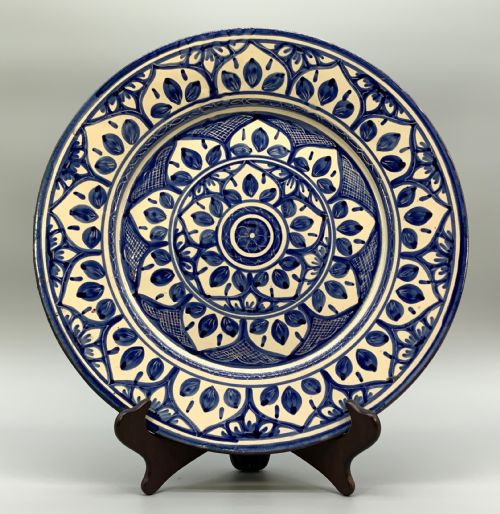
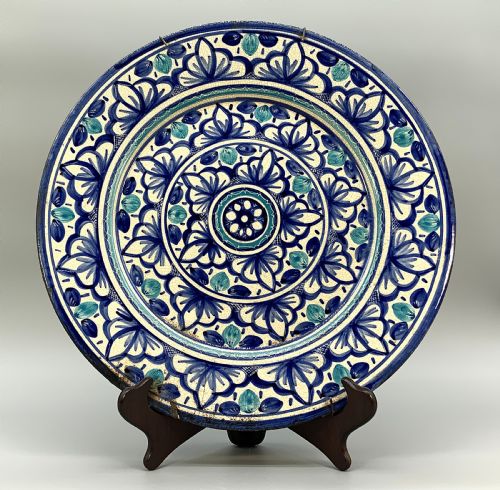
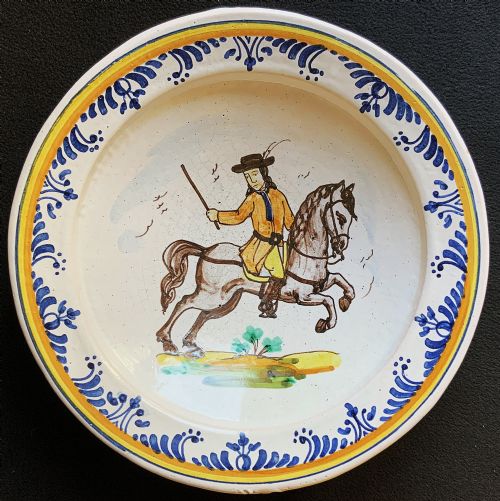
A tin glazed faience plaque serves primarily as wall art, appearing in forms ranging from devotional religious scenes to large decorative charger plates. When searching for a tin glazed faience plaque, buyers encounter varied expressions including Dutch Delft, Spanish Catalana, and Italian maiolica. These pieces span the eighteenth and nineteenth centuries, with occasional examples dated to nineteen-forty, reflecting a long-standing tradition of decorative wall display.
The objects take the shape of wall plaques, decorative platters, and charger plates that showcase complex painted imagery. Continental workshops produced these items in diverse styles such as Moorish Revival, French Rococo, and Dutch Baroque. Buyers most frequently meet large charger plates and rectangular or circular plaques painted in blue and white or rich polychrome palettes.
Materials and Method
Makers formed these pieces using ceramic and earthenware bodies, which provided a stable base for the opaque white glaze. Artisans applied tin glaze containing metallic oxides to create the characteristic smooth, milky surface necessary for fine brushwork. Pigments were then painted directly onto the unfired or raw glaze, absorbing into the surface during the second firing.
Workshops utilised specialised techniques to achieve both blue-and-white designs and multi-coloured polychrome compositions. The integration of ceramic body, tin glaze, and mineral pigments required precise kiln control to fix the narrative scenes, floral motifs, and historical subjects seen across the inventory.
Several plaques depict unruly characters from 'A Rake's Progress', proving ancestors enjoyed cautionary tales as much as modern viewers.
Distinctions in Quality
Quality rests in the precision and ambition of the painted surface, separating standard decorative production from masterwork execution. Fine examples display detailed brushwork in complex historical scenes, devotional iconography, or intricate chinoiserie, whereas lesser pieces rely on stiff or repetitive patterns. The clarity of the tin glaze and the vibrancy of the underlying pigments also determine the visual impact of each piece.
The sophistication of the stylistic revival, whether capturing Renaissance themes or Moorish geometry, dictates the artistic standing of the plaque. Signed works by established makers or distinct schools, such as Pesaro, demonstrate a higher degree of individual artistry compared to anonymous factory output.
C. Ravier
The Tin Glazed Faience Plaque Glossary
- Faience
- Tin-glazed earthenware produced in Europe, particularly in France, Germany, and Spain. The technique involves applying an opaque white tin glaze over a buff or reddish clay body before painting.
- Maiolica
- Italian tin-glazed pottery noted for its bright polychrome palette and narrative painting styles. Artisans often covered the earthenware body in a white tin enamel to receive the detailed pigments.
- Charger
- A large decorative plate intended for display on a wall or sideboard rather than for dining use. These substantial ceramic pieces frequently feature elaborate central scenes and decorative borders.
- Polychrome
- Decoration utilising multiple colours rather than a single hue like blue and white. Painters applied various mineral pigments to the tin glaze to create rich, multi-coloured pictorial surfaces.
- Istoriato
- A style of pottery decoration featuring narrative scenes derived from history, mythology, or religion. Painters covered the entire surface of the ceramic piece with a continuous pictorial composition.
Tin Glazed Faience Plaque: Frequently Asked Questions
How were wall plaques displayed historically?
Owners hung these ceramic pieces on walls or arranged them on sideboards using plate rails. They served as primary visual decorations within domestic interiors.
Larger charger plates and framed plaques functioned much like oil paintings, showcasing the owner's taste and the maker's artistic skill.
What is the difference between faience and delft?
Faience is the broad European term for tin-glazed earthenware, encompassing French, Italian, and Spanish productions. Delft specifically denotes the tin-glazed ceramics originating from the Netherlands.
Both categories utilise an opaque white glaze and painted pigments, but regional workshops developed distinct decorative styles and clay bodies.
How do I care for a ceramic plaque?
Dust the surface gently with a dry, soft cloth to prevent particulate buildup on the tin glaze. Avoid using liquid cleaners or abrasive materials that might harm the historic pigments.
Display the plaque away from direct sunlight and areas subject to sudden temperature fluctuations to protect the ceramic body.
Are these plaques meant for food use?
These pieces function purely as decorative wall art or display items rather than functional tableware. The historic tin glaze and earthenware body are unsuited for modern culinary service.
Examine the reverse of the plaque for suspension holes or mounting rings, which confirm its original purpose as wall decor.
How do I identify the period of a plaque?
Examine the stylistic indicators, such as Renaissance Revival, French Rococo, or Dutch Baroque motifs, which align with specific production eras. The composition of the ceramic body and the characteristics of the tin glaze also offer clues.
Signatures, painted factory marks, or documented regional schools help narrow down the date of creation.