



Antique Ceramic Vegetable Dish
An antique ceramic vegetable dish brings utility and form to the dining table through covered tureens and lidded bowls created across the eighteenth and nineteenth centuries.
Antique Ceramic Vegetable Dish
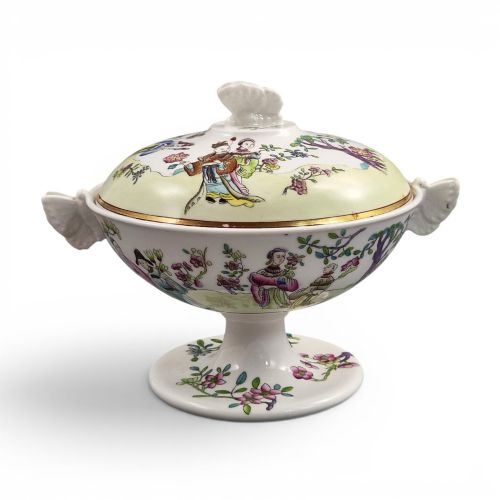
The antique ceramic vegetable dish primarily manifests as covered tureens, sauce tureens, and lidded serving vessels made for the dining table. These pieces span the Georgian, Regency, and Victorian periods, often taking form as deep earthenware, ironstone, or porcelain bowls equipped with matching lids.
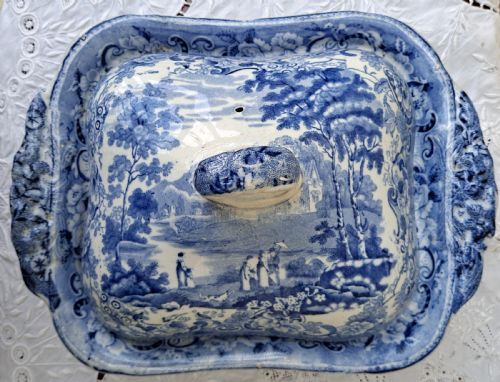
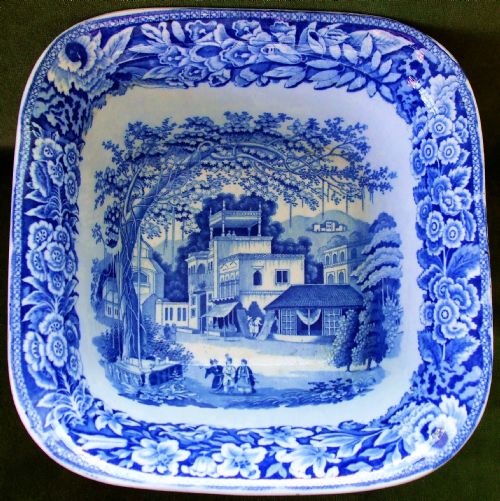
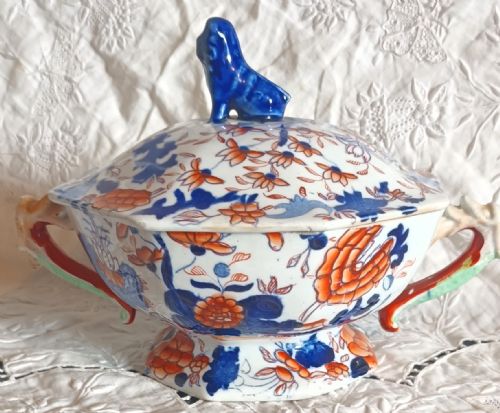
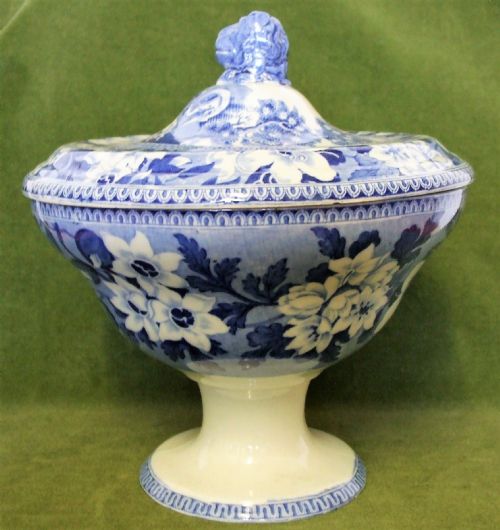
Buyers will most frequently encounter nineteenth-century English transferware tureens alongside robust ironstone examples decorated in traditional European or Chinoiserie patterns. Chinese export porcelain pieces from the eighteenth century also appear among these tableware selections.
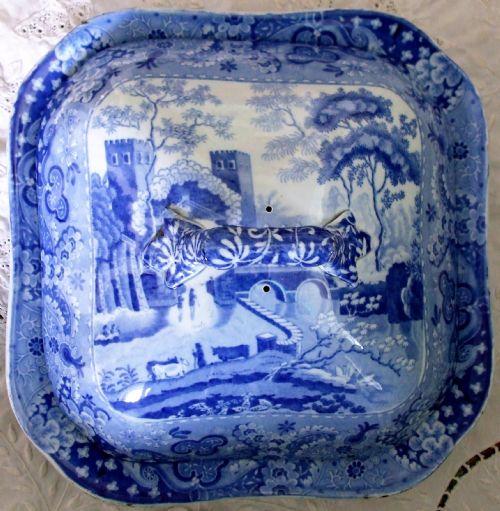
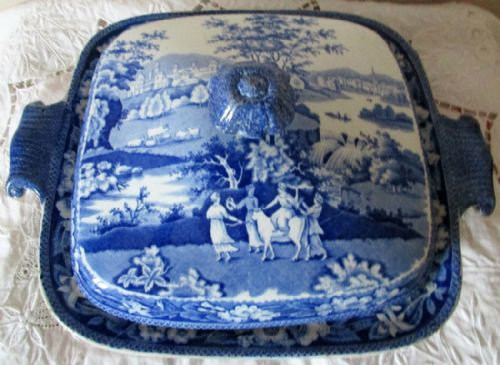
Servingware from this category includes specialised lidded dishes designed for vegetables, sauces, and entrées, frequently accompanied by handles and distinct decorative motifs such as blue and white pastoral scenes.
How they were made
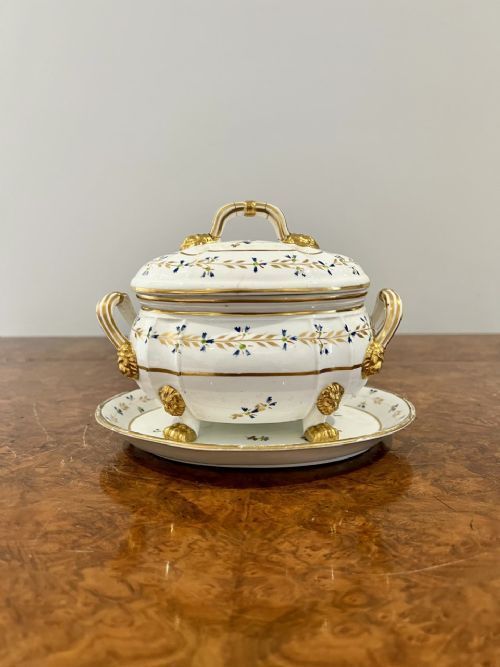
Potters shaped these vessels from earthenware, ironstone, and porcelain, applying detailed blue and white transfer prints, enamel colours, and gold leaf accents. Many works received a clear glaze to seal the ceramic body before undergoing a secondary firing.
Makers utilised specialised moulds to form elaborate handles, pedestals, and covers, particularly evident in ironstone and porcelain pieces produced by prominent factories during the early nineteenth century.
Object forms span multiple historical eras, with pieces attributed to eighteenth-century Chinese export periods as well as nineteenth-century English Regency and Victorian workshops.
What varies in quality
The standard of a tureen rests upon the crispness of its transfer printing, the delicacy of hand-applied enamel work, and the preservation of gilded details on handles and rims. Heavier ironstone bodies differ substantially from translucent porcelain wares in weight and durability.
Design complexity also defines the range, separating standard utilitarian servingware from pieces featuring moulded animal elements, intricate Orientalist patterns, or matching stands and ladles.
James Wallace and Company·J and R Riley·John Rogers and Son·Flight Barr and Barr·Copeland and Garrett
The Antique Ceramic Vegetable Dish Glossary
- Ironstone
- A dense, durable type of earthenware patented in the nineteenth century to rival Chinese porcelain. It provided a sturdy body for heavy kitchen and dining services.
- Transferware
- Pottery decorated by applying a printed design from an engraved copper plate onto tissue paper and then transferring the ink onto the ceramic surface before glazing.
- Tureen
- A deep covered bowl used for serving soups, sauces, or vegetables at the table. These vessels usually include matching lids and occasionally integral stands or ladles.
- Chinoiserie
- A European artistic style reflecting Chinese motifs and decorative techniques. It frequently appeared on eighteenth and nineteenth-century porcelain and ironstone.
- Enamel
- Opaque vitreous material fused to the surface of ceramics for decoration. It added vibrant colour over the glaze during secondary low-temperature firings.
Antique Ceramic Vegetable Dish: Frequently Asked Questions
What is an antique ceramic vegetable dish used for?
These lidded vessels served cooked vegetables, soups, and sauces at formal dining tables during the Georgian and Victorian eras. Their tight-fitting covers kept food warm until service.
Today, collectors utilise them as decorative centerpieces, storage containers, or functional servingware for special meals.
How do I distinguish ironstone from porcelain?
Ironstone is a heavy, opaque, and highly durable earthenware developed to withstand daily dining use without chipping easily. It produces a dull thud when tapped.
Porcelain is lighter, thinner, and often translucent when held up to a bright light, emitting a clear ringing tone upon impact.
What periods do these dishes come from?
The available pieces originate primarily from the eighteenth and nineteenth centuries, spanning the Georgian, Regency, and Victorian eras. Eighteenth-century examples often include Chinese export porcelain.
Nineteenth-century items showcase the rise of English ironstone factories and extensive blue and white transfer printing techniques.
Can I use antique tureens for everyday dining?
Many ironstone and sturdy earthenware tureens remain physically robust enough for careful modern use at the dining table. Hand washing is strongly recommended to protect historic glazes and gilding.
Porcelain and enamel-decorated pieces demand greater caution due to potential thermal shock and the risk of wearing away antique decorations.