


White Floral Ceramic Tureen
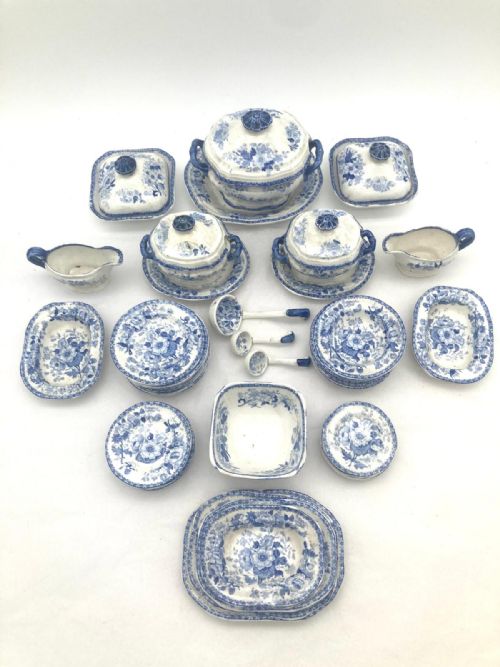
These white floral ceramic tureen examples range from Georgian and Victorian serving pieces to miniature dinnerware.
White Floral Ceramic Tureen
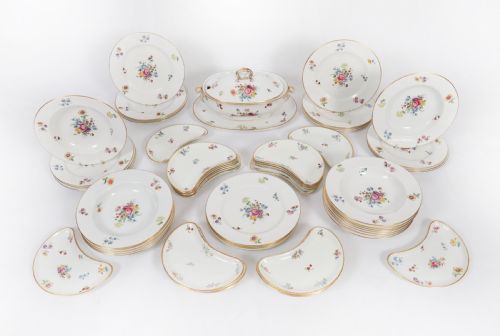
Buyers searching for a white floral ceramic tureen encounter a selection spanning the eighteenth and nineteenth centuries, alongside Edwardian examples. The inventory encompasses individual tureens and vegetable tureens, as well as complete dinner services and miniature dinnerware.
Most pieces originate from English potteries, supplemented by continental European porcelain and Chinese export porcelain from the Qianlong period. Forms range from large lidded vessels for table service down to smaller broth cups and child's service components.
How they were made
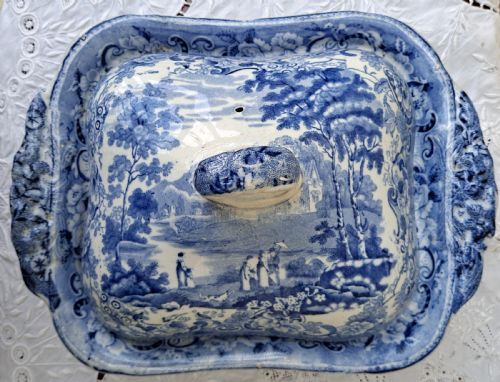
Potters shaped these objects from earthenware, ironstone, and porcelain, applying white glaze as a base for painted or transferred floral decoration. Workshops utilised enamel and blue and white transfer printing to render floral motifs across the surface of the ceramic.
Higher-tier pieces integrate gilt and gold leaf highlights applied over the glaze or enamel, particularly on porcelain services from factories in England and continental Europe.
Listings feature items from the eighteenth, nineteenth, and twentieth centuries, including Regency and Edwardian periods.
What varies in quality
Differentiation in quality rests upon the refinement of the ceramic body and the precision of the floral decoration, whether hand-painted or applied via transfer printing. Ironstone and porcelain examples offer greater durability and finer detail than standard earthenware.
The presence of supplementary gilding, such as gold leaf accents, and the completeness of matching covers or associated dinner service components elevate the standing of an individual tureen.
James Wallace Co·Müller Volkstedt MV Co·Doulton Burslem·Flight Barr and Barr Worcester·Richard Ginori
The White Floral Ceramic Tureen Glossary
- Ironstone
- A dense, durable type of earthenware patented in the nineteenth century. It provided a robust alternative to porcelain for heavy-use dining items.
- Transfer printing
- A method of decorating ceramics by transferring an inked design from a copper plate onto tissue paper and then onto the clay body. This technique allowed intricate floral patterns to be replicated consistently.
- Porcelain
- A vitrified ceramic material made from china clay, fired at high temperatures to achieve a white, non-porous body. It forms the basis of many fine dining services.
- Enamel
- Opaque vitreous composition fused to the ceramic surface through firing. It provides vibrant colour decoration over the underlying glaze.
- Glaze
- A glassy coating fused to the ceramic body by heat. It seals the porous clay and provides a smooth, washable finish.
White Floral Ceramic Tureen: Frequently Asked Questions
What is a ceramic tureen used for?
A tureen functions as a large, deep serving bowl equipped with a lid, designed for presenting soups, stews, or vegetables at the dining table.
In period settings, these pieces formed the centrepiece of formal dinner services, often accompanied by matching platters and smaller vegetable dishes.
How do I identify a nineteenth-century piece?
Nineteenth-century pieces frequently display transfer-printed floral patterns in blue and white, or employ dense ironstone bodies typical of Victorian manufacture.
Examination of the glaze, potting weight, and any maker marks or registry numbers on the base helps narrow down the production period.
Are these tureens safe for everyday use?
While historic ceramics remain structurally stable, the presence of older glazes, hand-painted enamels, and delicate gilt edges requires careful handling.
Most collectors prefer to use these items for display or gentle table service rather than putting them through modern dishwashers.
What is the difference between earthenware and porcelain?
Earthenware is a porous, opaque ceramic fired at lower temperatures, whereas porcelain is a vitrified, non-porous material fired until translucent.
Porcelain items generally exhibit a finer, more resonant body and are associated with higher-tier dinner services from the period.