


Antique Ceramic Tea Set
An antique ceramic tea set brings the refined rituals of past centuries directly to the modern table.
Antique Ceramic Tea Set
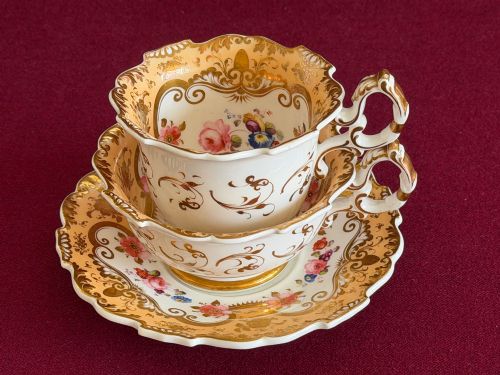
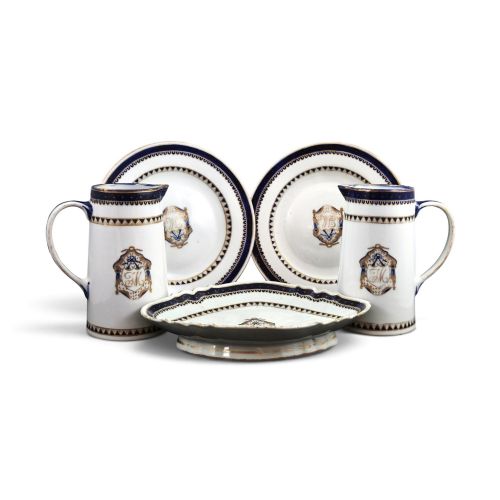
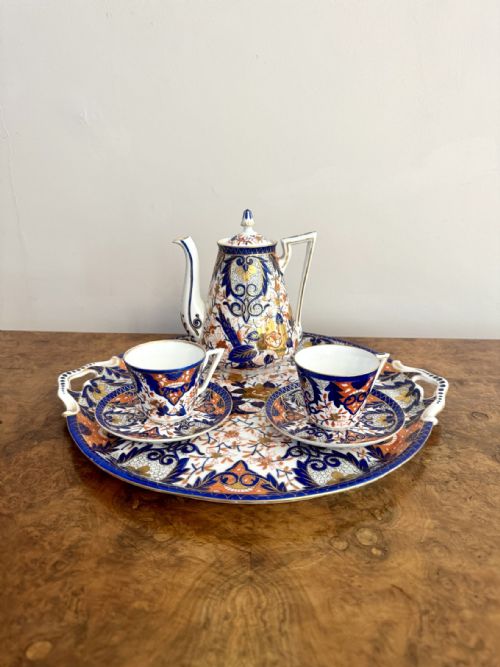
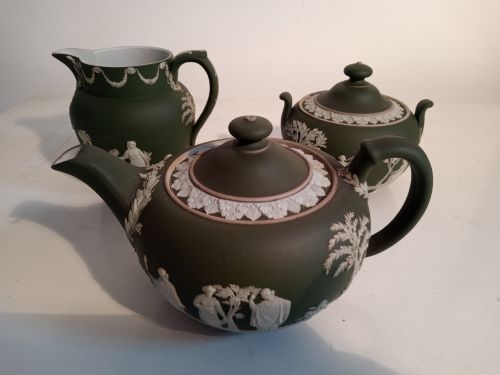
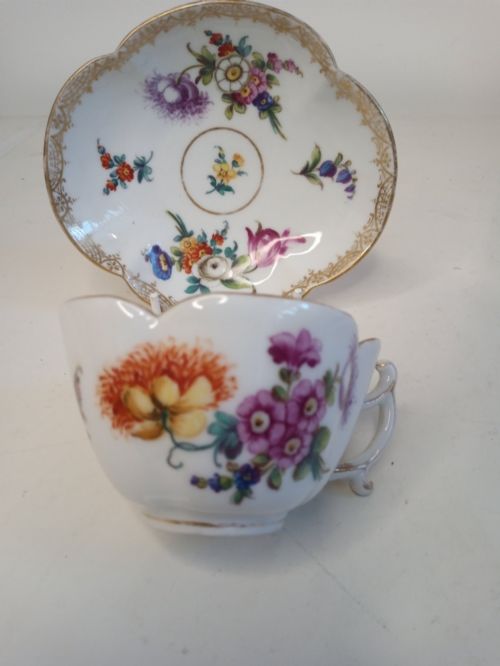
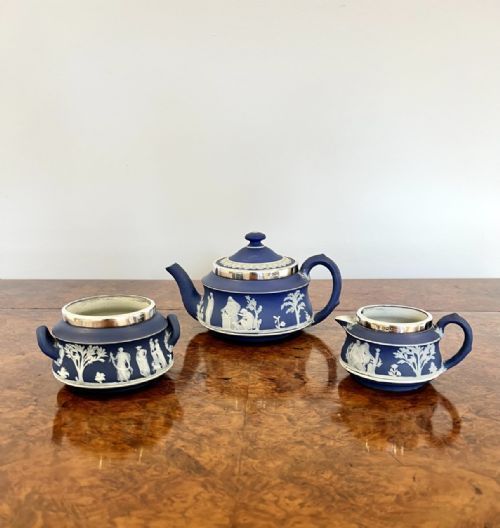
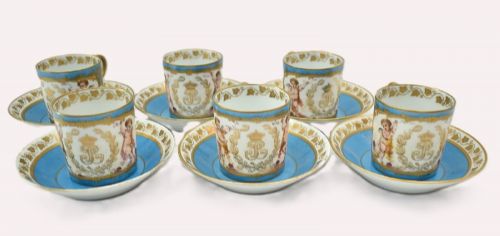
An antique ceramic tea set encompasses everything from full afternoon services and breakfast sets to cabinet trios, teacups, saucers, and specialised pots. Collectors searching for an antique ceramic tea set encounter varied forms spanning the eighteenth, nineteenth, and early twentieth centuries, including Chinese export pieces, Georgian porcelain, and Victorian bone china.
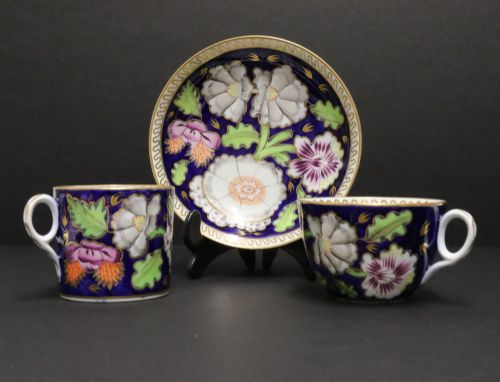
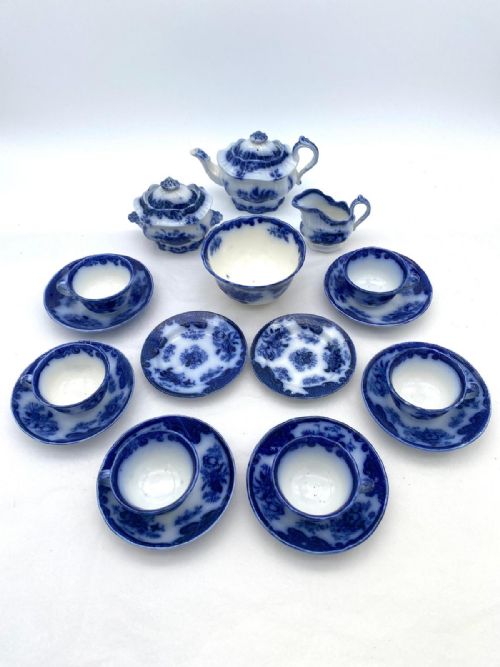
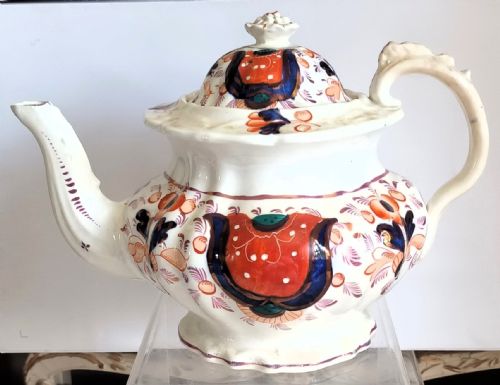
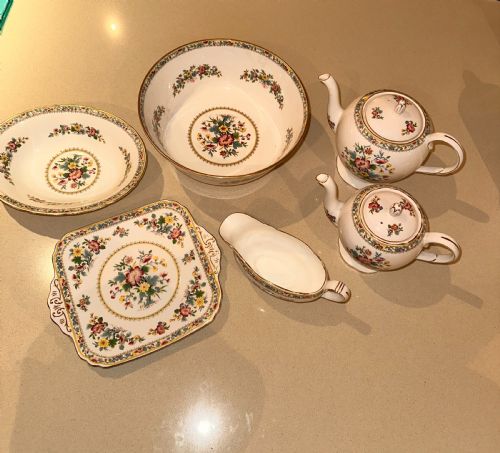
The pieces on this page range from grand multi-person services to smaller child's services and bachelor sets. Styles extend from Regency and Victorian Imari to Art Deco patterns by makers such as Shelley and Clarice Cliff, reflecting shifting domestic habits across generations.
Varying from everyday domestic china to elaborate cabinet specimens, these sets demonstrate the changing functional demands of tea and coffee drinking. Domestic pieces survive alongside decorative cabinet trios, preserving the material culture of historical dining rooms.
Materials and production methods
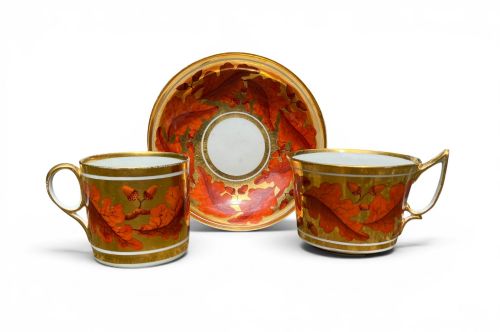
Potters shaped these vessels using porcelain, bone china, creamware, earthenware, and prattware, applying lead or tin glazes to seal the porous bodies. Many pieces utilise hand-painted decoration, transfer printing in flow blue, and delicate gold leaf or gilding to accentuate handles and rims.
Workshops employed specialised techniques such as bat printing, polychrome enamelling, and applied figures to achieve intricate surface details. Biscuit fired bodies received secondary firings after glaze and enamel application, fusing mineral pigments permanently to the ceramic surface.
Antique Ceramic Tea Set Retail Price Guide 2026
Typical asking prices for ceramic tea set among the pieces listed under this phrase on Sellingantiques today, from the lower quarter to the upper quarter. They describe what is for sale here now, not the wider market.
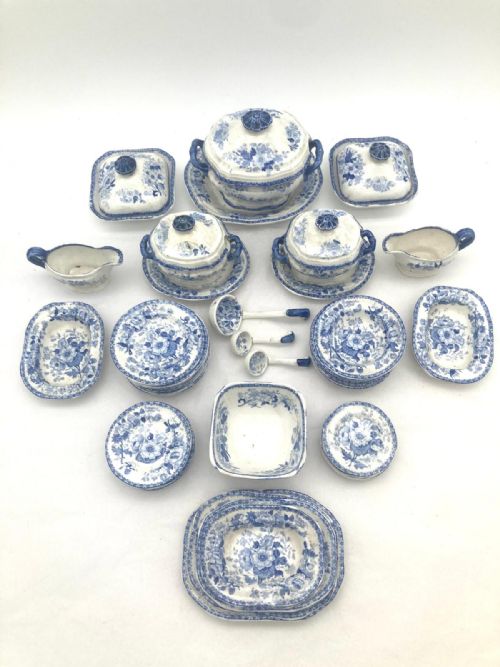
Prattware child's sets from the mid-nineteenth century immortalised Queen Victoria in miniature blue and white ceramic form.
Differentiating quality across the range
Quality rests upon the crispness of the moulding, the precision of the hand-painted or transfer-printed motifs, and the delicacy of the ceramic body. Finer porcelain tea sets exhibit translucency under light, whereas earthenware and creamware rely on the smoothness of the glaze and the harmony of the palette.
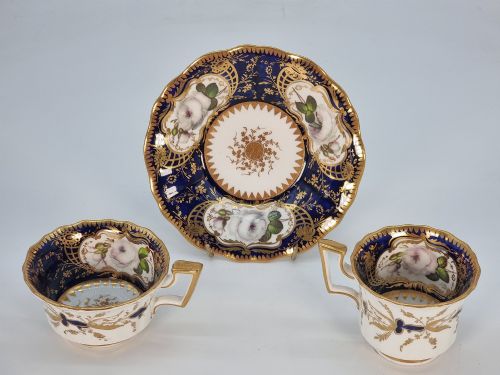
The execution of gilding and the complexity of patterns, such as detailed botanical subjects or intricate Japanese-inspired motifs, separate standard production wares from high-status cabinet pieces. Surviving sets retaining their original matching components demonstrate superior preservation compared to assembled groups.
A H & R Daniel·Newhall·Coalport John Rose·Wedgwood·Copeland·Minton·Derby·Sevres·Royal Worcester·Royal Davenport·Clarice Cliff·Shelley·Flight Barr & Barr·Old Paris·Royal Albert Crown China·Doric China Longton Stafford·Ridgway·William Moorcroft·Macintyre·Sutherland Ware
The Antique Ceramic Tea Set Glossary
- Bone china
- A type of soft-paste porcelain containing bone ash, known for its high strength, opacity, and milky white appearance. It became a staple of English ceramic production during the nineteenth century.
- Creamware
- A refined earthenware developed in Yorkshire with a warm, pale yellow or cream-coloured lead glaze. It gained widespread popularity in the late eighteenth century for domestic tableware.
- Flow blue
- A cobalt blue transfer-printing style originating in Staffordshire where the colour intentionally blurred into the surrounding white glaze during firing. This technique created a soft, atmospheric effect on plates, cups, and services.
- Trio
- A matched set comprising a teacup, a coffee cup or saucer, and a tea plate. These groupings were common in nineteenth-century cabinet and breakfast collections.
- Transfer printing
- A mechanical method of applying complex decorative patterns to ceramic ware by pressing a paper sheet printed from an engraved copper plate onto the biscuit or glazed surface. It allowed for intricate, repeatable designs across large services.
Antique Ceramic Tea Set: Frequently Asked Questions
How do I care for antique tea sets?
Wash delicate porcelain and bone china by hand in warm water using mild soap, avoiding abrasive sponges or modern dishwashers. Store pieces with adequate padding between cups and saucers to prevent rim chipping.
Sudden temperature changes can crack old glazes, so warm water should be introduced gradually. Displaying sets out of direct sunlight preserves the vibrancy of hand-painted enamels and gold leaf.
Were these sets used daily or displayed?
Many sets served active roles in Georgian and Victorian households for formal afternoon tea, breakfast, or hosting guests. Finer cabinet trios and decorative services were often kept in glazed cupboards as status symbols.
Wear patterns on saucers and tea bowls frequently reveal evidence of regular domestic employment. Surviving pieces span both utilitarian kitchenware and drawing-room display items.
How do I distinguish Regency from Victorian tea sets?
Regency sets typically feature neoclassical shapes, such as boat-shaped teapots and handleless coffee cups, often reflecting Chinese export influence. Decoration relies on hand-painted botanical motifs, simple enamel lines, and delicate gilding.
Victorian sets tend toward more robust forms, scalloped edges, and transfer-printed patterns in deep cobalt or polychrome colours. Heavier handle designs and embossed ceramic bodies became standard as industrial production methods advanced.
What is a bachelor tea set?
A bachelor tea set is a compact, matched grouping designed for a single person, usually comprising a teapot, sugar bowl, milk jug, and one or two cups with saucers. These smaller services were popular in late nineteenth-century bedrooms and private studies.
They offer a complete tea service on a reduced scale without requiring the large trays and multiple cups of a full dining room service.