


Antique Ceramic Spill Holder
These antique ceramic spill holders are functional vessels designed to hold wooden matches for lighting fires and candles, combining practical utility with decorative charm.
Antique Ceramic Spill Holder
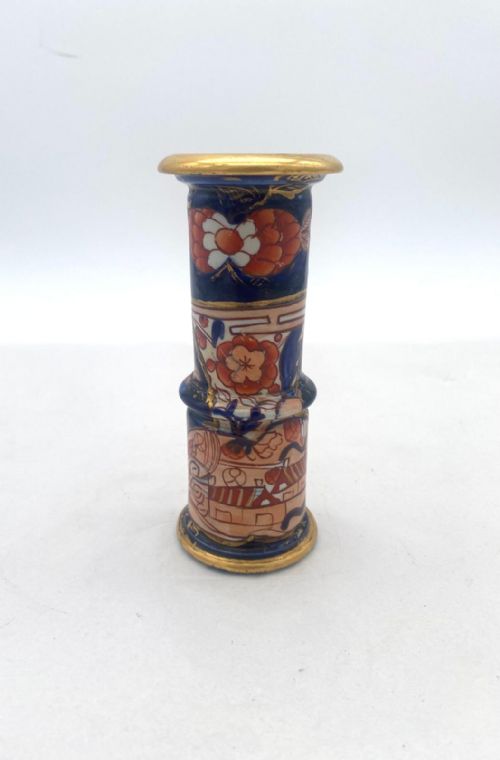
An antique ceramic spill holder serves as a small receptacle designed to hold thin wooden spills used for transferring flames from a hearth fire to candles and lamps. The forms span multiple decades, drawing on periods from the Georgian and Regency eras through the Victorian age and into early twentieth-century designs.
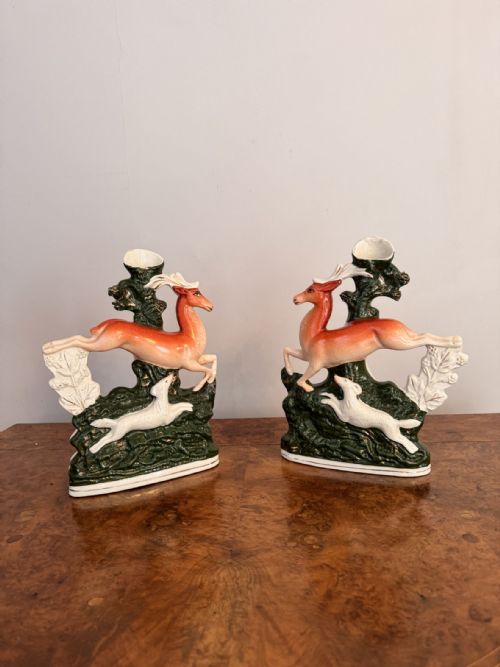
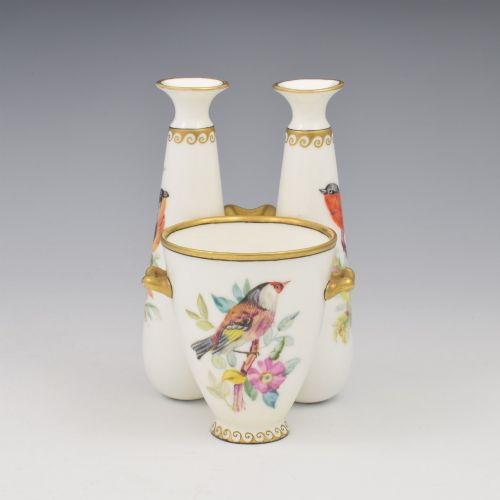
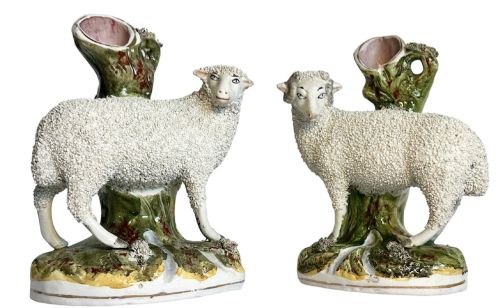
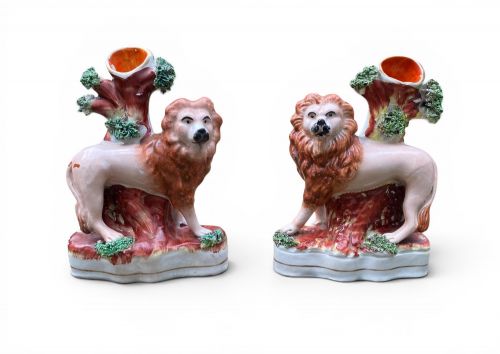
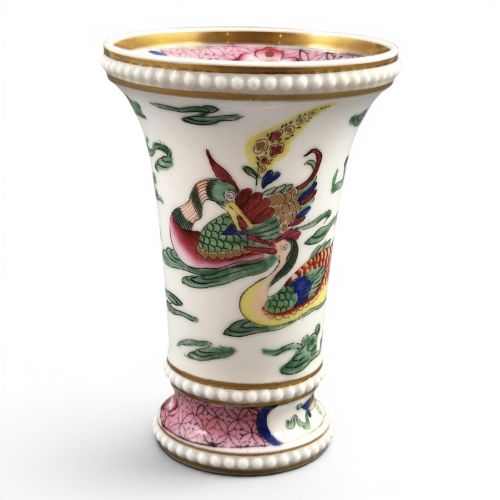
The pieces appearing most frequently take the form of Staffordshire pottery figures, animals, and architectural subjects alongside porcelain productions. Collectors encounter earthenware figures of animals such as deer, sheep, lions, and swans, as well as elaborate porcelain vases decorated with birds and cattle.
Originating largely from English potteries, these vessels reflect changing domestic habits across the nineteenth and early twentieth centuries. They function as both mantle ornaments and practical table accessories, retaining the hollow cylindrical column intended for the tapers alongside the main figural or decorative body.
How they were made
Potters utilised materials such as earthenware, porcelain, and pearlware, shaping them through moulding and hand-modelling techniques. Lead glaze and standard glaze applications seal the ceramic body before surface decoration is applied.
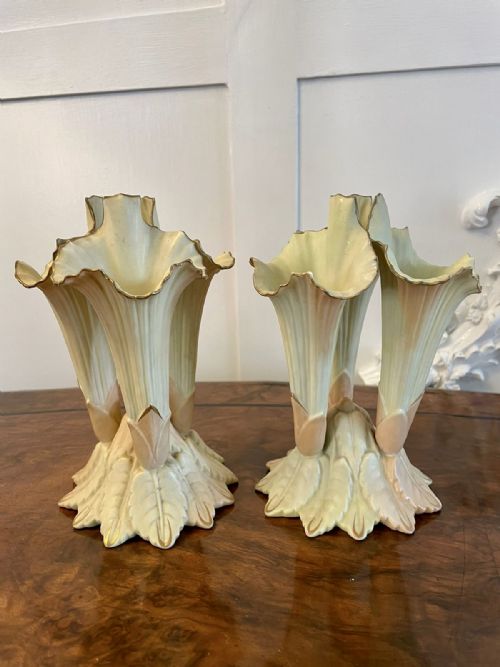
Enamel painting and gilding provide the colour and detail across both earthenware Staffordshire figures and fine porcelain pieces. Surface treatments range from blush ivory finishes to painted naturalistic scenes featuring birds, cattle, and botanical motifs.
Babes in the wood find themselves immortalised in glazed clay to hold your lighting tapers.
What varies in quality
The refinement of the modelling and the precision of the hand-painted enamel decoration dictate the standing of individual pieces. Sculptural clarity in animal and human figures separates standard production wares from more expressive or finely executed examples.
The preservation of original gilding and the crispness of the moulded details remain key factors in assessing the finish. Finer porcelain works display detailed ornithological or pastoral scenes by named artists, whereas earthenware pieces rely on the boldness of their glaze and form.
Royal Worcester·Locke & Co.·Walton·Ernst Wahliss
The Antique Ceramic Spill Holder Glossary
- Spill vase
- A hollow cylindrical container designed to hold wooden matches or tapers for lighting fires.
- Pearlware
- A refined earthenware developed in the late eighteenth century featuring a subtle bluish glaze.
- Bisque
- Unglazed fired porcelain or ceramic that yields a matte, white, stone-like surface texture.
- Flatback
- A type of Staffordshire figure modelled with a finished front and a flat, unpainted reverse intended to stand against a wall.
- Blush ivory
- A porcelain finish characterised by a soft, cream-coloured ground often decorated with floral motifs.
Antique Ceramic Spill Holder: Frequently Asked Questions
What is an antique ceramic spill holder?
These items are small hollow vessels created to hold wooden spills or matches used in homes before safety matches became common.
Potters shaped them into figures, animals, and architectural models to decorate mantelpieces while serving a daily purpose.
How were spill holders used?
Users placed thin wooden tapers inside the cylindrical holder so they stayed dry and ready near the hearth.
When a candle or fire needed lighting, a spill was drawn out, touched to the flames, and carried across the room.
How do I date a Staffordshire spill vase?
Dating relies on stylistic clues, glaze types, and the method of manufacture seen in the clay body and colours.
Victorian pieces often feature flat backs and bright enamel painting, while earlier Georgian and Regency examples show different pearlware bodies.
Are these pieces made of porcelain or earthenware?
The listings include both earthenware and porcelain items depending on the maker and period of origin.
Staffordshire pieces typically use pottery and pearlware, whereas makers like Royal Worcester utilise fine porcelain.