


Antique Ceramic Server
An antique ceramic server brings table service from earlier centuries into modern dining, offering substantial presence in earthenware, porcelain and ironstone.
Antique Ceramic Server
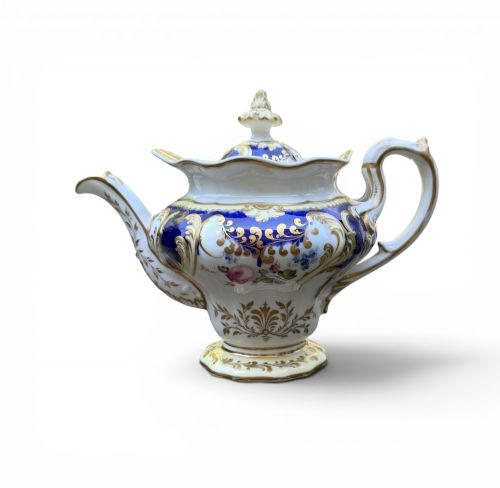
When searching for an antique ceramic server, collectors encounter functional vessels designed for presenting food at the dining table, including tureens, salad bowls, vegetable dishes, sauceboats and platters. These forms span domestic earthenware, refined porcelain and robust ironstone, originating from English, continental European and Asian potteries during the eighteenth, nineteenth and early twentieth centuries.
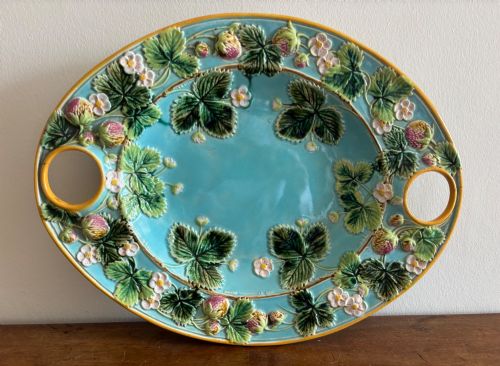
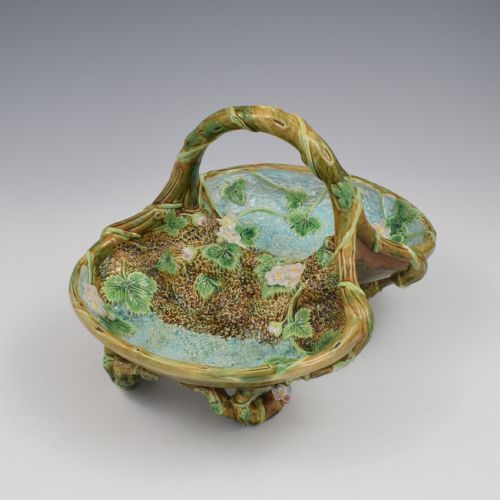
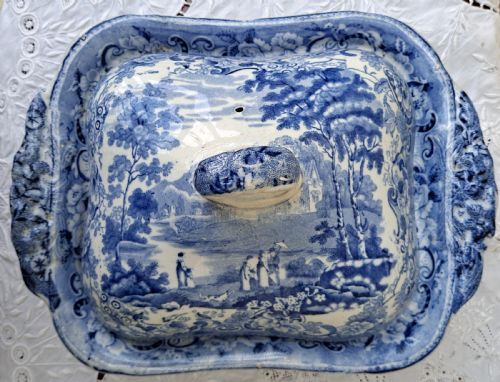
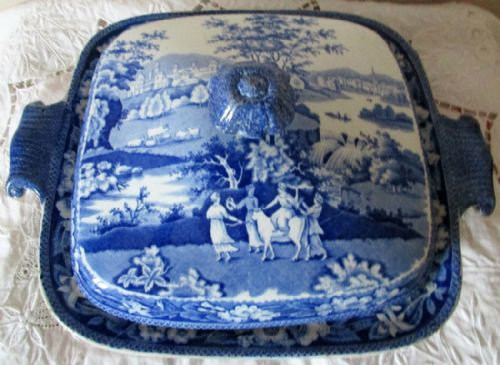
The pieces on this page appear most frequently in Victorian and Georgian incarnations, utilising blue and white transfer printing, polychrome enamels, majolica glazes and white porcelain bodies. Makers adapted these vessels for specific culinary tasks, ranging from covered vegetable containers to tiered dessert stands and specialised fruit baskets.
Domestic service vessels from these periods reflect the changing dining habits of past households, moving from large communal platters towards specialised serving pieces like sardine boxes, cheese dishes and food warmers. Buyers encounter objects that combine utilitarian function with decorative ambition, demonstrating the technical skill of historical potteries.
Materials and Construction
Potters constructed these servers using earthenware, porcelain, tin glaze and ironstone bodies, often incorporating applied moulded relief and hand-painted or transfer-printed decoration. Cobalt blue transfer printing dominated many nineteenth-century factories, while majolica pieces relied on coloured lead glazes over moulded earthenware to create naturalistic fruit, leaf and animal forms.
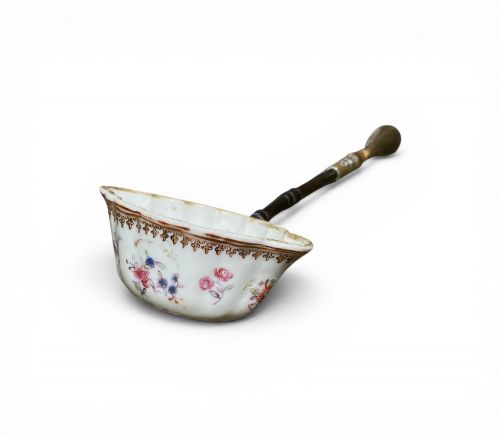
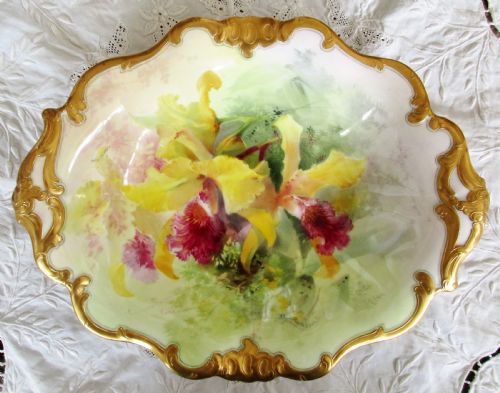
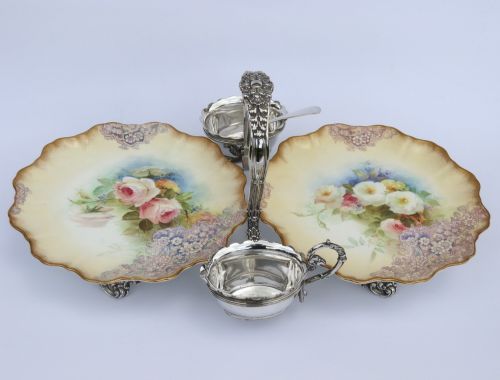
Many ceramic servers incorporate secondary materials such as silver plate, gilt and gold leaf for mounts, handles, rims and accompanying servers. Workshops combined ceramic bowls with metal stands, chafing frames or fitted wooden bases, creating composite objects designed for table use.
Listings feature serving pieces spanning the eighteenth, nineteenth and early twentieth centuries, executed in earthenware, porcelain, ironstone and tin glaze.
Evaluating Quality
Quality in these servers rests upon the crispness of the moulding, the clarity of the transfer print or enamel painting, and the preservation of the glaze. Finer pieces display sharply defined relief decoration, precise brushwork and balanced potting without warping from the kiln.
The integration of metal mounts and the retention of original matching covers, stands or servers elevate a piece. Master potteries achieved superior results through refined clay bodies, even glaze application and careful control during high-temperature firing.
George Jones·James Wallace and Co·David Dewsberry·John and Richard Riley·Walker and Hall·Doulton Burslem·Doulton Lambeth·Kuznetsov·Mason Ironstone·Thomas Forester and Sons·Copeland and Garrett·Coalport·Meissen·Sevres
The Antique Ceramic Server Glossary
- Majolica
- A type of earthenware decorated with brightly coloured lead glazes over an opaque white tin glaze, frequently moulded into naturalistic botanical or animal shapes. This technique produced robust, highly decorative serving pieces popular during the Victorian period.
- Ironstone
- A heavy, durable type of feldspathic earthenware patented in the early nineteenth century to imitate Chinese porcelain. It provided a strong body suitable for large serving dishes and heavy-use tableware.
- Transfer printing
- A method of decorating ceramics by engraving a design on a copper plate, pulling it on tissue paper, and transferring the ink onto the biscuit or glazed ceramic body before firing. It allowed factories to produce intricate blue and white patterns consistently.
- Tureen
- A deep covered bowl used for serving soups, sauces or vegetables at the table. These vessels often include matching stands and decorative handles.
- Sweetmeat presentier
- A specialised multi-compartment or elevated dish designed for serving sweet confections, nuts or dried fruits during formal dining courses. Examples appear in eighteenth-century tin-glazed earthenware.
Antique Ceramic Server: Frequently Asked Questions
What is an antique ceramic server used for?
These vessels served historical dining functions by holding and presenting food items like vegetables, soups, sauces, cheese, fruit and fish at the table. They allowed households to serve meals from decorative containers that matched formal dining room aesthetics.
Today, buyers use these pieces for modern entertaining, table display or storage, utilising deep tureens and platters for actual serving or decorative placement in dining spaces.
How do I date an antique ceramic server?
Dating relies on maker marks, pottery stamps, pattern names, stylistic indicators and the specific ceramic body type, such as ironstone or soft-paste porcelain. Factory marks often change across decades, helping pinpoint the production era.
Stylistic cues like rococo revival moulding, aesthetic movement motifs or eighteenth-century chinoiserie patterns also provide a chronological anchor alongside registration marks stamped into the ceramic.
Are majolica servers safe to use?
Majolica pieces from the nineteenth century contain lead-based glazes that can leach when exposed to acidic foods or prolonged moisture. Most collectors treat antique majolica as decorative art rather than functional tableware.
Displaying these brightly glazed vessels on sideboards or using them for dry presentation avoids potential chemical interaction while preserving the fragile lead glaze surface.
What is the difference between porcelain and ironstone?
Porcelain is a vitrified, translucent ceramic fired at high temperatures using kaolin and petuntse, yielding a delicate and ringing body. Ironstone is a dense, opaque earthenware developed to resist chipping and cracking during heavy daily use.
While porcelain feels lighter and allows light to pass through its thin walls, ironstone provides a heavier, highly durable alternative favoured for large family serving dishes and robust tureens.
How should I clean an antique ceramic server?
Cleaning requires gentle hand washing with warm water and mild soap, avoiding harsh scrubbing brushes, abrasive powders or modern dishwashers. Sudden temperature changes should be avoided to prevent crazing in the glaze.
Pieces with silver plate mounts, gilt highlights or delicate enamel work demand extra care, drying thoroughly with a soft cloth to protect metal components and old ceramic bodies.