



Antique Ceramic Lidded Dish
An antique ceramic lidded dish brings practical utility and decorative presence to a tabletop through centuries of refined ceramic tradition.
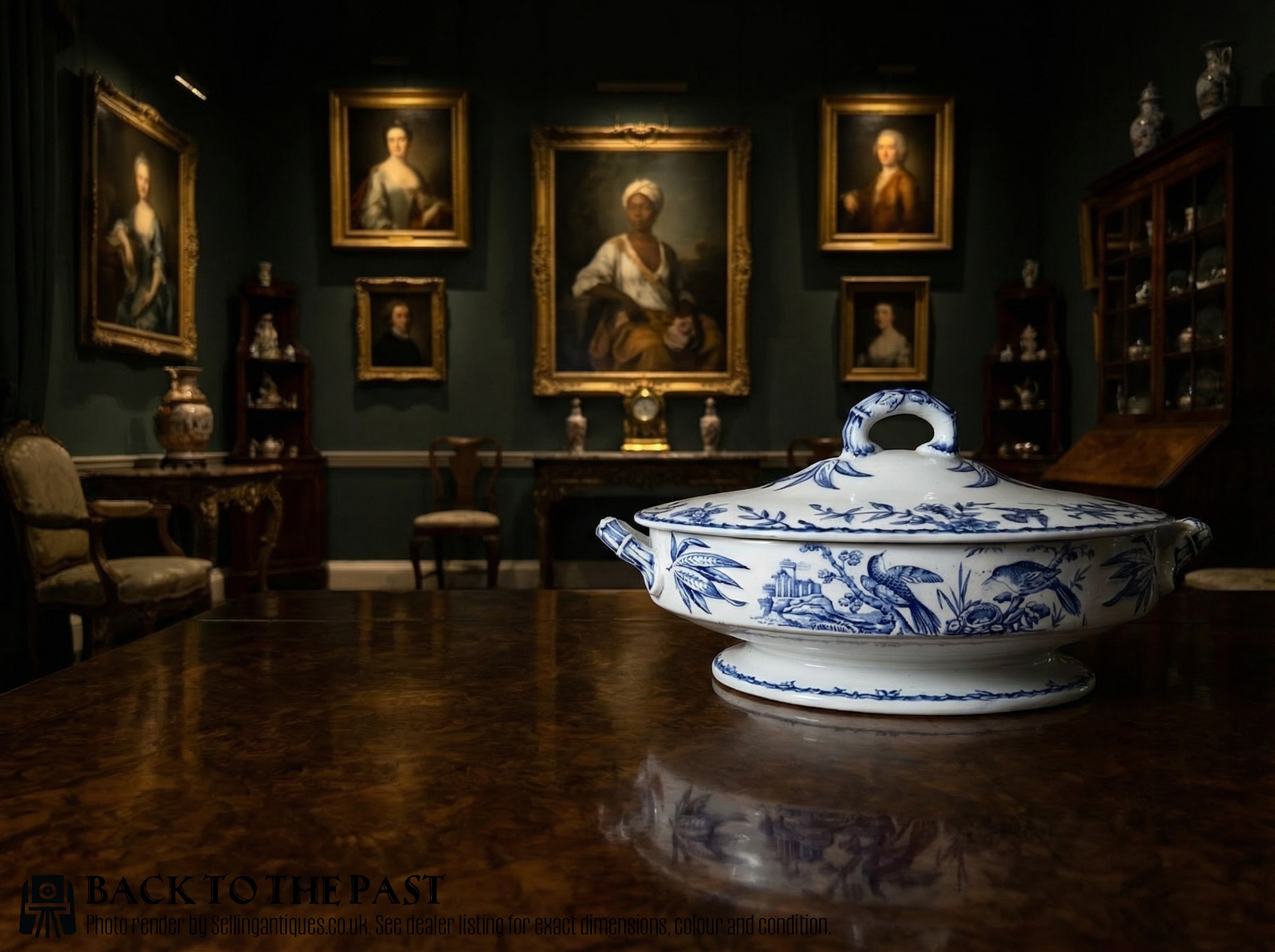
Antique Ceramic Lidded Dish
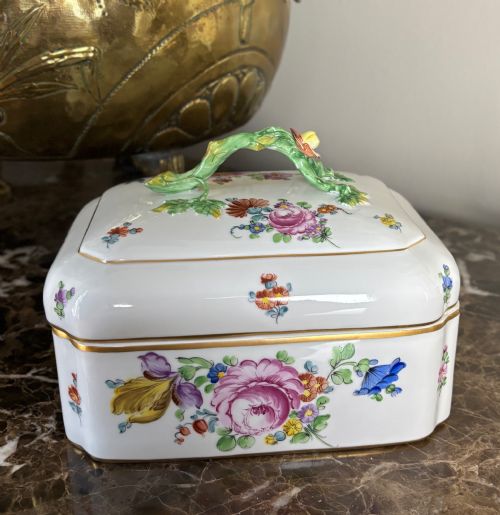
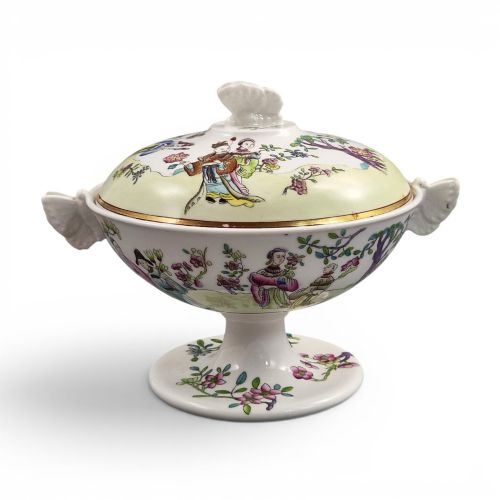
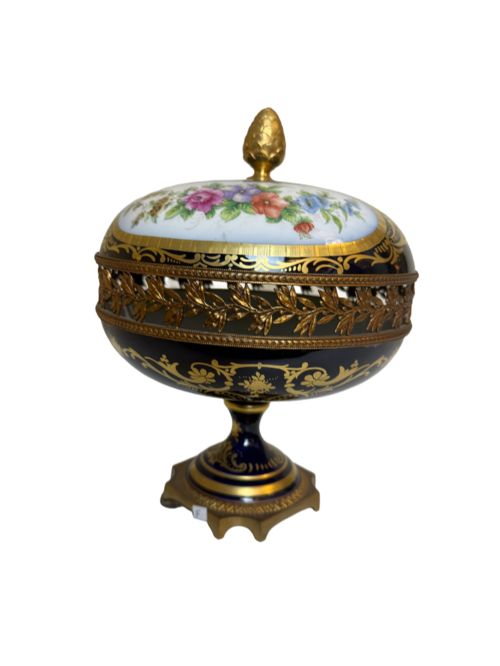
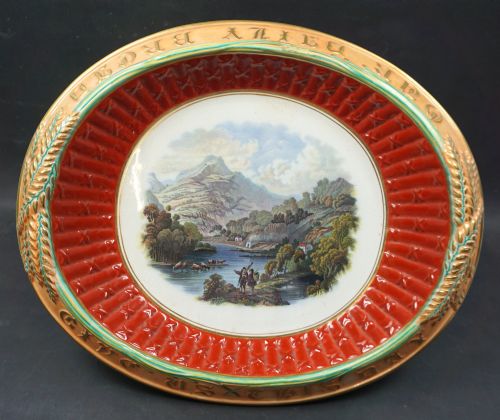
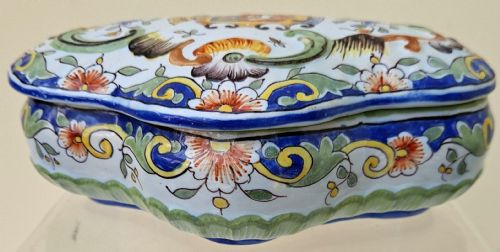
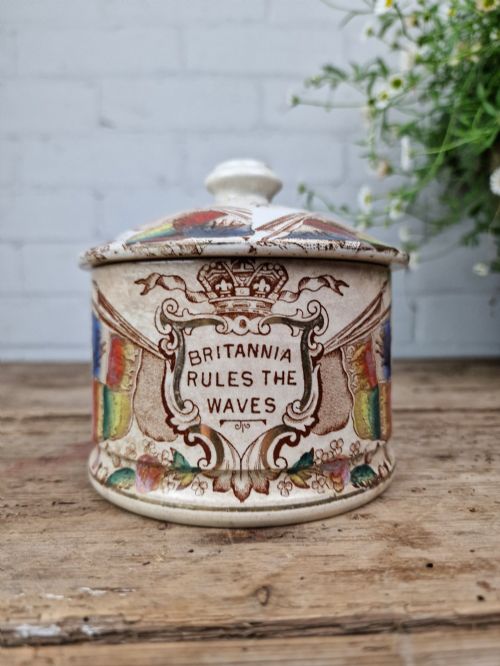
An antique ceramic lidded dish encompasses a wide variety of covered vessels designed for serving, storing, or display, ranging from large vegetable tureens to small trinket boxes and powder bowls. These objects bridge the gap between functional tableware and cabinet ceramics.
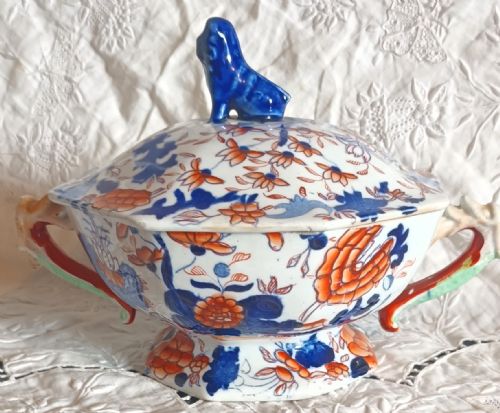
The pieces available span multiple periods, with strong representation from the Georgian era, the nineteenth century, and the early twentieth century. English ironstone tureens, French faience boxes, and porcelain pots from factories such as Dresden and Meissen form the core of what is found.
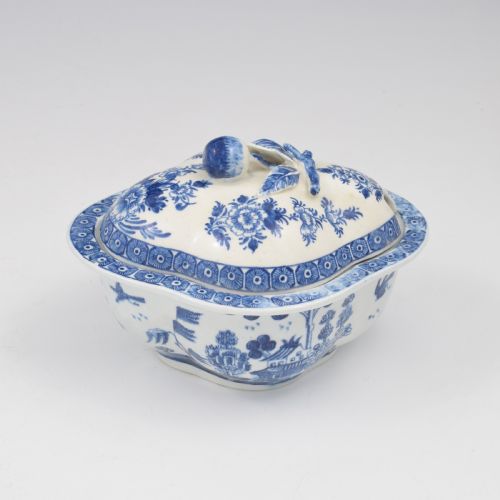
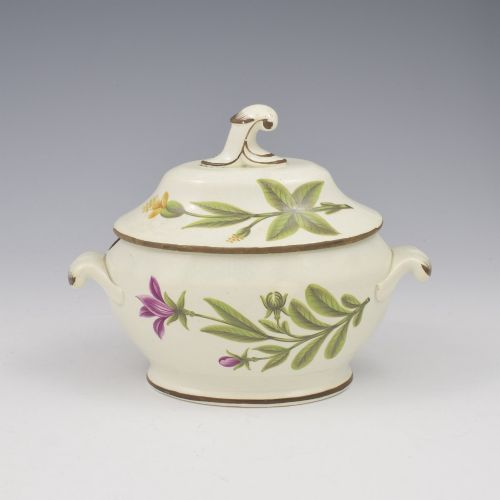
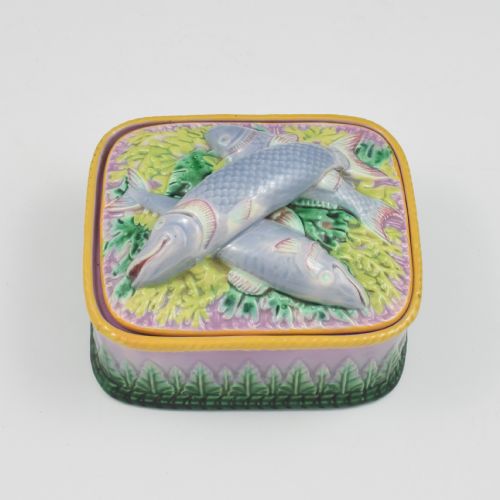
Forms vary according to their original purpose, including sauce tureens with ladles, sardine boxes, game pie dishes, and potpourri bowls. Each serves as a testament to historical dining and domestic habits.
Materials and methods of construction
Potters utilised durable ironstone, refined porcelain, earthenware, and tin-glazed faience to form the bodies of these vessels. Ironstone provided strength for heavy-use vegetable and sauce tureens, whilst porcelain allowed for delicate wall thickness in decorative boxes and entrée dishes.
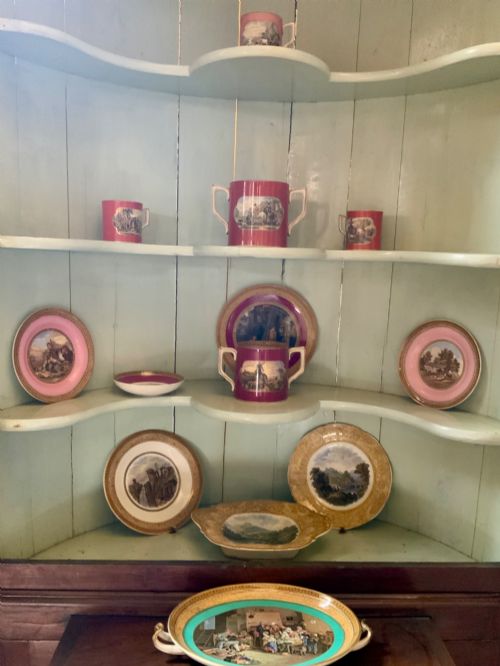
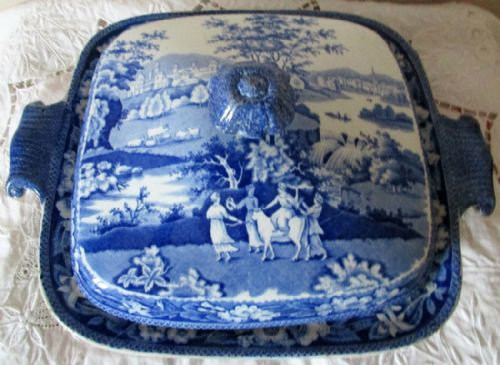
Decoration relied heavily on underglaze blue and white transfer printing, hand-painted polychrome enamel motifs, and applied gilt detailing or gold leaf. Moulding techniques created complex shapes such as boat-shaped dishes, butterfly handles, and Rococo revival scrolls.
Object forms range from large vegetable tureens and sauce boats with ladles to small powder boxes and sardine dishes.
Assessing quality in covered ceramics
Quality rests upon the crispness of the moulding and the precision of the transfer print or hand-painted brushwork. Finer pieces display smooth glaze consistency without pitting, alongside well-fitting lids that maintain the intended silhouette of the vessel.
The reputation of the maker, whether a notable Staffordshire ironstone factory or a continental porcelain manufactory, dictates the sophistication of the design. Superior examples balance sculptural ambition with balanced proportions and well-preserved surface gilding.
Dresden·Staffordshire Prattware·Derby Porcelain·Swansea·Spode·Limoges·George Jones·Desvres·Rouen·Mason's Ironstone·John and Richard Riley·Royal Crown Derby·Toshozan·Meissen·Flight Barr and Barr·Thomas Forester and Sons·Ridgways·Davenport·Wedgwood
The Antique Ceramic Lidded Dish Glossary
- Ironstone
- A dense, durable type of earthenware patented in the nineteenth century to rival true porcelain. It withstands heavy daily use while taking transfer-printed patterns cleanly.
- Tureen
- A deep covered bowl designed for serving soups, sauces, or vegetables at the table. They frequently include matching stands and ladles.
- Transfer printing
- A method of applying intricate designs to ceramics by engraving a copper plate, pulling the image on tissue paper, and transferring it to the bisque or glazed surface before firing.
- Imari
- A decorative style inspired by Japanese export wares, characterised by a palette of iron red, underglaze blue, and gilt highlights. European factories readily adopted this aesthetic.
Antique Ceramic Lidded Dish: Frequently Asked Questions
What is an antique ceramic lidded dish used for?
These vessels served various domestic functions, from holding table sauces and vegetables to storing powder, trinkets, or sardines in nineteenth-century households.
Today, they function as decorative storage containers or standalone display items on sideboards and mantelpieces.
How do I distinguish ironstone from porcelain?
Ironstone is a heavy, opaque earthenware designed for durability, whereas porcelain is vitrified, harder, and sometimes translucent when held to the light.
Ironstone pieces like those by Mason's feel robust and substantial, while porcelain tureens from factories like Derby or Dresden exhibit lighter, more refined walls.
Can I use these dishes for serving food?
Most antique covered dishes remain structurally sound for serving dry foods, though historic glazes and enamel decorations require gentle hand washing.
Many collectors prefer to use them for display or dry storage to preserve the integrity of nineteenth-century gilding and delicate ceramic bodies.
How do I identify the period of a lidded dish?
Makers' marks stamped or painted on the base provide the most reliable indicator of age, alongside the style of decoration and ceramic body.
Georgian pieces often feature distinct ironstone bodies or soft-paste porcelain, while late Victorian and Art Deco items display characteristic moulding and colour palettes.