


Victorian Transferware Tureen
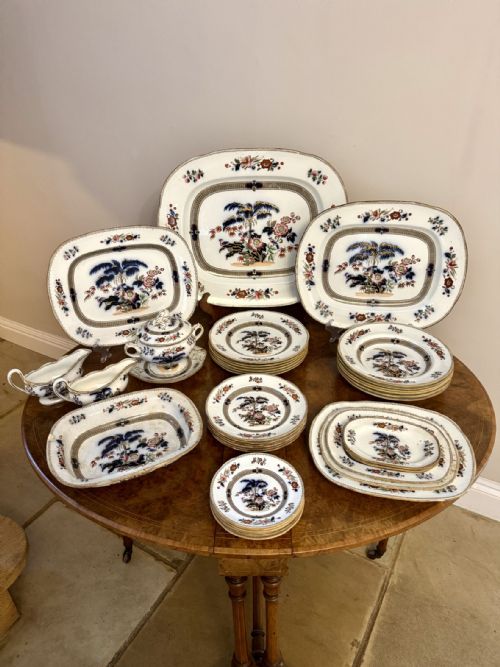
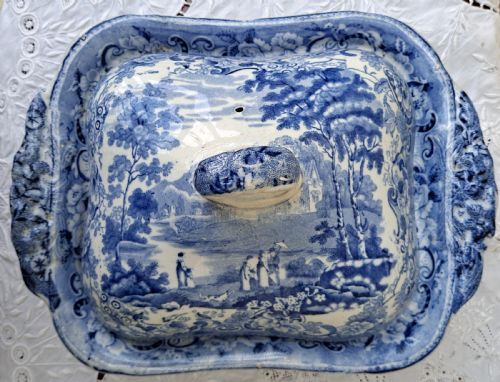
These Victorian transferware tureen examples bring printed British ceramic history to any table, offering robust earthenware forms covered in detailed cobalt scenes.
Victorian Transferware Tureen
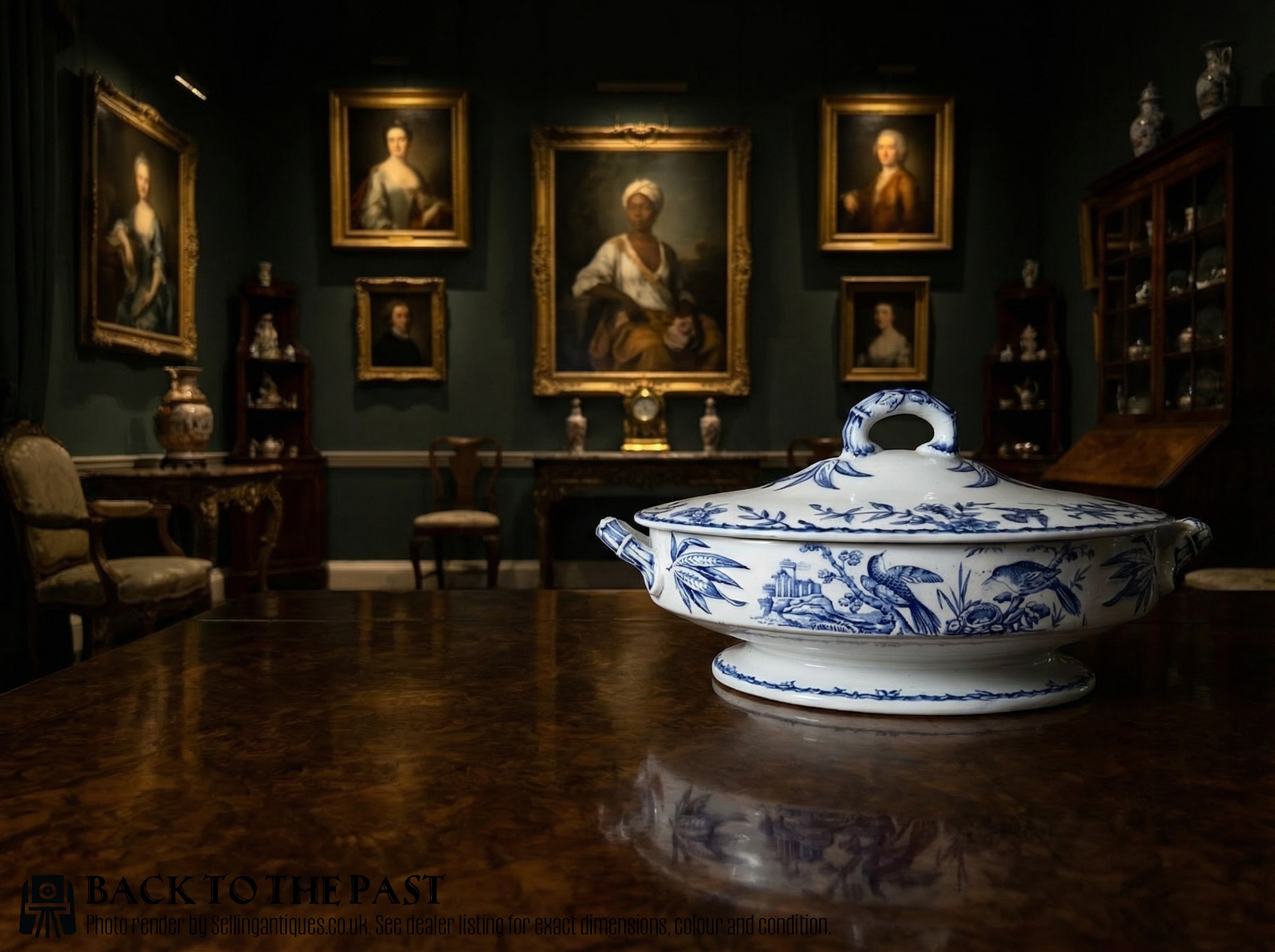
A Victorian transferware tureen combines functional dining pottery with copperplate printed decoration, emerging in forms like vegetable tureens, lidded serving pieces, and miniature dinner service sets. You will most frequently encounter blue and white earthenware bodies, often bearing botanical or rural scenery patterns produced during the nineteenth century.
Makers utilised various ceramic compositions including ironstone, creamware, and standard earthenware, frequently accompanied by matching ladles and covers. These pieces range from large soup vessels down to child's service items, all sharing the characteristic printed transfer method.
Production methods and materials
Potters formed these vessels from earthenware or ironstone bodies before applying a refined ceramic glaze over an engraved transfer print. This technique allowed workshops to repeat intricate blue and white designs across multiple pieces with consistent detail.
Firing took place in traditional kilns where the glaze fused with the cobalt or enamel pigments, creating a durable surface suitable for daily nineteenth-century dining.
Listings feature nineteenth-century items spanning earthenware, ironstone, and creamware bodies.
Judging quality and execution
Quality rests upon the clarity of the transfer print and the crispness of the earthenware moulding, where finer examples display sharp lines without blurring in the blue pigment. The presence of an original cover and matching ladle elevates a piece significantly beyond a bare bowl.
The sophistication of the pattern and the reputation of the producing pottery shape the overall standard of the tureen, distinguishing standard utilitarian wares from refined works by notable manufacturers.
James Wallace and Co·Doulton Burslem·Ridgways·Copeland and Garrett
The Victorian Transferware Tureen Glossary
- Transferware
- Earthenware or ceramic pottery decorated by applying a printed design from an engraved copper plate onto the clay body. This method defined nineteenth-century mass production of patterned tableware.
- Ironstone
- A dense, durable type of earthenware patented in the nineteenth century to imitate Chinese porcelain. It resists chipping much better than standard pottery.
- Flow blue
- A style of transferware where the cobalt blue pigment intentionally bled into the surrounding glaze during firing. This created a hazy, soft-edged artistic effect popular on mid-century services.
- Creamware
- A refined, pale yellow-hued earthenware developed in the eighteenth century and continued into the Victorian era. It provides a smooth surface for printed decoration.
- Ladle
- A long-handled spoon designed to serve soup or sauce from a tureen. These matching utensils are frequently found alongside vegetable and soup tureens.
Victorian Transferware Tureen: Frequently Asked Questions
How do I date a transferware tureen?
Dating relies heavily on pottery marks stamped or printed on the base, stylistic clues in the border patterns, and the specific shade of the transfer print. Nineteenth-century pieces often exhibit distinct maker cyphers or registry diamonds that narrow down the year of production.
Examining the weight and composition of the earthenware body also helps distinguish mid-century examples from later Victorian output.
Can I use these tureens for serving food?
While these nineteenth-century vessels were originally made for dining tables, modern use requires caution due to the age of the ceramic glaze and potential historical repairs. Many collectors prefer to use them strictly for display.
Hand washing in warm water without harsh detergents protects the historic glaze and prevents further staining of the porous earthenware.
What is the difference between ironstone and creamware?
Ironstone is a heavy, highly durable ceramic developed to withstand robust daily use, often appearing thicker and whiter than other bodies. Creamware possesses a distinct warm, buttery tone derived from its unique glaze and clay recipe.
Both materials were common in Victorian kitchens but served different aesthetic and practical demands.
Why does the blue print look blurred?
Some pieces, particularly flow blue varieties, were intentionally fired in moisture-rich kilns to make the cobalt pigment bleed outwards into the white glaze. This chemical reaction created a deliberate smoky, atmospheric aesthetic rather than a manufacturing error.
Standard patterns should remain sharp and distinct, whereas flow pieces showcase this hazy diffusion.