


Victorian Covered Serving Dish
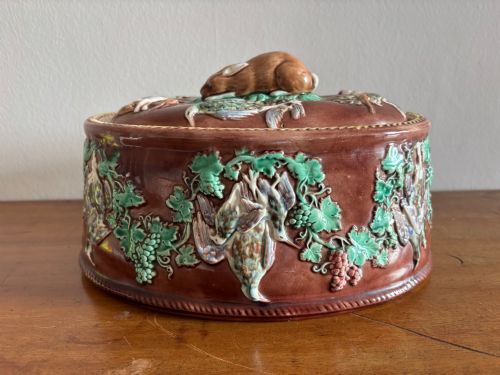
A victorian covered serving dish is a practical table centrepiece designed to keep grand joints, vegetables and pies warm before carving.
Victorian Covered Serving Dish
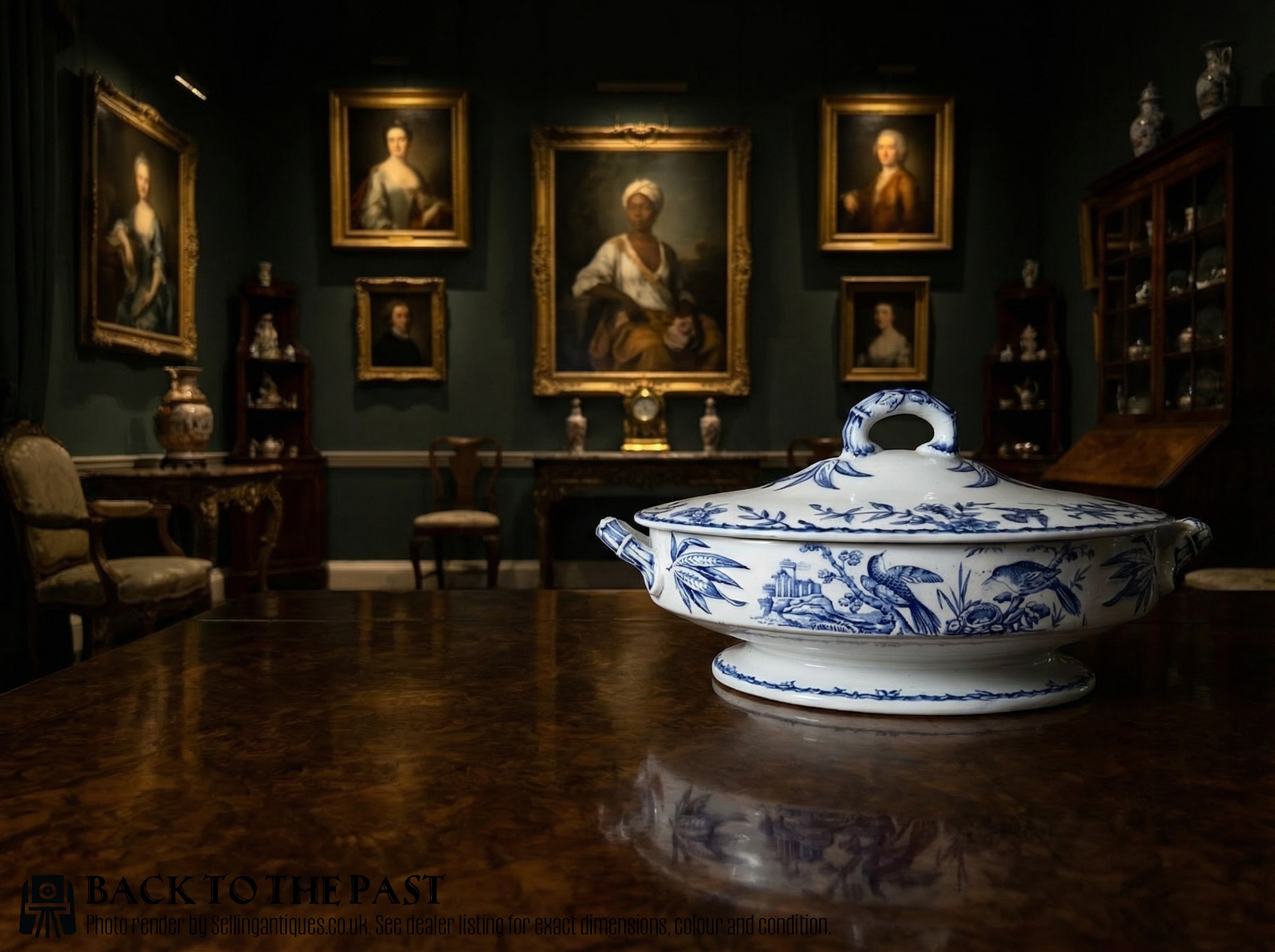
A victorian covered serving dish brings formal nineteenth-century dining to the modern table, taking the form of lidded tureens, entree dishes, warming vessels and meat domes. These pieces were essential for domestic service, transporting food from the kitchen while preserving heat beneath fitted covers.
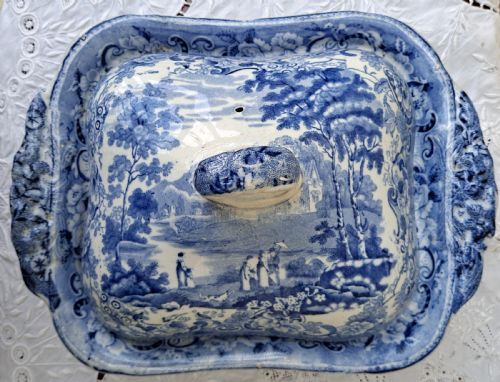
Ceramic examples appear in earthenware, ironstone and blue and white transfer printed pottery, often decorated with named scenes like Rural Scenery. Metal versions utilise silver plate, EPNS and sterling silver, sometimes featuring warming bases and heavy handles for lifting at the table.
Materials and construction
Pottery items are shaped from ceramic paste or heavy ironstone, finished with glazes and decorated using transfer print patterns in blue and white. Earthenware bodies require careful firing in kilns to achieve durable domestic vessels capable of holding hot food.
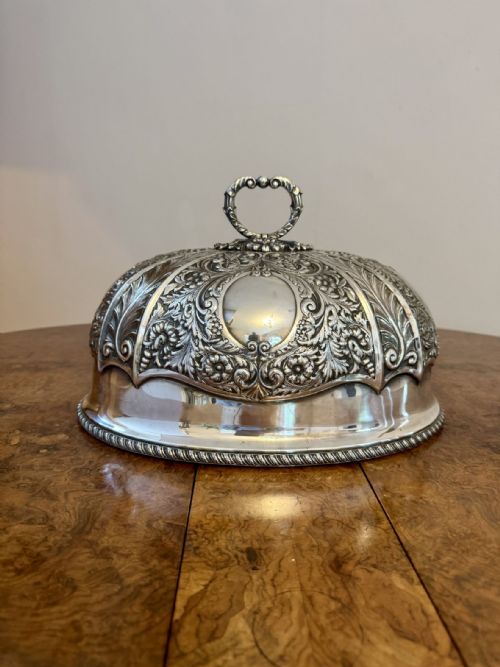
Metal dishes are manufactured from silver plate, electroplated nickel silver, or sterling silver, shaped into cloches, entree dishes and tureens. Gold leaf accents and intricate cast handles are applied to elevate the presentation of high-status dining ware.
Current listings feature serving wares from the nineteenth and early twentieth centuries, spanning the Victorian, Edwardian and Regency styles.
Judging quality and character
Quality rests in the crispness of the transfer print on ceramic tureens and the depth of the metal plating on silver wares. Heavier gauges of silver plate and robust ironstone bodies indicate superior manufacture intended for heavy household service.
Design complexity marks the upper tier of pieces, seen in matched pairs, two-handled punch bowls, and warming dishes equipped with original ladles or domed covers. Maker attribution to known firms adds significant distinction to individual service items.
James Wallace And Co·Masons·Hamilton And Inches·Doulton Burslem·Daniel And Arter·Edward And John Barnard·Walker And Hall·Ridgways·Elkington·William Hutton And Sons·Copeland And Garrett
The Victorian Covered Serving Dish Glossary
- Ironstone
- A dense, durable type of earthenware patented in the nineteenth century to rival porcelain. It provides a sturdy body for large vegetable tureens and soup vessels.
- Transfer print
- A decoration technique where an engraved copper plate transfers a design onto paper, which is then stamped onto ceramic pottery before glazing. This method created popular patterns like Rural Scenery.
- EPNS
- Electroplated nickel silver, a common base metal process developed in the nineteenth century. It allowed manufacturers to produce silver-surfaced serving dishes at a lower cost than solid silver.
- Entree dish
- A shallow lidded vessel used for serving individual courses at formal dinners. These dishes often feature removable handles for versatile table placement.
- Cloche
- A bell-shaped dome used to cover meat dishes and entrees on the dining table. They trap heat and steam until the moment of carving.
Victorian Covered Serving Dish: Frequently Asked Questions
What is a victorian covered serving dish used for?
These vessels were designed to serve vegetables, game pies, soups and meat courses during formal nineteenth-century dining. The fitted covers kept food warm as dishes travelled from the kitchen to the dining table.
Today, they function well as decorative display pieces or practical serving items for dinner parties and family gatherings.
How do I clean antique silver plated dishes?
Silver plated and EPNS items require gentle washing with warm soapy water and a soft cloth to protect the metal surface. Avoid harsh abrasive cleaners that can wear away the plating over time.
Dry the pieces thoroughly immediately after washing to prevent water spots and tarnishing on the metal.
Are ironstone tureens safe for food?
Ironstone is a dense, durable ceramic material that handles warm food safely. Most nineteenth-century pieces can be used for serving dry or moist foods without issue.
Hand washing is strongly recommended for all antique ceramics to preserve the glaze and any delicate transfer print designs.
How can I tell if a dish is silver or silver plate?
Solid silver pieces usually bear hallmarks indicating the maker, city of assay and date of manufacture. These marks are stamped directly into the metal surface.
Silver plated items often show traces of the base metal where the plating has worn thin over decades of use and polishing.