

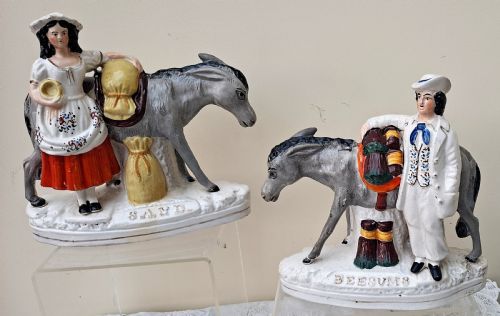


Antique Ceramic Flatback Figurine
An antique ceramic flatback figurine brings Victorian mantelpieces alive with brightly painted figures of royalty, actors and literary heroes.
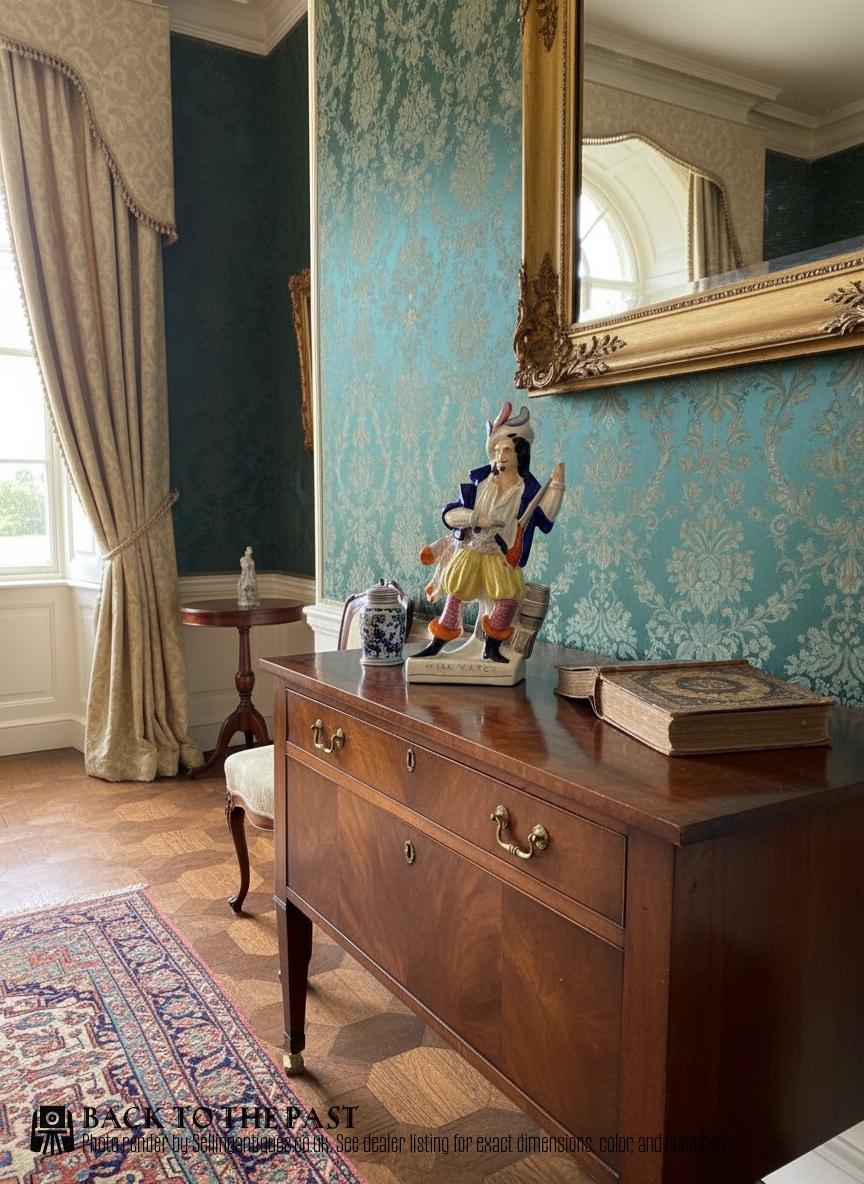
Antique Ceramic Flatback Figurine
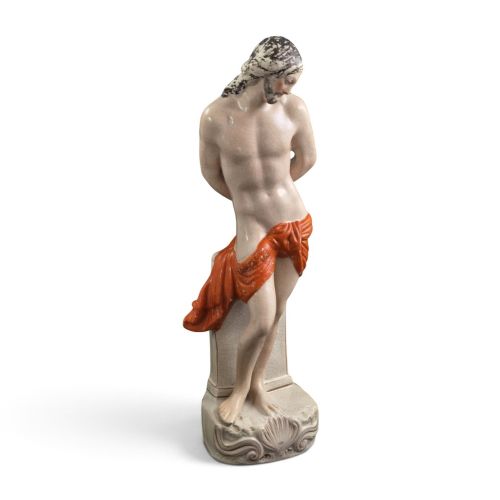
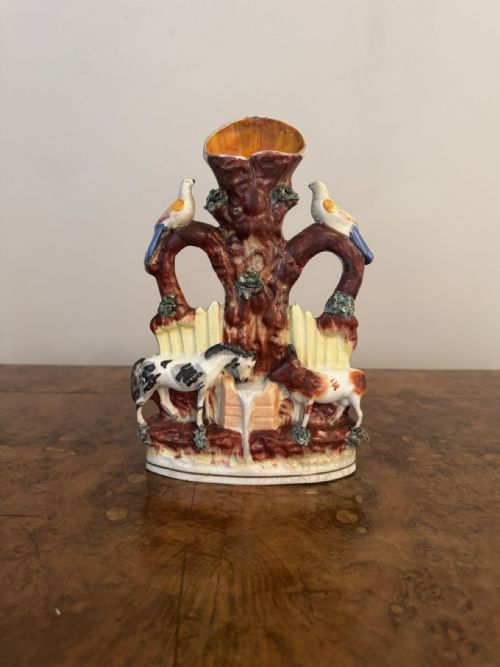
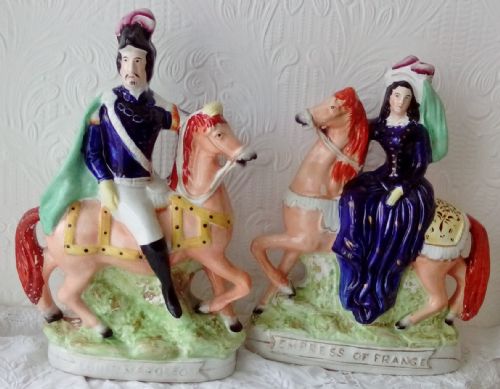
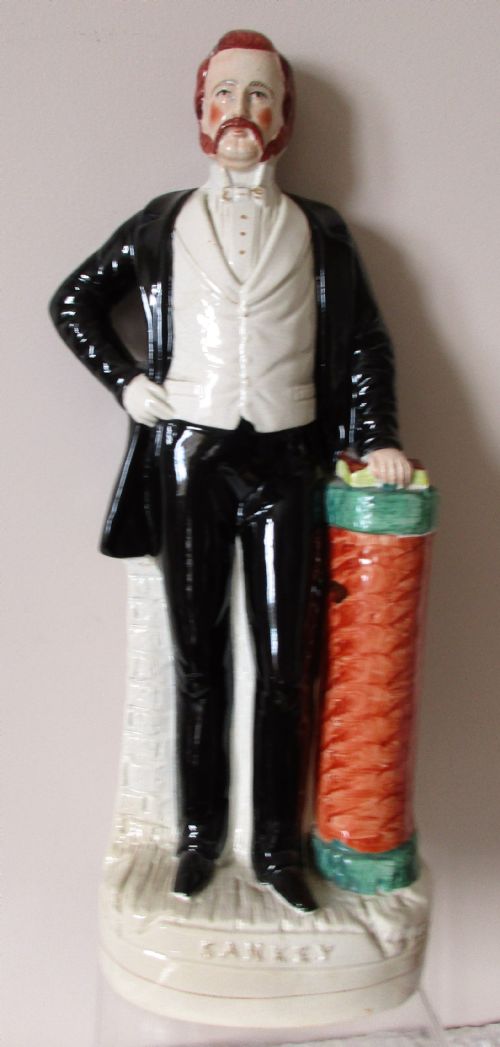
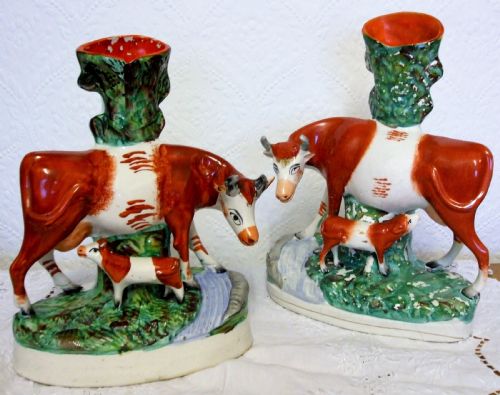
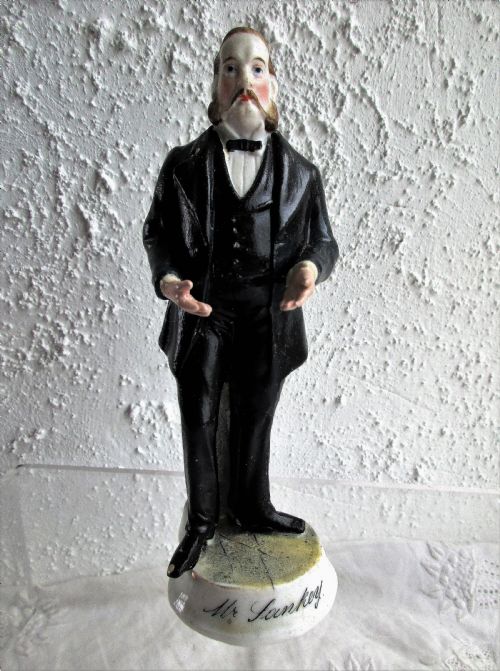
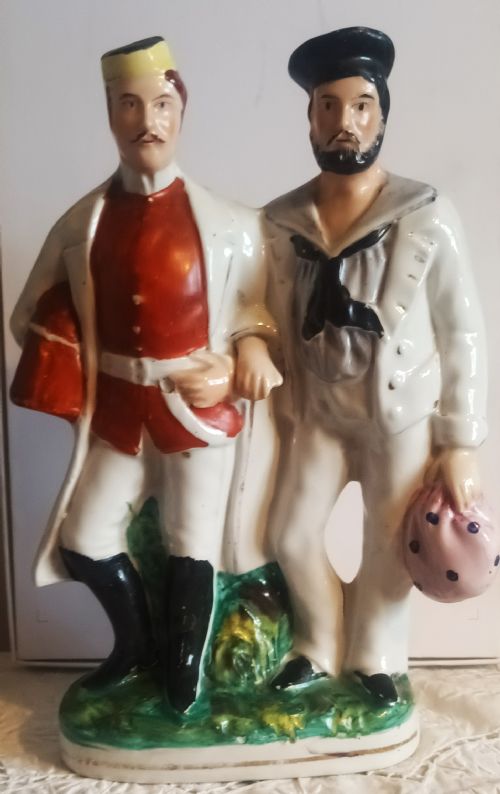
An antique ceramic flatback figurine is a moulded pottery piece designed to stand against a wall, leaving the unglazed rear flat. On this page, you will primarily encounter Victorian Staffordshire earthenware figures and spill vases depicting historical events, theatrical characters, and royal portraits.
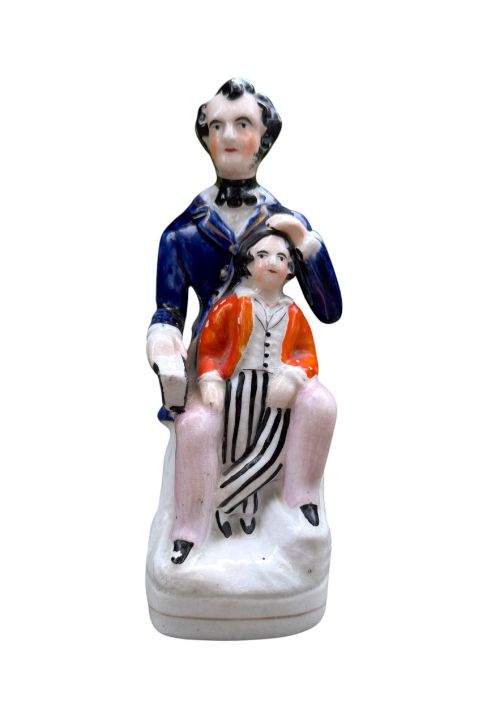
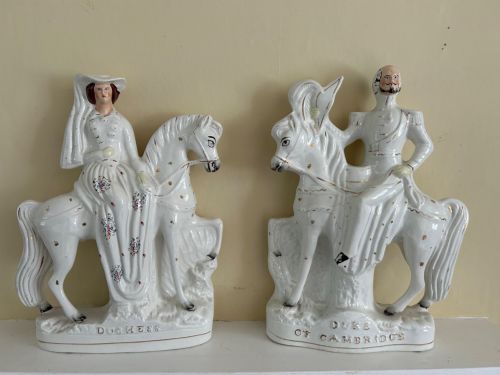
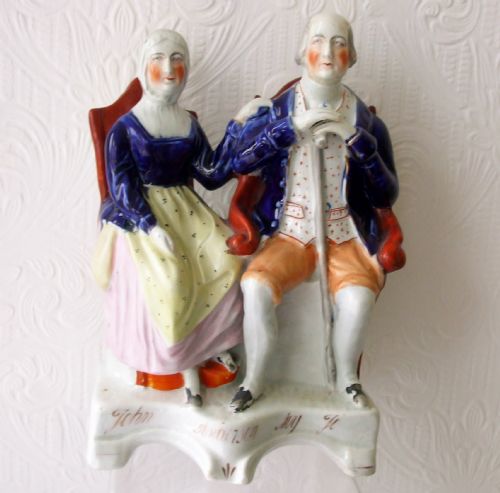
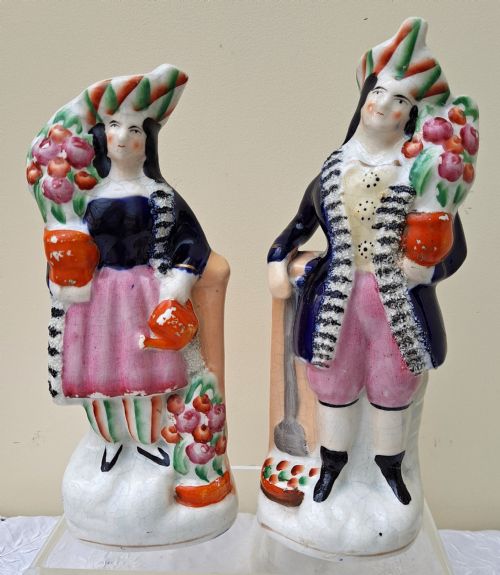
The subjects range from portraits of Queen Victoria and Prince Albert to pairs of gardeners, zebras, and literary characters like John Anderson, My Jo. They include monumental pairs and individual figures, often modelled with hollow backs and small ventilation holes.
The forms span the nineteenth century, including specific decades such as eighteen fifty and eighteen eighty, produced by regional potteries for domestic chimney pieces. These ornaments capture the popular culture and news of the era in durable clay.
Assessing craftsmanship
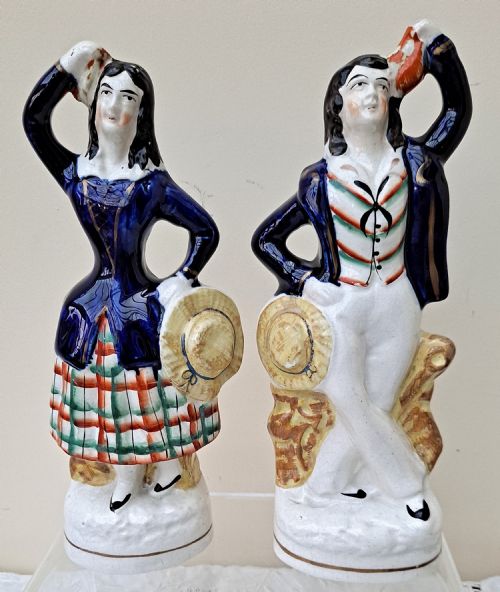
Quality rests in the crispness of the moulding and the precision of the hand-painted enamels, where superior pieces retain clean facial expressions and detailed attire without blurred pigments. Finer examples show careful application of cobalt blue and gilt, whereas coarser items display hasty brushwork and uneven glaze pooling.
The sculptural depth and scale also differentiate the range, as larger figures like equestrian groups and spill vases require greater technical skill to prevent warping during the kiln firing process.
The listings span the nineteenth century, featuring earthenware figures and spill vases from Victorian Staffordshire.
The Antique Ceramic Flatback Figurine Glossary
- Flatback
- A figure moulded with a flat, usually unglazed rear designed to sit flush against a wall or mantelpiece. This method saved clay and reduced weight.
- Spill vase
- A hollow pottery cylinder attached to a figure, intended to hold wooden spills used for lighting pipes and fires. These combine practical utility with decorative modelling.
- Earthenware
- A porous pottery body fired at lower temperatures, commonly used for nineteenth-century figures before being covered in a transparent lead glaze.
- Enamel paint
- Coloured vitreous decoration applied over the glaze and fired at a lower heat to fix bright surface hues onto the finished ceramic body.
- Watch holder
- A specialised pottery stand featuring a small central hook and a pocket to suspend a pocket watch securely on a bedroom mantel.
Antique Ceramic Flatback Figurine: Frequently Asked Questions
What is an antique ceramic flatback figurine?
It is a hollow-moulded earthenware ornament from the nineteenth century featuring a flat back designed to stand against a wall.
These pieces depict royalty, animals, and literary scenes, hand-painted with bright enamels for Victorian domestic display.
How were these figures displayed at home?
Owners placed them prominently on mantelpieces, chiffoniers, and parlour shelves, often arranged in matched pairs or balanced groups.
Some variants, such as spill vases, served the dual purpose of holding wooden fire-lighters alongside the decorative scene.
Why do the backs of these figures lack glaze?
Potters left the flat backs unglazed and largely unpainted to save time, materials, and kiln space during production.
Since the figures were intended to stand against a wall or mirror, finishing the rear was unnecessary.
How can I tell the period of a flatback?
Dating relies on matching the subject matter, such as Crimean War groups or royal weddings, to documented historical events of the nineteenth century.
Stylistic markers include the depth of the earthenware moulding, the brightness of the enamel palette, and typical Victorian costume details.